

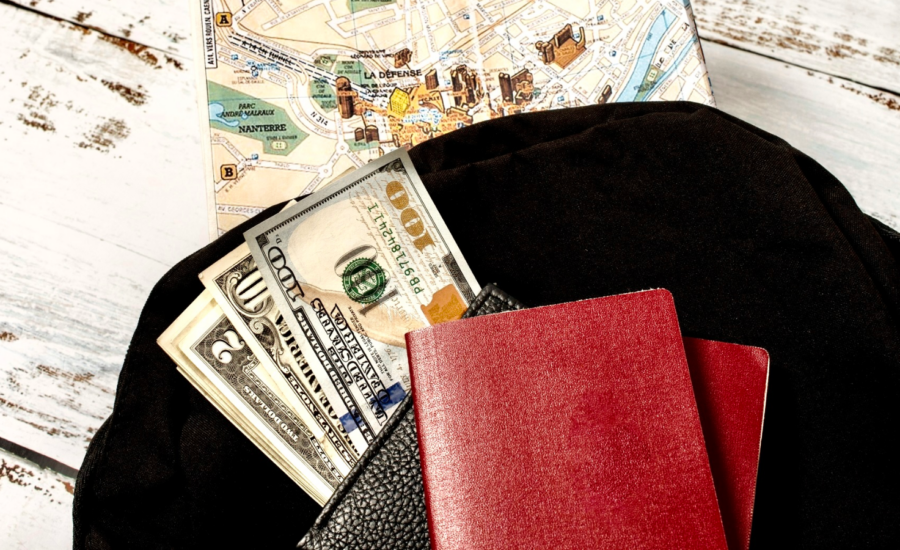
Have you ever wondered how much cash you can legally carry without raising eyebrows or running into trouble? Whether you're planning a trip, making a big purchase, or just like the security of having money on hand, knowing the rules is crucial.
This isn't just about obeying the law; it's about peace of mind and avoiding unnecessary stress. Imagine cruising through your day with confidence, knowing you're fully informed and prepared. You'll learn the ins and outs of carrying cash, including legal limits and practical tips, so you can navigate your financial adventures with ease.
Stick around, because understanding this could save you from costly mistakes and give you the freedom to focus on what truly matters.

Cash Carrying Basics
Carrying cash remains a simple way to manage daily expenses. Knowing the basics helps avoid carrying too much or too little. Many people wonder about the right amount to carry. Understanding these basics keeps your money safe and handy.
Why Carry Cash
Cash works even when cards do not. Small shops and street vendors often accept only cash. It helps during emergencies when digital payments fail. Cash also controls spending better for some people. Some places give discounts for cash payments. Carrying cash keeps things quick and easy.
Common Cash Amounts People Carry
The amount varies depending on needs and safety. Many carry between $20 and $100 daily. This covers meals, transport, and small buys. Some prefer just $10 or $20 for light errands. Others carry $50 to $100 for more flexibility.
- Small daily errands: $10 to $20
- Moderate spending: $30 to $50
- Full day out: $50 to $100
Keep cash in different places to avoid loss. Balance convenience with safety for best results.
Legal Limits On Cash
Carrying cash might seem straightforward, but the law sets clear boundaries on how much you can have on hand. These limits protect you and the economy from illegal activities like money laundering or fraud. Understanding these rules helps you avoid unexpected trouble, especially when traveling or handling large amounts.
Domestic Cash Carry Limits
In many countries, there is no strict legal limit on how much cash you can carry within borders. However, carrying large sums might raise eyebrows from law enforcement, especially if you can't explain the source.
For example, in the U.S., you can carry any amount of cash, but amounts over $10,000 may attract attention during routine stops. It's smart to carry only what you need and keep documents proving where the money came from.
International Travel Cash Rules
When crossing borders, the rules become stricter. Most countries require you to declare if you carry over a certain amount of cash, often $10,000 or its equivalent.
Failing to declare can lead to cash seizure or legal penalties. Remember, carrying large sums abroad without disclosure might signal suspicious activity to customs officials.
Reporting Requirements
Reporting limits exist to ensure transparency in cash movements. Banks and governments want to track large transactions to prevent illegal funding.
When you carry or transfer large amounts, you may need to fill out specific forms, like the Currency Transaction Report (CTR) in the U.S. or similar documents elsewhere.
Ask yourself: Do you have proof of where your cash comes from? Keeping receipts or bank statements handy makes reporting easier and builds your credibility if questioned.
Risks Of Carrying Large Amounts
Carrying a large amount of cash might seem convenient, but it comes with real risks that can affect your safety and peace of mind. You might think that having cash on hand is always a plus, but the dangers are often overlooked until it’s too late. Understanding these risks helps you make smarter decisions about how much cash to carry.
Theft And Loss
Carrying a lot of cash makes you an easy target for thieves. Pickpockets and muggers often watch for people with visible money, especially in crowded places. Even a moment of distraction can lead to losing a significant sum.
Think about how quickly your day could change if your wallet with hundreds of dollars disappeared. Unlike cards, cash can't be frozen or replaced easily. This means the money is gone for good, and you’re left scrambling.
To reduce risk, avoid flashing large bills and keep your money in a secure, hidden spot. Consider carrying only what you’ll realistically need for the day. Have you ever felt uneasy carrying more cash than necessary? That feeling might be your gut warning you.
Suspicion And Legal Issues
Carrying a lot of cash can raise suspicion from law enforcement or security personnel. Large amounts of money on hand can sometimes be mistaken for illegal activity, especially if you can’t explain its source.
In some countries, carrying cash beyond a certain limit requires declaring it to customs or authorities. Failing to do so might result in confiscation or legal trouble. Even if your money is clean, you might have to prove it.
Ask yourself if you’re prepared to explain why you’re carrying that cash. Could it cause unnecessary delays or questions? Sometimes, less cash means fewer headaches and smoother travels.

How Authorities Monitor Cash
Authorities keep a close watch on the cash people carry. They want to stop illegal activities like money laundering and tax evasion. Monitoring cash helps maintain security and legal compliance.
Customs And Border Controls
Customs officers check the amount of cash travelers carry across borders. Many countries set limits on how much cash you can bring without declaring it. If you carry large sums, you must declare it to avoid fines or confiscation.
At border checkpoints, officers may ask about the source of the money. They use special tools and data to detect suspicious behavior. This process helps identify illegal funds moving between countries.
Financial Institution Reporting
Banks and other financial institutions report large cash transactions to authorities. This reporting helps track unusual or suspicious cash deposits and withdrawals. The goal is to find illegal money flows and prevent crimes.
Financial institutions follow strict rules for reporting cash over certain limits. They also keep records of customer transactions for future reference. These measures support law enforcement in fighting financial crimes.
Alternatives To Carrying Cash
Carrying large amounts of cash can be risky and inconvenient. Many safer and easier options exist. These alternatives reduce the chance of loss or theft. They also simplify payments at many places.
Using other methods helps manage money more securely. It also offers more control over spending and tracking expenses. Here are some common alternatives to carrying cash.
Electronic Payments
Electronic payments use digital methods to transfer money. These include credit cards, debit cards, and mobile payment apps. They offer quick and secure transactions.
Many stores and services accept electronic payments. You can pay online or in person without cash. Mobile wallets store your card details safely on your phone.
This method reduces the need to carry cash daily. It also provides a record of all transactions for easy tracking. Electronic payments often come with fraud protection features.
Traveler’s Checks And Prepaid Cards
Traveler’s checks offer a secure way to carry funds abroad. They can be replaced if lost or stolen. Many banks and businesses accept them as payment.
Prepaid cards are another useful option. You load money onto the card before use. They work like debit cards but limit spending to the amount loaded.
Both options reduce the risk of carrying large cash sums. They also provide a backup if electronic payments fail. These tools help control your travel budget easily.

Tips For Carrying Cash Safely
Carrying cash might seem straightforward, but it requires some smart planning to keep it safe. You want to avoid losing it or becoming a target. Here are practical tips that can help you manage your cash wisely and protect it from theft or loss.
Storage And Security
Think about where you keep your cash. Instead of stuffing all your money in one place, split it into smaller amounts and store it in different pockets or compartments. This way, if you lose some, you won’t lose everything.
Use a money belt or a hidden pouch when you travel or attend crowded events. These items stay close to your body and are harder for pickpockets to reach. Also, avoid flashing large amounts of cash in public; it can attract unwanted attention.
Documentation And Receipts
Keep track of how much cash you carry and where you spend it. Carrying receipts can help you monitor your spending and detect if any money goes missing. It also comes in handy if you need to prove a purchase or dispute a charge later.
Try using a small notebook or a note app on your phone to log cash withdrawals and expenses. This simple habit helps you stay aware and in control of your cash flow. Have you ever lost track of money and wondered where it disappeared? This could be the fix you need.
Frequently Asked Questions
How Much Cash Can You Legally Carry?
There is no federal limit on cash carried within the U. S. However, amounts over $10,000 must be declared when crossing borders. Carrying large sums may raise suspicion, so it's best to know local laws and carry documentation if needed.
Is Carrying Large Cash Amounts Risky?
Yes, carrying large cash amounts increases the risk of theft or loss. It’s safer to use cards or digital payments for convenience and security. If you must carry cash, keep it secure and avoid displaying it openly in public.
Can I Carry Any Cash Amount When Traveling Internationally?
You can carry any amount, but amounts over $10,000 must be declared at customs. Failure to declare large sums can result in fines or seizure. Always check the destination country’s rules to avoid legal issues.
Why Do Authorities Ask About Cash Amounts You Carry?
Authorities ask to prevent money laundering, tax evasion, and illegal activities. Carrying large cash without declaration can trigger investigations. Transparency helps ensure you comply with laws and avoid penalties during travel or routine checks.
Conclusion
Carrying cash needs careful thought. Know your country's rules on cash limits. Carry only what you really need. Keep cash safe and hidden from view. Large amounts can cause trouble at customs. Use cards or digital payments when possible. Always plan ahead for your trips.
Stay aware of your surroundings and risks. Smart choices protect your money and peace. Stay informed and travel with confidence.