

You’re at the airport, and everything is going smoothly—until you realize you need to check in one more bag. Suddenly, your mind races with questions: How much will Delta charge for that extra bag?
Is it going to blow your travel budget? You’re not alone in this. Many travelers find themselves in the same situation, caught between the need to carry more and the fear of exorbitant fees. In this guide, we’ll unravel the mystery of Delta’s baggage fees, giving you clear insights so you can avoid surprises and plan your trip with confidence.
Stick around, because understanding these fees could save you time, money, and a whole lot of stress.

Delta Baggage Policies
Delta Airlines has clear rules about baggage to help travelers plan their trips well. Knowing these rules saves time and avoids extra fees. Delta's baggage policies cover what you can bring on board and what needs to be checked in.
Understanding these rules helps avoid surprises at the airport. This section explains the basics of Delta’s baggage policies, including what you can carry on and what needs to be checked.
Standard Allowance
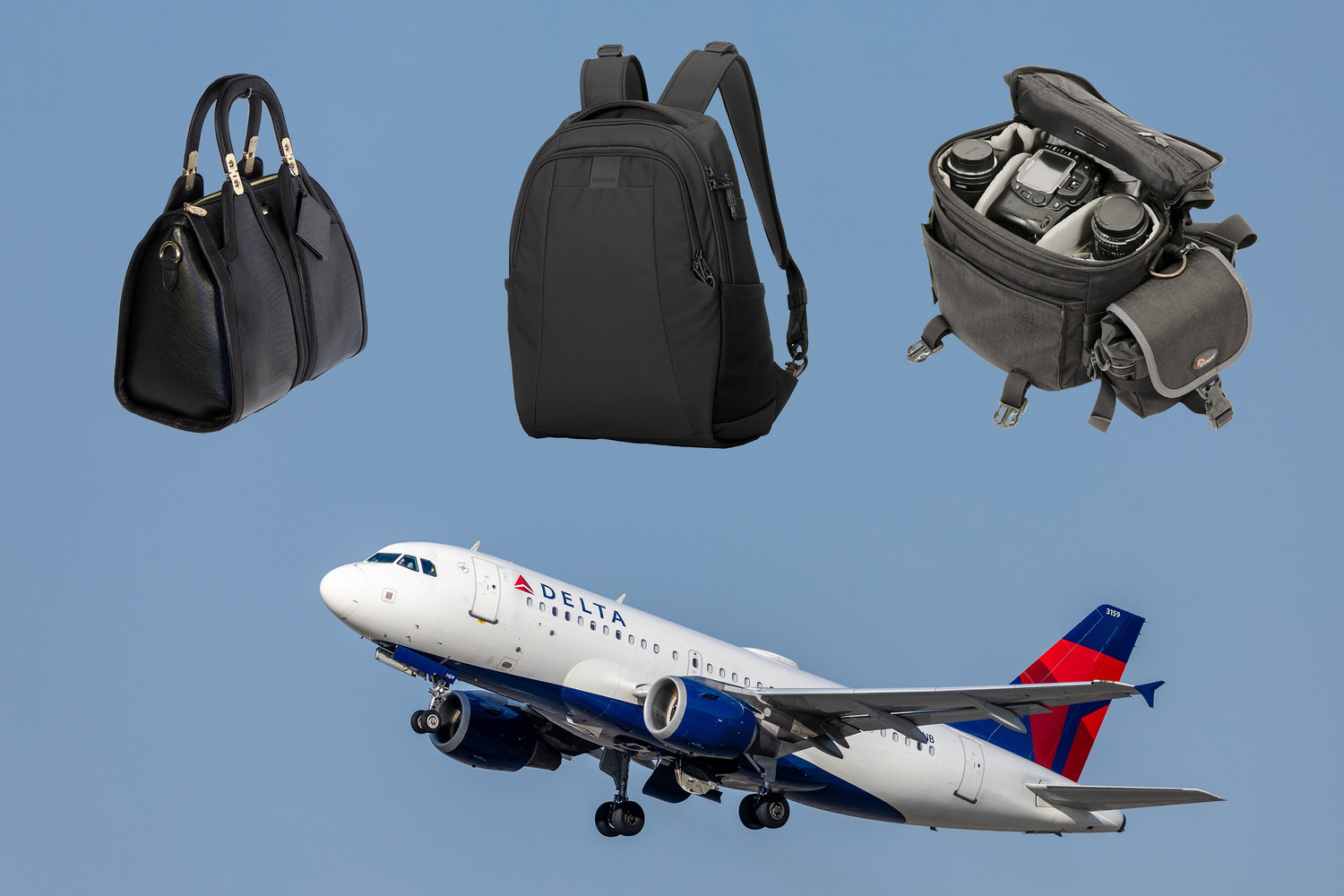
Delta allows one carry-on bag and one personal item free of charge. The personal item can be a purse, laptop bag, or small backpack. Carry-on bags must fit in the overhead bin.
Checked bags usually cost extra unless your ticket or status includes free checked bags. The standard checked bag weight limit is 50 pounds. Size limits apply to keep luggage safe and manageable.
Carry-on Rules
- Carry-on bags must not exceed 22 x 14 x 9 inches.
- Personal items should fit under the seat in front of you.
- Liquids in carry-on bags follow the 3-1-1 rule: 3.4 ounces or less, in 1 quart-sized bag, 1 bag per passenger.
These rules help speed up boarding and keep cabins safe. Oversized carry-ons may need to be checked at the gate.
Checked Bag Basics
Most passengers pay $30 for the first checked bag on domestic flights. The second checked bag usually costs $40. Fees vary for international flights.
| Bag Number | Fee (Domestic) | Weight Limit |
|---|---|---|
| First Checked Bag | $30 | 50 lbs (23 kg) |
| Second Checked Bag | $40 | 50 lbs (23 kg) |
Extra bags or overweight bags cost more. Paying ahead online saves money compared to paying at the airport.

Extra Bag Fees
Extra bag fees on Delta can quickly add up if you're not prepared. Knowing the specific costs helps you avoid surprises at the airport counter. Let's break down what you can expect for additional luggage charges.
Cost For Second Checked Bag
Paying for a second checked bag usually means an extra fee on top of your initial luggage allowance. On Delta, the second bag fee is typically $40for domestic flights. This fee applies whether you’re traveling for business or leisure, so plan accordingly.
Keep in mind, the fee might change if you fly internationally or with certain fare types. Checking your itinerary details before packing can save you money and stress.
Fees For Additional Bags
What if you need more than two bags? Delta charges higher fees for each additional bag beyond the second. Usually, this fee is around $150 per bagfor domestic trips.
Travelers often overlook this cost when packing extra gear. Have you ever faced a surprise charge at the gate? Packing strategically or shipping items ahead can avoid these fees.
Oversized And Overweight Charges
Delta also charges for bags that exceed size or weight limits. Bags over 50 poundsbut less than 70 poundsusually cost an extra $100. If your bag weighs more than 70 pounds, expect a steeper fee, often around $200.
Oversized bags—those larger than 62 inches(length + width + height)—incur additional charges starting at $150. These fees stack on top of your regular bag fees.
Have you measured your bags before arriving at the airport? A quick check at home can prevent costly surprises and make your travel smoother.
Factors Affecting Bag Fees
Understanding the factors that affect bag fees on Delta can help you avoid unexpected charges at the airport. These fees are not fixed and can vary based on several key elements. Knowing what influences the cost lets you plan better and save money on your next trip.
Route And Destination Variations
Delta’s extra bag fees often change depending on where you’re flying. Domestic flights usually have a standard fee, but international routes can be different. For example, flying to Europe might cost more for an extra bag than traveling within the US.
Destination rules also matter. Some countries impose additional taxes or customs fees on checked bags. Have you checked if your arrival airport charges extra baggage taxes? It’s worth investigating before you pack.
Class Of Service Impact
The class you book plays a big role in bag fees. Passengers in First or Business class usually get more free baggage allowance. On the other hand, economy travelers often pay more for additional bags.
I once flew economy and paid $60 for a second checked bag, but on a business class ticket, it was free. This difference can add up quickly if you travel often or with heavy luggage.
Frequent Flyer Benefits
Your Delta SkyMiles status can reduce or even eliminate extra bag fees. Members with Silver, Gold, or Platinum status enjoy extra free checked bags. Even basic members get some perks that can save you money.
Have you checked your frequent flyer benefits lately? Sometimes, the savings from these perks cover the cost of your annual membership or credit card fees. It’s a smart way to travel more affordably.
Ways To Save On Bag Fees
Saving money on bag fees can make your Delta flight more affordable. Bag fees can add up fast, especially with extra bags. Knowing simple ways to reduce these fees helps keep your travel budget in check.
Delta offers options to lower the cost of extra baggage. Planning ahead and using the right tools saves you money. These tips work for most travelers and are easy to follow.
Prepaying For Bags Online
Paying for your bags before you arrive at the airport cuts the fee. Delta charges less for online prepayment than at the airport counter. You can add bags during online check-in or on Delta’s website.
This option saves time and money. Avoid long lines and extra charges by paying early. Check your bag allowance and add any extra bags before your flight day.
Credit Card Perks
Some credit cards offer free checked bags as a benefit. Using a Delta credit card or a travel card may waive bag fees. This perk often applies to the cardholder and up to a few companions.
Read your card’s terms to know how many bags are covered. This benefit can save $30 or more per bag. Use the right card when booking to get free baggage.
Membership Programs
Delta’s SkyMiles Medallion members get free checked bags based on status. Higher status means more free bags and weight limits. Join Delta’s loyalty program to earn miles and perks.
Elite members enjoy waived fees and priority service. Check your membership level before traveling to use these benefits. Being a member often pays off in saved baggage costs.
Special Items And Excess Baggage
Traveling with special items or carrying excess baggage on Delta can quickly change your packing strategy and budget. Knowing the fees and policies for these items helps you avoid surprises at the airport. Whether it’s your sports gear, musical instrument, or pet carrier, Delta has specific rules and charges that you should understand before you fly.
Sports Equipment Charges
Delta treats sports equipment differently from regular baggage. Items like golf clubs, skis, or bicycles usually require a separate fee, which varies based on the item and your route.
If you’re a cyclist, packing your bike securely in a hard case is essential. Delta charges around $150 each way for checked sports gear on most domestic flights. This fee can increase for international routes or oversized items.
Think about how often you travel with such equipment. Would renting gear at your destination be cheaper than paying these fees? Sometimes, the convenience outweighs the cost, but it depends on your travel plans.
Musical Instruments Policies
Traveling musicians often worry about their instruments. Delta allows musical instruments to count as a carry-on if they fit in the overhead bin or under the seat. Otherwise, you’ll need to check them in, which can incur fees.
Smaller instruments like violins or flutes usually travel well in the cabin. Larger ones, such as cellos or guitars, often require a checked baggage fee, which can be similar to sports equipment charges.
Consider buying a seat for very valuable instruments to keep them safe. Have you ever faced damage or loss with checked instruments? Paying for extra protection might save you from heartbreak and extra costs later.
Pet Carrier Fees
Bringing your pet along? Delta charges a fee for pets traveling in the cabin inside an approved carrier. The fee typically runs around $125 per flight segment.
Pets traveling in the cargo hold will face higher fees and stricter requirements. Make sure your pet’s carrier meets Delta’s size and ventilation rules to avoid last-minute issues.
Have you checked how your pet reacts to flying? Some pets handle cabin travel better than cargo, and knowing the fee differences helps you decide the best option for your furry friend.
How To Pay For Extra Bags
Paying for extra bags on Delta Airlines is simple and flexible. You can choose from several options depending on your convenience and travel plan. Knowing when and how to pay helps save money and avoid surprises at the airport.
At Booking
Paying for extra bags during booking is the easiest. You add extra bags while selecting your flight and seats. Delta shows the cost clearly before you finish. Paying now often costs less than later. It also speeds up your check-in process at the airport.
At Check-in
Extra bags can be paid for at check-in, either online or at the airport. The price may be higher than paying at booking. Online check-in lets you pay from your phone or computer. At the airport, use self-service kiosks or ask staff at the counter. Paying at check-in gives you more time to decide if you need extra bags.
At The Gate
Gate payment is the most expensive option for extra bags. This happens only if you did not pay earlier and have extra luggage. Airline staff will charge you on the spot before boarding. Paying at the gate can cause delays and stress. It is best to avoid this by paying earlier.
Comparing Delta With Other Airlines
Comparing Delta Airlines with other carriers helps travelers understand baggage fees clearly. Each airline has its own rules and costs for extra bags. Knowing these differences aids in planning trips and budgeting better.
This section breaks down fees, baggage allowances, and benefits for frequent flyers. It gives a clear picture of what to expect across major airlines.
Fee Differences
Delta charges around $35 for the first extra checked bag on domestic flights. Some airlines like American Airlines and United have similar fees. Budget airlines may charge less but have stricter size limits.
International flights often have higher fees for extra bags. Fees vary by destination and ticket type. Checking each airline’s policy before booking saves surprise costs.
Baggage Allowance Comparison
| Airline | Free Checked Bags | Weight Limit per Bag |
|---|---|---|
| Delta | 1 for Economy (domestic), varies for international | 50 lbs (23 kg) |
| American Airlines | 1 for Economy (domestic), varies for international | 50 lbs (23 kg) |
| United Airlines | 1 for Economy (domestic), varies for international | 50 lbs (23 kg) |
| Southwest Airlines | 2 free checked bags | 50 lbs (23 kg) |
Southwest stands out with two free bags, unlike Delta and others. Weight limits are mostly standard across airlines. Extra bags beyond free allowance lead to extra fees.
Value For Frequent Travelers
- Delta offers Medallion members free extra bags based on status.
- Other airlines also reward loyal customers with baggage perks.
- Frequent flyers save money by earning free baggage through miles.
- Choosing an airline with good baggage policies can reduce travel costs.
Understanding these benefits helps frequent travelers pick the best airline for their needs.
Tips For Stress-free Baggage Handling
Handling your baggage with care reduces travel stress greatly. Planning how to pack and manage your bags saves time and money. Follow simple steps to keep your luggage safe and organized throughout your trip.
Packing Strategies
Choose lightweight suitcases to avoid extra fees. Use packing cubes to organize clothes and items neatly. Place heavy items at the bottom for better balance. Roll clothes to save space and reduce wrinkles. Keep essential items in your carry-on for easy access.
Labeling And Tracking Bags
Attach clear, sturdy tags with your name and contact details. Use bright ribbons or stickers to spot your bag quickly. Take a photo of your luggage before checking it in. Consider using a GPS tracker for high-value items. Always keep your baggage claim ticket safe.
Dealing With Lost Or Delayed Bags
Report missing bags immediately at the airline’s service desk. Provide detailed descriptions and your contact information. Keep receipts for any essentials you buy while waiting. Check the airline’s website or app for updates. Stay calm and polite; it helps in faster resolution.
Frequently Asked Questions
How Much Does Delta Charge For An Extra Bag?
Delta typically charges $40 for the first extra bag on domestic flights. Fees vary by route and membership status. International flights may have different rates. Always check Delta’s official website for the most accurate pricing before your trip.
Can I Prepay For Extra Bags On Delta?
Yes, you can prepay for extra bags during online check-in or on Delta’s website. Prepaying often saves time at the airport. It ensures your extra bag is confirmed and helps avoid last-minute fees.
Are Delta Baggage Fees Different For Skymiles Members?
SkyMiles members may enjoy waived or reduced baggage fees depending on their elite status. Higher-tier members often get free checked bags. It’s best to review your SkyMiles benefits before packing to maximize savings.
What Is The Weight Limit For Extra Bags On Delta?
Each checked bag on Delta must weigh 50 pounds or less to avoid overweight fees. Bags over 50 pounds incur additional charges. The maximum weight allowed is 100 pounds per bag.
Conclusion
Delta charges a fee for each extra bag you bring. Prices vary depending on your route and when you pay. Paying online before your trip is usually cheaper. Knowing these costs helps you plan your travel budget better. Pack smart to avoid extra fees and delays.
Keep this info handy for your next Delta flight. Safe travels and happy packing!