

Are you planning a trip soon and wondering just how much liquid you can bring along? Whether you're packing for a weekend getaway or a long-haul flight, understanding airline liquid restrictions is crucial.
You wouldn't want to be that person frantically repacking at the security line, right? In this guide, you'll discover the ins and outs of liquid allowances, ensuring you breeze through airport security without a hitch. Imagine the peace of mind you'll feel, knowing you're fully prepared and compliant.
Read on to uncover the secrets to stress-free packing and make your journey smoother than ever.
Tsa Liquid Rules Basics
Understanding TSA liquid rules is key for smooth airport security checks. These rules limit how much liquid you can carry in your hand luggage. They help keep travel safe and efficient. Knowing the basics saves time and avoids surprises at the checkpoint.
Allowed Liquid Volume
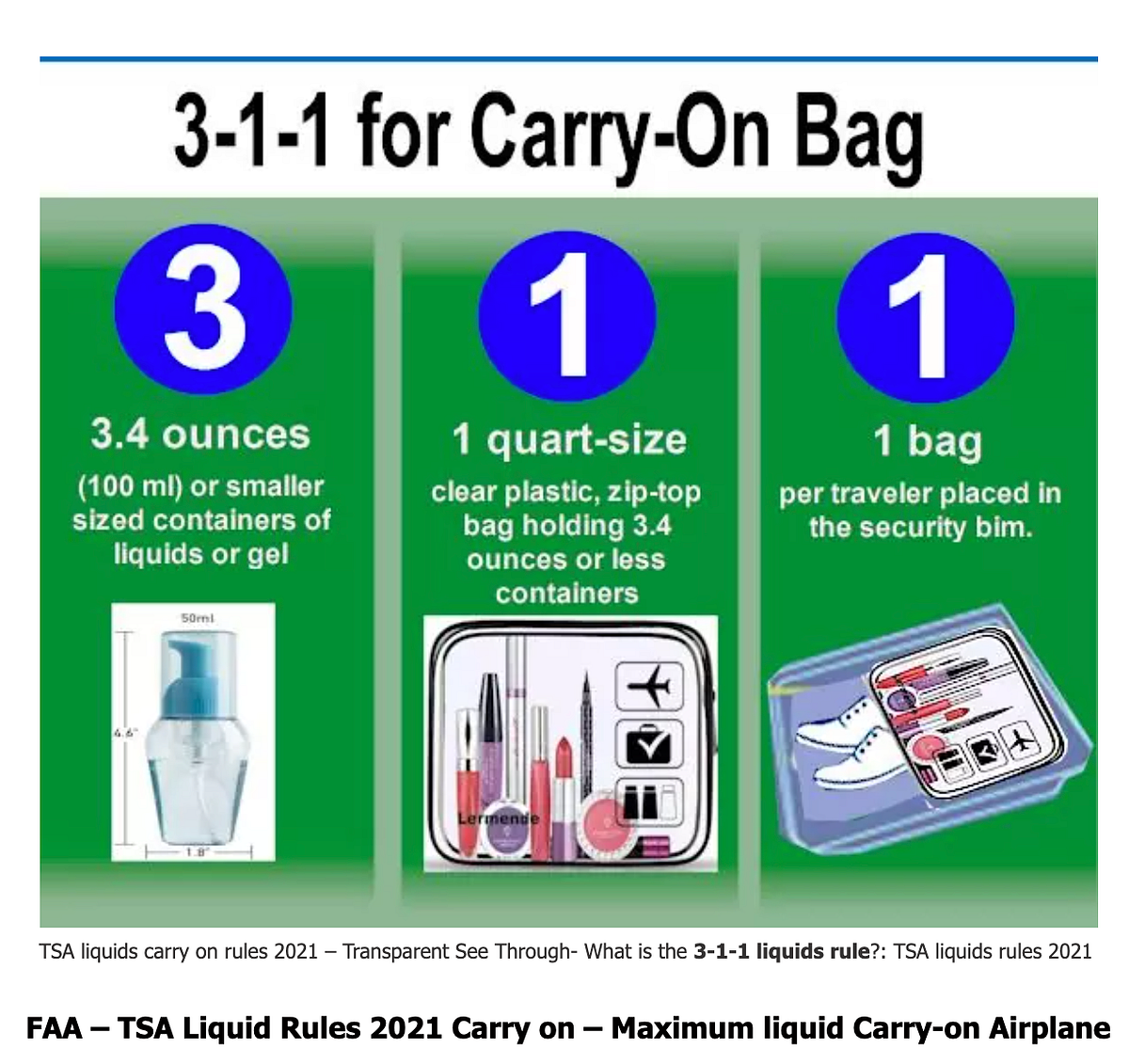
Each passenger may carry liquids up to a total of 3.4 ounces or 100 milliliters. All containers combined must fit comfortably in one clear, quart-sized bag. This limit applies to all liquids, gels, and aerosols.
Container Size Limits
Containers must not exceed 3.4 ounces (100 milliliters) each. Larger bottles are not allowed, even if only partially full. All containers should fit inside a single, clear plastic bag for inspection.
Types Of Liquids Permitted
- Water, juice, and other beverages
- Toiletries like shampoo, conditioner, and lotion
- Gels such as hair gel or aloe vera
- Aerosol products like deodorant or spray sunscreen
Exceptions include medications, baby formula, and special dietary liquids. These must be declared at security checkpoints for separate screening.
Packing Liquids For Carry-on
Packing liquids for carry-on bags requires careful attention to rules and limits. Airlines and security agencies restrict the amount of liquids you can bring. Knowing how to pack liquids correctly helps avoid delays at security checkpoints.
Organizing your liquids properly also saves space and keeps your bag tidy. It makes the security process smoother for you and other travelers.
Using Clear Plastic Bags
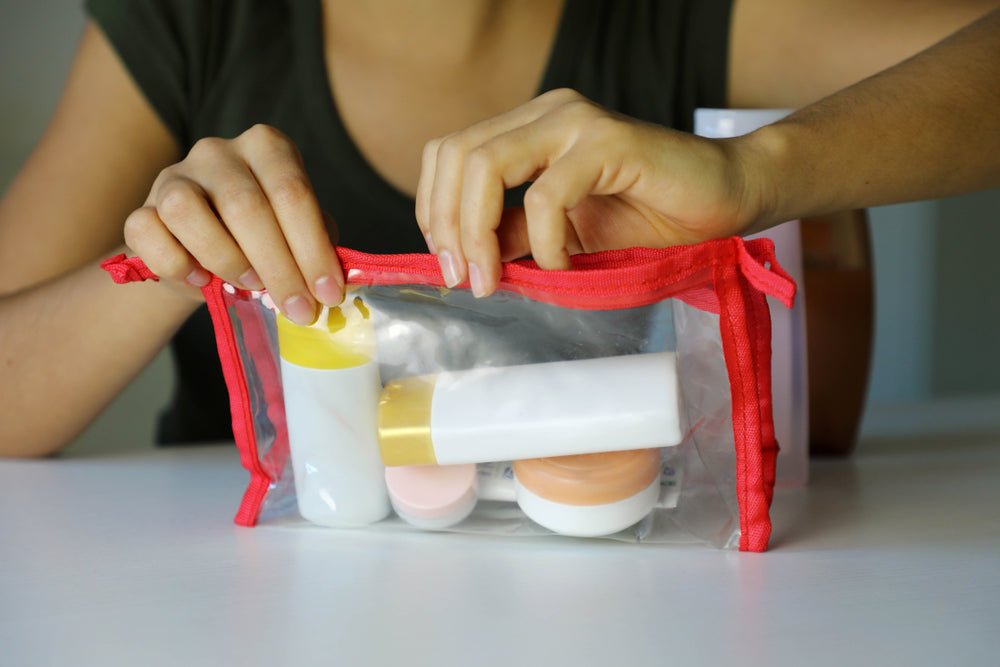
Carry liquids in a clear, resealable plastic bag. The bag should not exceed 1 quart (about 1 liter) in size. Each liquid container must hold 3.4 ounces (100 milliliters) or less. Place all your small liquid containers inside this bag.
Clear bags let security officers see your liquids easily. It speeds up the screening process and reduces the chance of your liquids being removed.
Separating Liquids From Other Items
Keep your liquids separate from clothes and electronics. Place your clear plastic bag on top of your carry-on or in an easy-to-reach spot. This separation helps security staff check your liquids quickly.
Do not pack liquids inside hard-to-open compartments. Avoid mixing liquids with solid items to prevent spills. This practice also helps you stay organized during travel.
Tips For Efficient Packing
- Use travel-sized containers to meet liquid limits.
- Fill containers only with necessary amounts of liquid.
- Choose leak-proof bottles to avoid spills.
- Pack liquids in a sturdy, clear plastic bag.
- Keep your liquid bag accessible for security checks.
- Consider solid alternatives like bars of soap or solid shampoo.
- Check airline rules before packing liquids.
Exceptions To Liquid Limits
Air travel rules limit the liquids you can bring on board. These limits protect all passengers but have some important exceptions. Certain items are allowed in larger amounts due to health and safety reasons. Knowing these exceptions helps avoid delays at security checks.
Medications And Baby Formula
Passengers can carry necessary medications in liquid form without the usual size limits. This includes prescription and over-the-counter medicines. Baby formula, breast milk, and juice for infants are also allowed in larger quantities. Security may ask you to declare these items and open them for inspection.
Duty-free Purchases
Liquids bought at airport duty-free shops can exceed the usual limit. These items must be sealed in a tamper-evident bag. Keep the receipt visible inside the bag. This rule applies to alcohol, perfumes, and other liquids bought after security checks.
Special Medical Needs
Travelers with medical conditions may carry extra liquids. This can include nutritional drinks or special solutions. A doctor's note or prescription can help speed up security screening. Always inform the security officers about these items before screening starts.

Common Items And Their Restrictions
Knowing the restrictions on common liquid items can save you from last-minute frustrations at airport security. Each category of liquids has its own set of rules, so understanding these can help you pack smarter and breeze through checkpoints. Let’s look closely at what you can carry and what you should leave behind or adjust.
Toiletries And Cosmetics
You’re allowed to bring toiletries like shampoo, conditioner, toothpaste, and lotion, but each container must be 100 ml (3.4 oz) or less. All containers need to fit inside a clear, resealable plastic bag no larger than one liter. This means even your favorite full-sized moisturizer or hair spray won’t make it through unless you transfer some into smaller bottles.
Think about your last trip—did you forget to downsize your face wash? I’ve been there, and it’s a hassle to toss products you just packed. A good tip is to invest in travel-sized bottles and refill them at home. It’s easy and keeps your routine intact.
Beverages And Food
Carrying beverages through security is tricky because all liquids must meet the 100 ml rule. This includes water, juice, coffee, and any other drink. If you want to stay hydrated, buy drinks only after passing the security checkpoint.
Food items like soups or sauces also count as liquids or gels. Solid foods like sandwiches and fruits are usually fine, but anything with a liquid or gel consistency must follow the same restrictions. Have you ever packed a salad dressing or yogurt only to have it confiscated? Planning snacks accordingly can prevent that.
Aerosols And Gels
Aerosols such as deodorants, hairspray, and shaving foam are subject to the same 100 ml container limit and must be in your one-liter clear bag. Some aerosols may also have additional restrictions if they are flammable or pressurized. Always check the label before packing.
Gels like hand sanitizer, hair gel, or aloe vera gel count as liquids and must comply with size limits too. During the pandemic, hand sanitizer became essential, but airlines often allow slightly more quantity for this item—still, it’s best to confirm with your airline before packing. How do you balance carrying enough without breaking the rules?
Preparing For Tsa Screening
Preparing for TSA screening helps make your airport experience smooth. Knowing the rules about liquids saves time and stress. Organize your carry-on with TSA rules in mind. Have your liquids packed and ready for inspection.
What To Expect At Security
Security officers check all bags and belongings. You must place your liquids in a clear, quart-sized bag. Each container should hold 3.4 ounces (100 milliliters) or less. The bag must fit easily in your carry-on. You will need to remove this bag for screening.
Electronic devices may require separate screening. Follow TSA officer instructions closely. Be prepared to take off shoes, belts, and jackets. This process usually takes a few minutes.
Handling Liquid Items During Screening
Keep your liquids in one clear bag. This helps TSA staff see them quickly. Avoid carrying large bottles that won’t fit in the bag. Place the bag on the conveyor belt separately from your other items. This speeds up the screening process.
Remember to pack all liquids, gels, and aerosols in the same bag. This includes toothpaste, shampoo, and hand sanitizer. Make sure the bag is sealed properly to avoid spills.
Dealing With Confiscated Liquids
TSA may take liquids that do not follow the rules. Confiscated items cannot be returned. To avoid losing items, check the size before packing. If you have liquids over the limit, place them in checked luggage.
If you forget, you can buy small sizes after security. Some airports also offer shipping services for prohibited liquids. Always double-check TSA rules before traveling.

Tips For International Travelers
International travel requires careful planning, especially for carrying liquids. Rules vary across countries and airports. Knowing these differences helps avoid delays and stress at security checks.
Properly managing liquids ensures smooth airport experiences and safe packing. It also prevents having to throw away items at security checkpoints. Here are some key tips for international travelers.
Differences In Global Security Rules
Each country sets its own rules for liquids in carry-on bags. Some allow 100 ml containers, others may have different limits. Always check the specific airport or country rules before packing.
Common rules include:
- Containers must be 100 ml or less
- All liquids must fit in a clear, resealable plastic bag
- Bag size limits vary but usually about 1 liter
Rules may change without notice, so verify before your trip. Following these rules avoids having items confiscated at security.
Connecting Flights And Liquid Limits
Connecting flights can complicate liquid rules. Different airports might have stricter or looser regulations. Liquids bought after security in one airport may not be allowed in the next.
Tips for connections:
- Check liquid rules for all airports on your route
- Keep liquids in original sealed bags if bought duty-free
- Consider packing liquids in checked luggage if unsure
This reduces the risk of losing liquids during transfers.
Managing Liquids On Long Trips
Long trips require careful liquid packing to stay comfortable and safe. Bring essential liquids in travel-sized containers. Use refillable bottles to save space and money.
Strategies include:
- Pack only what you need for the flight
- Buy liquids at your destination to avoid carrying too much
- Use leak-proof travel bottles to prevent spills
These tips keep your luggage light and compliant with airport rules.
Frequently Asked Questions
How Much Liquid Can You Carry On A Plane?
You can carry liquids in containers of 100 ml or less. All containers must fit in one transparent, resealable 1-liter bag. This is the standard rule for most airlines and airports worldwide. Larger quantities must be checked in.
Are There Exceptions To The Liquid Carry-on Rules?
Yes, exceptions exist for medications, baby formula, and special dietary liquids. These items must be declared at security checkpoints. Supporting documents or prescriptions may be required. Always check specific airline policies before travel.
Can I Carry Liquid Cosmetics In My Carry-on?
Yes, liquid cosmetics are allowed if containers are 100 ml or smaller. They must fit within the 1-liter transparent bag. Solid makeup and powders usually have no restrictions. Follow airport security guidelines to avoid delays.
What Happens If My Liquids Exceed Carry-on Limits?
Liquids over 100 ml must be packed in checked luggage. Security will confiscate larger containers at checkpoints. To avoid loss, pack excess liquids in checked bags. Always adhere to airport liquid restrictions to ensure smooth security screening.
Conclusion
Carrying liquids on a plane has clear rules. You can take small bottles, usually up to 100 ml each. All bottles must fit in one clear, resealable bag. This helps keep security checks quick and smooth. Know these limits before you pack.
It saves time and avoids stress. Always check airline rules as they can change. Following these tips makes travel easier. Stay informed and travel smart.