

Are you gearing up for your next adventure and wondering, "How much should a carry-on weigh?" You're not alone.
Many travelers often find themselves puzzled by the weight restrictions of different airlines. The last thing you want is to be caught off guard at the airport, facing unexpected fees or having to make last-minute adjustments. This guide will help you navigate the ins and outs of carry-on luggage weight limits, ensuring a smooth and stress-free travel experience.
Stay tuned as we delve into practical tips and essential insights to keep your travel plans on track.

Carry On Weight Limits
Carry on weight limits vary widely between airlines and regions. These limits affect what you can bring aboard without extra fees. Knowing these rules helps avoid surprises at the airport. Every airline sets its own standards for carry on baggage weight. Understanding these limits can save time and money.
Airline Weight Restrictions
Most airlines allow carry on bags weighing between 7 kg and 10 kg. Some airlines may permit up to 12 kg, but this is less common. Weight limits apply to the entire bag, including contents. Oversized or overweight bags may need to be checked in. Always check the specific airline’s policy before packing.
International Vs Domestic Rules
Domestic flights often have more lenient carry on weight limits. International flights usually have stricter rules to manage space and safety. Some countries enforce their own regulations alongside airline policies. Travelers should confirm weight limits for both departure and arrival airports. This avoids unexpected charges or baggage delays.
Budget Airlines Policies
Budget airlines tend to have lower carry on weight limits than full-service carriers. Limits as low as 5 kg are common on low-cost flights. Many budget airlines charge extra for bags above the allowed weight. Passengers must measure and weigh their bags carefully. Planning ahead prevents costly fees and travel stress.
Common Carry On Size Limits
Understanding common carry on size limits helps avoid extra fees and travel hassles. Airlines set size rules to fit your bag in the cabin space safely. These limits vary by airline but follow some general standards.
Knowing these limits keeps your travel smooth and stress-free. It also helps pack smart and travel light.
Standard Dimensions
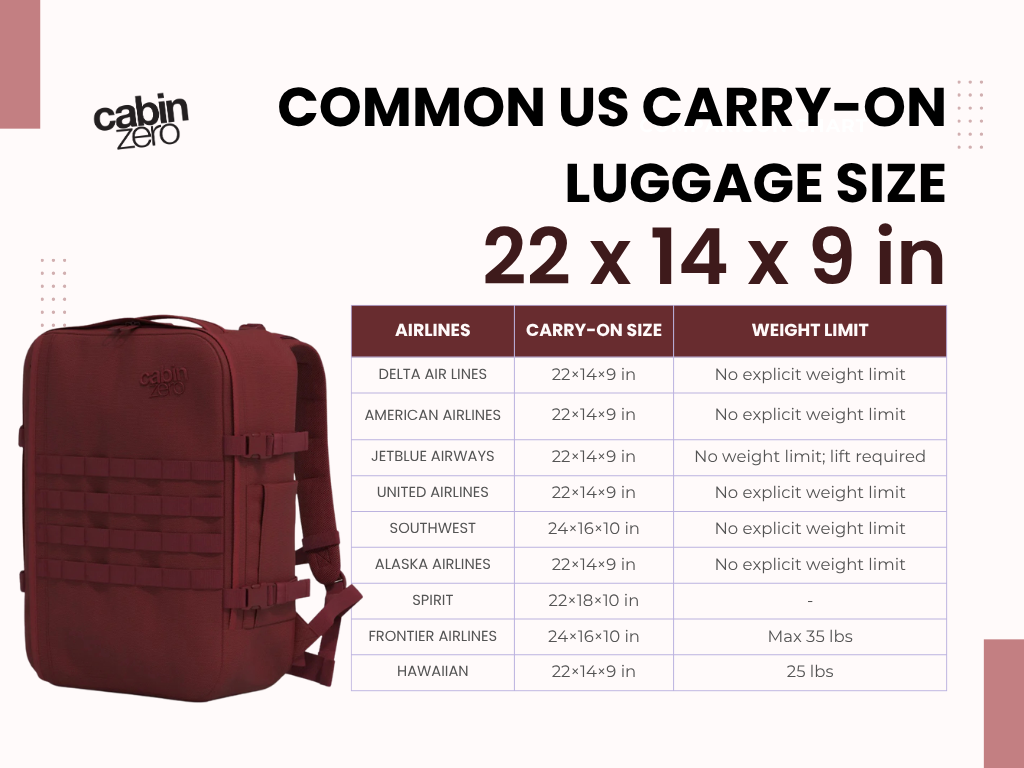
Most airlines allow carry on bags with dimensions around 22 x 14 x 9 inches. This size fits in overhead bins easily. Some airlines may allow slightly smaller or larger bags. Checking your airline’s exact rules is smart before packing.
Weight limits also vary but usually range from 15 to 22 pounds. The size matters most, but weight rules prevent heavy bags on board.
Overhead Bin Vs Under Seat
Carry on bags usually fit in overhead bins or under the seat. Overhead bin space holds larger bags with the standard size. Under seat space is smaller and fits personal items like backpacks or small suitcases.
Knowing the difference helps choose the right bag. If your bag fits under the seat, you can keep it near you during the flight.
Tips For Measuring Your Bag
- Use a tape measure to check height, width, and depth.
- Include handles and wheels in your measurements.
- Measure the bag when fully packed.
- Compare your bag’s size to your airline’s limits online.
- Weigh your bag with a portable scale to avoid surprises.
Weighing Your Carry On
Knowing the exact weight of your carry-on bag saves stress at the airport. Airlines set strict weight limits for carry-ons. Exceeding these limits may cause extra fees or delays. Weighing your carry-on before the trip helps you avoid surprises. It also allows better packing and travel planning.
Best Portable Scales
Portable luggage scales are small and easy to use. They fit in your suitcase or pocket. Look for scales that show weight in pounds and kilograms. Digital scales provide clear, quick readings. Some models have hooks or straps to hold your bag securely. Choose a scale with a weight limit above your carry-on’s maximum.
Packing Tips To Reduce Weight
- Choose lightweight clothing and shoes.
- Wear your heaviest items on the plane.
- Use packing cubes to organize and compress clothes.
- Limit liquids and toiletries to travel sizes.
- Remove unnecessary items before weighing your bag.
These tips help keep your carry-on under the allowed limit. Less weight means more comfort and flexibility during travel.
Checking Weight At Home
Weigh your carry-on before leaving for the airport. Use your portable scale or a bathroom scale. For bathroom scales, weigh yourself holding the bag, then subtract your weight. This gives the bag’s weight. Check your airline’s carry-on weight rules. Adjust your packing if the bag is too heavy. Doing this at home avoids last-minute repacking and fees.
Packing Smart For Carry On
Packing smart for your carry-on helps you travel light and stress-free. You can fit all your essentials without exceeding airline weight limits. This makes your journey smoother and avoids extra fees.
Essentials To Include
Choose items you need during your trip. Pack a change of clothes, important documents, and any medications. Include chargers and a small toiletry bag. Keep electronics and valuables within easy reach. Think about comfort items like a neck pillow or headphones.
Avoiding Overpacking
Stick to the basics and avoid bulky items. Limit shoes to one or two pairs. Use travel-size containers for liquids. Wear your heaviest clothes to save space. Check your airline's weight rules before packing. This helps prevent surprises at the airport.
Using Packing Cubes
Packing cubes keep your bag organized and save space. Separate clothes by type or day of use. Compress your items to fit more in less room. Cubes make it easy to find things quickly. This saves time and reduces stress during travel.
Penalties For Overweight Carry On
Carrying an overweight carry-on can lead to unexpected troubles at the airport. Airlines have strict rules, and exceeding the weight limit often triggers penalties that can disrupt your travel plans. Knowing what happens when your bag is too heavy helps you prepare and avoid last-minute stress.
Extra Fees Explained
Airlines usually charge extra fees if your carry-on exceeds the allowed weight. These fees vary widely—some may charge a flat rate, while others charge based on how much you exceed the limit.
For instance, a $50 fee might apply if your bag is just a few pounds over. But if it’s significantly heavier, the cost can jump to $100 or more. These fees add up quickly and can be surprising if you’re not prepared.
Gate Check Options
If your carry-on is overweight, the airline might ask you to gate check it. This means your bag will be taken at the gate and placed in the cargo hold.
Gate checking is usually free but comes with downsides—you’ll have to wait at baggage claim, and your bag may get delayed or damaged. Think about whether it’s worth paying extra fees to keep your bag with you or risk gate checking it.
How To Avoid Surprises
Want to dodge unexpected fees? Weigh your carry-on before heading to the airport. A simple luggage scale can save you from costly penalties.
Also, check your airline’s specific weight limits online. Limits differ between airlines and even between flights on the same airline. Planning ahead lets you pack smartly and avoid stressful moments at the gate.
Have you ever faced a surprise fee for an overweight carry-on? How did you handle it? Sharing your experience might help others prepare better.

Special Considerations
Special considerations can significantly affect how much your carry-on weighs. Your personal needs and the nature of your trip often require adjustments beyond standard airline limits. Paying attention to these factors helps you avoid surprises at the airport and ensures a smoother travel experience.
Traveling With Kids
Kids bring extra gear that adds weight quickly. Diaper bags, snacks, toys, and an extra set of clothes are essentials you can't skip. Airlines often allow additional items for children, but packing smartly can save you stress and extra fees.
Think about what you really need versus what you think you might need. Carrying a lightweight stroller or baby carrier might reduce the burden. Have you tried packing just one versatile toy instead of a bulky bag full?
Medical Equipment
Medical devices and supplies can make your carry-on heavier or bulkier than usual. Items like CPAP machines, insulin coolers, or mobility aids require special attention. Check airline policies ahead of time to understand what’s allowed and if you need documentation.
Consider a sturdy, lightweight case for your equipment to keep things organized and protected. Packing only the essentials and sharing backup supplies with a travel companion can reduce your load. How often do you review your medical kit before each trip?
Sports Gear And Instruments
Sports gear and musical instruments often exceed standard carry-on size and weight limits. Items like tennis rackets, golf clubs, or guitars usually require special handling or checked baggage. However, some airlines offer options to carry these onboard if you plan carefully.
Use protective cases that are lightweight but durable to avoid damage without adding too much weight. Contact your airline to understand their specific policies and possible fees. Could you choose smaller or foldable gear to fit within carry-on limits?
Tips From Frequent Flyers
Frequent flyers know the struggle of carry-on weight limits well. They share practical tips to keep bags light and manageable. These tips help avoid extra fees and stress during travel.
Smart packing and choosing the right bag are key. Also, managing multiple flights needs special care. These tips make travel smoother and more comfortable.
Packing Light Tricks
- Roll clothes to save space and reduce wrinkles.
- Wear heavy items like jackets on the plane.
- Use travel-size containers for toiletries.
- Pack versatile clothes that mix and match easily.
- Limit shoes to one or two pairs only.
Choosing The Right Bag
- Pick a lightweight, durable carry-on bag.
- Check airline size and weight limits before buying.
- Choose bags with multiple compartments for organization.
- Consider bags with built-in scales to avoid surprises.
- Soft-sided bags often fit better in overhead bins.
Handling Multiple Flights
- Keep essentials in an easy-to-access bag.
- Label bags clearly to avoid mix-ups.
- Pack a portable charger for long waits.
- Carry a lightweight daypack for short stops.
- Allow extra time to switch flights comfortably.

Frequently Asked Questions
What Is The Standard Carry On Weight Limit?
Most airlines set the carry on weight limit between 7 to 10 kilograms. Always check your airline’s specific rules before packing.
How Does Carry On Weight Affect Airline Fees?
Exceeding the carry on weight limit may result in additional fees or forced checked baggage charges. Be mindful to avoid extra costs.
Can Carry On Weight Limits Vary By Airline?
Yes, carry on weight limits differ among airlines and even by flight routes. Check your airline’s policy to pack accordingly.
What Items Count Towards Carry On Weight?
All items inside your carry on bag, including electronics and liquids, count towards the weight limit. Pack efficiently to stay under limit.
Conclusion
Carry-on weight rules vary by airline and destination. Checking your airline’s limits saves time and money. Packing light helps avoid extra fees and stress. Choose essentials carefully to fit weight requirements. A balanced bag makes travel easier and more comfortable.
Staying informed keeps your journey smooth and worry-free. Remember, smart packing leads to better travel experiences.