
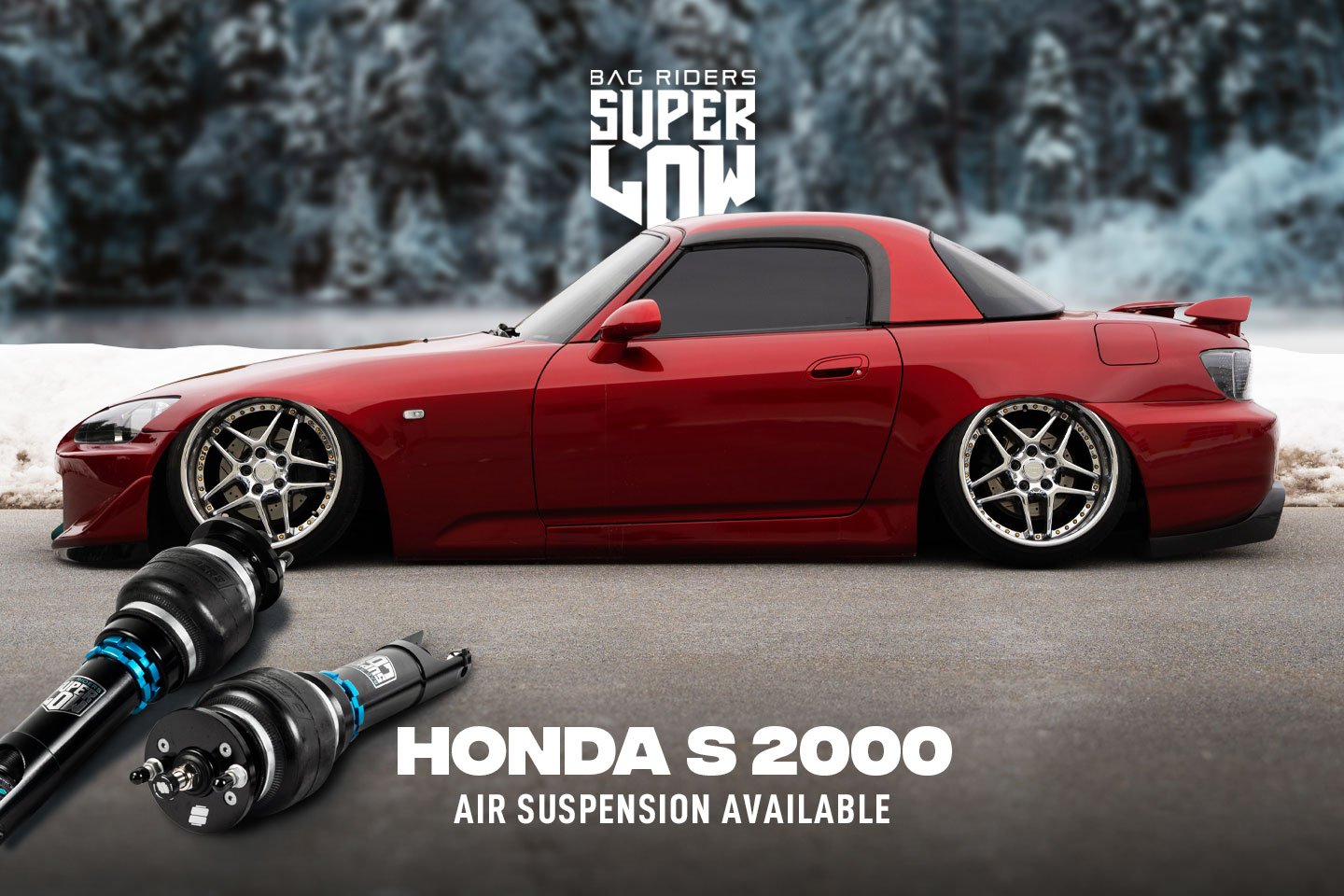
Have you ever wondered how much it costs to bag a car? You're not alone.
Many car enthusiasts dream of enhancing their ride with a sleek air suspension system. This modification not only boosts your car’s aesthetic appeal but also enhances its performance on the road. But the question remains: how much should you really expect to spend on this upgrade?
Understanding the costs involved can help you make an informed decision, ensuring you get the best value for your investment. Dive into this article to uncover the details and make your car modification dreams a reality.
Air Suspension Basics
Understanding air suspension is key before deciding how much to bag a car. This system replaces traditional springs with air-filled bags. It lets drivers control ride height and firmness easily.
Air suspension improves comfort and style. It also enhances vehicle handling. Many car enthusiasts choose it for its flexibility and smooth ride.
What Is Air Suspension
Air suspension uses air springs instead of metal springs. These air springs are rubber bags filled with compressed air. The system adjusts air pressure to raise or lower the car.
This setup allows changing the car’s height quickly. It works with compressors, valves, and sensors to maintain balance.
Benefits Of Air Suspension
- Improves ride comfort by absorbing road bumps
- Allows adjustable ride height for different conditions
- Enhances handling by keeping the car level
- Provides a sleek, lowered look at shows or events
- Offers better load support compared to traditional springs
Common Components
- Air Bags:Replace coil springs and hold air pressure
- Compressor:Pumps air into the bags
- Air Lines:Carry air between components
- Valves:Control airflow to each air bag
- Controller:Allows user to adjust the ride height
Credit: x.com
Factors Influencing Bagging Costs
Understanding the factors that influence the cost of bagging a car can help you make better decisions and avoid unexpected expenses. The price isn’t fixed—it varies depending on several key elements. Knowing these can prepare you for the investment and ensure you get the best value for your money.
Type Of Vehicle
The kind of vehicle you own plays a big role in how much bagging will cost. Larger vehicles like trucks and SUVs usually require bigger or more complex air suspension systems, which can drive up the price. On the other hand, compact cars often need less material and simpler setups, making the process more affordable.
Think about your vehicle’s weight, suspension design, and available space. These aspects can affect both the parts needed and the installation complexity. Have you checked whether your vehicle has a stock suspension system that supports air bags, or will it need custom modifications?
Quality Of Air Bags
Not all air bags are created equal. High-quality air bags made from durable materials last longer and perform better, but they come with a higher price tag. Cheaper options might save you money upfront but could lead to frequent replacements and repairs.
Consider brands known for reliability and customer satisfaction. Sometimes investing a bit more initially can save you headaches down the road. Are you willing to compromise on quality to cut costs, or do you prefer long-term durability?
Additional Parts Needed
Bagging your car often requires more than just air bags. Components like compressors, tanks, valves, and wiring kits add to the overall cost. If your vehicle lacks existing air suspension parts, these extras are essential.
Sometimes, you might also need custom brackets or reinforcement parts depending on your vehicle’s frame and suspension setup. Skipping these could lead to poor performance or even damage. Have you factored in all the extras needed for a complete and safe installation?
Labor And Installation
Installation is a skilled job, and labor costs vary widely based on location and the installer’s expertise. Some shops charge by the hour, while others offer flat rates for a complete bagging job. Expect to pay more if your vehicle requires custom work or if the installer needs to fabricate parts.
DIY installation might seem tempting to save money, but improper setup can cause safety issues and costly repairs later. Have you researched local shops and read reviews to find a trustworthy installer with competitive pricing?
Cost Breakdown
Understanding the cost breakdown helps plan your budget for bagging a car. Each part adds to the total price, so knowing them is important. Costs vary based on quality, brand, and complexity.
Air Bags Pricing
Airbags are the core of any air suspension setup. Prices depend on the number of bags and their size. Basic airbags can cost around $150 to $300 each. Premium airbags with better materials or brands may cost more.
Compressors And Tanks
Compressors provide the air pressure needed for the bags. Tanks store this air for quick adjustments. A quality compressor and tank combo usually costs between $500 and $1,200. Higher capacity setups will cost more but offer faster response and durability.
Control Systems
Control systems let you adjust the ride height smoothly. Options include manual switches or digital controls with presets. Simple manual controls can cost $100 to $300. Advanced digital systems range from $400 to $1,000 or more.
Installation Fees
Professional installation ensures safety and correct setup. Shops charge based on time and complexity. Typical installation fees range from $500 to $1,500. Custom jobs or complicated cars may cost extra.

Credit: www.dicksmithnissanofcolumbia.com
Diy Vs Professional Installation
Deciding between DIY and professional installation for bagging a car is important. This choice affects cost, quality, and safety. Both options have benefits and challenges. Understanding these can help make the best decision.
Pros And Cons Of Diy
- Pros:Saves money on labor costs.
- Offers a chance to learn about your car’s suspension.
- Gives full control over the installation pace.
- Cons:Requires special tools and skills.
- Risk of damaging parts or improper setup.
- Can take much longer than expected.
When To Hire Experts
- If you lack mechanical experience or tools.
- When precision is critical for safety and performance.
- For complex air suspension systems with electronics.
- To ensure warranty coverage and professional advice.
Estimated Labor Costs
| Service | Price Range | Details |
|---|---|---|
| Basic Airbag Installation | $300 - $700 | Includes parts setup and calibration |
| Full Air Suspension System | $800 - $1,500 | Complete kit with compressors and controls |
| Custom Fabrication or Modifications | $1,000+ | Extra work for frame or mounting changes |
Maintenance And Long-term Expenses
Choosing to bag your car means more than just the initial installation cost. You need to think about how much effort and money you'll spend maintaining the system over time. Maintenance and long-term expenses can affect your overall satisfaction and budget significantly.
Regular Upkeep
Air suspension systems require regular checks to stay in good shape. You should inspect air lines, compressors, and bags for leaks or damage every few months. Keeping these parts clean and properly inflated prevents sudden failures and costly replacements.
Think about your daily driving conditions. Dusty roads or extreme weather can increase wear, meaning you might need to clean and service your setup more often. Staying ahead with small maintenance tasks saves you from expensive surprises later.
Potential Repairs
Repairs for bagged suspensions can add up quickly. Compressors may wear out, air springs can develop leaks, and valves might fail. These parts are specialized and often pricier than traditional suspension components.
Have you considered how easy it is to find replacement parts for your system? Some brands have better availability and support, which can reduce repair times and costs. Planning for potential repairs keeps your investment safer and your ride smoother.
Warranty Considerations
Installing an air suspension can affect your vehicle’s warranty. Some manufacturers might void parts of it if the system isn’t approved or installed professionally. Always check the warranty terms before bagging your car to avoid unexpected expenses.
If warranty coverage is important to you, look for systems with good manufacturer support and clear installation guidelines. This can protect you against defects and give peace of mind as you enjoy your upgraded ride.
Budgeting Tips
Budgeting is crucial before you bag your car. It helps you control costs and avoid surprises. Planning your budget carefully ensures a smoother project and better results.
Setting Realistic Expectations
Know the average cost of air suspension kits and installation. Prices vary based on brand, quality, and vehicle type. Remember to include extra fees for labor and parts. Expect some costs to rise due to custom work or upgrades.
Set a clear budget range and stick to it. This keeps the project manageable and avoids overspending. Be ready to adjust plans if costs go beyond your limit.
Finding Deals And Discounts
Check for sales from suppliers and manufacturers. Look for package deals that include kits and installation. Search for local shops offering discounts on labor.
Join car forums and groups to find discount codes and recommendations. Sometimes, buying used or refurbished parts can save money. Always ensure quality before purchasing cheaper parts.
Avoiding Common Pitfalls
- Don’t rush to buy the cheapest kit; quality matters.
- Avoid skipping professional installation to save money.
- Don’t forget to budget for maintenance and repairs.
- Be cautious of hidden fees and extra charges.
- Research thoroughly to prevent costly mistakes.

Credit: www.walmart.com
Frequently Asked Questions
How Much Does It Cost To Bag A Car?
Bagging a car typically costs between $1,000 and $5,000. The price depends on the kit type, brand, and installation complexity. Custom setups may increase the price. Always factor in labor costs for professional installation.
What Factors Affect Bagging A Car Price?
The main factors include kit quality, air suspension type, vehicle model, and labor costs. Higher-end kits and custom installations raise the price. Additional components like compressors and tanks also impact the overall cost.
Is Diy Bagging A Car Cost-effective?
DIY bagging can save money but requires technical skills and tools. Kits range from $800 to $2,500. Mistakes during installation may cause damage, increasing repair costs. Weigh your experience before attempting DIY installation.
How Long Does Bagging A Car Take?
Professional installation usually takes 4 to 8 hours. Complex setups or custom work may extend the time. Proper installation ensures safety and optimal performance of the air suspension system.
Conclusion
Bagging a car can cost different amounts. It depends on parts, labor, and your car type. Budgeting well helps avoid surprises later. Quality parts and proper installation matter most. Take your time to research and compare prices. This way, you get the best value and results.
Enjoy the smooth ride and cool look that bagging offers.