


Are you tired of awkward silences and missed connections in conversations? Do you often find yourself struggling to keep the dialogue flowing?
You're not alone. Many people face the challenge of carrying on a conversation, especially in social or professional settings. But here's the good news: mastering the art of conversation is easier than you might think, and it can open up a world of opportunities for you.
Imagine feeling confident and engaged in every interaction, making meaningful connections with ease. In this guide, you'll discover simple yet effective strategies to transform your conversations from stilted to seamless. Ready to unlock the secrets to engaging dialogue? Keep reading to find out how you can become a conversational pro.
Starting Conversations
Starting a conversation can feel hard, especially with new people. The first words set the mood and show interest. A good start helps both sides feel comfortable. Using simple ways to open talks makes chatting easier. Focus on small steps that invite sharing and listening. This section explains clear tips to begin conversations smoothly.
Breaking The Ice
Breaking the ice means making the first move to start talking. Simple greetings like "Hi" or "Hello" work well. A smile can make the other person feel welcome. Look around for something easy to comment on, like the weather or place. This shows you notice things and want to connect. A light joke or friendly question helps too. Keep your tone calm and open.
Choosing The Right Topics
Pick topics that are easy and safe for most people. Talk about common interests such as hobbies, movies, or food. Avoid topics about politics, money, or personal problems early on. Questions about their day or weekend plans are good starters. Notice their reactions to see if they like the subject. Change topics quickly if they seem uncomfortable or bored.
Using Open-ended Questions
Open-ended questions need more than yes or no answers. They invite the other person to share thoughts and feelings. Examples include: "What do you enjoy about your job?" or "How did you spend your holiday?" These questions show you care about their story. They also keep the talk moving and fun. Use them to learn more and build a connection.
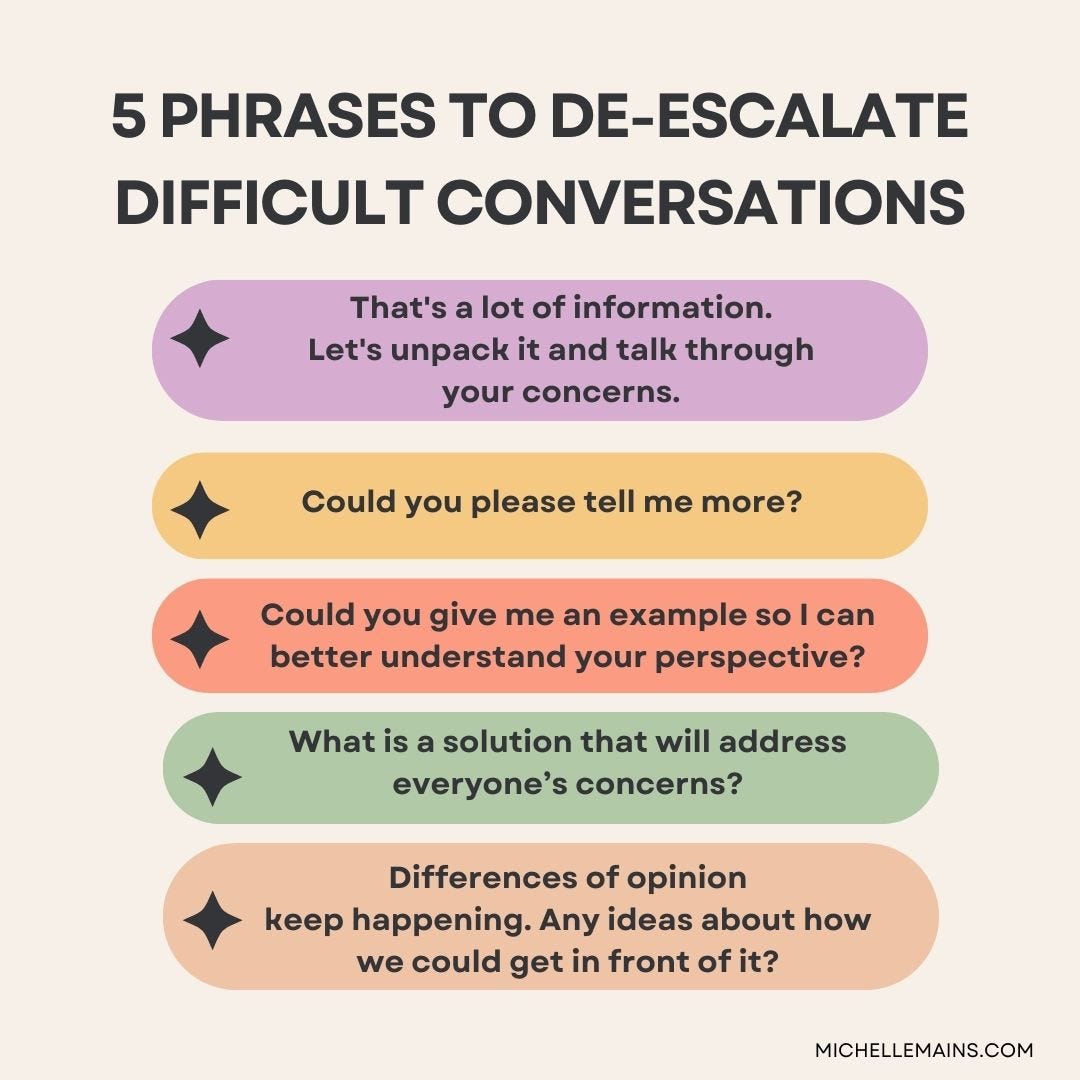
Maintaining Engagement
Maintaining engagement is the secret to keeping a conversation alive and meaningful. It’s not just about speaking; it’s about creating a connection that invites the other person to stay interested and involved. How do you ensure that your interactions don’t fizzle out but instead spark curiosity and warmth?
Active Listening Skills
Active listening means focusing completely on the speaker. It’s about more than just hearing words—you absorb the meaning behind them. When you listen actively, you show respect and make the other person feel valued.
Try to avoid interrupting or planning your next response while they talk. Instead, nod, ask brief clarifying questions, or paraphrase their points to confirm understanding. This keeps the conversation flowing naturally and shows you care about their perspective.
Reading Nonverbal Cues
Nonverbal signals often reveal what words don’t. Pay attention to body language like eye contact, facial expressions, and posture. These clues can tell you if someone is comfortable, bored, or eager to share more.
If you notice crossed arms or a lack of eye contact, it might be time to shift the topic or ask if everything’s okay. On the other hand, leaning in and smiling can encourage you to open up further. How often do you catch these silent messages during your talks?
Showing Genuine Interest
People can sense when your interest is real or forced. Ask open-ended questions that invite detailed answers rather than just yes or no. Share your own experiences briefly to create a balanced exchange.
For example, if someone mentions a recent trip, you might say, “What was the most surprising thing you discovered there?” This shows you want to understand their story, not just fill the silence. What topics make you feel most connected during a chat?
Handling Awkward Moments
Handling awkward moments is part of every conversation. Silence, nervousness, or sudden topic changes can make talks uncomfortable. Learning how to face these moments helps keep conversations smooth and natural. It builds confidence and makes chatting more enjoyable for everyone.
Dealing With Silence
Silence does not always mean something is wrong. Sometimes, people just need a moment to think. Use silence as a chance to observe and listen. Smile or nod to show you are still engaged. Asking simple questions can gently fill the gap.
Changing Topics Smoothly
Switching topics is easy with a little practice. Look for clues in the current conversation. Find a related idea or a new angle to introduce. Use phrases like:
- "That reminds me of..."
- "Speaking of that..."
- "By the way, have you heard about...?"
These help the shift feel natural, not forced.
Managing Nervousness
Nervousness can cause stumbling or awkward pauses. Take slow, deep breaths to calm down. Focus on the person you talk to, not on your fears. Remember, everyone feels nervous sometimes. Practice makes it easier over time.

Building Connection
Building a connection in any conversation goes beyond just exchanging words. It’s about creating a space where both people feel understood and valued. When you focus on connection, your talks become more meaningful and enjoyable.
Finding Common Ground
Start by looking for shared interests or experiences. This could be anything from a favorite hobby to a recent movie you both watched. Asking open questions like, “What do you enjoy doing on weekends?” helps uncover these connections naturally.
Once you find common ground, use it to keep the conversation flowing. It shows you’re genuinely interested and makes the other person feel comfortable. Have you noticed how talking about mutual interests often sparks the most engaging discussions?
Sharing Personal Stories
Personal stories make your conversations vivid and relatable. When you share something from your life, it invites the other person to do the same. This exchange builds trust and deepens the connection.
Choose stories that relate to the topic and reveal a bit about who you are. For example, mentioning a travel mishap can make a chat about vacations more lively. Think about a recent moment you found funny or challenging—how can that add to your conversation?
Using Humor Effectively
Humor can lighten the mood and create instant bonds. It doesn’t have to be a joke; even a light comment or playful observation works. Just make sure your humor fits the situation and respects boundaries.
Timing is key. A well-placed smile or witty remark can ease tension and make your conversation memorable. Have you ever laughed with someone and suddenly felt a stronger connection? That’s the power of humor done right.
Ending Conversations Gracefully
Ending conversations gracefully is an important skill. It helps leave a good impression and keeps communication open for the future. Knowing how to close talks politely can prevent awkward moments. It also shows respect for the other person's time and feelings.
Recognizing Conversation Endings
Watch for clues that the talk is ending. People may give shorter answers or look away. They might check their watch or phone. Listen for phrases like “I have to go” or “It was nice talking.” These signals show they want to wrap up.
Respect these signs to avoid dragging the chat. It helps keep the mood friendly and positive.
Leaving A Positive Impression
End with kind words. Say thank you or mention something you enjoyed in the talk. Smile and keep your tone warm. This leaves the other person feeling good about the chat.
Simple phrases work well:
- “It was great talking with you.”
- “I appreciate your time.”
- “Hope you have a good day.”
These small gestures build goodwill and trust.
Planning Future Interactions
Suggest staying in touch or meeting again. This shows interest in continuing the relationship. You can say:
- “Let’s catch up soon.”
- “I’d love to talk more next time.”
- “Can we meet again?”
Giving a clear plan makes future chats easier to start. It also shows you value the connection.

Frequently Asked Questions
How Can I Start A Conversation Naturally?
Begin with a friendly greeting or a simple question about the setting. Use open-ended questions to invite detailed responses. Show genuine interest in the other person’s answers to keep the conversation flowing smoothly and comfortably.
What Are Good Topics To Discuss In Conversations?
Discuss common interests like hobbies, current events, or favorite books and movies. Avoid controversial topics initially. Ask open-ended questions to encourage sharing. This helps build rapport and keeps the conversation engaging for both parties.
How Do I Keep A Conversation Going Smoothly?
Listen actively and respond thoughtfully to what the other person says. Use follow-up questions to dig deeper. Share related personal experiences briefly. Avoid long monologues to maintain balance. Stay positive and open-minded to sustain interest.
How Can I Improve My Conversation Skills Quickly?
Practice regularly by engaging in small talk with strangers or acquaintances. Focus on listening more than speaking. Observe body language and tone. Read books or watch videos about communication techniques. Reflect on each interaction to identify improvement areas.
Conclusion
Carrying on a conversation takes practice and patience. Listen well and ask simple questions. Share your thoughts clearly and stay relaxed. Small talks build trust and keep talks flowing. Don’t rush; enjoy the moment. Conversations connect us and make life richer.
Keep trying, and you will improve step by step. Talking with others can open new doors. Remember, every chat is a chance to learn. Keep your words kind and your mind open. Conversations can be easy and fun.