
Have you ever stood at the airport, just moments before your flight, struggling with your suitcase lock? It's a frustrating experience that can add unnecessary stress to your travel plans.
But don't worry; you're not alone. Many travelers face the same challenge, and the good news is, changing your suitcase lock is easier than you might think. In this guide, you'll discover simple, step-by-step instructions to help you secure your belongings with confidence.
Imagine the peace of mind you'll have, knowing your valuables are safe and sound. Dive in and equip yourself with the knowledge to transform your travel experience. Your journey to stress-free travel starts here.
Credit: www.youtube.com
Types Of Suitcase Locks
Choosing the right type of suitcase lock can make your travel experience smoother and more secure. Different locks offer different levels of protection and convenience. Understanding these types helps you decide which lock fits your travel style and needs.
Built-in Combination Locks
Built-in combination locks come attached to many modern suitcases. You set your own numeric code, which means no need to carry extra keys. These locks are TSA-approved in most cases, allowing airport security to open them without damage.
One tip: always write down your combination in a safe place. Forgetting it can turn your suitcase into a puzzle you don’t want to solve at the airport.
External Padlocks
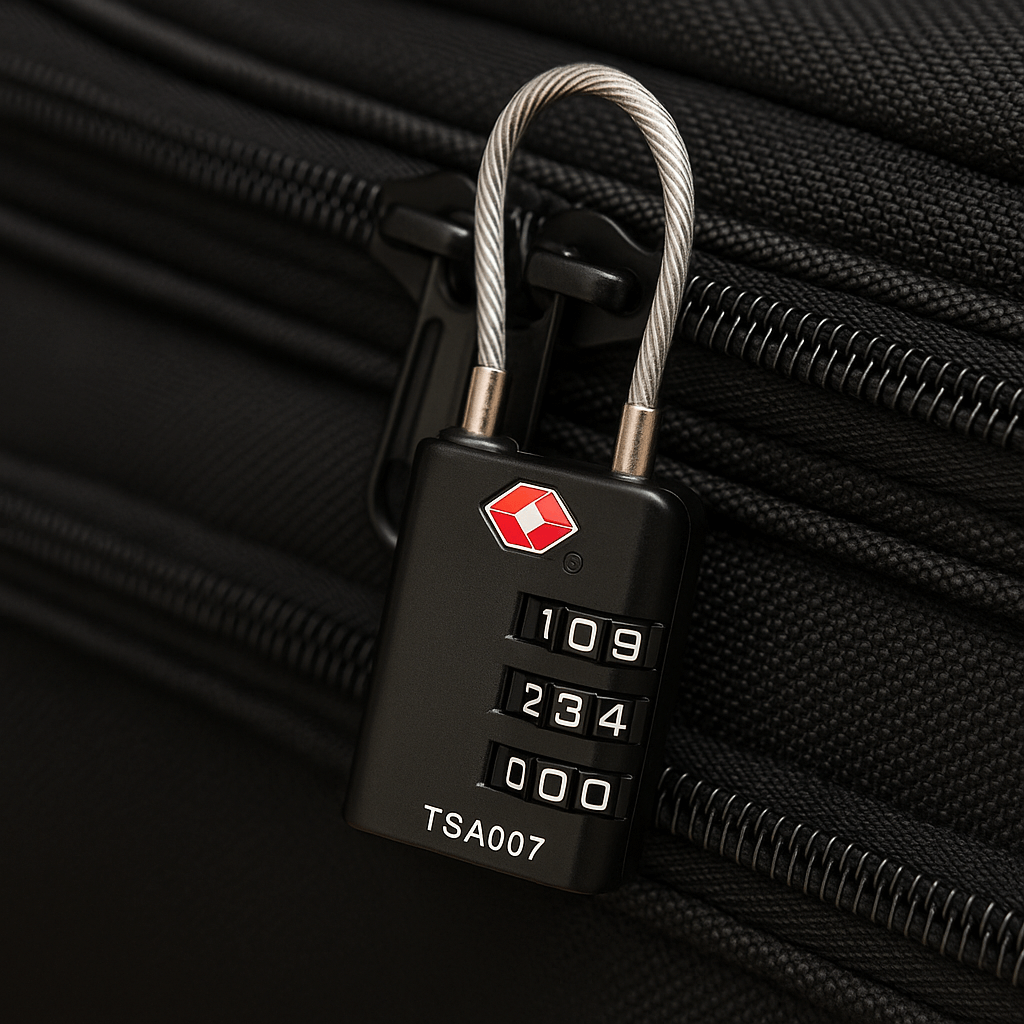
External padlocks are versatile and can be used on almost any suitcase. They provide a physical barrier by locking zippers or compartments together. You can find them in combination or keyed varieties, giving you flexibility.
If you travel to places with high theft risk, consider using a sturdy metal padlock. It’s a visible deterrent and adds an extra layer of security when your suitcase is out of sight.
Keyed Locks
Keyed locks use a traditional key rather than a code. They are simple to use but require you to keep track of the key at all times. Many travelers prefer them because they don’t have to remember a combination under stress.
However, losing your key can be a hassle. Some keyed locks come with spare keys or can be rekeyed, which is worth checking before you buy.

Credit: www.swissgear.com
Tools Needed For Lock Replacement
Changing a suitcase lock requires a few specific tools that make the job easier and ensure you don’t damage your luggage. Having the right equipment on hand saves time and frustration. Let’s look at the essential tools you’ll need for a smooth lock replacement.
Screwdrivers
Screwdrivers are key to removing the old lock and installing the new one. Most suitcase locks use small screws, so having a precision screwdriver set is helpful. A flathead and a Phillips head screwdriver usually cover the types of screws you'll encounter.
Using the correct screwdriver size prevents stripping the screws. If you’ve ever struggled with a stubborn screw, you know how important this is. Keep your screwdrivers organized and ready before you start.
Replacement Locks
Not all replacement locks are created equal. You need one that fits your suitcase’s lock slot perfectly. Measure the existing lock’s size and style before purchasing a new one.
Look for locks that come with clear installation instructions. Some locks include keys or TSA-approved features, which add convenience during travel. Choosing the right lock means you won’t have to repeat the process anytime soon.
Measuring Tools
Accurate measurement is critical when selecting a replacement lock. A simple ruler or a digital caliper can help you get precise dimensions. Measure the lock’s width, height, and the depth of the mounting area.
Without proper measuring tools, you risk buying a lock that doesn’t fit. Have you ever bought something that looked right but just didn’t fit? This step avoids that hassle and ensures a perfect fit on your first try.
Removing The Old Lock
Removing the old lock from your suitcase is the first step in installing a new one. This process requires attention to detail and patience. Careful removal helps avoid damage to the suitcase and makes the new lock fit properly. Follow these instructions for a smooth removal.
Locating Screws And Fasteners
Start by turning the suitcase to find the lock area. Look closely for small screws or fasteners holding the lock in place. These often sit near the edges of the lock. Use a flashlight if needed to see clearly.
Note the type of screws used. They can be flathead, Phillips, or Torx. This helps in choosing the right screwdriver for removal.
Careful Detachment Techniques
Use the correct screwdriver to loosen the screws gently. Turn counterclockwise and avoid using excessive force. Removing screws too quickly can strip them, making removal harder.
Keep the screws safe for reuse. Place them in a small container to avoid loss. After unscrewing, gently pull the lock away from the suitcase. If the lock sticks, wiggle it slightly to loosen without damaging the surface.

Credit: medium.com
Installing The New Lock
Installing the new lock on your suitcase is a careful process. It ensures your luggage stays secure during travel. Proper installation helps the lock work smoothly and last longer. Follow the steps below to fit the lock correctly.
Aligning Lock Components
Place the new lock in the suitcase’s lock slot. Check that the lock’s holes match the suitcase’s holes. The lock’s latch must fit inside the locking mechanism. Hold the lock steady to avoid misalignment. Small shifts can cause the lock to jam or not close.
Make sure the lock dials or keys are facing outward. This allows easy access once installed. Test the lock’s movement before securing it. Rotate the dials or test the key to confirm smooth operation.
Securing Screws Properly
Use the screws that came with the new lock. Insert each screw into the holes carefully. Tighten screws evenly to avoid bending the lock frame. Use a screwdriver that fits the screw heads well. This prevents stripping or damaging the screws.
- Do not overtighten the screws; it may crack the suitcase.
- Check that the lock stays firmly in place after tightening.
- Test the lock’s function again once screws are secure.
Secure screws maintain the lock’s stability during travel. Loose screws can cause the lock to fall out or fail.
Setting A New Combination
Setting a new combination on your suitcase lock helps keep your belongings safe. It allows you to choose a code that is easy to remember but hard for others to guess. This process usually involves knowing the default code and following specific steps to reset the lock. Learning how to create a strong combination is essential to enhance your travel security.
Default Codes And Resetting
Most suitcase locks come with a preset default code, often 000or 123. Check your lock’s manual or the manufacturer’s website for the exact code. Use this default code to open the lock before changing it.
To reset the combination:
- Set the lock to the default code.
- Press and hold the reset button or lever.
- Turn the dials to your new desired code.
- Release the reset button or lever.
- Test the new code to ensure it works.
Each lock may have a slightly different reset method. Follow the instructions carefully to avoid locking yourself out.
Tips For Creating Strong Combinations
Choose a combination that is easy for you to remember but hard for others to guess. Avoid common codes like 000, 123, or birthdays.
Try these tips:
- Use random numbers that have personal meaning only to you.
- Mix numbers that are not in a simple sequence.
- Change your code regularly for extra security.
- Write down your new code and keep it in a safe place.
Strong combinations protect your suitcase better during travels. A little effort in choosing your code pays off in peace of mind.
Testing The New Lock
Testing the new lock is a key step after changing your suitcase lock. It ensures your luggage stays secure during travel. Taking time to check the lock helps avoid problems later. Let’s explore how to test the lock properly.
Ensuring Smooth Operation
Turn the dial or key several times to check smoothness. The lock should open and close without resistance. Try locking and unlocking multiple times to confirm. Make sure the numbers line up correctly with the set code. Feel the mechanism inside; it should move freely without sticking. Test the lock on your suitcase to confirm proper fit and function.
Troubleshooting Common Issues
If the lock feels stiff or does not open, reset the code carefully. Check that the numbers match your new combination exactly. Clean the lock area from dust or debris that might block movement. Lubricate the lock with a small amount of graphite powder if needed. If the lock still jams, recheck the installation steps or try resetting again. Seek professional help if problems persist after basic fixes.
Maintenance Tips For Suitcase Locks
Maintaining your suitcase lock ensures it works smoothly and lasts longer. Locks can get stuck or damaged without care. Simple steps help keep them in top shape. Proper maintenance prevents problems during travel. Follow these tips to protect your suitcase lock.
Regular Cleaning
Dirt and dust can block the lock mechanism. Clean the lock with a soft brush or cloth. Avoid using water directly on the lock. Use a dry cloth to wipe away particles. Clean the lock after every trip to remove debris.
Lubrication Advice
Lubricate the lock to keep it moving smoothly. Use a small amount of silicone spray or graphite powder. Avoid oil-based lubricants that attract dust and dirt. Apply lubricant carefully into the keyhole and moving parts. Operate the lock a few times to spread the lubricant evenly.
Preventing Rust And Damage
Rust can cause the lock to jam or break. Store your suitcase in a dry place to avoid moisture. Wipe the lock dry if it gets wet. Use a rust inhibitor spray for metal locks. Handle the lock gently to prevent bending or breaking parts.
Frequently Asked Questions
How Do I Reset A Suitcase Lock Combination?
To reset your suitcase lock, open it using the current code. Locate the reset button or lever inside. Press or slide it while setting your new combination. Release the button to lock the new code in place. Always test the new code before closing.
Can I Change A Suitcase Lock Without The Original Code?
If you forgot the original code, try default combinations like 000. If unsuccessful, use a lock-picking tool carefully or contact the manufacturer. Avoid damaging the lock. Professional locksmith services can also help reset or replace the lock securely.
What Tools Do I Need To Change A Suitcase Lock?
Typically, no special tools are needed to change a combination lock. Some locks require a small pin or paperclip for resetting. For locks needing replacement, a screwdriver may be necessary. Always check the suitcase manual for specific instructions.
How To Replace A Broken Suitcase Lock?
First, remove the damaged lock by unscrewing it from the suitcase. Purchase a compatible replacement lock matching your suitcase’s model. Install the new lock by securing it with screws. Test the lock to ensure it functions properly before travel.
Conclusion
Changing a suitcase lock is simple and quick. Follow the steps carefully to avoid mistakes. Always choose a code you can remember easily. Regularly check the lock to ensure it works well. Secure locks help protect your belongings during travel.
Practice resetting the lock a few times before your trip. This way, you feel confident and ready. Keep your luggage safe and travel with peace of mind.