
Are you tired of bag straps that just don't hold up? Do you want to create something both functional and stylish?
Learning how to crochet a strong bag strap might be the perfect solution for you. Imagine walking confidently with a bag that not only looks great but also stands up to daily wear and tear. Crafting your own bag strap gives you control over the design, strength, and durability.
You’ll never have to worry about flimsy straps again. Let’s dive into the simple steps that will guide you in making a crochet bag strap that is as sturdy as it is beautiful. Stay with us, and discover how this small skill can make a big impact on your everyday accessories.
Choosing The Right Yarn
Choosing the right yarn is key to making a strong bag strap. The yarn must hold up to weight and daily use. It also affects the strap’s look and feel. Picking a durable yarn ensures your strap lasts long without losing shape or strength.
Consider the yarn’s material and thickness. These factors help create a strap that is both sturdy and comfortable. Focus on yarns designed for tough projects. They provide the support your bag strap needs.
Types Of Durable Yarn
- Cotton:Strong and breathable. Holds shape well and resists stretching.
- Nylon:Very tough and elastic. Great for heavy loads and rough use.
- Polyester:Durable and water-resistant. Good for outdoor bags.
- Acrylic:Affordable and sturdy. Resists wear and fading.
- Blended Yarn:Combines fibers for extra strength and softness.
Color And Texture Options
- Solid Colors:Clean and classic look. Easy to match with any bag.
- Variegated Yarn:Adds color shifts for a unique style.
- Textured Yarn:Gives a rich, tactile feel. Adds interest to the strap.
- Matte or Shiny:Matte for subtle style. Shiny for a bold finish.
- Thick vs. Thin:Thicker yarn builds a strong strap. Thinner yarn offers delicate detail.
Selecting The Best Hook Size
Choosing the right hook size is a key step in making a strong bag strap. The hook you pick directly affects how tight or loose your stitches will be, which in turn influences the durability of the strap. Getting this balance right can save you from straps that stretch out too easily or feel too stiff to use comfortably.
Matching Hook To Yarn Thickness
Each yarn has a recommended hook size that helps maintain the right stitch tension. If you use a hook that's too big for your yarn, your stitches will be loose and floppy. This makes the strap less sturdy and more prone to sagging over time.
On the other hand, a hook that's too small will create very tight stitches. While tight stitches can add strength, they might also make the strap stiff and uncomfortable to carry. Pay attention to the yarn label as a starting guide, but don’t hesitate to try a hook size up or down to find the perfect fit for your project.
Impact On Strap Strength
The strength of your bag strap depends heavily on stitch firmness. Straps with evenly tight stitches resist stretching and wear better over time. Loose stitches create gaps that weaken the fabric and reduce support for heavy loads.
Think about how you plan to use the bag. Will it carry heavy items or just light essentials? Choosing a slightly smaller hook than recommended often results in a denser, stronger strap. But if the strap feels too stiff, try going up one size to add some flexibility without losing durability.
Have you noticed how your straps behave after a few weeks of use? Adjusting hook size in your next project might be the simple fix you need to improve both comfort and strength.
Essential Crochet Stitches
Crochet stitches form the foundation of a strong bag strap. Choosing the right stitch affects the strap's strength and feel. Some stitches create tight, solid fabric. Others offer flexibility or decorative texture. Knowing essential stitches helps you craft a strap that lasts and looks good.
Single Crochet For Solidity
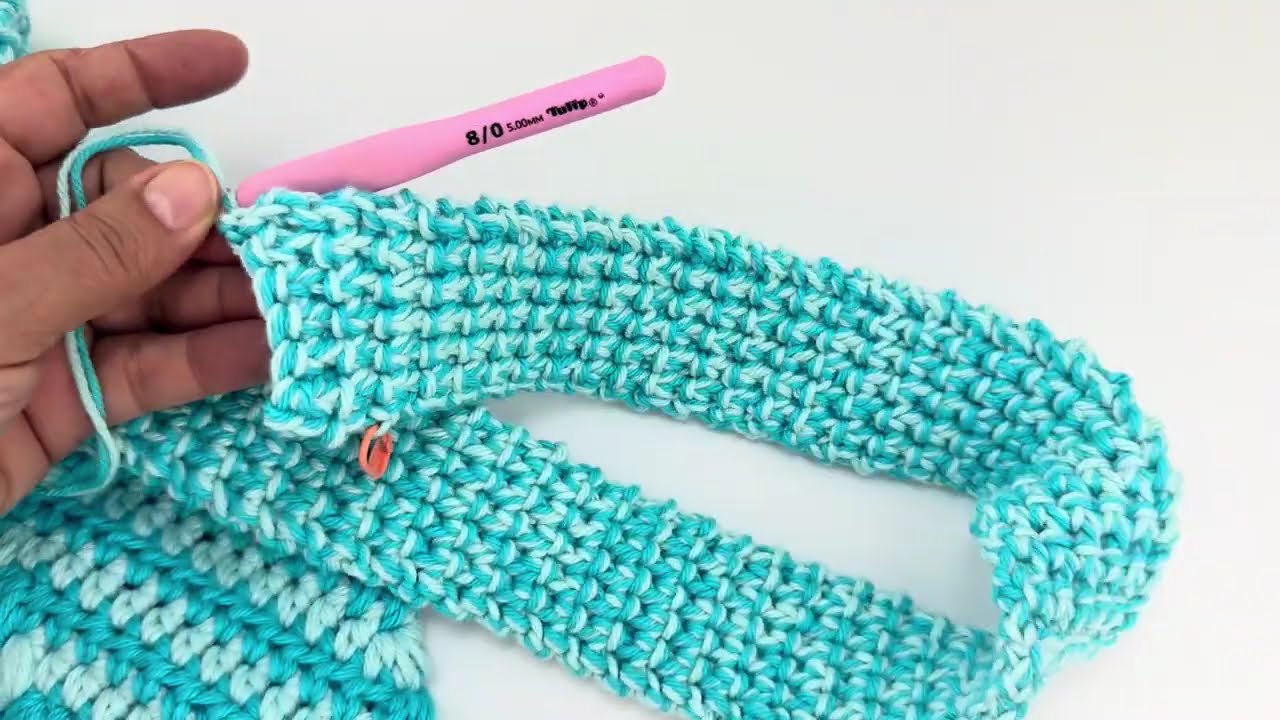
The single crochet stitch is tight and dense. It creates a firm fabric that holds shape well. This stitch offers great strength for bag straps. It resists stretching and wears nicely over time. Beginners find it easy to learn and work evenly.
Half Double Crochet For Flexibility
Half double crochet adds a bit of stretch. It balances strength with softness. This stitch is thicker than single crochet but less stiff. It gives the strap slight flexibility without losing durability. Ideal for comfortable straps that need gentle give.
Double Crochet For Texture
Double crochet stitches are taller and looser. They build a light, textured fabric. This stitch adds visual interest to straps. It creates space between stitches for breathability. Best used with a sturdy yarn to maintain strength.

Credit: www.youtube.com
Techniques For Reinforcement
Creating a strong bag strap means focusing on reinforcement techniques that make your strap durable and long-lasting. Strength doesn’t just come from the yarn you choose but also how you crochet it. Adding layers, controlling tension, and mixing in supportive threads can dramatically improve your strap’s ability to hold weight and withstand wear.
Adding Extra Layers
Adding extra layers to your strap provides bulk and strength. You can crochet two or three thin strips separately and sew them together, or simply crochet a double-thick strap by working back and forth over the same row. Think about how a thicker strap feels sturdier in your hands—that’s the kind of reinforcement you’re aiming for.
Try doubling the yarn and crocheting as if it were one strand; this adds thickness without much extra work. Have you noticed how straps with more layers rarely stretch out or snap? That’s because the layers share the load, making the whole piece tougher.
Using Tight Tension
Tight tension means pulling your yarn snugly while crocheting. This reduces gaps between stitches and makes the fabric denser. A dense strap resists stretching and holds its shape better, which is key for carrying heavy items.
Be mindful not to pull too tight to avoid hand strain or a stiff strap. Find a balance that keeps your stitches close but still flexible. Imagine a strap that sags after a week—using tighter tension helps you avoid that problem.
Incorporating Supportive Threads
You can strengthen your strap by adding a supportive thread like nylon or cotton twine inside the yarn. Crochet around this thread so it runs through the strap’s length, providing extra backbone without changing the look.
This technique gave me surprising results when I added a thin fishing line into my strap. It stayed firm and never showed signs of wear, even after months of daily use. What type of thread could you add to make your strap both strong and flexible?
Designing Stylish Patterns
Designing stylish patterns for a crochet bag strap adds personality and charm. Patterns can make a plain strap look unique and eye-catching. Experimenting with colors and textures creates a strap that complements your bag perfectly.
Stripes And Color Blocking
Stripes are simple yet effective for a bold look. Use two or more colors in alternating rows or rounds. Color blocking involves large sections of solid colors. Combine contrasting shades for a modern feel. Both methods add visual interest without complex stitches.
Textured Stitch Patterns
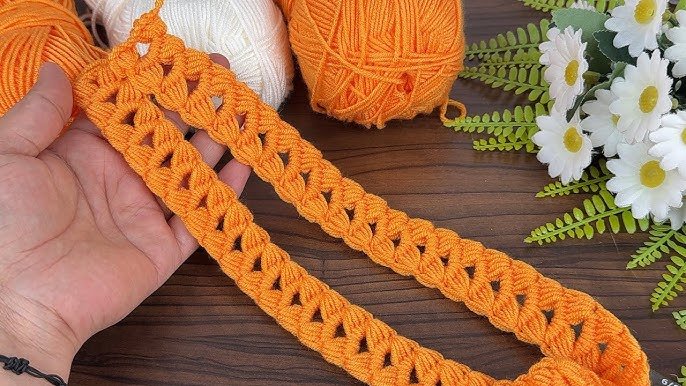
Textured stitches give depth and strength to the strap. Try stitches like bobbles, popcorns, or cables. These stitches create raised patterns that are fun to touch and see. Textures make the strap thicker and more durable for carrying heavy bags.
Embellishments And Accents
Add beads, buttons, or small charms to your strap. These accents enhance the design and add sparkle. Sew or crochet embellishments securely to avoid loss. Embellishments personalize your strap and make it stand out in style.
Measuring And Sizing The Strap
Getting the right measurements for your crochet bag strap is key to making it both strong and comfortable. If the strap is too short, it won’t fit well; too long, and it might feel awkward or pull on your shoulder. Taking precise measurements helps you create a strap that suits your style and daily use perfectly.
Determining Ideal Length
Start by thinking about how you usually carry your bag. Do you prefer it close to your body or hanging low at your hip? Measure from the point where the strap will attach on one side, over your shoulder, to the attachment point on the other side.
If you don’t have a finished bag yet, use a piece of string or ribbon to test different lengths. This simple trick saved me from making a strap too short on a project last year. Remember, the ideal length varies depending on the bag style and your height.
Width For Comfort And Strength
The strap’s width affects both comfort and durability. A narrow strap might dig into your shoulder, especially if your bag is heavy. On the other hand, a very wide strap could look bulky or out of proportion with a small bag.
Try to balance these factors by choosing a width that feels comfortable when you hold your bag. I usually go for a strap around 1.5 to 2 inches wide for everyday bags. This width provides enough support without feeling heavy.
Think about the yarn or thread thickness too—thicker yarn adds strength, but it can make the strap stiff. Testing a small swatch can help you decide the best width and material for your needs.
Attaching The Strap Securely
Attaching the strap securely is crucial for making a strong, durable crochet bag that holds up under daily use. A flimsy connection can cause your beautiful project to fail quickly. You want your strap to feel sturdy every time you pick up the bag, so the attachment technique matters just as much as the strap itself.
Types Of Bag Attachments
You have several options to attach your crochet strap to the bag body, each offering different levels of strength and style.
- Sewn-on straps:Using a needle and thread to stitch the strap directly to the bag’s fabric or crochet body.
- Metal hardware:Adding rings, clasps, or D-rings to clip the strap on and off, which gives flexibility and extra support.
- Loop and button:Creating a loop on the strap and securing it with a button or toggle on the bag.
- Crocheted joins:Connecting the strap by crocheting it directly into the bag’s edge or handles for a seamless look.
Which attachment suits your bag depends on the style and how much weight it will carry. Think about whether you want a permanent or removable strap and how often you expect to use the bag.
Sewing Vs. Crocheting Connections
Sewing the strap on feels more secure if you use strong thread and tight stitches. It’s easier to reinforce weak points by going over the same spot multiple times. I once attached a strap by sewing and found it held up well even with heavy books inside the bag.
Crocheting the strap directly onto the bag blends the strap and body together, creating a neat, continuous look. However, this method requires tight tension and careful stitch choice to avoid gaps or looseness. If your stitches are too loose, the strap can stretch out or pull away.
Which should you choose? If you want a clean finish and feel confident in your crochet tension, attaching by crocheting works beautifully. But if you’re after maximum durability and don’t mind a bit of sewing, stitching the strap on is a safe bet.
Have you tried both methods before? Which gave your bag the strongest hold? Consider testing on a small swatch before committing to the full project—it can save you headaches later.
Credit: www.youtube.com
Caring For Your Crochet Strap
Caring for your crochet strap ensures it stays strong and looks great over time. Proper attention can prevent wear and tear that weakens the fibers or distorts the shape. The way you clean and maintain your strap makes a big difference in its durability and appearance.
Cleaning Tips
Always hand wash your crochet strap using cool water and a gentle detergent. Avoid hot water, which can shrink or damage the yarn fibers.
Do not wring or twist the strap. Instead, gently press out excess water by laying it flat between towels.
If your strap has stubborn stains, soak it briefly in a mixture of water and mild soap. Then rinse thoroughly to remove all soap residues.
Maintaining Shape And Durability
Store your crochet strap flat or rolled loosely to prevent stretching or misshaping. Hanging it for long periods can cause it to stretch out.
Check the strap regularly for loose threads or weak spots. Repairing small issues early keeps the strap strong and extends its life.
Have you noticed your strap getting floppy or less supportive? Adding a fabric lining or reinforcing with a thin leather strip inside can help maintain firmness without bulk.

Credit: www.youtube.com
Frequently Asked Questions
What Materials Make A Strong Crochet Bag Strap?
Using durable yarns like cotton, nylon, or leather strips ensures strength. Choose thicker yarns and sturdy hooks for a lasting strap.
How To Crochet A Strap That Supports Heavy Weight?
Use tight stitches like single crochet or half double crochet. Reinforce with multiple strands or a lining for extra support.
Which Stitch Patterns Create The Strongest Crochet Straps?
Dense stitches such as single crochet or woven ribbing provide firmness. Avoid loose or open stitches to enhance strap durability.
How Long Should A Crochet Bag Strap Be?
Measure the desired drop length based on bag style and user preference. Standard straps range from 20 to 30 inches.
Conclusion
Creating a strong bag strap is easier than it seems. Use thick yarn and tight stitches for durability. Choose patterns that add strength and style. Practice makes your strap sturdier and more comfortable. A well-made strap holds weight without stretching or breaking.
Keep your tools ready and follow steps carefully. Enjoy your unique, handmade strap every day. Crocheting builds skills and confidence, piece by piece. Try different colors and textures to match your style. Keep crafting and wear your creations proudly.