
Are you tired of the clutter that plastic bags create in your home? Imagine opening a drawer or cupboard and finding it neatly organized, with every plastic bag perfectly folded and ready for reuse.
By learning how to fold a plastic bag efficiently, you can reclaim your space and keep your home tidy. This simple, yet often overlooked, task can transform the way you manage your household. You’re about to discover a quick, easy method that will not only help reduce waste but also make your life more organized.
Stick with us, and we'll show you the exact steps to achieve this level of order and convenience. Your journey to a clutter-free home starts now!

Credit: www.amazon.com
Benefits Of Folding Plastic Bags
Folding plastic bags offers many practical benefits. It keeps your space neat and tidy. It also helps reduce waste and protect the environment. Organizing your bags becomes easier and faster. These simple habits improve daily life in small ways.
Space Saving Tips
Folded bags take up less room than loose ones. You can store many bags in a small container. Drawers and shelves stay clutter-free. This makes your kitchen or closet look cleaner and more open. Saving space helps you find things quickly and avoid mess.
Environmental Impact
Keeping plastic bags folded encourages reuse. It prevents bags from becoming trash or litter. Reusing bags lowers the need for new plastic production. This reduces pollution and saves resources. Small acts like folding bags add up to big environmental benefits.
Organizing Efficiency
Folded bags stack neatly and stay in place. No more digging through a jumbled pile. You can grab a bag fast when needed. It reduces frustration and saves time. Organized bags also remind you to carry them, cutting down on single-use plastic waste.
Credit: household-tips.thefuntimesguide.com
Materials Needed
Folding a plastic bag neatly requires just a few simple materials. These materials help keep the bag compact and ready for reuse. Understanding what you need makes the process smooth and efficient.
Types Of Plastic Bags
Different plastic bags fold differently. Common types include:
- Grocery bags – thin, lightweight, and flexible
- Trash bags – larger and thicker
- Ziplock bags – small and resealable
- Produce bags – very thin and soft
Choose a bag type that fits your folding purpose. The folding method may change based on the bag’s size and material.
Additional Tools
Folding plastic bags usually needs no special tools. Your hands are often enough.
Sometimes, these simple tools help:
- Flat surface – to press and fold evenly
- Rubber bands – to keep the folded bag tight
- Clips or small ties – to secure the fold
These tools make storing and carrying bags easier. They also prevent the bags from unfolding unexpectedly.
Step-by-step Folding Methods
Folding plastic bags neatly can save space and reduce clutter in your kitchen or car. It also makes them easier to reuse or recycle without the frustration of tangled messes. Below are simple, effective folding methods that anyone can master quickly.
Basic Fold
Lay the plastic bag flat on a clean surface, smoothing out any wrinkles or air pockets.
Fold the bag in half lengthwise, aligning the handles and bottom edges.
Then fold it in half again, making a compact rectangle that fits easily into a drawer or container.
This straightforward fold is perfect if you need a quick way to tidy up your bags without extra steps.
Compact Roll
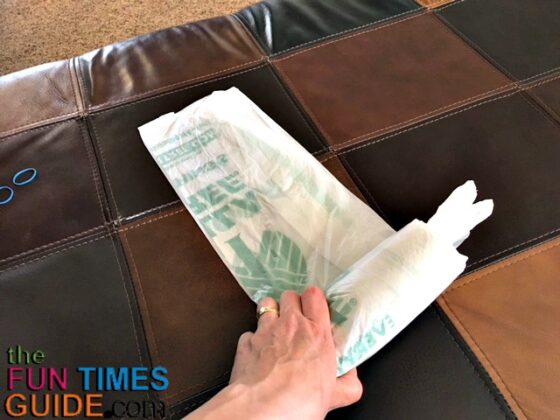
Start by flattening the bag and folding the handles toward the center.
Fold the bag lengthwise into a narrow strip, about 2 to 3 inches wide.
Roll tightly from the bottom to the handles, creating a small, dense roll that won’t unravel.
This method is great for carrying bags in your purse or glove compartment—have you ever fumbled for a bag only to find a bulky mess?
Triangle Fold
Spread the bag flat and fold one corner diagonally to form a triangle.
Keep folding the triangle over itself, moving along the length of the bag until you reach the handles.
Tuck the handles inside the final fold to secure the shape.
This technique makes a compact, tidy triangle that fits well in pockets or small spaces. Have you tried folding your bags this way to keep them ready for unexpected errands?
Storing Folded Bags
Storing folded plastic bags neatly saves space and keeps them easy to find. Proper storage prevents clutter and makes reuse simple. Organizing bags well helps keep your home tidy and eco-friendly.
Containers And Holders
Use small containers or holders to keep bags in one place. Clear containers help you see how many bags you have. Choose containers that fit your storage space, like baskets or jars.
- Use a small box or bin for easy access.
- Try a hanging holder to save drawer space.
- Repurpose old tissue boxes for a neat dispenser.
Drawer Organization
Drawers offer a hidden, clean space for folded bags. Use dividers or small bins inside drawers to separate bags. This stops bags from mixing with other items.
- Fold bags tightly to fit more in the drawer.
- Label sections to keep different bag types separate.
- Keep bags near the kitchen or entryway for quick use.
Travel Tips
Folded bags are perfect for travel and daily errands. Carry a small pouch or zip bag to hold them. This keeps bags compact and ready for use anytime.
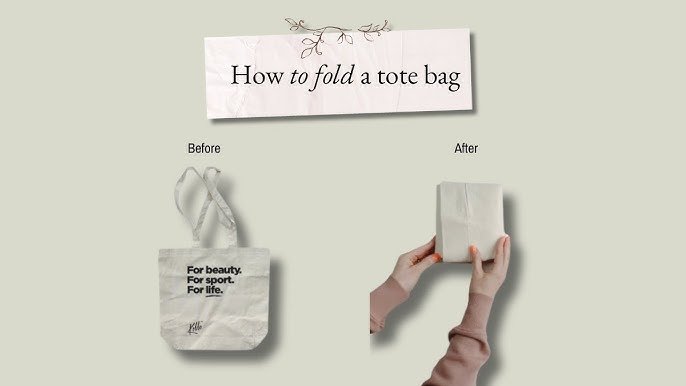
- Use reusable bags that fold into small squares.
- Store them in your purse, backpack, or car glove box.
- Keep a few folded bags in your office or gym bag.
Creative Uses For Folded Bags
Folded plastic bags have many creative uses beyond simple storage. Their compact size and durability make them perfect for various tasks around the home and office. Using folded bags wisely helps reduce waste and keeps spaces tidy.
Craft Projects
Folded plastic bags work well in craft projects. They can be woven into baskets or mats. Kids can use them to make colorful decorations or bracelets. The bags add texture and color without extra cost. Crafting with bags also teaches recycling and creativity.
Reusable Options
Folded bags are great for reuse during shopping trips. Keep a few in your purse or car. They take up little space and unfold easily. Using these bags cuts down on buying new ones. It saves money and helps the environment.
Emergency Uses
Folded plastic bags come in handy during emergencies. They can protect items from water or dirt. Use them as makeshift gloves or shoe covers. Bags can also hold small first-aid supplies. Having folded bags ready prepares you for unexpected situations.

Credit: parade.com
Frequently Asked Questions
How Do You Start Folding A Plastic Bag?
Begin by laying the bag flat on a surface. Smooth out wrinkles and fold it lengthwise into a long rectangle for neatness.
What Is The Best Way To Fold A Plastic Bag?
Fold the bag lengthwise twice, then fold from the bottom into a small square. This keeps it compact and tidy.
How Can Folding Plastic Bags Save Space?
Folding bags neatly reduces bulk and helps organize storage areas. It makes bags easier to stack or store in containers.
Can Folded Plastic Bags Be Reused Efficiently?
Yes, folded bags are easier to carry and reuse. They stay cleaner and untangled, which extends their usability.
Conclusion
Folding a plastic bag saves space and keeps things tidy. It also helps reduce waste and makes reuse easier. With just a few simple steps, anyone can fold bags neatly. Practice a couple of times to get faster. Keep your bags organized for quick access later.
Small efforts like this help the environment a lot. Try folding your bags today and notice the difference. Simple habits can lead to big changes over time.