
Imagine transforming your small space into a lush garden of vibrant lima beans, all with just a simple bag. Yes, you read that right!
Growing lima beans in a bag is not only possible but also incredibly rewarding. Whether you're a seasoned gardener or a curious beginner, this innovative method is perfect for you. Picture yourself harvesting fresh, green beans right from your balcony or patio.
Intrigued? You should be! This guide will reveal the secrets to successfully growing lima beans in a bag, ensuring you enjoy a bountiful harvest without the need for a traditional garden. Keep reading to unlock the full potential of your green thumb with this easy and efficient gardening technique.

Credit: savvygardening.com
Choosing The Right Lima Beans
Choosing the right lima beans is the first crucial step to successfully growing them in a bag. The type and quality of seeds you pick will directly affect how well your plants grow and how abundant your harvest will be. Knowing what options are available and how to identify good seeds can save you time and disappointment.
Types Of Lima Beans
Lima beans come in different varieties, and each has unique features that might suit your growing space and climate better.
- Baby Lima Beans:These are smaller, tender, and often sweeter. They mature faster, which is great if you want a quick harvest.
- Fordhook Lima Beans:Larger seeds with a creamy texture. They need a bit more room and time to grow but offer a rich flavor.
- Christmas Lima Beans:Known for their speckled appearance, these beans add visual interest and have a nutty taste.
Choosing the right type depends on your taste preferences and how much space your bag allows. Have you thought about whether you want quick results or a bigger, more flavorful bean?
Selecting Quality Seeds
Not all seeds are created equal. Picking healthy, viable seeds is key to getting strong plants.
- Look for seeds that are firm and plump with no cracks or discoloration.
- Choose seeds from a trusted supplier who guarantees freshness and germination rates.
- Consider buying organic or untreated seeds to avoid chemicals that might affect growth.
I once tried planting old seeds that looked fine but barely sprouted. That experience taught me to always check the seed's age and source before planting.
How confident are you about the seed quality you have? Taking a moment to inspect them can improve your chances of a thriving lima bean crop.

Credit: www.reddit.com
Preparing The Planting Bag
Preparing the planting bag is a crucial step to ensure your lima beans have the best environment to thrive. The right bag can influence root growth, moisture retention, and overall plant health. Taking time to prepare the bag properly sets the stage for a successful harvest.
Selecting The Bag Material
Choose a bag that is durable but breathable. Fabric grow bags work well because they allow excess air to reach the roots, preventing root rot.
Plastic bags can hold moisture but risk waterlogging unless properly managed. If you use plastic, make sure it’s thick enough to avoid tearing but consider lining it with a breathable material.
Think about the size too; a bag about 10-15 gallons gives lima beans enough room to spread their roots.
Drilling Drainage Holes
Drainage is essential to avoid soggy soil that can kill your beans. If your bag doesn’t already have holes, drill or poke several small holes at the bottom and sides.
Make sure holes are evenly spaced to allow water to escape freely. Too few holes might trap water, while too many could dry the soil out quickly.
Test drainage by adding water and watching how quickly it drains. Adjust hole size or number if water pools inside.
Filling With Suitable Soil
Use a lightweight, well-draining potting mix rather than garden soil. A mix rich in organic matter supports healthy root growth and retains moisture without becoming compacted.
You can enhance the mix by adding perlite or vermiculite to improve aeration. Avoid heavy soils that can suffocate roots.
Filling the bag loosely allows roots to expand and access air. Firm the soil gently but don’t pack it tight—your lima beans will thank you for it.
Planting Lima Beans
Planting lima beans in a bag is a simple way to enjoy fresh beans even if you lack garden space. Getting the planting right is key to a healthy, productive plant. Understanding how to prepare your seeds, space them properly, and pick the perfect time to plant will set you up for success.
Soaking Seeds Before Planting
Soaking lima bean seeds before planting helps speed up germination. Place your seeds in warm water for about 8 to 12 hours. This softens their tough outer shell, making it easier for the seed to sprout.
After soaking, drain the water and plant the seeds right away. Don’t soak them for too long, or they might start to rot. Have you noticed how much faster sprouting happens after soaking? It really makes a difference in a small space like a bag.
Sowing Depth And Spacing
Plant your lima bean seeds about 1 to 1.5 inches deep in the soil-filled bag. This depth protects the seed while allowing it to break through the surface easily.
Space the seeds roughly 3 inches apart to give each plant enough room to grow. Crowding can cause poor airflow and weak plants. If you’re using a smaller bag, limit the number of seeds to avoid competition for nutrients.
Ideal Planting Time
Plant lima beans after the last frost date in your area. These beans thrive when the soil temperature is at least 60°F (16°C).
Warm soil encourages strong root development and faster growth. Are you checking local frost dates and soil temps before planting? This step is often overlooked but can affect your harvest significantly.
Watering And Feeding
Proper watering and feeding are key to growing healthy lima beans in a bag. The right balance helps roots develop well and plants stay strong. Too little water or nutrients can stunt growth. Too much can cause problems. Understanding how often to water and what fertilizers to use keeps plants thriving.
Watering Frequency
Lima beans need consistent moisture but not soggy soil. Water the bag when the top inch feels dry. Usually, this means watering every 2 to 3 days. Check daily during hot weather. Use your finger to test soil dampness. Avoid letting the soil dry out completely.
Using Fertilizers
Feed lima beans with a balanced fertilizer to support growth. Choose one with equal parts nitrogen, phosphorus, and potassium. Apply a diluted liquid fertilizer every 2 weeks. Avoid strong fertilizers that can burn roots. Organic options like compost tea work well too.
Avoiding Overwatering
Too much water can drown roots and cause rot. Ensure the bag has drainage holes to let excess water escape. Water slowly and evenly. Stop watering if the soil feels wet or smells moldy. Overwatering invites pests and weakens plants.
Providing Proper Light And Temperature
Providing your lima beans with the right light and temperature is crucial for healthy growth, especially when you're growing them in a bag. These factors directly affect how well your plants photosynthesize and develop, influencing the size and quality of your bean harvest. Paying attention to these details can make the difference between a thriving mini garden and a struggling one.
Sunlight Requirements
Lima beans need plenty of sunlight to grow strong and produce pods. Aim for at least 6 hours of direct sunlight each day. If you don’t have a sunny window, consider placing the bag outside during the warmer hours or using a grow light to mimic natural conditions.
Too little light can cause your plants to become leggy and weak. On the other hand, too much intense afternoon sun might scorch the leaves, especially if your bag is in a very hot spot. Watch your plants daily—if the leaves look pale or droopy, try moving the bag to a spot with gentler morning light.
Temperature Range For Growth
Lima beans thrive best in warm conditions, typically between 70°F and 85°F (21°C to 29°C). Temperatures below 50°F (10°C) slow down growth and can damage young plants, while temperatures above 90°F (32°C) may stress them and reduce pod formation.
Consider where you place your bag to maintain this temperature range. Indoors near a sunny window often works well, or outdoors during the right season. If nights get chilly, you can cover the bag with a light cloth to keep warmth in without blocking light.
Have you noticed your lima beans acting sluggish or wilting? Check if the temperature or light might be off. Small adjustments here can lead to big improvements in your bean crop’s health and yield.
Supporting Plant Growth
Supporting the growth of lima bean plants helps them stay healthy and produce more beans. Lima beans grow vines that need support to avoid breaking or sprawling on the ground. Proper support also improves air circulation, reducing the risk of disease. Using simple tools and regular care, you can keep your plants strong and productive.
Using Stakes Or Trellises
Place stakes or trellises near your lima bean bag. Use bamboo sticks or wooden stakes about 3 feet tall. Tie the main stems gently to the stakes with soft twine. A trellis made of wire or string gives more space for vines to climb. This support helps plants grow upward, saving space and making harvesting easier.
Pruning Tips
Prune your lima bean plants to keep them healthy. Remove dead or yellow leaves to improve airflow. Pinch off small side shoots that don’t produce flowers or beans. This directs the plant’s energy to growing strong main stems and pods. Do pruning carefully to avoid hurting the plant.
Managing Pests And Diseases
Managing pests and diseases is key to keeping your lima bean plants healthy and productive, especially when growing them in a bag. Since space is limited, any infestation or infection can spread quickly, threatening your entire crop. Staying alert and acting fast can save your plants and ensure a good harvest.
Common Pests
You might notice aphids, spider mites, and bean beetles attacking your lima beans. Aphids cluster on the underside of leaves, sucking sap and causing leaves to curl. Spider mites create tiny webs and leave yellow speckles on the leaves. Bean beetles chew holes in leaves, which weakens the plant.
Have you ever seen small green bugs or tiny webs on your bean leaves? These are signs of pest activity that need immediate attention.
Natural Pest Control Methods
Use a strong spray of water to knock off aphids and spider mites from your plants. Introducing ladybugs can help as they feast on aphids naturally. You can also spray a mixture of water and mild soap to deter pests—just test it on a small leaf first to avoid damage.
Keep your growing bag clean and remove any fallen leaves or debris. This removes hiding spots for pests and reduces their chances of multiplying. Rotate your crops or change the soil mix in the bag every season to prevent pest buildup.
Disease Prevention
Diseases like root rot and powdery mildew can develop if your bag stays too wet or lacks proper air circulation. Make sure your bag has good drainage holes and avoid overwatering. Water your plants early in the day so leaves dry quickly, reducing fungal risks.
Check your plants regularly for yellowing leaves or white powdery spots, which signal disease. Remove affected leaves immediately to stop the spread. Using a natural fungicide like neem oil can also protect your plants without harmful chemicals.
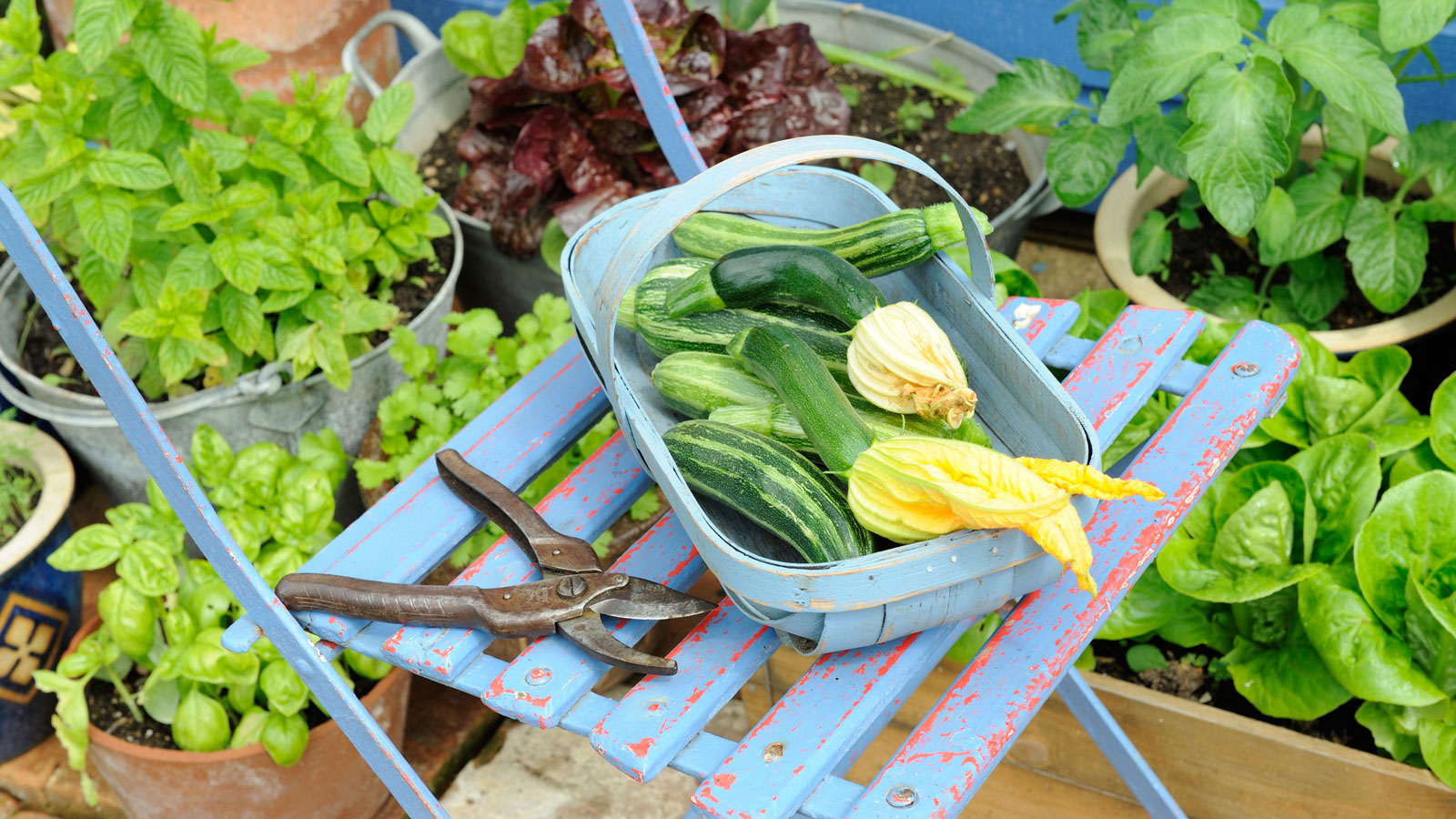
Credit: www.homesandgardens.com
Harvesting Lima Beans
Harvesting lima beans grown in a bag is a rewarding experience that lets you enjoy fresh, homegrown produce right at your fingertips. Knowing exactly when and how to pick your beans ensures the best flavor and texture. Careful handling during harvest preserves the quality and extends the shelf life of your beans.
Identifying Maturity
Look closely at the pods before you start picking. Mature lima beans have plump pods that feel full and firm to the touch. If the pods are still flat or soft, they need more time to grow.
Check the color too; healthy lima bean pods are usually a vibrant green. Yellowing pods often mean they are overripe or starting to dry out. You want to catch them just before that stage for the best taste.
Proper Harvesting Techniques
Use your fingers or small scissors to gently snip the pods from the plant. Avoid pulling the pods off by hand, as this can damage the plant and reduce future yields.
Harvest on a dry day if possible. Wet pods are harder to handle and can promote mold during storage. Handle the pods carefully to prevent bruising or crushing.
Storage Tips
After harvesting, remove any damaged or discolored pods to prevent spoilage. Store fresh lima beans in a breathable bag or container in the refrigerator to keep them crisp for up to a week.
If you want to keep them longer, blanch the beans in boiling water for a few minutes, then freeze them. This locks in flavor and nutrients, giving you fresh-tasting beans months later.
Troubleshooting Common Issues
Growing lima beans in a bag is simple but can have a few hiccups. Troubleshooting common issues helps keep your plants healthy. Knowing the signs and solutions saves time and effort.
Yellowing Leaves
Yellow leaves often mean too much water or poor drainage. Make sure the bag has holes for water to escape. Overwatering can drown roots and stop nutrients from reaching leaves. Check soil moisture regularly and water only when dry.
Lack of nutrients also causes yellow leaves. Use a balanced, gentle fertilizer to feed your plants. Avoid strong chemicals that can harm young beans.
Poor Germination
Seeds may not sprout due to old or low-quality seeds. Always use fresh seeds for better results. Soaking seeds in warm water for a few hours before planting helps speed germination.
Planting depth matters. Plant seeds about one inch deep in the bag. Too deep or too shallow stops sprouts from growing. Keep the bag warm and moist but not soaked.
Slow Growth
Slow growth can happen if plants do not get enough sunlight. Lima beans need at least six hours of light daily. Place the bag near a sunny window or outside if possible.
Soil quality affects growth. Use loose, rich soil that drains well. Poor soil makes it hard for roots to spread. Fertilize lightly every two weeks to support steady growth.
Frequently Asked Questions
How Do I Start Growing Lima Beans In A Bag?
Begin by choosing a breathable bag with drainage holes. Fill it with nutrient-rich soil. Plant lima bean seeds about 1 inch deep. Water thoroughly and place the bag in sunlight. Keep soil moist for optimal growth.
What Soil Type Is Best For Lima Beans In Bags?
Use well-draining, loamy soil rich in organic matter. Avoid heavy clay or sandy soils. Good soil ensures proper root development and nutrient uptake. Adding compost improves fertility and moisture retention.
How Often Should I Water Lima Beans In A Bag?
Water lima beans when the top inch of soil feels dry. Ensure soil stays consistently moist but not waterlogged. Overwatering can cause root rot, while underwatering stresses the plants.
Can Lima Beans Grow Indoors In Bags?
Yes, lima beans grow well indoors with sufficient light. Place the bag near a sunny window or use grow lights. Maintain warm temperatures and proper watering for healthy plants.
Conclusion
Growing lima beans in a bag is simple and fun. You need good soil, water, and sunlight. Watch your plants every day for signs of growth. This method saves space and works well for small gardens. You can enjoy fresh lima beans at home.
Give it a try and see how easy gardening can be. Keep learning and enjoy the process. Growing your own food feels great!