


You're getting ready for your next big adventure, and one thing’s for sure—you need to pack smart. But before you start tossing clothes into your suitcase, there’s one crucial step you can’t overlook: measuring your checked bag.
Airlines have strict size limits, and if your bag doesn’t meet them, you could face unexpected fees or, worse, a packing dilemma at the airport. Imagine the stress of having to rearrange or repack your belongings at the last minute.
Not fun, right? That's why knowing how to measure your checked bag correctly is essential. Stick with us, and you’ll learn simple, foolproof ways to ensure your luggage is just the right size, saving you time, money, and a whole lot of hassle.

Checked Bag Size Limits
Checked bag size limits set clear rules for your luggage. Airlines want bags to fit in their cargo space easily. Knowing these limits helps avoid extra fees or hassles at the airport. Size limits include both dimensions and weight. Understanding these rules makes travel smoother and stress-free.
Standard Airline Dimensions
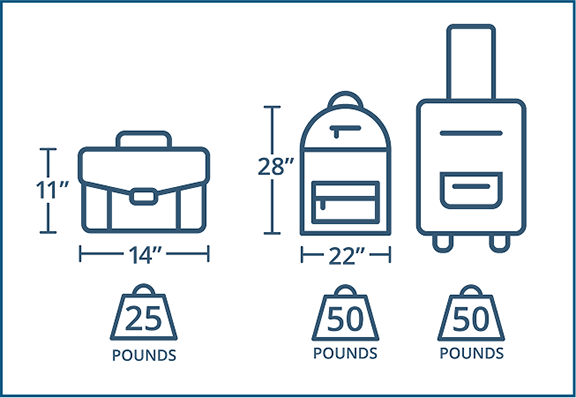
Most airlines use a size limit of 62 inches total. This means length + width + height must not pass 62 inches. For example, a bag could be 27 inches tall, 20 inches wide, and 15 inches deep. Adding them gives 62 inches exactly. Bags larger than this often need extra fees.
Weight Restrictions To Know
Airlines also limit how heavy checked bags can be. The common maximum is 50 pounds (23 kilograms). Some airlines allow up to 70 pounds for certain tickets. Overweight bags may cost extra money or need repacking. Always weigh your luggage before arriving at the airport.
Variations By Airline
Each airline may have slightly different rules. Some budget airlines have smaller size limits. Others allow heavier bags for business or first class passengers. International flights sometimes have different rules than domestic flights. Check your airline’s website before packing your bags.
Tools For Measuring Your Bag
Measuring your checked bag correctly helps avoid extra fees at the airport. The right tools make this task simple and accurate. You can use common household items or specialized tools. Choose what fits your needs and available resources.
Using A Measuring Tape
A measuring tape is the best tool to measure your bag’s length, width, and height. Soft, flexible tapes work well on curved surfaces. Lay your bag flat and measure each dimension carefully. Write down the numbers to compare with airline rules.
Alternative Measuring Tools
If you do not have a measuring tape, try these options:
- A ruler or yardstick for smaller bags
- A piece of string or cord, then measure it with a ruler
- A folding meter stick, often found in toolkits
These tools can give a close estimate if used correctly. Make sure to measure all sides to avoid surprises.
Weighing Your Luggage Accurately
Weight matters as much as size. Use a digital luggage scale for precise weight. Hang your bag on the scale handle and read the display. Avoid bathroom scales; they often show wrong results. Knowing the weight helps you pack smart and stay within limits.
Step-by-step Measuring Guide
Measuring your checked bag accurately can save you from unexpected fees and last-minute repacking stress at the airport. This guide breaks down the process into clear, manageable actions so you can double-check your luggage with confidence. Let’s focus on the key dimensions and weight limits that airlines care about most.
Measuring Length, Width, And Height
Start by placing your bag on a flat surface. Use a tape measure or a ruler to check the three main dimensions:
- Length:Measure from one end of the bag to the other along its longest side.
- Width:Measure across the bag at its widest point.
- Height:Measure from the base to the top, including wheels and handles if they don’t retract.
Include all protrusions because airlines count everything that sticks out. Have you ever been surprised by a handle or wheel adding extra inches? Avoid that by measuring carefully.
Checking The Weight Limit
Next, weigh your bag using a luggage scale or a regular bathroom scale. Weighing your suitcase before you leave helps you avoid last-minute repacking or paying overweight fees. Remember, many airlines have strict limits, often around 50 pounds (23 kilograms).
If your bag is too heavy, think about which items you can remove or wear on the plane to lighten the load. What’s the heaviest item you usually pack? Knowing this can help you plan better.
Verifying Measurements Before Travel
Once you have your measurements and weight, compare them against your airline’s specific rules. Keep these details handy—airlines often update their policies. Double-checking now can prevent headaches at check-in.
Consider measuring your bag again after packing. Sometimes the contents shift or bulge the bag in unexpected ways. A quick re-measure can give you peace of mind before you head to the airport.

Tips To Avoid Extra Fees
Extra baggage fees can quickly turn a smooth trip into a stressful one. Knowing how to measure your checked bag correctly is just part of the battle. Smart packing, choosing the right bag, and booking ahead can save you both money and hassle at the airport.
Packing Smart To Reduce Weight
Weight limits are the most common cause of extra fees. You can avoid surprises by packing only what you truly need. Try rolling clothes instead of folding—they take up less space and reduce the need to overpack.
Consider wearing your heavier items on the plane, like jackets or boots. This simple trick frees up weight in your bag. Have you ever weighed your bag at home before heading to the airport? It’s an easy way to avoid last-minute repacking.
Choosing The Right Bag Size
Measuring your bag correctly is crucial to avoid oversize charges. Most airlines have strict size limits, which include wheels and handles. Use a tape measure to check your bag’s height, width, and depth before you pack.
Don’t assume a bigger bag means more freedom. A slightly smaller bag may fit the airline’s size requirements better and keep you from paying extra. What’s the biggest bag size that’s still allowed on your airline? Knowing this can save you a lot.
Pre-booking Extra Baggage
Booking extra baggage online before your flight is usually cheaper than paying at the airport. Many airlines offer discounted fees if you add extra bags during your initial booking. This also saves time during check-in, reducing stress.
If you know you’ll need more than one bag, plan ahead and pay early. It’s a simple step that keeps unexpected costs off your final bill. Have you checked your airline’s baggage policy lately? It might have changed since your last trip.
Handling Oversized Or Overweight Bags
Handling oversized or overweight bags can quickly turn your travel plans upside down. Airlines often have strict size and weight limits, and exceeding them means you might face unexpected fees or even denied boarding for that bag. But don’t panic—there are practical ways to manage these issues without breaking the bank or losing your belongings.
Options For Extra Charges
Most airlines allow you to pay extra for bags that exceed size or weight limits. These fees vary widely depending on the airline, route, and how much your bag exceeds the limits. Sometimes, paying the extra charge is still cheaper than buying a new suitcase or shipping your items.
Check the airline’s website before your trip to understand the exact fees. Some airlines have a clear fee chart, while others charge based on weight increments or bag dimensions. Knowing this helps you decide if paying the fee or repacking is the better option.
How To Resize Or Repack
If you want to avoid extra charges, resizing or repacking your bag can be a lifesaver. Start by removing non-essential items and weighing your bag again. You might find that some bulky items can be worn on the plane instead—like jackets or boots.
Use compression bags or packing cubes to save space and distribute weight evenly. Sometimes shifting heavier items closer to the wheels makes the bag easier to handle and can keep it within size limits. Have you ever tried swapping heavy books for lighter digital versions? It’s a small change that can make a big difference.
Using Shipping Services
If your bag is still too big or heavy, shipping your luggage might be a better choice. Companies specialize in sending luggage directly to your destination, often at a reasonable price compared to overweight baggage fees. This option also saves you the hassle of dragging heavy bags through airports.
Before choosing shipping, compare costs and delivery times. Some services offer door-to-door delivery, which is convenient if you want to travel light. Have you considered sending souvenirs or bulky items ahead instead of carrying them with you? It can save both money and stress.
Common Mistakes To Avoid
Measuring your checked bag might seem straightforward, but many travelers make avoidable mistakes that lead to extra fees or travel hassles. Understanding these common errors can save you time, stress, and money. Let’s look at some pitfalls you should watch out for to ensure your bag meets airline requirements every time.
Ignoring Airline Policies
Each airline has its own rules about size and weight limits for checked bags. Skipping the step to check these policies before packing is a costly mistake. I once assumed my bag would fit all airlines since it worked on a previous trip, but I ended up paying an overweight fee because the new airline had stricter limits.
Always visit the airline’s official website to confirm their baggage dimensions and weight allowances. Don’t guess or rely on past experiences—airline rules change frequently. If you’re flying multiple airlines, check each one separately.
Not Measuring Properly
Measuring your bag inaccurately can lead to surprises at the airport. Some travelers measure only the suitcase body, ignoring handles and wheels. These parts add to the total size and can push your bag over the limit.
Use a tape measure to include height, width, and depth, counting all protrusions. Lay your bag flat on the floor and measure from the furthest points. Double-check your numbers before you zip up to avoid last-minute repacking or fees.
Overpacking Without Weighing
It’s easy to fill your bag beyond the weight limit if you don’t weigh it before heading to the airport. I once packed a heavy coat and extra shoes without weighing my bag at home. At check-in, I had to remove several items to avoid overweight charges.
Invest in a portable luggage scale and weigh your bag after packing. This simple step helps you adjust contents early, rather than scrambling at the counter. Wouldn’t you rather know your bag’s exact weight before you leave home?
Frequently Asked Questions
What Are The Standard Checked Bag Size Limits?
Most airlines allow checked bags up to 62 linear inches. This total includes length, width, and height combined. Always check your airline’s specific size restrictions before packing to avoid extra fees.
How Do I Measure The Dimensions Of A Checked Bag?
Use a tape measure to find length, width, and height. Measure from the bag’s outermost points, including handles and wheels. Add these three measurements to get the total linear inches.
Can Checked Bag Weight Affect Airline Fees?
Yes, overweight bags often incur extra charges. Airlines typically set weight limits between 50-70 pounds. Check your airline’s policy to avoid unexpected fees at the airport.
Why Is It Important To Measure A Checked Bag Accurately?
Accurate measurements prevent overweight or oversize fees. It also ensures your luggage meets airline rules for smooth check-in. Proper measurement saves time, money, and stress during travel.
Conclusion
Measuring a checked bag is simple and saves you money. Use a tape measure to check length, width, and height. Remember to include wheels and handles. Compare your bag’s size with airline rules before you pack. This avoids extra fees and stress at the airport.
Always double-check measurements to stay within limits. Packing smart makes travel easier and smoother. Keep these tips in mind for your next trip. Safe travels start with the right bag size!