

Traveling can be both exciting and stressful, especially when it comes to packing. The last thing you want is to arrive at the airport only to find out your suitcase is too big for carry-on regulations.
But how can you be sure your bag will fit in the overhead compartment? That's where we come in. In this guide, you'll discover simple steps to measure your suitcase correctly, ensuring a smooth journey through security and onto the plane.
By the end of this article, you'll have the confidence to breeze past those dreaded bag check stations, knowing your luggage meets all the necessary requirements. Let's make your travel experience as hassle-free as possible. Dive in to learn more!
Carry-on Size Limits
Understanding carry-on size limits is essential before you pack for your trip. Airlines set specific rules about what counts as a carry-on, and these rules vary widely. Knowing these limits helps you avoid last-minute hassles and extra fees at the airport.
Airline Size Standards
Each airline has its own size standards for carry-on luggage. Some allow bags up to 22 x 14 x 9 inches, while others have smaller or larger limits.
For example, Southwest Airlines permits a maximum of 24 x 16 x 10 inches, which is more generous than many competitors. Meanwhile, budget airlines often have stricter size rules to maximize cabin space.
Check your airline's website before you travel to confirm their exact size limits. This saves you from surprises at the gate.
Weight Restrictions
Besides size, many airlines enforce weight limits on carry-on bags. These limits usually range between 15 to 22 pounds (7 to 10 kg).
Even if your suitcase fits the size requirements, exceeding the weight limit can force you to check your bag or pay extra fees.
Think about what you really need to bring and weigh your packed bag at home to avoid last-minute repacking.
Dimensions To Consider
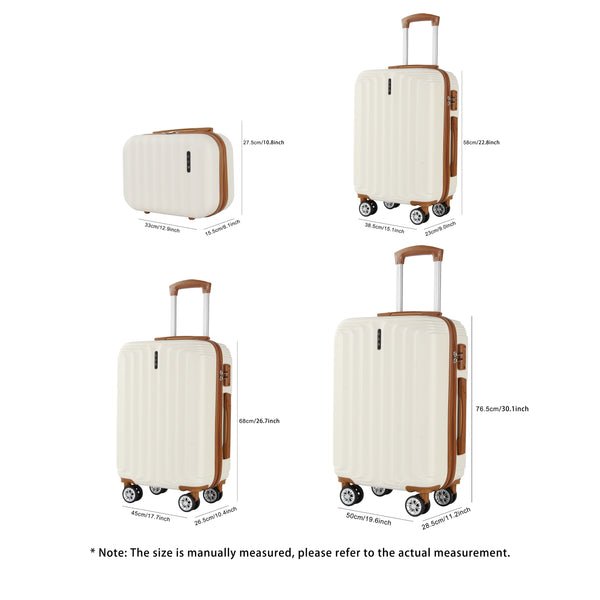
When measuring your suitcase, include wheels, handles, and any external pockets. These parts add to the total size and can push your bag over the limit.
Lay your suitcase flat and measure height, width, and depth carefully. Use a tape measure and note the largest points.
Have you ever been surprised by your bag’s actual size? Taking precise measurements helps you pick the right suitcase that fits airline rules and your travel needs.
Measuring Your Suitcase
Measuring your suitcase accurately is key to avoiding last-minute hassles at the airport. The right dimensions ensure your bag fits the airline's carry-on requirements, saving you from unexpected fees or the stress of checking in your luggage. Let’s break down how to get precise measurements so you can travel smarter and lighter.
Tools Needed
Before you start measuring, gather a few simple tools to make the process easier and more accurate. You’ll need a tape measure or a ruler, preferably one that can extend to at least 24 inches or 60 centimeters.
A flat surface like a table or floor helps keep your suitcase steady while you measure. Having a notepad or your phone handy to jot down measurements ensures you don’t forget them.
Measuring Height And Width
Start by measuring the height of your suitcase from the base to the top, excluding any loose straps or expandable sections. Hold the tape measure straight to get the most accurate number.
Next, measure the width by placing the suitcase on its back or side. Measure across the widest points—don’t guess or eyeball it. Airlines are strict about dimensions, so precision matters.
Including Handles And Wheels
Remember to include all parts of your suitcase that add to its overall size. Extend any handles fully and measure from the bottom of the wheels to the top of the handle.
Wheels often stick out, so measure their width and height as well. Some travelers overlook these details, but they can make the difference between a carry-on and a checked bag.
Common Carry-on Sizes
Knowing the common carry-on sizes can save you from the hassle of repacking or unexpected fees at the airport. Each airline has specific size limits, but there are general standards that most follow. Understanding these sizes helps you pick a suitcase that fits your travel style and airline rules without last-minute stress.
Standard Dimensions
The most common carry-on size is around 22 x 14 x 9 inches(56 x 36 x 23 cm). This size fits in overhead bins on most airlines and gives you enough space for a weekend trip.
Airlines like Delta, American, and United often accept this as the maximum carry-on size. If your suitcase exceeds these dimensions by even an inch, you risk having to check it in.
Have you ever faced the frustration of being forced to check your bag because it was just a little too big? Sticking to these standard dimensions helps you avoid that.
Compact Options
If you travel light or want to skip the overhead bin scramble, consider compact carry-ons. These usually measure around 20 x 13 x 7 inches(51 x 33 x 18 cm).
They fit easily under the seat in front of you, so you can keep your essentials close. Compact bags are perfect for short trips or when you want to avoid gate-checking your bag.
Choosing a compact option means you might have to pack smarter, but isn’t that a good challenge? It encourages you to bring only what you really need.
Expandable Bags
Expandable carry-ons give you flexibility, with a typical base size of 21 x 14 x 9 inches(53 x 36 x 23 cm), which can increase by 2 to 3 inches when expanded.
This feature is great if you anticipate bringing back souvenirs or need extra room after packing. However, keep in mind that some airlines might measure the bag fully expanded, so check their policies first.
Have you ever packed less on the way out but needed more space on the return trip? An expandable bag can be a lifesaver in those situations.

Tips For Choosing Carry-on Luggage
Choosing the right carry-on luggage can make your travel experience smoother and less stressful. You want a suitcase that fits airline requirements but also meets your personal needs for durability, weight, and ease of use. Think about what matters most to you before making a choice.
Material And Durability
The material of your carry-on affects how long it will last and how well it protects your belongings. Hard-shell suitcases made from polycarbonate or aluminum offer strong protection but can be heavier. Soft-sided bags tend to be lighter and more flexible, allowing you to squeeze in a little extra, but they might not stand up well to rough handling.
Consider how often you travel and the conditions your luggage will face. If you frequently fly with multiple connections or travel to rugged destinations, durability should be a top priority.
Weight Vs. Capacity
Airlines often have strict weight limits for carry-ons, so lighter luggage gives you more room for your items. However, very lightweight bags might sacrifice sturdiness. Balance is key: a suitcase that is too heavy when empty can leave you struggling to pack everything you need.
Ask yourself: Do you pack light or carry a lot? If you tend to overpack, choose a bag with more capacity but still light enough to handle easily. Measuring your typical packing volume before buying can help avoid surprises at the airport.
Easy Maneuverability
How easily your carry-on moves can change your travel day dramatically. Look for suitcases with smooth-rolling wheels and a comfortable handle that adjusts to your height. Four-wheel spinner bags often offer better control in crowded spaces compared to two-wheel options.
Try pulling the suitcase through various surfaces like tile, carpet, and pavement before deciding. Can you imagine navigating busy terminals with a bag that’s hard to steer? Your future self will thank you for choosing ease over style alone.
Packing Strategies For Carry-ons
Packing a carry-on requires smart strategies to save space and stay organized. Thoughtful packing helps avoid stress and extra fees. It also makes travel easier and more comfortable. Use these tips to fit your essentials neatly and travel light.
Maximizing Space
Roll clothes instead of folding. This reduces wrinkles and saves room. Use packing cubes to separate items and compress them. Fill shoes with socks or small items to use all space. Choose lightweight, thin fabrics to pack more pieces.
Organizing Essentials
Keep important items like documents and electronics in easy-to-reach pockets. Use clear bags for liquids to pass security quickly. Pack a small bag for chargers and cables to avoid tangles. Group similar items together for quick access.
Avoiding Overpacking
Limit clothing to versatile pieces that mix and match well. Stick to essentials and skip “just in case” items. Plan outfits ahead to avoid extra clothes. Weigh your bag before leaving to meet airline limits.
Checking Airline Policies
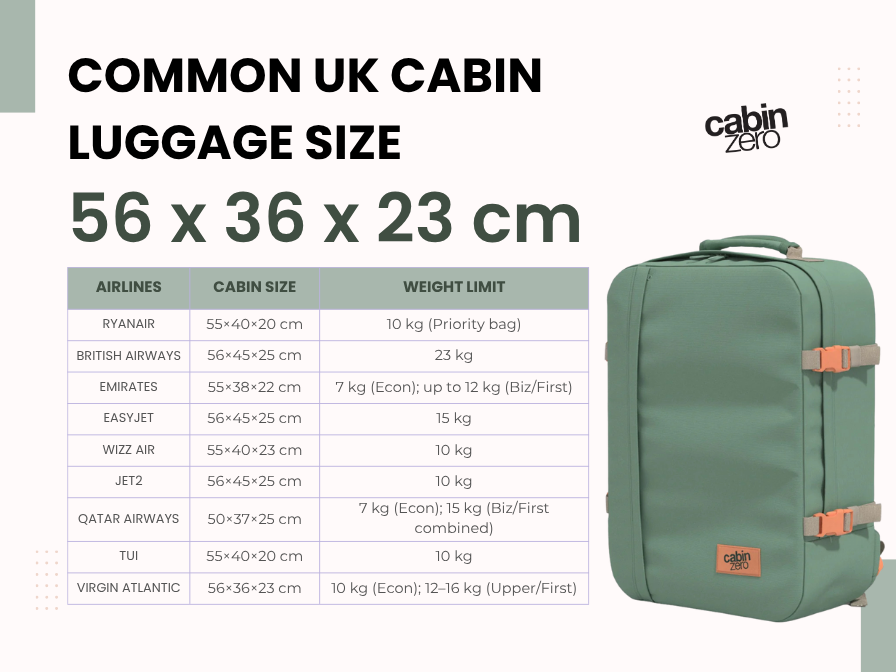
Checking airline policies is crucial before measuring your suitcase for carry-on. Each airline sets specific size limits, and these can vary widely. If you skip this step, you might face unexpected fees or be forced to check your bag last minute.
Domestic Vs. International Flights
Domestic flights often have more relaxed carry-on size limits compared to international flights. For example, a U.S. domestic airline might allow a carry-on up to 22 x 14 x 9 inches, but some international carriers reduce that size to fit in smaller overhead bins.
Think about your destination and flight type. Are you flying across the country or overseas? Checking your airline’s specific rules helps avoid surprises at the gate.
Budget Airline Rules
Budget airlines are notorious for strict carry-on policies. They often charge extra for larger carry-ons or limit you to just a personal item. Some low-cost carriers allow only a small backpack or handbag without additional fees.
Before packing, review your budget airline’s website carefully. Knowing the exact size and weight limits saves money and stress during your trip.
Frequent Updates
Airline policies can change frequently, especially during busy travel seasons or due to new regulations. What was acceptable last year might not be allowed now. For example, some airlines recently reduced carry-on sizes to speed up boarding.
Always check the latest information right before your trip. Setting a reminder to verify your airline’s rules a week before departure can make a big difference.

Frequently Asked Questions
How Do I Measure My Suitcase For Carry-on Size?
Measure the suitcase’s height, width, and depth including handles and wheels. Compare these dimensions with airline carry-on size limits to ensure compliance.
What Are Standard Carry-on Suitcase Dimensions?
Most airlines allow carry-ons up to 22 x 14 x 9 inches. Always check your airline’s specific size rules before traveling.
Should I Include Handles When Measuring Carry-on Luggage?
Yes, always include handles and wheels in your suitcase measurements. Airlines consider total external dimensions for carry-on size restrictions.
How To Measure Soft-sided Vs Hard-sided Suitcases?
Measure both types the same way: height, width, and depth including protrusions. Soft-sided bags may compress but still count full size.
Conclusion
Measuring your suitcase for carry-on travel saves time and stress. Always check airline size limits before packing. Use a tape measure to get exact suitcase dimensions. Remember to include wheels and handles in your measurements. A well-measured bag fits easily in overhead bins.
This simple step helps avoid extra fees and delays. Pack smart and travel light for a smooth journey. Keep these tips in mind for your next trip. Safe travels!