


Are you planning a winter getaway but dreading the thought of lugging around a heavy suitcase? Packing winter clothes in a carry-on might seem like an impossible task, but with the right strategy, you can travel light and still stay warm.
Imagine stepping off the plane, feeling relaxed and stress-free, knowing you have everything you need in one compact bag. This guide will show you how to achieve just that. You’ll discover clever packing techniques, essential clothing items, and tips to maximize space.
Stick with us, and you'll never have to worry about excess baggage fees or bulky luggage again. Let's turn your travel dreams into reality—keep reading to find out how!
Choose The Right Carry-on
Choosing the right carry-on is key for packing winter clothes efficiently. The right bag saves space and keeps your items organized. It also meets airline rules and lasts through your journey.
Size And Weight Limits
Check your airline’s size and weight rules before buying a carry-on. Winter clothes are bulky and heavy. A larger bag might be needed, but it must fit in overhead bins. A lightweight bag helps avoid extra fees.
Material And Durability
Pick a bag made of strong, water-resistant material. Winter trips can mean snow or rain. Durable zippers and sturdy handles are important. A tough carry-on protects your clothes and lasts for many trips.
Compartments And Organization
Choose a carry-on with many compartments. Separate pockets help sort gloves, hats, and scarves. A main compartment can hold coats and sweaters. Good organization makes packing and unpacking faster and easier.
Select Essential Winter Clothes
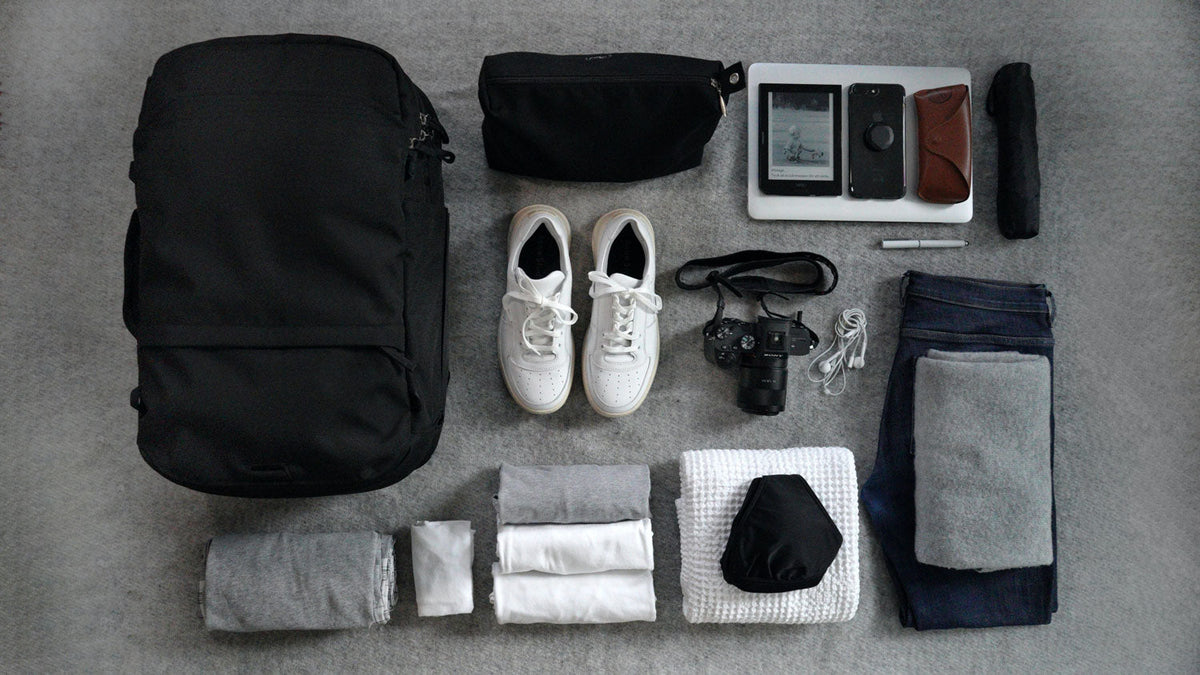
Packing winter clothes in a carry-on can feel like a tough puzzle. You want to stay warm, look good, and keep your luggage light. The key is to carefully select only the essentials that will keep you comfortable without weighing you down.
Prioritize Versatile Pieces
Choose clothing that works in multiple settings. A good example is a neutral-colored sweater that pairs well with jeans for casual outings and with a skirt for dinners. Think about items that can serve double duty—like a waterproof jacket that works for both snow and rain.
Ask yourself: Can this piece mix and match easily? If not, it might not deserve a spot in your bag.
Layering Basics
Layers are your best friend for winter travel. Start with thin, warm base layers like thermal tops and leggings. Add a cozy mid-layer such as a fleece or wool sweater to trap heat.
Don’t forget a good outer layer that blocks wind and moisture. This system lets you adjust to changing temperatures without bringing bulky clothes.
Avoid Overpacking
It’s tempting to pack every cozy item you own, but resist. Overpacking means heavier bags and more stress. Focus on essentials that cover your needs.
Think about the weather forecast and your planned activities. Do you really need three scarves or five pairs of boots? Probably not.
Use Efficient Packing Techniques
Packing winter clothes in a carry-on can be tricky due to their bulk. Efficient packing techniques help you maximize space and keep your clothes organized. These methods also reduce wrinkles and make it easier to find what you need during your trip.
Rolling Vs Folding
Rolling your clothes can save a surprising amount of space. It also helps prevent wrinkles on softer fabrics like sweaters and t-shirts. Folding works better for bulky items like thick coats or pants that need to stay flat.
Try rolling thin layers like thermal shirts and leggings to create compact bundles. Then, fold heavier pieces to keep their shape intact. Which technique do you think fits your style better?
Compression Bags
Compression bags squeeze out air, shrinking bulky winter clothes dramatically. They are perfect for packing heavy sweaters and jackets without taking up half your carry-on. Just be careful not to overstuff your bag, or it might exceed airline weight limits.
Using a vacuum-seal compression bag can reduce volume by up to 50%. However, keep a spare bag handy in case you want to repack or remove items during your trip. Have you ever tried compressing your winter gear before?
Packing Cubes
Packing cubes keep your clothes sorted and easy to access. Assign different cubes for base layers, outerwear, and accessories like scarves or gloves. This keeps your carry-on neat and saves time when you’re hunting for a specific item.
Choose cubes with mesh panels to see inside without opening. This simple organization trick can make a big difference, especially on longer trips. What categories will you create in your packing cubes?

Maximize Space With Accessories
Packing winter clothes in a carry-on needs smart use of every inch. Accessories like shoes and hats can hold more than you think. Using them well frees up space for your main clothes.
Utilize Shoes And Hats
Shoes often have empty space inside. Use them to store socks, gloves, or small scarves. Place them in shoe bags to keep clothes clean. Hats can also hold small items like chargers or toiletries. This keeps your bag organized and saves room.
Fill Gaps With Small Items
Small gaps in your bag are perfect for tiny accessories. Fill these spaces with belts, gloves, or folded underwear. Roll items tightly to fit better. This method stops wasted space and helps keep everything compact.
Protect Clothes From Moisture
Protecting your winter clothes from moisture is essential when packing in a carry-on. Moisture can cause dampness, bad smells, and damage to fabrics. Keeping clothes dry ensures they stay fresh and warm during your trip. Use simple tools and smart packing tricks to guard against wetness and humidity.
Waterproof Bags
Waterproof bags are perfect for keeping moisture out. These bags have special materials that block water from entering. Use them to store sweaters, jackets, and even shoes.
- Choose bags with strong zippers or seals.
- Pack damp or wet items separately to avoid spreading moisture.
- Compress bags to save space and reduce air inside.
Waterproof bags also protect clothes from accidental spills inside your carry-on. They add an extra layer of defense against unexpected wetness.
Packing For Wet Weather
Packing for wet weather means preparing for rain, snow, or slush. Start by packing quick-dry clothing that dries fast if it gets wet. Include a compact raincoat or poncho in your bag.
- Wrap delicate fabrics in plastic or waterproof covers.
- Place shoes in waterproof bags to avoid leaking moisture.
- Use absorbent cloths or small towels to dry off wet items.
Keep moisture-sensitive items like electronics and documents separate. Use resealable plastic bags or waterproof pouches to protect them.
Plan For Airport Security
Planning for airport security is crucial when packing winter clothes in a carry-on. Security checks can slow you down without proper organization. Preparing your bag ensures a smooth and quick screening process.
Easy Access To Electronics
Place laptops, tablets, and other electronics in an easy-to-reach spot. Use a dedicated laptop compartment or a separate sleeve. This way, you can quickly remove them at the security checkpoint. Avoid packing electronics under heavy winter clothes. Keep chargers and cables neatly organized nearby.
Liquids And Gels Regulations
Pack liquids and gels in clear, resealable plastic bags. Each container must hold 3.4 ounces (100 ml) or less. Place these bags at the top of your carry-on for fast removal. Remember to include items like lotions, lip balm, and hand sanitizer. Keep the total liquid volume within airport limits to avoid delays.
Wear Bulky Items During Travel
Wearing your bulky winter clothes during travel is a smart way to save precious space in your carry-on. Instead of squeezing heavy coats and boots into your bag, put them on before you leave. This not only lightens your load but also keeps you warm and comfortable throughout your journey.
Benefits Of Wearing Coats And Boots
Wearing your coat and boots while traveling frees up a lot of room in your carry-on. Winter coats are often the bulkiest items, and stuffing them inside your bag can crush your other belongings.
Boots take up a lot of space too, especially if they are tall or insulated. Wearing them means you don’t have to find extra room or risk damaging delicate shoes packed inside.
Plus, staying warm during transit helps you avoid shivering in chilly airports or planes. Have you noticed how much more pleasant it is to travel when you’re cozy and not lugging around heavy luggage?
Layering On The Plane
Planes can vary in temperature, so layering is key. Start with a comfortable base layer like a long-sleeve shirt or thermal top.
Add your bulky coat or jacket on top, and if you want, bring a lightweight scarf or hat to keep extra warmth without adding bulk to your bag.
Wearing layers allows you to adjust easily if the cabin gets too warm or cold. You can take off a layer or put it back on, all while keeping your carry-on light and manageable.

Frequently Asked Questions
How Can I Fit Bulky Winter Clothes In A Carry-on?
Use compression bags to reduce bulk. Roll clothes tightly to save space. Layer thin items instead of thick ones. Choose versatile pieces to minimize the number of clothes.
What Winter Clothes Are Essential For Carry-on Packing?
Pack a warm coat, thermal layers, gloves, and a hat. Include a scarf and waterproof shoes. Select lightweight but warm fabrics to optimize space and comfort.
How Do I Avoid Wrinkles When Packing Winter Clothes?
Roll clothes instead of folding. Use packing cubes to keep items organized. Place delicate fabrics between layers. Avoid overstuffing your carry-on to reduce pressure on garments.
Can I Carry Winter Boots In A Carry-on Bag?
Yes, but choose compact, lightweight boots. Wear the bulkiest pair during travel to save space. Stuff boots with socks or smaller items to maximize carry-on room.
Conclusion
Packing winter clothes in a carry-on can be simple and stress-free. Choose warm, lightweight items that layer well. Roll clothes to save space and avoid wrinkles. Use packing cubes to stay organized and fit more items. Don’t forget essential accessories like gloves and hats.
Plan outfits ahead to pack only what you need. Travel light and stay warm without extra baggage. Ready for your trip? Just follow these tips and enjoy your winter adventure.