

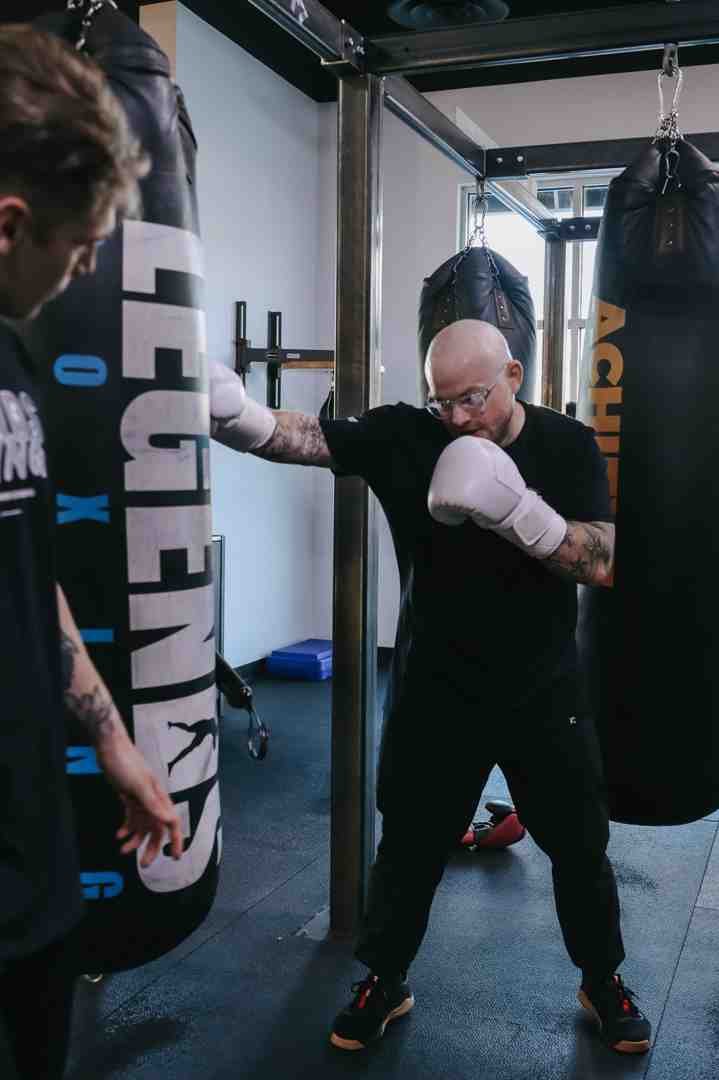
Are you ready to take your fitness game to the next level? Training with a boxing bag can be a game-changer, not just for your physical strength, but for your mental well-being too.
Imagine releasing stress while building muscle, improving your coordination, and boosting your confidence—all at once. This isn't just another workout; it's a powerful tool to transform your body and mind. Whether you're a boxing newbie or have some experience under your belt, knowing how to train effectively with a boxing bag is crucial.
We'll guide you through techniques and tips to ensure you get the most out of every punch and jab. Ready to unleash your inner champion? Let’s get started!

Choosing The Right Boxing Bag
Choosing the right boxing bag is key to effective training. The bag must suit your skill level and training goals. Picking the perfect bag helps improve your technique and power. Consider your space and how often you will train. This guide covers the main factors to help you select the best boxing bag.
Types Of Boxing Bags
Boxing bags come in many types. Heavy bags are great for power and endurance. Speed bags improve hand-eye coordination and speed. Double-end bags help with timing and accuracy. Each type targets different skills. Choose the type that matches your training focus.
Weight And Size Considerations
Bag weight affects how it moves when hit. Heavier bags offer more resistance but move less. Lighter bags swing more and help with timing. The bag size depends on your height and strength. Taller fighters often use longer bags. Beginners should start with medium weight and size.
Material And Durability
Bags are made from leather, vinyl, or canvas. Leather is durable and feels natural but costs more. Vinyl is cheaper and resists water but can wear faster. Canvas bags are light but less durable. Check the stitching and filling quality. A strong bag lasts longer through hard training.

Essential Gear For Bag Training
Training with a boxing bag can be both intense and rewarding. But before you start throwing punches, having the right gear makes all the difference. The essential gear not only protects you but also improves your performance and comfort during every session.
Gloves And Hand Wraps
Gloves are your best friend when training on a boxing bag. They protect your knuckles and wrists from injury caused by repeated impact. Choose gloves that fit snugly and offer good padding to absorb shock.
Hand wraps provide extra support by stabilizing your wrist and knuckles inside the gloves. They also help prevent cuts and scrapes. Learning to wrap your hands properly can save you from painful injuries and keep your training consistent.
Protective Equipment
Beyond gloves and wraps, consider additional protective gear to keep your body safe. A mouthguard might seem unnecessary, but it protects your teeth if you’re practicing fast and powerful strikes. Some trainers recommend wrist supports or elbow guards if you have a history of joint issues.
Wearing protective gear shows you care about your long-term health. It also lets you train harder with confidence, knowing you’re less likely to get hurt.
Comfortable Clothing
Wearing the right clothes can improve your movement and focus. Lightweight, breathable fabrics help wick away sweat and keep you cool. Avoid loose clothing that could get caught on the bag or restrict your punches.
I once trained in a heavy cotton shirt and quickly realized it weighed me down and made me overheat. Switching to moisture-wicking athletic wear helped me last longer and stay comfortable throughout my workout.
What gear do you find makes the biggest difference during your bag workouts? Try adjusting your equipment and see how it changes your training experience.
Basic Boxing Bag Techniques
Training with a boxing bag requires learning basic techniques for better results. These basics improve your strength, speed, and coordination. Focus on three main areas: stance and footwork, fundamental punches, and breathing with rhythm.
Proper Stance And Footwork
Stand with your feet shoulder-width apart. Keep your dominant foot slightly back. Bend your knees a little to stay balanced. Stay light on your toes for quick movement.
Move your feet smoothly. Step forward, backward, or side to side. Avoid crossing your feet. Good footwork helps you stay steady and ready to strike or defend.
Fundamental Punches
Learn the four main punches: jab, cross, hook, and uppercut.
- Jab:A quick, straight punch with your lead hand.
- Cross:A strong, straight punch with your rear hand.
- Hook:A punch that swings from the side with your lead or rear hand.
- Uppercut:A rising punch from below, aimed at the opponent’s chin.
Practice each punch slowly, then increase speed. Keep your hands up to protect your face.
Breathing And Rhythm
Control your breathing to keep energy and focus. Breathe out sharply with each punch. This adds power and helps maintain rhythm.
Find a steady pace. Don’t rush your punches. Keep your movements smooth and controlled. A good rhythm keeps you balanced and effective during training.
Building Power In Your Punches
Building power in your punches is key to effective boxing training. Strong punches deliver more impact and can help control the fight. Power comes from more than just arm strength. It involves your whole body working together.
Using Your Body Weight
Shift your body weight into each punch. Start from your feet and move through your legs. Push off the ground to add force. Your hips should twist with the punch. This movement adds strength beyond your arm muscles. Practice stepping forward as you punch. This helps transfer energy into the bag.
Engaging Core Muscles
Your core is the center of power. Tighten your abs and lower back during every punch. This stabilizes your body and increases force. A strong core helps you stay balanced. It also protects against injury. Include core exercises in your routine for better punching power.
Generating Speed And Impact
Speed is crucial for powerful punches. Faster punches hit with more force. Focus on quick, sharp movements. Relax your muscles before punching to increase speed. Snap your punches back after hitting the bag. This prevents energy loss and prepares you for the next hit.
Structuring Your Bag Workout
Structuring your bag workout helps you train smart and avoid injury. A well-planned session balances effort and rest. It improves your skills steadily and keeps you motivated. Start with gentle movements to prepare your body. Push hard during intense rounds. Finish with calm exercises to relax muscles.
Warm-up And Stretching
Begin with light cardio like jumping rope or jogging in place. This raises your heart rate and warms muscles. Follow with dynamic stretches targeting arms, shoulders, and legs. Use arm circles, leg swings, and torso twists. Warm-up should last about 5 to 10 minutes. It reduces injury risk and improves performance.
Interval Training Methods
Boxing bag workouts work well with intervals. Alternate between high-intensity punching and short rest periods. For example:
- 30 seconds of fast punches
- 15 seconds of rest or light movement
- Repeat for 5 to 10 rounds
You can vary punch types during intervals. Mix jabs, crosses, hooks, and uppercuts. Change your footwork to stay active. This method builds endurance and power efficiently.
Cool-down Exercises
End your session with slow movements to lower your heart rate. Walk or march on the spot for a few minutes. Stretch muscles you used most, like shoulders and arms. Hold each stretch for 15 to 20 seconds. Cooling down helps recovery and reduces soreness.
Common Mistakes To Avoid
Training with a boxing bag can dramatically improve your strength, speed, and coordination. However, many people unknowingly make mistakes that slow their progress or even cause injury. Recognizing these common errors early can keep your workouts effective and safe.
Poor Technique
Hitting the bag with incorrect form is one of the biggest pitfalls. Throwing punches without proper wrist alignment or overextending your arms can lead to sprains or joint pain.
Pay attention to your stance and how you rotate your hips and shoulders. Proper technique not only protects you but also delivers more power with less effort.
Ask yourself: Are you watching your form or just aiming to hit hard? Focus on controlled, precise movements rather than wild swings.
Overtraining Risks
It’s tempting to push yourself hard every session, but overtraining can cause exhaustion and injury. Your muscles and joints need time to adapt, or you risk strains and burnout.
Try scheduling rest days and mixing in lighter workouts. Quality beats quantity when it comes to boxing bag training.
Have you noticed persistent soreness or fatigue? These signs mean your body needs a break before you hit the bag again.
Ignoring Recovery
Skipping recovery steps like stretching and hydration reduces your performance and increases injury risk. After training, your muscles need care to repair and grow stronger.
Simple actions like cooling down, foam rolling, or taking a warm shower can accelerate recovery. Don’t overlook these moments—they make a difference.
Consider: How often do you consciously recover after each session? Adding this habit could boost your gains and keep you training longer.
Tracking Progress And Setting Goals
Tracking your progress and setting clear goals are key to getting the most out of your boxing bag training. Without monitoring how you improve, it’s easy to lose motivation or miss opportunities to push yourself further. Setting measurable targets helps keep your workouts focused and rewarding.
Measuring Power Improvements
One way to see real progress is by measuring the power behind your punches. You can use simple tools like a punching bag with built-in sensors or smartphone apps designed to estimate punch force. Tracking your punch speed and impact over time reveals how your strength and technique evolve.
Even without gadgets, you can feel power improvements by paying attention to how hard the bag reacts to your hits. Does it swing more or make a louder sound? These clues show increased force. Have you noticed your punches landing harder after a few weeks? That’s progress you can build on.
Recording Workout Sessions
Keeping a workout log is a game-changer for your training routine. Write down details like how long you trained, the type of drills you did, and how you felt during the session. This habit helps you spot patterns and areas needing extra work.
Try using a simple notebook or a fitness app to record:
- Duration of each round and rest periods
- Number of punches thrown per round
- Any new combinations or techniques practiced
- Notes on stamina and fatigue levels
Review these notes weekly. Do you see improvements or plateaus? Adjust your goals based on what the data tells you.
Adjusting Training Plans
As you track your progress, your training plan should evolve. If you hit a plateau, it’s a sign to change your routine. Maybe add more rounds, increase punch variety, or focus on speed instead of just power.
Setting new goals keeps your workouts fresh and challenging. For example, if your power has improved, aim to increase your punching speed next. If stamina is your weak spot, add more cardio or longer sessions.
Ask yourself: What’s one small change today that will push your limits tomorrow? This mindset turns tracking from a chore into a powerful tool for growth.
Advanced Training Tips
Advanced training with a boxing bag improves skill and endurance. It sharpens your technique and builds power. Use these tips to add variety and challenge to your workouts. Focus on smooth transitions and control. Keep your body active and ready.
Combining Bag Work With Shadowboxing
Switch between the bag and shadowboxing to enhance flow. Use shadowboxing to practice footwork and combinations. Move freely without the bag’s resistance. Then, hit the bag to build strength and timing. This mix improves speed and accuracy.
Incorporating Defensive Moves
Add slips, ducks, and blocks during bag sessions. Practice moving your head and body away from imaginary punches. This trains your reflexes and balance. Pretend the bag swings back to simulate counters. It helps develop a real fight mindset.
Using Resistance Bands
Attach resistance bands to your wrists or ankles for extra challenge. Bands increase strength and speed by adding resistance. Perform punches and movements slowly at first. Bands improve muscle control and endurance. Use caution and control to avoid injury.

Frequently Asked Questions
How Do I Start Training With A Boxing Bag?
Begin with basic punches like jabs and crosses. Focus on form and rhythm. Gradually increase speed and power for better results.
What Equipment Is Needed For Boxing Bag Training?
Wear hand wraps and boxing gloves to protect your hands. Use comfortable workout clothes and supportive shoes for safety and mobility.
How Often Should I Train With A Boxing Bag?
Train 3 to 4 times per week. Allow rest days to avoid injury. Consistency improves technique and builds endurance effectively.
Can Boxing Bag Workouts Improve Fitness Levels?
Yes, boxing bag workouts boost cardiovascular health. They enhance strength, coordination, and endurance. This makes them excellent full-body exercises.
Conclusion
Training with a boxing bag builds strength and improves your skills. Practice regularly to see steady progress and better technique. Focus on your form and stay consistent in your workouts. Remember to warm up before and cool down after each session.
Enjoy the process and stay patient with your growth. Keep pushing yourself, and results will follow. Boxing bag training can be fun and effective for everyone.