
Have you ever wondered how to get the most out of your punching bag? Whether you're a beginner or looking to sharpen your skills, knowing the right techniques can make all the difference.
This isn’t just about throwing punches—it’s about building power, improving your coordination, and boosting your confidence. Keep reading, and you’ll discover simple steps that turn your punching bag into your best workout partner. Ready to transform your training and see real results?
Let’s dive in!
Choosing The Right Punching Bag
Choosing the right punching bag is key to a good workout. The perfect bag matches your training style and skill level. It helps improve your technique and boosts your confidence. Understanding the types, weight, and material will guide your choice. This section breaks down these important factors clearly.
Types Of Punching Bags
Punching bags come in several types for different uses. Heavy bags are great for strength and power training. Speed bags improve hand-eye coordination and speed. Double-end bags help with timing and accuracy. Each type suits different goals and training styles.
Selecting The Ideal Weight
The bag’s weight affects your workout quality. A heavy bag should be about half your body weight. Lighter bags swing more, helping with speed and rhythm. Heavier bags offer resistance and build power. Choose a weight that fits your strength and skill level.
Material And Durability
Material affects how the bag feels and lasts. Leather bags are durable and feel natural but cost more. Synthetic bags are affordable and easy to maintain. Vinyl bags resist water and tears but may be less comfortable. Pick a bag with sturdy stitching and good padding for long use.
Setting Up Your Punching Bag
Setting up your punching bag correctly is crucial for a safe and effective workout. A well-installed bag stays secure and allows smooth movement during training. Take time to prepare the space and equipment before starting your session.
Proper Hanging Techniques
Choose a strong support beam or ceiling joist to hang the bag. Use a heavy-duty swivel or chain to attach the bag securely. Ensure the bag hangs at least 2 feet above the floor. This height allows proper movement and footwork. Double-check all connections for tightness before use.
Finding The Best Location
Pick a spot with enough room around the bag. Leave at least 3 feet of clear space on all sides. Avoid areas near fragile items or furniture. A garage, basement, or home gym works well. Make sure the floor is even and non-slippery for safety.
Safety Precautions
Inspect the bag and hanging hardware regularly for wear. Replace any damaged parts immediately. Use gloves and hand wraps to protect your hands. Keep children and pets away from the training area. Always warm up before starting your workout to avoid injuries.
Basic Punching Techniques
Mastering basic punching techniques is crucial for anyone looking to get the most out of their punching bag workouts. These foundational moves build your strength, accuracy, and speed, setting you up for more advanced combinations later. Let’s break down the essential punches and the right way to move your feet to maximize power and prevent injury.
Jab And Cross Fundamentals
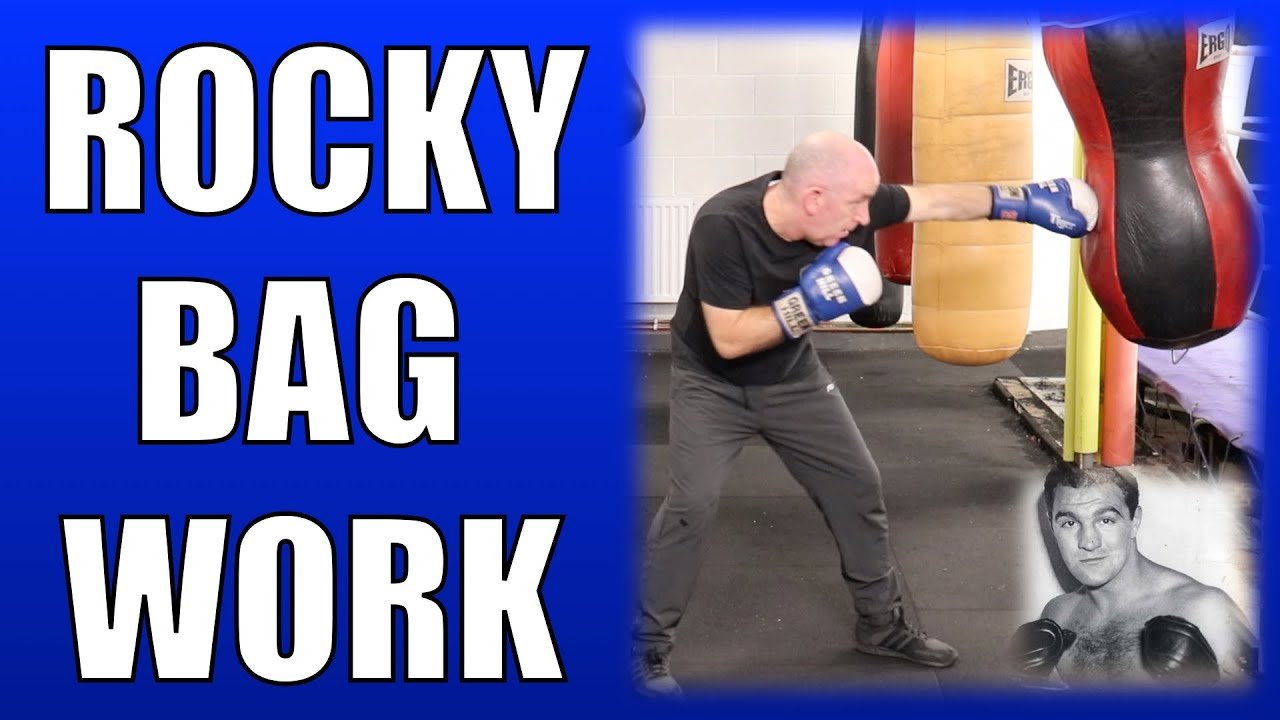
The jab is your lead hand punch, quick and sharp. It’s used to measure distance and disrupt your opponent’s rhythm—or in this case, the bag’s movement.
Keep your jab straight and snap it out quickly, then pull it back to guard your face. The cross, thrown with your rear hand, adds power by rotating your hips and shoulders.
Focus on rotating your body as you throw the cross to generate maximum force. Have you tried throwing a jab without turning your hips? You’ll feel the difference instantly.
Hooks And Uppercuts
Hooks and uppercuts are close-range punches that add variety and power to your combinations. The hook swings in from the side, aiming to strike the bag with your knuckles.
Keep your elbow bent at about 90 degrees and rotate your hips to drive the punch. Uppercuts come from below, traveling upward to hit the target with an explosive force.
Practice these punches slowly at first to get the form right. Imagine you are punching through the bag, not just hitting its surface.
Footwork And Stance
Your feet are your foundation. A solid stance keeps you balanced and ready to move or throw punches.
- Stand with feet shoulder-width apart.
- Lead foot points straight ahead; rear foot angled slightly outward.
- Bend your knees slightly to stay light and flexible.
Shift your weight as you punch to add power and maintain stability. How often do you check your stance during your workout? Small adjustments can improve your punches dramatically.

Credit: www.youtube.com
Developing Power And Speed
Developing power and speed on the punching bag is about more than just hitting hard and fast. It requires targeted effort to build your muscles, sharpen your reflexes, and coordinate your movements. When you focus on these elements, you’ll see real improvements in your punches that carry over into any fighting style or workout.
Building Strength
Strength is the foundation of powerful punches. You can increase your punching power by focusing on exercises that target your core, shoulders, and arms.
- Try weighted shadowboxing to add resistance while practicing your punches.
- Include bodyweight exercises like push-ups and planks to build muscle endurance.
- Don’t forget your legs—strong legs help drive power from the ground up.
I remember when I started adding medicine ball throws to my routine. The explosive movement helped me generate more force in each punch, and I noticed the difference within weeks. What strength exercises are you currently doing to support your punching power?
Improving Hand Speed
Hand speed is about quickness and reaction time. To get faster punches, practice drills that challenge your timing and coordination.
- Use double-end bags to improve your ability to hit moving targets swiftly.
- Try rapid-fire combinations on the heavy bag, focusing on quick, light taps before adding power.
- Incorporate interval training with short bursts of fast punches followed by rest.
Speed isn’t just about muscle—it’s about how well your brain and body communicate. Have you tried training with a partner who calls out combinations to push your reaction time?
Combining Power With Accuracy
Power loses value if your punches don’t land where you want them to. Precision makes your strikes effective and saves energy.
- Focus on hitting specific targets on the bag, such as the “head” or “body” zones.
- Slow down your punches occasionally to ensure proper form and accuracy.
- Use shadowboxing in front of a mirror to check your technique and alignment.
When I started aiming for smaller targets on the bag, my punches became sharper and more controlled. It made me realize that power without accuracy is wasted effort. How often do you practice targeting specific spots during your bag workouts?
Advanced Combinations And Drills
Advanced combinations and drills push your punching bag workout beyond basic strikes. They challenge your coordination, speed, and endurance. By mixing different techniques and adding defensive moves, you create a more realistic and effective training session.
Mixing Punch Types
Don’t stick to just jabs and crosses. Add hooks, uppercuts, and body shots to keep your opponent guessing. Mixing these punches not only improves your hand speed but also trains your brain to switch tactics quickly.
Try this combo: jab, cross, left hook, right uppercut, then a quick body shot. Feel how your rhythm changes? This variety forces you to engage different muscles and angles.
Have you noticed how your power increases when you blend punches naturally? It’s because each type activates unique muscle groups and foot positioning.
Incorporating Defensive Moves
Defense isn’t just for sparring—it’s essential during bag work too. Adding slips, ducks, and rolls after your combos builds muscle memory for real fight scenarios.
For example, punch twice, then slip to the left and throw a hook. This drill keeps your body moving and your mind sharp. It prevents you from becoming a static target.
Think about your last training session. Did you move your head and feet enough? Adding defensive moves teaches you to stay balanced and ready for the next attack.
Timed Drills For Endurance
Working on the bag with a timer simulates fight rounds and pushes your stamina. Set intervals like 30 seconds of intense punching followed by 15 seconds of active rest. Repeat for several rounds.
This method helps you manage your energy and maintain power throughout a workout or fight. It also trains your cardiovascular system to recover quickly.
Challenge yourself: How many quality punches can you land in 30 seconds? Tracking this can motivate you to improve your speed and endurance every time you train.

Credit: boxingathome.medium.com
Common Mistakes To Avoid
Working a punching bag helps improve strength and technique. Avoiding common mistakes makes workouts safer and more effective. These errors often slow progress or cause injury. Recognizing and fixing them leads to better results.
Poor Form And Posture
Bad posture reduces power and increases injury risk. Keep your back straight and knees slightly bent. Avoid leaning too far forward or backward. Use your hips and shoulders to add force. Proper form protects joints and boosts punching speed.
Overcommitting Punches
Throwing punches with too much force wastes energy. It also leaves you off balance and vulnerable. Focus on controlled, precise strikes instead. Relax your muscles between punches to maintain stamina. Balance speed with power for effective training.
Neglecting Warm-up And Cool-down
Skipping warm-up can cause muscle strains or cramps. Spend 5-10 minutes warming up with light cardio or stretching. Cooling down helps reduce soreness and speeds recovery. Stretch your arms, shoulders, and legs after training. These steps keep your body healthy for future sessions.
Tracking Progress And Setting Goals
Tracking progress and setting goals are key to improving your punching bag workouts. They help you stay motivated and see real changes over time. Without tracking, it is easy to lose focus and miss out on improvement opportunities.
Setting clear goals gives your training a purpose. It helps you work smarter and push yourself steadily. Tracking progress shows what works and what needs change.
Recording Sessions
Write down each punching bag session. Note the date, duration, and type of workout. Include details like punches thrown and combinations practiced.
You can use a notebook or a simple app on your phone. Recording sessions creates a habit and helps you review your efforts.
Measuring Improvements
Track changes in speed, power, and endurance. Use a timer to check how long you can keep a pace. Count the number of punches in a set time.
Notice how your form and technique improve. Record any increase in stamina or fewer rest breaks. These signs show real progress.
Goal Setting Strategies
- Set clear, specific goals like "throw 100 punches in 3 minutes."
- Make goals measurable to track success easily.
- Break big goals into small, achievable steps.
- Set a timeline for each goal to stay focused.
- Adjust goals based on your progress and challenges.
Goals guide your workouts and keep you motivated. They turn your punching bag sessions into a path for steady improvement.

Credit: www.legendsboxing.com
Frequently Asked Questions
How Do You Properly Position Yourself To Hit A Punching Bag?
Stand with feet shoulder-width apart, one foot slightly forward. Keep knees slightly bent and hands up for protection. Position yourself close enough to strike comfortably without overreaching. This stance improves balance and power while reducing injury risk.
What Are The Best Punches To Use On A Punching Bag?
Jabs, crosses, hooks, and uppercuts are ideal punches. Mix combinations for effective workouts. Focus on technique and speed rather than power. This variety enhances strength, coordination, and endurance.
How Long Should A Typical Punching Bag Workout Last?
Begin with 10 to 15 minutes for beginners. Gradually increase to 30 to 45 minutes for fitness gains. Include rest intervals to prevent fatigue. Consistency is key for skill and stamina improvement.
What Safety Gear Is Recommended When Using A Punching Bag?
Wear hand wraps to protect wrists and knuckles. Use boxing gloves to cushion impact. Proper footwear ensures stability. Safety gear prevents injuries and supports better training sessions.
Conclusion
Practicing on a punching bag builds strength and improves skills. Focus on your stance, punches, and breathing for best results. Keep your movements steady and controlled to avoid injury. Regular training increases your speed and endurance over time. Remember to warm up before and stretch after each session.
Stay consistent and patient with your progress. Enjoy the process of learning and getting better every day. Training with a punching bag can be both fun and effective. Give yourself time, and results will follow naturally.