

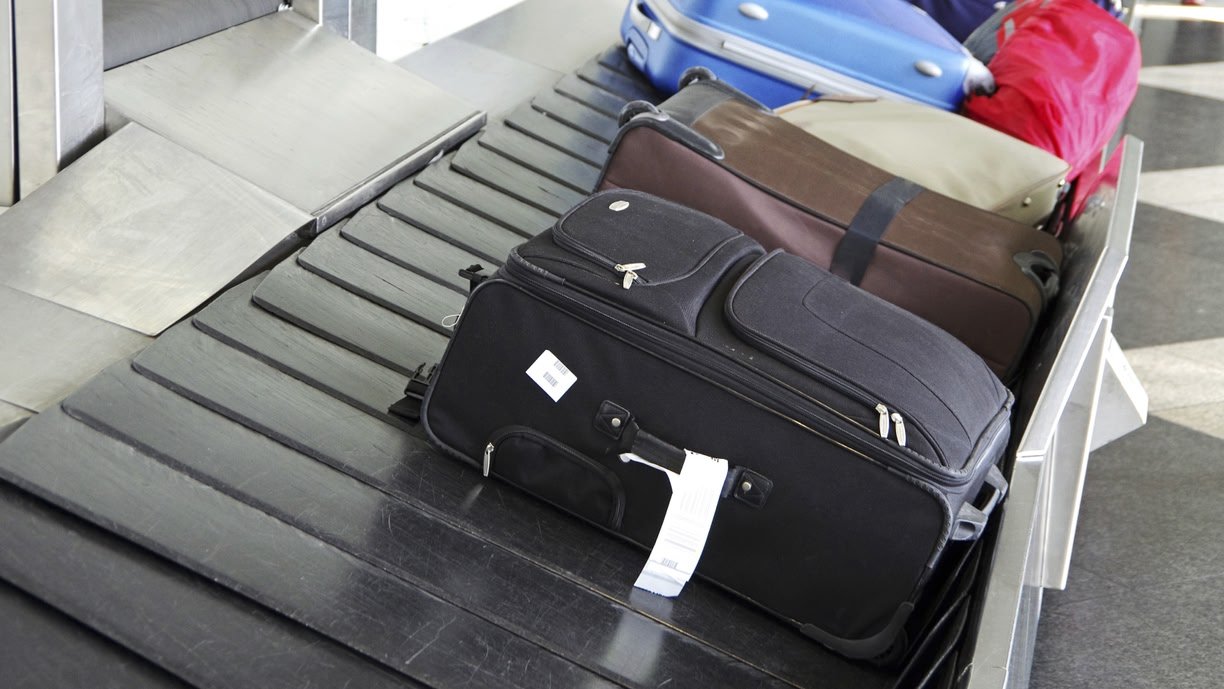
Have you ever stood in the airport check-in line, pondering whether your checked bag qualifies as a suitcase or something else entirely? You're not alone.
This seemingly simple question can lead to a lot of confusion, especially when airlines have their own rules and terminology. Understanding the difference can save you time, money, and stress on your next trip. Imagine arriving at your destination with peace of mind, knowing you've packed just right.
In this blog post, we'll unravel the mystery behind what exactly counts as a checked bag and if it aligns with your trusty suitcase. Get ready to have your packing strategy transformed and your travel worries eased. Keep reading to discover the answers and tips that could make your next adventure smoother than ever.

Checked Bag Basics
Understanding the basics of a checked bag can clear up any confusion about whether it qualifies as a suitcase or something else. Knowing what a checked bag really is helps you pack smarter and avoid surprises at the airport. Let’s break down what makes a bag “checked” and what rules apply to it.
Definition And Purpose
A checked bag is any piece of luggage you hand over to the airline at the start of your trip. It travels in the airplane’s cargo hold instead of with you in the cabin. This differs from your carry-on, which stays with you throughout your journey.
Checked bags are often larger and meant to hold more items than a carry-on. They can be suitcases, duffel bags, or any sturdy container that meets airline regulations. Have you ever wondered if your checked bag must be a suitcase? The answer is no—it just needs to be something durable enough to survive the trip below the plane.
Size And Weight Limits
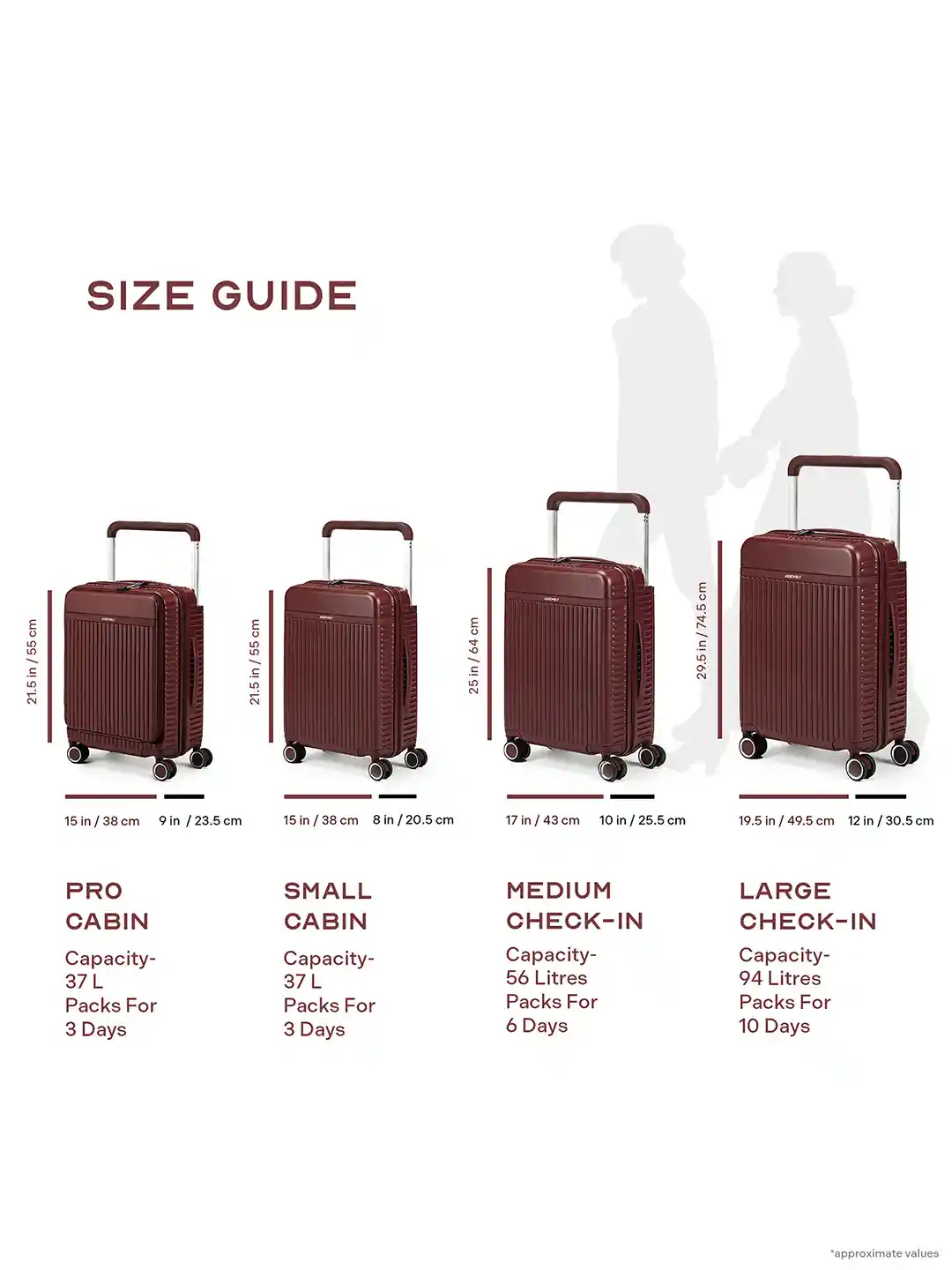
Airlines set specific size and weight limits for checked bags. Typically, the maximum weight allowed is around 50 pounds (23 kilograms), but this can vary. Oversized or overweight bags usually come with extra fees, so it pays to know the rules before you pack.
Size limits are based on the total dimensions—length, width, and height combined. Most airlines allow checked bags up to 62 linear inches (157 cm). If your bag exceeds this, it may not be accepted or could cost more to check.
- Check your airline’s website for exact weight and size limits.
- Weigh your bag at home to avoid surprises at the airport.
- Consider what you pack—can you reduce weight without losing essentials?
Have you ever had to unpack at the airport because your bag was too heavy? Understanding these limits can save you time and stress. Your checked bag doesn’t have to be a traditional suitcase, but it must meet these size and weight rules to make your travel smooth.
What Qualifies As A Suitcase?
Understanding what qualifies as a suitcase can change how you pack and travel. Not every bag you check in at the airport fits the traditional idea of a suitcase. Let’s break down what really makes a suitcase stand out from other types of luggage.
Typical Features
A suitcase usually has a firm structure to protect your belongings. It often comes with a handle on top and sometimes a telescoping handle for rolling it around. Wheels are common, making it easier to move through busy airports or hotel lobbies.
Inside, suitcases typically have compartments or straps to keep your clothes organized and prevent them from shifting during travel. Zippers or locks secure the contents, offering extra protection. If you’ve ever struggled with a floppy bag that won’t stand upright, you’ll appreciate the stability a suitcase provides.
Materials And Designs
Suitcases come in various materials that affect durability and weight. Hard-shell suitcases are made from materials like polycarbonate or ABS plastic. They resist impacts better and protect fragile items, which I’ve found handy when traveling with electronics.
Soft-shell suitcases use fabrics such as nylon or polyester, making them lighter and easier to squeeze into tight spaces. These often have external pockets for quick access to travel essentials. Your choice depends on your travel style—do you prioritize protection or flexibility?
Designs range from minimalist to highly organized, with some models even including built-in USB ports or GPS tracking. What features matter most to you when selecting a suitcase? Think about how your travel habits influence the kind of suitcase that fits your needs best.
Differences Between Checked Bags And Suitcases
Understanding the differences between checked bags and suitcases can change how you prepare for travel. While many people use these terms interchangeably, they actually refer to different things. Knowing what sets them apart helps you pack smarter and avoid surprises at the airport.
Types Of Luggage Used As Checked Bags
Checked bags aren’t limited to just one style of luggage. They can be:
- Hard-shell suitcases:Offer solid protection for fragile items but can be heavier.
- Soft-sided suitcases:Lightweight and flexible, perfect if you need extra space or external pockets.
- Duffel bags:Often used as checked luggage because they compress easily and fit odd shapes.
- Garment bags:Ideal for carrying suits or dresses without wrinkles.
Each type serves a different purpose, but they all qualify as checked bags if you hand them over at the airline counter.
Flexibility In Bag Choices
You don’t have to stick to traditional suitcases when checking bags. Airlines usually allow any luggage that meets their size and weight limits.
This flexibility means you can choose what fits your travel style best. If you prefer rolling suitcases for easy maneuvering, go for it. If a rugged duffel bag suits your adventure better, that works too.
Have you ever tried checking a backpack or a box? Some travelers find these options practical, especially for unique trips or bulky items. The key is knowing airline policies and packing with care.
Airline Policies On Checked Bags
Understanding airline policies on checked bags can save you a lot of hassle at the airport. Different airlines have varying rules about what counts as a checked bag and the type of luggage allowed. Knowing these policies helps you pack smartly and avoid unexpected fees.
Accepted Bag Types
Not every bag qualifies as a checked bag. Typically, a checked bag is a suitcase or large travel bag that you hand over at the check-in counter. Airlines usually accept:
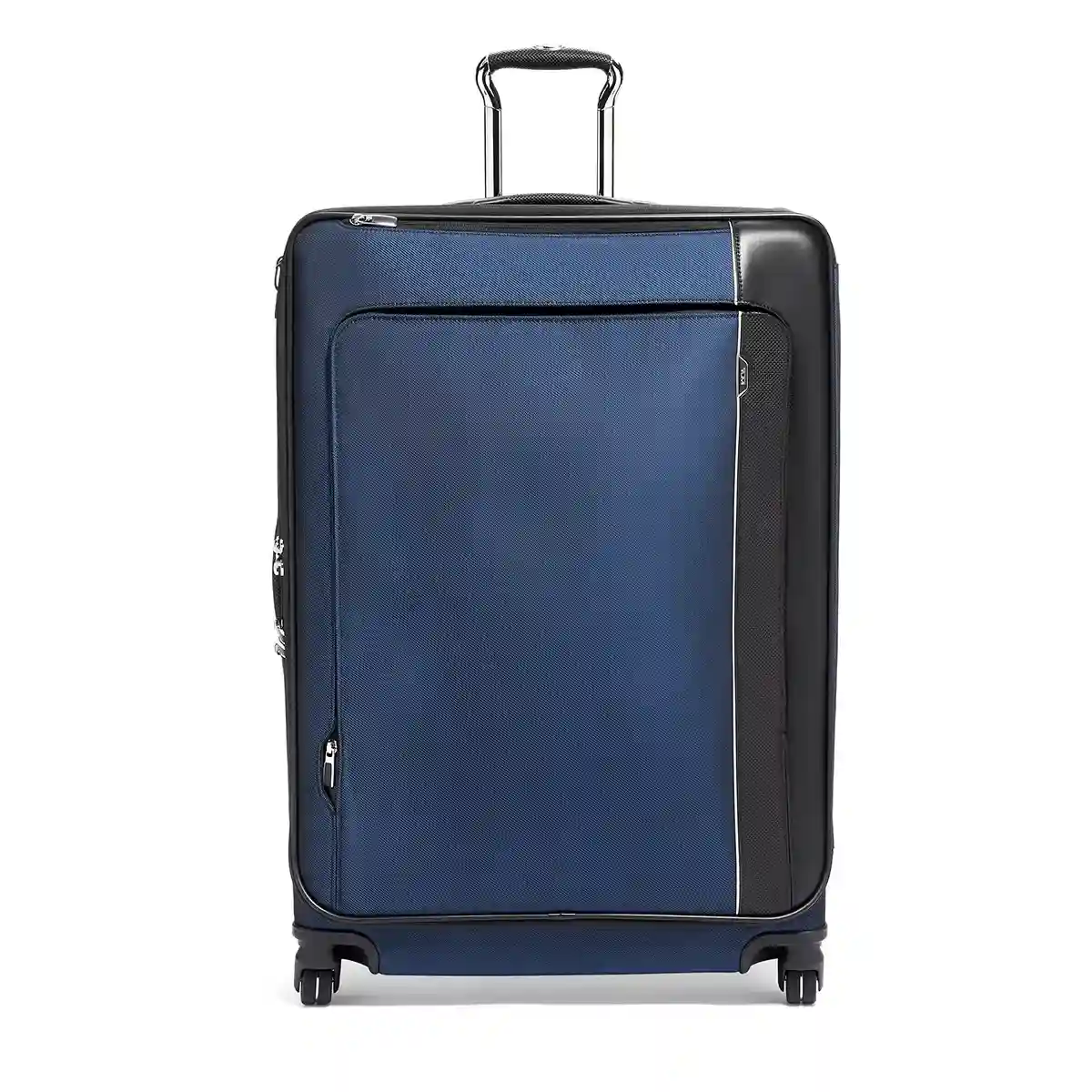
- Hard-shell suitcases
- Soft-sided duffel bags
- Large backpacks
- Garment bags that can be folded
Keep in mind, some airlines may restrict oversized or oddly shaped bags. Have you ever tried checking in a sports equipment bag? That often requires special handling. Always check your airline's website for specific size and shape guidelines.
Fees And Restrictions
Fees for checked bags vary widely. Some airlines include one free checked bag, while others charge for every piece. Common factors that influence fees include:
- Number of bags
- Weight of each bag
- Size and dimensions
Overweight or oversized bags usually come with extra charges. For example, a bag weighing over 50 pounds might cost an additional $100 or more. Have you ever been surprised by a hefty baggage fee? Planning your packing and weighing your bags beforehand can help avoid these extra costs.
Tips For Choosing Your Checked Bag
Choosing the right checked bag is more than just picking a suitcase that looks good. It’s about finding one that fits your travel habits and keeps your belongings safe. The right bag can make your journey smoother and less stressful, so let's dive into what really matters.
Durability And Protection
Your checked bag will face rough handling at airports. That’s why durability is key. Look for materials like polycarbonate or ballistic nylon that resist scratches and impacts.
Think about your last trip—did your bag survive or show signs of wear? A sturdy shell protects your items from getting crushed or broken. Also, check the quality of zippers and seams; weak spots can cause unexpected problems.
Consider bags with reinforced corners or extra padding. These features add an extra layer of protection where damage is most likely. Would you rather replace a cheap bag every trip or invest in one that lasts years?
Ease Of Handling
How easy is it to move your checked bag around? Handles, wheels, and weight all affect your travel experience. Bags with smooth, multi-directional spinner wheels glide through terminals effortlessly.
Test the handle’s grip and height adjustment before buying. If you’ve ever struggled dragging a bag behind you, you know how important this is. Remember, a lightweight bag reduces strain, especially when lifting it into overhead compartments.
Think about your typical travel routes: Do you walk long distances in airports or take taxis where luggage is lifted? Your bag should match those needs. Would you prefer a bag that feels like a burden or one that moves with you?
Common Misconceptions About Checked Bags
Many travelers confuse the term "checked bag" with other types of luggage. This confusion leads to mistakes at the airport and packing issues. Understanding what qualifies as a checked bag helps avoid these problems.
Checked bags are items handed over to the airline at check-in. These bags travel in the airplane's cargo hold. They differ from carry-ons, which stay with the passenger in the cabin.
Suitcase Vs. Duffel Bag Confusion
People often think only suitcases can be checked bags. Duffel bags and other soft-sided luggage also qualify as checked bags. The key factor is size and airline rules, not the bag type.
A large duffel bag can be checked if it meets the airline’s weight and dimension limits. Sometimes, soft bags fit better in cargo space. Suitcases are easier to identify but not the only option.
Carry-on Vs. Checked Bag Mix-ups
Some travelers confuse carry-on bags with checked bags. Carry-ons are smaller and stay with passengers during flights. Checked bags are larger and go under the plane.
Airlines have strict rules about size and weight for both types. Mixing them up can cause delays or extra fees. Always check airline policies before packing to avoid surprises.
Frequently Asked Questions
What Is The Difference Between A Checked Bag And A Suitcase?
A checked bag is any luggage you hand over at the airport for storage in the plane's cargo. A suitcase is a type of bag, often rectangular, used for packing clothes. Not all suitcases are checked bags, but many checked bags are suitcases.
Can A Suitcase Always Be Considered A Checked Bag?
No, a suitcase can be a carry-on or checked bag. It depends on the airline's size and weight rules. If it meets carry-on requirements, you keep it with you; otherwise, it becomes a checked bag.
Are All Checked Bags Suitcases By Definition?
No, checked bags include various types like duffel bags, backpacks, and suitcases. The key is they are handed over to the airline for stowing, not the specific bag type.
Does Checking A Bag Affect Airline Fees And Policies?
Yes, airlines often charge fees for checked bags based on size and weight. Carry-on bags usually have fewer restrictions and fees compared to checked bags.
Conclusion
A checked bag is not always a suitcase. It means luggage you give to the airline. A suitcase can be checked or carried on. Knowing this helps you pack smart and follow rules. Airlines set size and weight limits for checked bags.
Always check your airline’s policies before packing. This way, you avoid extra fees or delays. Understanding these terms makes travel easier and less stressful. Keep your trip smooth by knowing the difference. Simple tips like this save time and money.
Traveling becomes better with clear knowledge.