

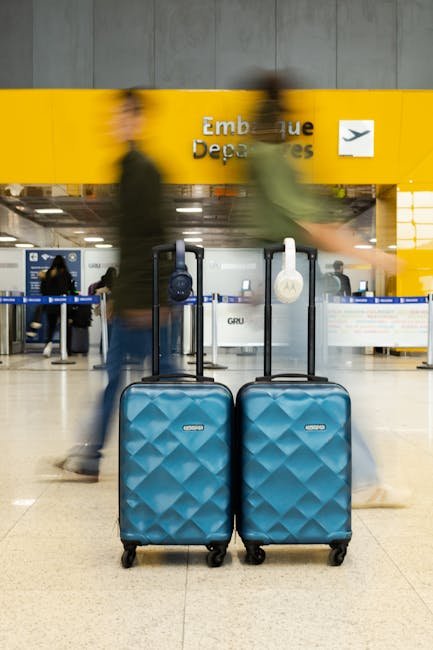
Are you planning a trip and wondering about the size limit for checked luggage? If so, you're not alone.
Many travelers like you are curious about the rules and want to avoid extra fees or hassles at the airport. Imagine the relief of knowing exactly what to pack and how to pack it without any surprises. Understanding the size limits can save you time, money, and stress.
Dive into this article to discover everything you need to know about checked luggage size limits and ensure your travel experience is smooth and worry-free.

Checked Luggage Size Basics
Checked luggage size is key for smooth travel. Knowing size limits helps avoid extra fees and delays. Each airline sets rules for checked bags. These rules focus on size and weight. Understanding the basics of checked luggage size makes packing easier. It also prevents surprises at the airport.
Standard Dimensions For Checked Bags
Most airlines allow checked bags up to 62 linear inches. Linear inches means the sum of length, width, and height. A common size is 27 x 21 x 14 inches. Bags larger than this may need extra fees. Size limits protect space on the plane. They also keep luggage safe during loading.
How Airlines Measure Luggage Size
Airlines measure luggage by adding the longest points. This includes handles and wheels. They use a tape measure or luggage gauge. Some airports have size-check machines. If a bag is too big, staff may ask to repack. Measuring size helps keep all luggage within limits.
Airline Size Limits Compared
Airlines set size limits for checked luggage to keep baggage handling safe and efficient. These rules vary by airline and region. Knowing size restrictions helps avoid extra fees and travel stress.
Each airline measures luggage size by adding length, width, and height. Most set a maximum total dimension in inches or centimeters. Weight limits often apply too, but size rules are key for fit.
Major U.s. Airlines
- American Airlines:Maximum 62 inches (157 cm) total dimensions.
- Delta Air Lines:62 inches (157 cm) combined length, width, height.
- United Airlines:62 inches (157 cm) total size allowed.
- Southwest Airlines:62 inches (157 cm) max dimensions.
These major carriers keep size limits consistent. Bags over 62 inches often face extra fees.
International Carriers
- British Airways:90 inches (230 cm) total size for some flights.
- Lufthansa:62 inches (158 cm) is standard maximum.
- Air France:62 inches (158 cm) total dimensions allowed.
- Emirates:59 inches (150 cm) usually, but can vary by route.
International airlines may allow larger bags. Still, limits vary by route and ticket class.
Low-cost Airlines
- Spirit Airlines:62 inches (157 cm) max size, strict on fees.
- Ryanair:55 inches (140 cm) total dimensions, smaller allowance.
- EasyJet:59 inches (150 cm) size limit.
- Frontier Airlines:62 inches (157 cm) max dimension.
Low-cost airlines often have stricter size limits. Expect fees for bags exceeding rules.
Oversized Luggage Policies
Airlines set strict rules for oversized luggage. These policies protect baggage handling and ensure safety. Oversized bags often exceed standard size limits, which affects fees and handling procedures. Knowing these rules helps avoid surprises at the airport.
Fees For Oversized Bags
Carrying oversized luggage usually comes with extra charges. Airlines charge fees based on size and weight limits. These fees vary by airline and destination. Expect to pay more if your bag is larger than the allowed size. Fees can range from $50 to over $200 per bag. Paying these fees upfront saves time and hassle during check-in.
Handling And Restrictions
Oversized bags face special handling rules. Airlines may require these bags to be checked at specific counters. Some airlines limit the total dimensions to around 62 linear inches (length + width + height). Bags exceeding these limits might not be accepted or may need special arrangements. Fragile or oddly shaped items often have extra restrictions. Always check airline policies before packing large or heavy items.

Tips To Avoid Oversized Charges
Avoiding oversized charges on checked luggage saves money and stress at the airport. Careful planning helps keep luggage within airline size limits. Small efforts before packing can prevent costly fees. Follow these tips to ensure your bag fits the rules and flies smoothly.
Choosing The Right Luggage
Select luggage that meets airline size requirements. Look for bags with dimensions under 62 inches total (length + width + height). Hard-shell suitcases often keep shape better and avoid bulging. Lightweight luggage helps stay under weight limits too. Consider expandable bags but avoid overfilling them.
Measuring Your Bag Correctly
Measure your bag before packing. Use a tape measure to check length, width, and height. Include wheels and handles in the measurement. Check airline size limits for your flight. Measure after packing if you can. This avoids surprises at check-in.
Packing Strategies
- Distribute items evenly to avoid bulges.
- Use compression bags to save space.
- Pack heavy items at the bottom for stability.
- Roll clothes to maximize space and reduce wrinkles.
- Limit extra items that add bulk.
Special Items And Exceptions
Special items often have unique rules for checked luggage. Airlines treat them differently due to size, shape, or fragility. Knowing these exceptions helps avoid extra fees or issues at the airport.
Sports Equipment
Sports gear often exceeds standard luggage sizes. Items like skis, golf clubs, or surfboards need special handling. Airlines usually allow these but may charge extra fees. Packing tips matter to protect your equipment during travel. Always check airline policies before packing sports gear.
Musical Instruments
Musical instruments require careful consideration. Smaller instruments might fit in a carry-on, but larger ones often go as checked luggage. Airlines may have size limits, but some offer special compartments. Using hard cases helps prevent damage. Inform the airline about your instrument for smoother travel.
Fragile Or Valuable Items
Fragile or valuable items need extra protection. Wrapping them well and using sturdy cases is essential. Some airlines suggest carrying these items on board instead of checking them. Insurance might be available for high-value goods. Always label your luggage as fragile for better handling.

Frequently Asked Questions
What Is The Standard Size Limit For Checked Luggage?
Most airlines set the size limit for checked luggage at 62 linear inches. This total includes length, width, and height combined. Exceeding this limit may result in extra fees or baggage being rejected.
Are Weight Limits Different From Size Limits For Checked Bags?
Yes, weight limits are separate from size limits. Common weight limits range from 50 to 70 pounds. Airlines charge additional fees if your bag exceeds the allowed weight.
Do Size Limits Vary By Airline For Checked Luggage?
Yes, size limits can vary among airlines. Always check your airline’s specific baggage policy before travel. This helps avoid surprises and additional charges.
Can Oversized Luggage Be Checked In With Extra Fees?
Most airlines allow oversized luggage with extra fees. Fees depend on how much the bag exceeds size limits. Confirm costs with your airline before your trip.
Conclusion
Checked luggage size limits vary by airline and destination. Most airlines set a maximum linear size around 62 inches. Exceeding this size often means extra fees or denied boarding. Always check your airline’s rules before packing. Measuring your bag helps avoid surprises at the airport.
Remember, weight limits also matter along with size. Planning ahead makes your travel easier and stress-free. Safe, smooth trips start with knowing luggage rules. Simple steps save time and money. Keep these tips in mind when preparing your bags.