

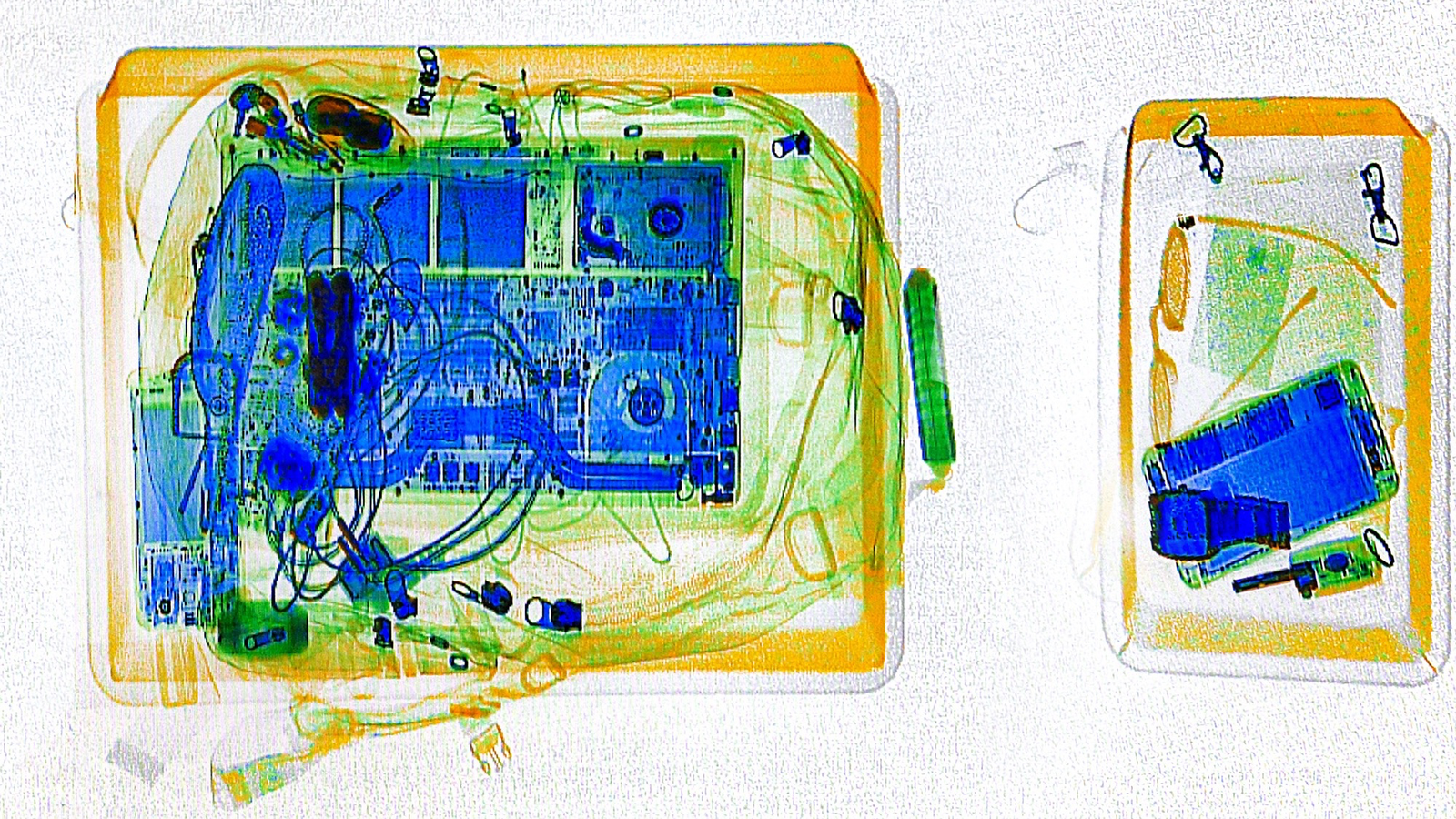
Ever wondered what those airport scanners can actually see inside your luggage? As you place your bag on the conveyor belt and watch it disappear into the mysterious world of airport security, curiosity might get the best of you.
You're not alone. These machines are fascinating, and understanding their capabilities can ease your mind and make your travel experience smoother. You're about to discover what these scanners reveal about your belongings, and why it's crucial for both safety and convenience.
Stick around to uncover the secrets of airport security and how they impact your travel routine.
Types Of Airport Scanners
Airport scanners play a vital role in keeping air travel safe. They use different technologies to inspect your luggage quickly and thoroughly. Understanding these types can help you feel more confident and prepared when going through security.
X-ray Machines
X-ray machines are the most common scanners you’ll encounter at airports. They use X-rays to create images of your bags’ contents by showing different materials in varying shades of black, white, and gray.
Dense items like metals appear white, while organic materials such as food or clothing show up in darker tones. This contrast helps security officers spot prohibited items without opening your luggage.
Have you noticed how some items seem clearer than others on the X-ray monitor? That’s because the machine adjusts the X-ray intensity based on the object’s density, giving officers a detailed view in seconds.
Millimeter Wave Scanners
Millimeter wave scanners use high-frequency radio waves to detect objects on or inside your luggage. These scanners produce a 3D image that highlights shapes and anomalies without revealing intimate details.
This technology is especially useful for detecting non-metallic threats like plastics or ceramics, which X-rays might miss. It’s also faster and safer since it doesn’t use ionizing radiation.
Next time you see a security officer using a millimeter wave scanner, remember it’s designed to catch hidden items that blend in with your belongings, making your journey safer.
Backscatter X-ray Systems
Backscatter X-ray systems differ from traditional X-rays by bouncing low-energy X-rays off objects rather than passing through them. This creates detailed images of the surface and inside of your luggage.
They are particularly effective at spotting explosives, drugs, and other contraband hidden inside your bags. However, these scanners are less common now due to privacy concerns and the rise of alternative technologies.
Have you ever wondered how security balances thorough inspections with respecting your privacy? Backscatter systems reflect that ongoing challenge in airport security technology.
How Scanners Detect Items
Airport scanners use technology to see inside luggage without opening it. They detect hidden or dangerous items by analyzing different features of objects. This process helps keep flights safe and passengers secure. Understanding how scanners work shows the careful checks your bags go through.
Material Density And Composition
Scanners detect items by measuring how dense materials are. Denser objects block more X-rays or other waves. This creates a contrast that highlights metals, liquids, and organic materials. Different materials absorb energy in unique ways. Machines use this to identify what objects are made of inside bags.
Shape And Size Recognition
Scanners also analyze the shape and size of objects. They compare outlines to known shapes of common items. This helps spot weapons, electronics, or unusual items. Size clues give hints about what an object might be. The system flags odd shapes for further inspection by security staff.
Advanced Imaging Techniques
Modern scanners use 3D imaging and dual-energy X-rays. These methods create detailed images from multiple angles. They reveal hidden compartments and layered items. Software enhances images to show colors and textures. This makes it easier to detect threats or prohibited goods quickly.
Commonly Revealed Objects
Airport scanners reveal a surprising amount of detail about what's inside your luggage. They can pick up on various shapes, densities, and materials, making it easier for security staff to identify items quickly. Understanding what these scanners commonly reveal can help you pack smarter and avoid unnecessary delays.
Electronics And Gadgets
Airport scanners easily detect electronics like laptops, tablets, and smartphones. These devices show up clearly due to their dense batteries and metal components. You might notice how your charger cables and headphones also stand out on the screen.
Have you ever wondered why security asks you to remove laptops from your bag? It’s because these gadgets can block the view of other items behind them. By separating them, scanners get a clearer image, making the whole process faster and less stressful for you.
Liquids And Gels
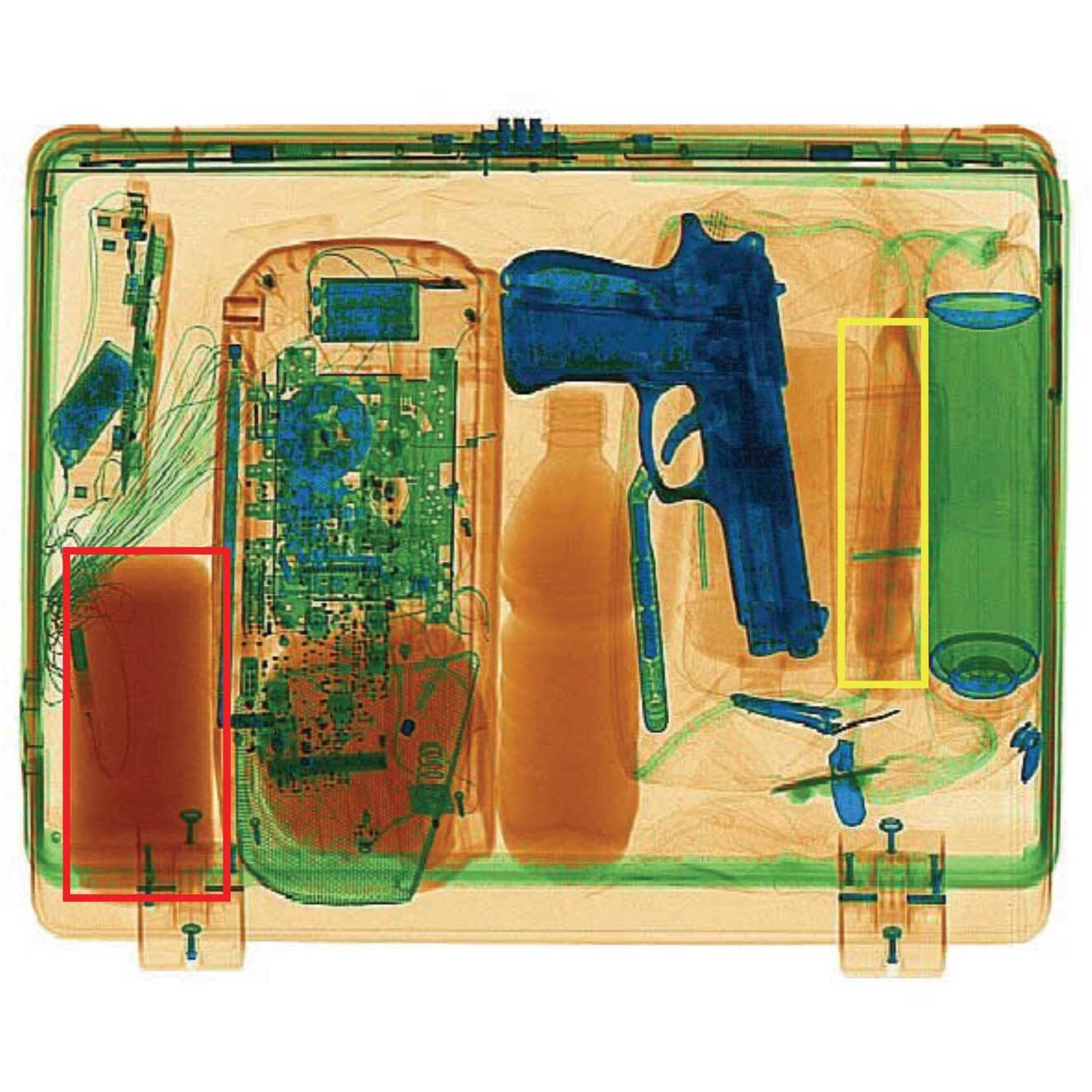
Liquids and gels show up on scanners as semi-transparent shapes, but their containers are easy to spot. Security staff look for volumes exceeding the allowed limits or containers that don’t match typical shapes. Even opaque bottles can be seen because scanners detect the liquid inside.
Remember to pack your liquids in clear, resealable bags. This simple step helps reduce the chance of your items being flagged for extra inspection. Ever had your favorite lotion confiscated? Proper packing can save you from that hassle.
Weapons And Prohibited Items
Airport scanners are designed to detect potential threats like weapons or sharp objects. These items have distinct shapes and densities, making them stand out immediately. Even small blades or disguised weapons won’t go unnoticed.
This is why you should never try to sneak prohibited items in your luggage. The scanners don’t rely on guesswork—they provide clear, actionable images that security officers use to keep everyone safe. How confident are you in what you pack when you travel?
Hidden Threats And Concealed Items
Airport scanners are designed to spot more than just your everyday items. They reveal hidden threats and concealed objects tucked away in luggage that you might never expect to find. Understanding what these scanners can detect helps you appreciate the technology keeping travelers safe.
Explosives Detection
Explosives are a top concern for airport security. Scanners use advanced imaging and chemical sensors to identify suspicious shapes and materials.
They can detect powders, liquids, and gels that might be hidden inside containers or disguised as harmless items. Have you ever wondered how a seemingly innocent bottle could trigger an alarm?
This technology helps prevent dangerous materials from making it onto planes, protecting everyone on board.
Smuggled Goods
Smugglers often try to hide illegal items deep inside their luggage. Airport scanners can reveal hidden compartments or unusual shapes that don't match typical belongings.
From undeclared electronics to rare wildlife products, scanners help authorities catch items that might otherwise go unnoticed. Next time you pack, think about how every item in your bag appears on the scanner’s screen.
Have you ever considered how thorough these checks are beyond the surface?
Counterfeit Products
Fake goods like watches, handbags, and electronics are often smuggled through airports. Scanners can detect inconsistencies in packaging and materials that hint at counterfeit items.
These fake products might look real to the eye, but their density and structure differ from authentic ones. This helps customs officers identify and seize counterfeit goods before they enter the market.
Would you risk carrying something that could get you into serious trouble just to save a few dollars?
Privacy Concerns And Security Measures
Airport scanners play a crucial role in keeping air travel safe, but they also raise important questions about privacy. You might wonder how your personal belongings are viewed and stored during security checks. Understanding the balance between security measures and privacy rights can help you feel more confident the next time you travel.
Image Handling And Storage
The images produced by airport scanners show detailed contents of your luggage. These images are usually viewed only by security personnel on-site and are not saved permanently. However, some airports might store images temporarily for further inspection or training.
Knowing this, you might ask: Who exactly sees these images? Most airports limit access to authorized staff only, and strict protocols exist to prevent misuse. Still, the idea of strangers seeing your private items can feel uncomfortable.
Passenger Rights
You have rights when it comes to how your luggage is scanned and how the images are handled. Many countries require that scanners do not reveal explicit personal items and that images are anonymized. You can also request alternative screening methods if you feel uncomfortable.
Being aware of your rights empowers you to speak up if you think procedures overstep your privacy. Security staff are trained to respect these boundaries, but it helps if you know what to expect before arriving at the airport.
Balancing Security And Privacy
Security is essential, but your privacy matters too. Airports try to balance these by using technology that detects threats without exposing personal details unnecessarily. For example, software can highlight suspicious objects without showing detailed images.
Think about what matters most to you: safety or privacy? The reality is, both are important, and ongoing improvements aim to protect your privacy while keeping everyone safe. What changes would make you feel more comfortable during security checks?

Future Developments In Scanner Technology
Airport scanners have evolved significantly, but the future promises even more advanced technology to enhance security and efficiency. These developments aim to make the screening process faster, more accurate, and less intrusive for travelers like you. Understanding what’s on the horizon can help you appreciate how your luggage will be examined in the coming years.
Ai And Machine Learning Integration
Artificial intelligence and machine learning are being added to scanner systems to improve threat detection. These technologies learn from thousands of scanned images and quickly identify suspicious items, reducing human error.
Imagine a scanner that adapts and improves every day, spotting hidden dangers that might be missed by human operators. This means fewer false alarms and shorter wait times for you at security checkpoints.
Improved Resolution And Speed
Future scanners will offer sharper images with higher resolution, allowing security staff to see smaller details inside your luggage. This clarity helps identify prohibited items without opening bags unnecessarily.
At the same time, these machines will process scans faster, speeding up the entire screening line. This means you’ll spend less time waiting and more time focusing on your trip.
Non-invasive Screening Methods
New methods are being developed to screen luggage without physical contact or unpacking. These non-invasive techniques use advanced imaging and sensors to detect threats while keeping your belongings intact.
Think about the convenience of walking through security knowing your personal items aren’t being disturbed. Could this lead to a smoother, less stressful travel experience for you?

Frequently Asked Questions
What Items Can Airport Scanners Detect In Luggage?
Airport scanners detect metals, liquids, electronics, and organic materials. They highlight potential threats like weapons, explosives, and prohibited items clearly.
How Do X-ray Scanners Reveal Luggage Contents?
X-ray scanners use radiation to create images of luggage. Different materials absorb X-rays differently, helping operators identify shapes and densities inside bags.
Can Airport Scanners See Through Electronics And Liquids?
Yes, scanners can see inside electronics and liquids by showing their density and shape. This helps identify hidden threats or banned substances.
Are Personal Privacy Concerns Valid With Airport Scanners?
Scanners show only outlines and densities, not detailed personal items. Privacy is maintained as images focus on security risks, not personal belongings.
Conclusion
Airport scanners show the contents inside your luggage clearly. They help security find dangerous items quickly. Scanners can see liquids, electronics, and metals easily. They also spot hidden objects or unusual shapes. This keeps travelers safe and smooths the boarding process.
Knowing what scanners detect helps you pack smarter. Keep your bags organized and avoid carrying banned items. Security checks become faster and less stressful this way. Airport scanners play an important role in travel safety. Understanding their function makes your trip more comfortable.