

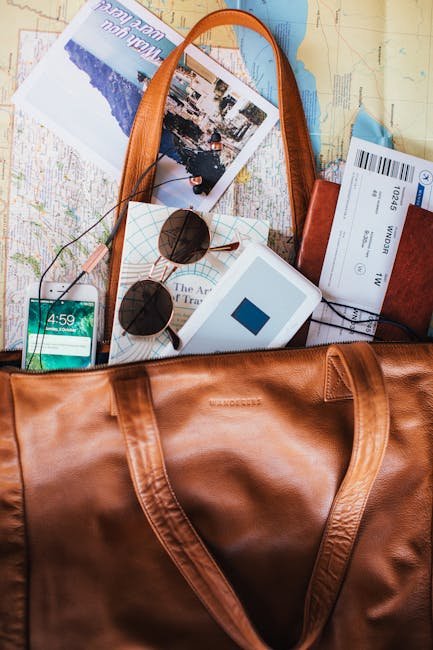
Getting ready for a trip can be both exciting and overwhelming, especially when you’re packing your bags. You've probably asked yourself, "What can I bring in my checked bag?"
It's a common question that can make or break your travel experience. Imagine arriving at your destination, only to find out that your favorite shampoo or special gift has been confiscated. Frustrating, right? But don't worry! This article is here to help you avoid those travel headaches.
You'll discover exactly what items are allowed in your checked luggage and how to pack efficiently. Stick around to ensure your journey is smooth and hassle-free, so you can focus on enjoying your adventure.
Checked Bag Basics
Packing a checked bag requires knowing the rules. Airlines set limits to keep flights safe and fair. Understanding these basics helps avoid surprises at the airport. You can travel smooth by following simple guidelines.
Weight And Size Limits
Most airlines allow checked bags up to 50 pounds (23 kg). Some international flights permit up to 70 pounds (32 kg). The size limit usually totals 62 inches (158 cm). This means length + width + height combined. Bags over these limits may face extra fees or refusal.
Common Airline Policies
Each airline has its own rules. Some allow one free checked bag; others charge for all bags. Certain items like batteries or liquids may be restricted. Fragile items should be packed carefully or kept in carry-on. Checking the airline’s website before packing saves time and stress.
Fees And Charges
Fees depend on the airline, route, and bag weight. First checked bag fees often range from $25 to $35. Overweight or oversized bags cost more, sometimes $100 or more. Paying online before the flight is usually cheaper than at the airport. Knowing fees helps plan your budget better.
Allowed Items
Knowing what items are allowed in your checked bag helps avoid delays and extra fees. Airlines have clear rules about what you can pack. Most personal belongings travel safely in checked luggage. Focus on packing items that won't cause issues during security checks. This guide covers common allowed items to make your packing easier.
Clothing And Shoes
Clothing is safe to pack in checked bags. Include all types such as shirts, pants, jackets, and underwear. Shoes are also allowed but place them in a shoe bag to keep clothes clean. Avoid packing wet or dirty clothes to prevent damage. Use packing cubes to organize your garments and save space.
Toiletries And Personal Care
Most toiletries can go in checked luggage. Solid items like soap, shampoo bars, and deodorant are fine. Liquids and gels should be in containers larger than 3.4 ounces since TSA rules for carry-ons do not apply here. Seal liquids tightly in plastic bags to avoid leaks. Avoid packing aerosols that are flammable or restricted.
Electronics And Gadgets
Electronics such as hair dryers, electric razors, and chargers can be packed. Remove batteries if possible, especially lithium-ion types, or follow airline guidelines. Larger gadgets like laptops should stay in carry-ons, but smaller devices fit well in checked bags. Protect delicate items with padding to prevent damage.
Restricted Items
Knowing what you can and cannot pack in your checked bag is crucial to avoid delays and frustration at the airport. Restricted items are those that pose safety risks or violate airline policies. Being clear about these items helps you travel smoothly and keeps everyone safe.
Liquids And Gels
You might think liquids are only a concern in your carry-on, but some restrictions apply to checked bags too. Large quantities of flammable liquids like alcohol over 70% are banned. However, you can pack small amounts of non-flammable gels and liquids if they’re sealed properly.
Have you ever had your shampoo or lotion confiscated? That’s often because the container wasn’t sealed or exceeded limits. Always check the airline’s specific rules to avoid losing your favorite products.
Sharp Objects
Sharp items like knives, scissors, and razor blades are not allowed in carry-ons but can usually go in checked bags. Still, you must pack them carefully to prevent injury to baggage handlers and inspectors. Wrapping blades securely or using blade guards is a smart move.
Think about that time you forgot to secure your pocket knife—could it have caused harm? Proper packing is your responsibility. If you’re unsure, contact your airline before packing sharp objects.
Flammable And Hazardous Materials
Flammable items such as lighter fluid, paint, and certain batteries are strictly forbidden in checked bags. Hazardous materials like bleach, fireworks, or compressed gas cylinders pose serious risks and are banned too. Airlines and security agencies enforce these rules tightly to prevent accidents.
Have you ever paused before tossing a mysterious can into your suitcase? That moment of doubt is important. When in doubt, leave it out or declare it to avoid fines or worse consequences.
Prohibited Items
Checked bags have strict rules about what you can pack. Some items are banned completely. These rules keep everyone safe during travel. Knowing what not to pack saves time and trouble at the airport.
Explosives And Fireworks
Explosives pose a huge danger on planes. Fireworks are highly flammable and can ignite easily. Both are banned in checked bags. This includes fireworks, gunpowder, flares, and dynamite.
Even small amounts can cause serious accidents. Airlines and airports enforce this rule strictly. Never try to bring any explosive materials in your luggage.
Weapons And Ammunition
Weapons like guns, knives, and pepper spray are not allowed. Ammunition is also banned in checked bags. Some airlines may allow firearms if declared and packed properly. Always check airline rules before packing.
Unlawful weapons can cause delays or legal trouble. Security checks focus heavily on these items. Avoid packing anything that looks like a weapon.
Illegal Substances
Illegal drugs and substances are forbidden in all luggage. Carrying these items can lead to arrest and fines. Customs officers inspect bags for illegal materials.
Always follow laws of the country you travel to. Packing illegal substances risks your trip and freedom. Stick to legal items only to avoid problems.
Packing Tips
Packing your checked bag can be a tricky balance between bringing everything you need and keeping it organized and safe. Smart packing makes your travel experience smoother and prevents last-minute stress at the airport. Let’s look at some practical tips to help you pack efficiently and protect your belongings.
Organizing Your Bag
Start by grouping similar items together. Use packing cubes or ziplock bags to separate clothes, toiletries, and electronics. This keeps your bag tidy and makes it easier to find things without unpacking everything.
Consider a checklist to avoid forgetting essentials. Place heavier items at the bottom to keep your bag stable. Have you ever needed something urgently but couldn’t find it in your bag? Organization solves that problem.
Protecting Fragile Items
Wrap delicate items in soft clothing like sweaters or scarves to cushion them. If you carry electronics or glass bottles, use padded cases or bubble wrap for extra protection. Avoid placing fragile items near the bag’s edges where they are more likely to get crushed.
Label your bag as fragile if you want handlers to take extra care. I once packed a souvenir vase and wrapped it carefully with a scarf; it arrived intact because I planned ahead. How do you usually protect breakables during travel?
Maximizing Space
Roll your clothes instead of folding to save space and reduce wrinkles. Fill shoes with socks or small items to use every nook. Place heavier items at the bottom and lighter ones on top to maintain balance.
Use every inch of your bag—think about layering and filling gaps. Avoid overpacking by prioritizing what you truly need. Have you tried rolling clothes or stuffing shoes before? It’s a game-changer for fitting more into your bag.

Special Considerations
Special considerations apply to certain items in checked bags. Airlines and security agencies set rules to keep flights safe. Knowing these rules helps avoid delays and lost items. Some things need extra care or documentation to travel smoothly.
Traveling With Medications
Carry medications in original containers. Include a doctor’s note or prescription if possible. Pack enough medicine for the trip plus extra days. Keep medications in your carry-on if they are vital. Some medicines may require temperature control.
Transporting Food Items
Pack food in sealed containers to avoid spills. Avoid fresh fruits, vegetables, and meats in international trips. Check country rules for food import restrictions. Dry snacks and packaged foods are usually allowed. Label homemade food clearly if needed.
Sporting Equipment And Tools
Large sports gear often needs special packing. Use hard cases for fragile or heavy items. Sharp tools and equipment must be secured and covered. Some items may need airline approval before travel. Declare oversized gear at check-in to avoid extra fees.
Customs And Security
Customs and security are crucial checkpoints in your travel journey. Knowing what to declare, how security screenings work, and what happens if something is confiscated can save you time and stress. Let’s break down these essentials so you’re fully prepared for your next trip.
Declaring Items
You must declare certain items when passing through customs. This includes goods over a specific value, food, plants, and any restricted or prohibited items. Failing to declare these can lead to fines or confiscation.
Think about souvenirs or gifts you’re bringing back. Are they on the allowed list? Always check the customs website of your destination before packing.
Security Screening Process
Security screening is more than just a quick bag scan. Your checked bag may be opened and inspected by security officers. They look for prohibited items like weapons, explosives, or anything that could pose a risk.
Sometimes, they might swab your bag for traces of explosives or other substances. This process is routine but can feel intrusive, so pack with transparency in mind. Remember, keeping your bag organized helps speed up this process.
Handling Confiscations
If an item in your checked bag is not allowed, it may be confiscated. You won’t usually get it back, so avoid packing anything questionable. Some airports provide a list of confiscated items for your reference.
Have you ever lost something you forgot was not allowed? It’s frustrating, but it teaches a valuable lesson: double-check your packing list against customs rules. When in doubt, leave it out.

:max_bytes(150000):strip_icc()/tal-amazon-roundup-roundup-mom-recommended-packing-hacks-tout-b7a3bf9a76944de3a8d02c23255c4b50.jpg)
Frequently Asked Questions
What Items Are Allowed In Checked Baggage?
Most clothing, shoes, toiletries, and non-perishable food are allowed. Avoid prohibited items like explosives, flammable liquids, and lithium batteries.
Can I Pack Liquids In My Checked Bag?
Yes, liquids are permitted in checked bags without size limits. Ensure containers are sealed tightly to prevent leaks.
Are Sharp Objects Allowed In Checked Luggage?
Sharp objects like scissors and knives are allowed in checked bags but prohibited in carry-on luggage.
Can I Pack Electronics In My Checked Baggage?
It’s best to carry electronics in your carry-on. Checked bags risk damage or theft of valuable electronics.
Conclusion
Packing your checked bag does not have to be confusing. Know the rules about what is allowed and what is not. Always check airline and security guidelines before you pack. Keep liquids, sharp objects, and valuables in mind. Stay organized to avoid delays at the airport.
Remember, safe packing helps your trip start smoothly. Prepare wisely and enjoy your travel without stress. Simple steps make a big difference when flying. Safe travels!