

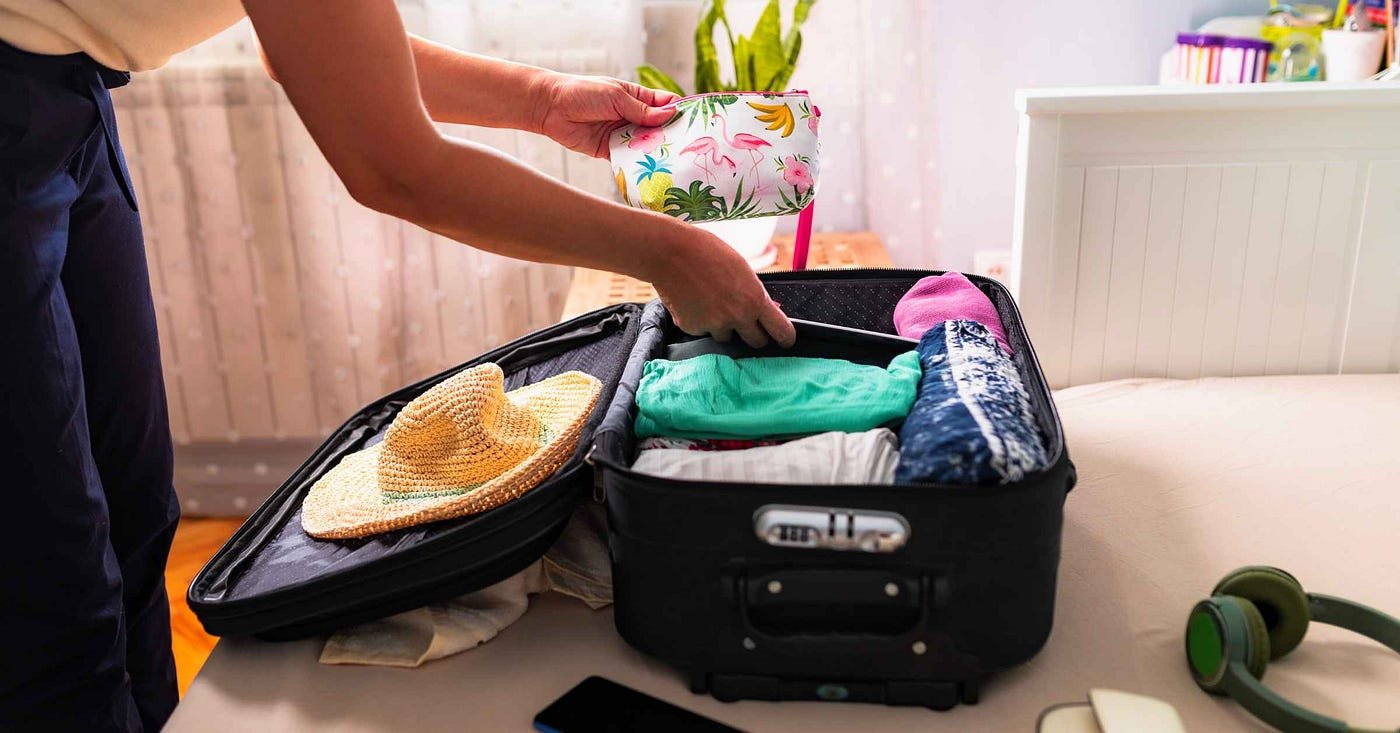
When you're preparing for a trip, figuring out what you can pack in your checked luggage can feel like solving a puzzle. With airline rules constantly changing, it's easy to feel overwhelmed.
You might wonder, "Can I pack my favorite shampoo? " Or "Is it okay to bring that bottle of wine? " Understanding what you can and can't pack is crucial for a smooth travel experience. Imagine the peace of mind you'll have knowing your luggage is packed perfectly, avoiding any last-minute airport stress.
Dive into this guide, and let’s unravel the mystery of checked luggage together so you can travel with confidence.

Items Allowed In Checked Luggage
Packing your checked luggage can feel like a puzzle. Knowing what you can safely include helps avoid last-minute repacking or surprises at the airport. Here’s a clear guide on the kinds of items you can place in your checked bags without hassle.
Clothing And Accessories
Clothing is the easiest and most common item to pack in checked luggage. You can include everything from everyday wear to formal attire and even bulky coats. Accessories like belts, scarves, and hats travel well in your checked bag and free up space in your carry-on.
Remember to pack shoes in shoe bags or wrap them to keep your clothes clean. Have you ever had your favorite shirt wrinkled beyond recognition? Packing smart can prevent that.
Toiletries And Personal Care
Most toiletries are allowed in checked luggage, even liquids, but they must be securely sealed to prevent leaks. Items like shampoo, conditioner, deodorant, and toothpaste can be packed without worrying about size restrictions that apply to carry-ons.
Be cautious with aerosols or flammable products, as airlines may have specific rules. Solid items like soap bars or makeup kits are also safe choices.
Electronic Devices
While you can pack many electronic devices in checked luggage, it's best to keep valuable or fragile items like laptops and cameras in your carry-on. However, larger items such as hairdryers, electric razors, or chargers can go in checked bags.
Make sure all electronics are turned off, and batteries are removed if possible. Have you considered wrapping devices in soft clothing to protect them during handling?
Food And Snacks
Non-perishable food items are generally allowed in checked luggage. Dry snacks like nuts, granola bars, or cookies travel well and can save you money on airport food.
Avoid packing fresh fruits or meats, as these may be restricted depending on your destination. Always check the customs rules if you’re traveling internationally.
Sports And Outdoor Gear
Sports equipment like golf clubs, tennis rackets, and fishing gear can be packed in checked luggage, often with special airline guidelines. Outdoor gear such as tents, sleeping bags, and hiking boots fit well in checked bags and don’t need to be carried onboard.
Be aware of weight limits and consider protective cases for fragile equipment. What’s your go-to gear for outdoor adventures that you always bring along?

Restricted Items In Checked Bags
Knowing what you cannot pack in your checked luggage is just as important as knowing what you can. Certain items are restricted for safety reasons and can cause delays, fines, or even confiscation. Avoid surprises by understanding these restrictions before you pack your bags.
Flammable And Explosive Materials
Flammable items like gasoline, lighter fluid, and fireworks are strictly forbidden in checked luggage. Even small quantities can pose serious risks during flight. Have you ever thought about how something as common as a lighter might cause trouble? Keep these materials out to protect yourself and other passengers.
Sharp Objects And Weapons
Sharp objects such as knives, scissors, and razor blades can’t be packed in checked bags unless properly sheathed and declared. Firearms must follow specific airline and legal regulations, usually requiring declaration and special packaging. Imagine the hassle if your pocketknife is found—better to leave it at home or ship it securely.
Lithium Batteries And Electronics
Lithium batteries are considered fire hazards and have strict rules for checked luggage. Spare batteries should never go in checked bags, but devices with installed batteries are usually allowed. Have you ever had to remove batteries at the airport? Keeping electronics in your carry-on avoids this issue and ensures they remain safe.
Perishable Goods
Perishable items like fresh food, dairy, and plants often face restrictions because they can spoil or attract pests. Airlines and customs may confiscate these items to prevent contamination. Think twice before packing that homemade pie or fresh fruit if you want it to arrive in good shape.
Valuables And Fragile Items
High-value items like jewelry, cash, and fragile souvenirs should never be placed in checked luggage. Lost or damaged bags can mean lost treasures. Have you ever experienced a delayed or lost bag? Keep valuables and delicate items in your carry-on to stay in control and avoid heartbreak.
Packing Tips For Checked Luggage
Packing checked luggage requires smart strategies to save space and protect belongings. Efficient packing helps avoid extra fees and keeps your items safe during travel. Organizing your suitcase makes unpacking easier and ensures you find essentials quickly.
Maximizing Space
Roll clothes instead of folding to save room. Use shoes to store small items like socks or chargers. Fill empty gaps with belts or scarves. Pack heavier items at the bottom to balance weight. Compress clothes with vacuum bags to reduce bulk.
Protecting Fragile Items
Wrap breakables in soft clothing for cushioning. Place fragile items in the center of your suitcase. Use bubble wrap or padded cases for extra protection. Avoid packing glass bottles without sturdy covers. Mark your luggage as fragile to alert handlers.
Organizing With Packing Cubes
Packing cubes keep items separated and tidy. Sort clothes by type or day of use in different cubes. Use smaller cubes for underwear and accessories. Cubes help compress clothes and maintain shape. Easy to pull out only what you need.
Weighing Your Luggage
Use a luggage scale to check weight before the airport. Stay under airline weight limits to avoid extra fees. Distribute weight evenly inside the suitcase. Keep heavier items close to wheels for balance. Remove unnecessary items if overweight.
Labeling And Security Measures
Attach a sturdy luggage tag with your contact details. Use a secure lock approved by airports. Avoid placing valuables in checked bags. Take photos of your luggage before travel. Consider wrapping luggage for added protection.
Airline Policies And Regulations
Airline policies and regulations shape what you can pack in your checked luggage. Knowing these rules helps avoid surprises at the airport. Each airline sets clear limits on weight, size, and contents. Following these guidelines keeps your trip smooth and stress-free.
Weight Limits And Fees
Airlines set weight limits for checked bags, often between 50 and 70 pounds. Bags over the limit usually incur extra fees. Fees can rise sharply for heavy or multiple bags. Weigh your luggage before leaving home to avoid charges.
Size Restrictions
Checked bags must meet size rules based on length, width, and height. Most airlines allow bags up to 62 linear inches (length + width + height). Oversized bags may face additional fees or not be accepted. Measure your bag to ensure it fits these limits.
International Travel Rules
International flights have stricter rules for checked luggage. Customs regulations affect what you can bring across borders. Some items allowed domestically are banned internationally. Check the destination country’s rules before packing.
Prohibited Items Lists
Airlines and security agencies publish lists of prohibited items. These include explosives, flammable liquids, and sharp objects. Some items like batteries or liquids have special rules. Review these lists to keep your bag safe and compliant.
Tips For Avoiding Extra Charges
- Pack light and use a reliable luggage scale.
- Choose bags that fit size restrictions easily.
- Check airline rules before booking your flight.
- Separate heavy or bulky items into carry-on bags if allowed.
- Declare any restricted or unusual items ahead of time.
Handling Special Items
Handling special items in your checked luggage requires extra attention to ensure they arrive safely and comply with airline regulations. These items often need careful packing, and some may have specific rules you must follow. Understanding how to pack them properly can save you from headaches and potential delays at the airport.
Medications And Medical Equipment
Always pack essential medications in your carry-on to avoid losing access during delays. However, if you must check larger medical equipment, wrap it well in protective padding. Label your items clearly and keep a doctor's note or prescription handy to explain their necessity.
Have you ever faced a situation where your medical device got damaged during transit? Taking extra steps like using a hard case can prevent such issues.
Sports Equipment
Sports gear like skis, golf clubs, or tennis rackets are bulky but can be checked in with proper packaging. Use padded bags designed specifically for sports equipment to protect them. Check with your airline about any fees or size restrictions before you pack.
Consider the fragility of your gear. For instance, a cracked tennis racket can ruin your game, so pack it with bubble wrap or towels for extra cushioning.
Musical Instruments
If your instrument is small and valuable, consider carrying it on board. For larger instruments, use a sturdy, hard-sided case and secure it with locks. Mark the case as fragile and add “Handle with Care” stickers to alert baggage handlers.
Have you ever opened your case to find a cracked violin? Proper padding inside the case can make a big difference.
Gifts And Souvenirs
When packing gifts, avoid wrapping them before your trip; security may need to inspect them. Use bubble wrap or soft clothes to protect fragile souvenirs. Keep receipts handy in case customs officers ask for proof of purchase or value.
Think about the destination’s customs rules. Certain items may be restricted or require declaration, so check beforehand.
Baby Supplies
Items like diapers, formula, and baby food are allowed in checked luggage but pack extra for emergencies. Use sealed containers to prevent spills and consider packing a change of clothes for your baby in your carry-on. Label all baby supplies clearly for easy access.
Have you ever had to rummage through your bags for a pacifier? Keeping baby items organized can save time and stress during travel.
Common Mistakes To Avoid
Packing checked luggage requires careful planning to avoid common errors. These mistakes can cause delays, extra fees, or lost items. Being aware helps save time and stress at the airport.
Overpacking
Overpacking adds unnecessary weight and may exceed airline limits. Heavy bags can lead to extra charges. Pack only what you need. Choose versatile clothing and essentials. Avoid filling every inch of your suitcase.
Ignoring Airline Guidelines
Each airline has specific rules for checked luggage. Ignoring these can cause baggage delays or refusal. Check weight limits and size restrictions. Follow packaging rules for fragile or special items. Confirm rules before packing.
Packing Prohibited Items
Some items are banned in checked luggage for safety reasons. Examples include explosives, flammable liquids, and lithium batteries. Packing these can lead to confiscation or fines. Review prohibited item lists from your airline and airport.
Not Securing Luggage Properly
Loose zippers or weak locks risk damage or theft. Use sturdy locks and strong luggage materials. Wrap fragile items with padding. Check zippers and straps before leaving. Proper security protects your belongings.
Failing To Keep Essentials Accessible
Essentials like medication or travel documents should not go in checked bags. Delays or lost luggage make access difficult. Keep these items in your carry-on. Plan for easy reach during your journey.
:max_bytes(150000):strip_icc()/tal-how-to-pack-a-carry-on-bag-tout-0e67faf21540495f8b4197c466a114f8.jpg)
Frequently Asked Questions
What Items Are Allowed In Checked Luggage?
Checked luggage can hold clothes, shoes, toiletries, and non-liquid items. Sharp objects and flammable materials are usually prohibited. Always check airline rules for specific restrictions before packing.
Can I Pack Liquids In Checked Baggage?
Yes, liquids are allowed in checked bags but must be sealed properly. Large quantities over 100ml are accepted in checked luggage, unlike carry-ons. Ensure bottles are leak-proof to avoid spills.
Are Electronic Devices Safe In Checked Luggage?
It’s best to carry valuable electronics in your carry-on. Checked luggage can be rough-handled, increasing damage risk. If packed in checked bags, protect devices with padding and turn them off.
Can I Pack Food In My Checked Luggage?
Non-perishable, sealed food items are generally allowed. Avoid fresh fruits, vegetables, or meat due to customs restrictions. Check destination country’s rules on food imports before traveling.
Conclusion
Packing checked luggage can be simple and stress-free. Choose items allowed by airlines and avoid restricted things. Pack clothes, shoes, and toiletries with care. Remember to secure valuables and fragile items well. Keep your bag light but useful for the trip.
Always check airline rules before you pack. This helps avoid delays and extra fees. Happy travels start with smart packing choices. Safe and smooth journeys await you.