

What do carry on bags look like? This question might have popped into your mind as you prepare for your next adventure.
Imagine breezing through the airport with ease, confidently knowing you have the perfect carry on bag by your side. Whether you're heading on a weekend getaway or a business trip, choosing the right carry on bag is crucial. It’s not just about size and style; it's about making your travel experience smooth and stress-free.
We'll unravel the mystery of carry on bags, helping you discover the best options that suit your needs. Get ready to transform the way you travel with insights that could change your packing game forever.
Types Of Carry On Bags
Carry on bags come in many styles. Each type fits different travel needs. Choosing the right bag can make your trip easier. Here are common types of carry on bags.
Backpacks
Backpacks are popular for hands-free travel. They have padded straps for comfort. Many have multiple pockets for organization. They fit easily in overhead compartments. Ideal for casual and active travelers.
Rolling Suitcases
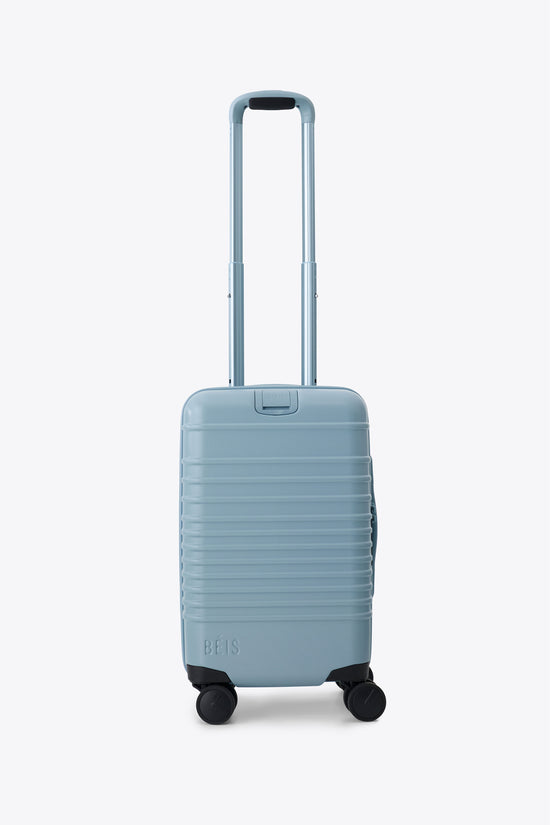
Rolling suitcases have wheels and a retractable handle. They glide smoothly through airports and terminals. These bags offer structured space to keep clothes neat. Many come with hard or soft shells. Perfect for longer trips and formal travel.
Duffel Bags
Duffel bags are soft and flexible. They usually have one large compartment. Some have extra pockets for smaller items. Lightweight and easy to carry. Great for short trips or gym use.
Tote Bags
Tote bags are simple, open-top bags with handles. They offer quick access to essentials. Many are stylish and versatile. Ideal for carrying personal items and electronics. Often used as a secondary carry on.
Materials And Durability
Choosing the right carry-on bag often comes down to understanding the materials used and how durable they are. You want a bag that can handle the bumps and scrapes of travel without falling apart. Knowing the difference between hard and soft shells, common fabrics, and water resistance features can help you pick a carry-on that lasts and protects your belongings.
Hard Shell Vs Soft Shell
Hard shell carry-on bags are made from sturdy plastics like polycarbonate or ABS. They protect your items from impact and rough handling better than soft shells. However, they can be heavier and less flexible when packing odd-shaped items.
Soft shell bags, usually made from fabric, offer more flexibility and often have extra pockets for organization. They are lighter but may not protect your belongings from heavy impacts as well as hard shells. You might prefer soft shells if you often need to squeeze your bag into tight overhead compartments.
Common Fabrics
Most soft shell carry-ons use materials like nylon, polyester, or ballistic nylon. Nylon is lightweight and resistant to tears but may show wear faster. Polyester is more affordable and water-resistant but less durable.
Ballistic nylon stands out for toughness; it’s the choice for travelers who want a bag that resists cuts and abrasions. Have you noticed how some bags look brand new even after years of travel? That’s often because they use high-quality ballistic nylon.
Water Resistance Features
Water resistance can save your gear from unexpected rain or spills. Many carry-ons have coated fabrics or sealed zippers to keep moisture out. Some soft shell bags include a rain cover for extra protection.
Hard shell bags naturally repel water, but their zippers and seams might still let moisture in. Before you buy, check if the bag has sealed zippers or additional water-resistant layers. Would you rather carry a slightly heavier bag that keeps your tech dry or a lighter one that might leave you scrambling for a rain cover?
Size And Weight Considerations
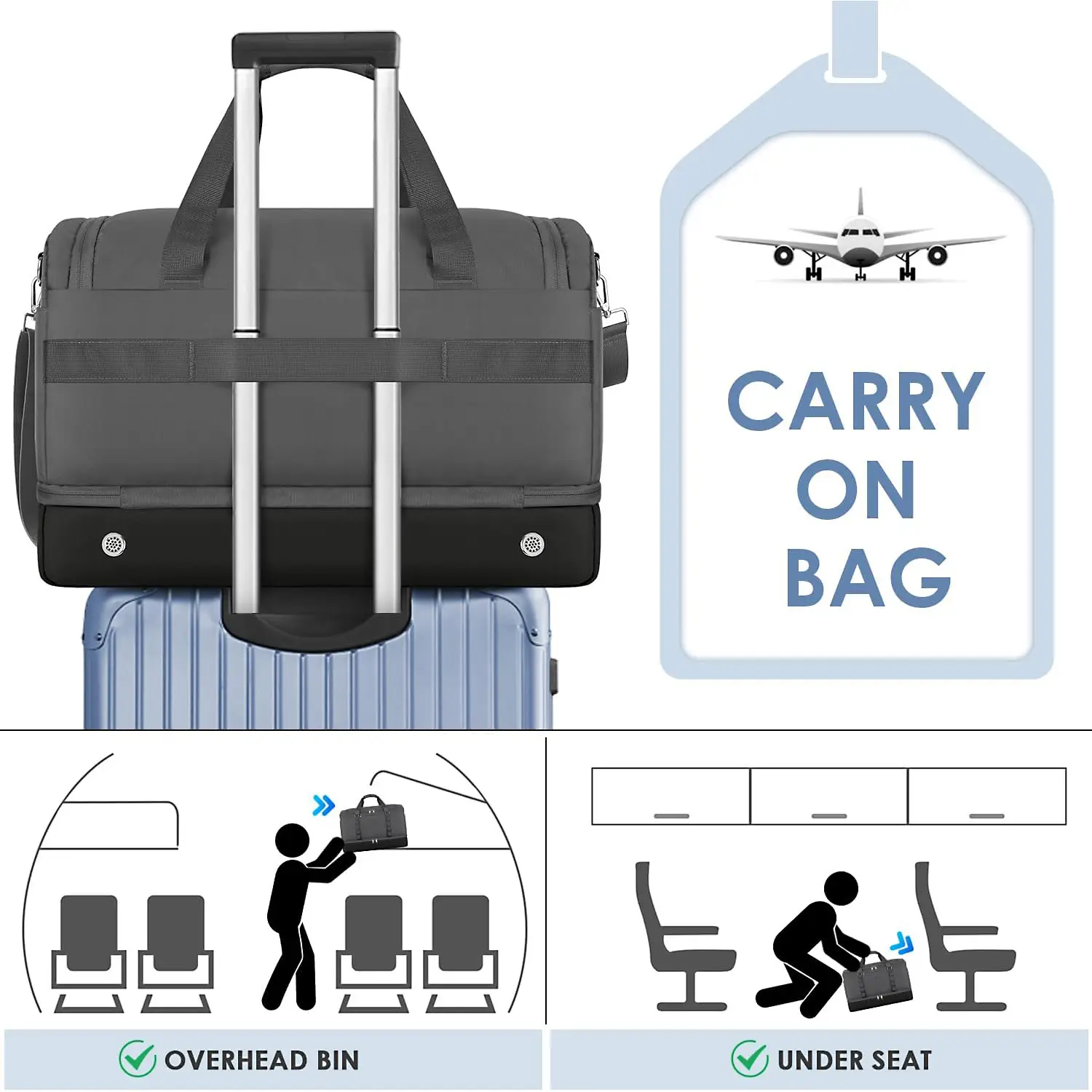
Choosing the right carry-on bag means understanding size and weight limits. Airlines set strict rules to keep travel smooth. Your bag must fit in overhead bins or under the seat. Weight matters too. Heavy bags can cause extra fees and hassle at the airport. Knowing these details saves time and stress during your trip.
Airline Size Limits
Each airline has its own size rules for carry-on bags. Most allow bags around 22 x 14 x 9 inches. Some airlines have smaller or larger limits. Check the airline’s website before packing. Oversized bags may need to be checked, causing delays and fees. Measure your bag carefully to avoid problems at the gate.
Lightweight Options
Light bags make travel easier. They reduce the total weight and help avoid extra charges. Look for bags made of nylon or polyester. These materials are strong but light. Lightweight bags also make lifting and carrying simpler. A lighter bag means more room for your belongings without going over the weight limit.
Expandable Designs
Expandable carry-on bags offer extra packing space. They have zippers that open wider to increase capacity. This feature is useful for souvenirs or last-minute items. Make sure the expanded size still fits airline rules. Expandable bags give flexibility without needing a bigger suitcase. They adapt to different travel needs easily.

Design Features For Convenience
Carry on bags focus on convenience in their design. They help travelers stay organized and move easily through airports. Smart features make packing simple and quick. These bags also improve comfort during travel.
Compartments And Pockets
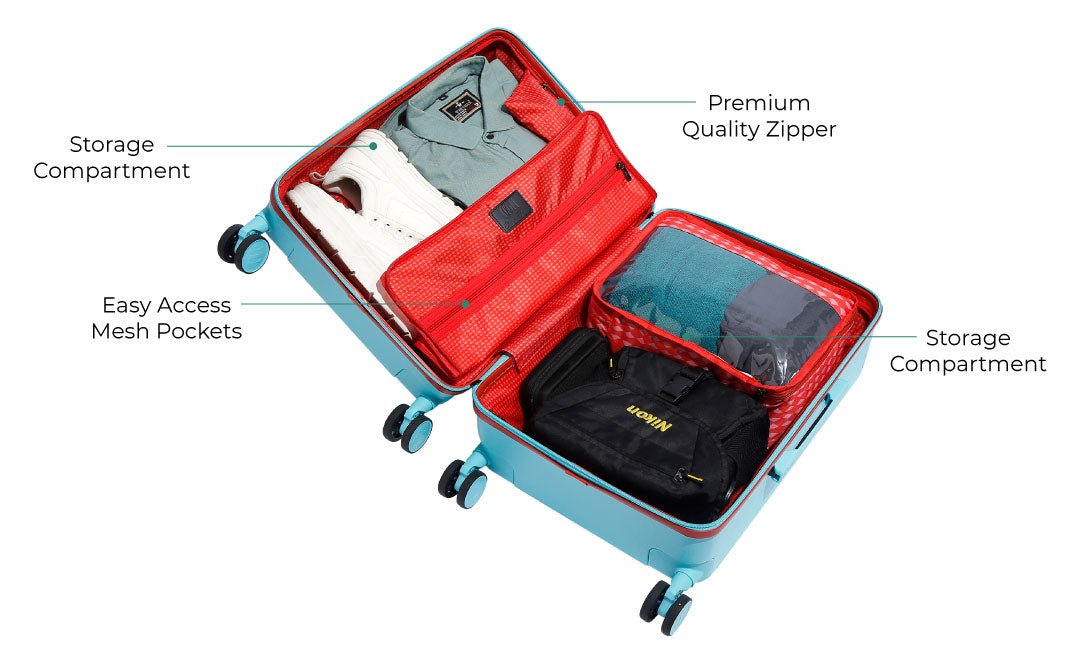
Carry on bags often have multiple compartments. These sections separate clothes, gadgets, and toiletries. Small pockets hold passports, tickets, and phones. Zippered areas keep important items safe. Some bags include mesh pockets to see contents quickly. This design saves time and reduces stress.
Handles And Straps
Strong handles make lifting carry on bags easy. Telescopic handles extend for rolling through terminals. Padded straps offer comfort when carrying on shoulders. Some bags have side and top handles for different grips. Adjustable straps allow users to find the best fit. These features help travelers move freely and avoid strain.
Security Features
Carry on bags include locks or lockable zippers. Some use combination locks to protect belongings. RFID-blocking pockets guard against electronic theft. Durable materials resist cuts and tears. These security features give peace of mind during travel. Travelers can focus on their journey, not their bags.
Stylish Carry On Trends
Stylish carry on bags combine function with fashion. Travelers choose bags that reflect their personality and taste. Designs now focus on sleek looks and smart features. The trends show a mix of bold colors, unique patterns, and popular brands. These elements make carry ons both practical and eye-catching.
Color Choices
Bright colors like red, blue, and yellow stand out at airports. Neutral tones such as black, gray, and navy remain popular for a classic look. Matte finishes add a modern touch. Some travelers prefer metallic shades for a bit of shine. Color variety helps in quick bag identification.
Patterns And Prints
Geometric patterns add style and a contemporary feel. Floral and nature-inspired prints bring a fresh look. Stripes and polka dots offer a playful vibe. Minimalist designs keep things elegant and simple. Patterns help personalize your bag, making it unique.
Brand Influences
Top brands set trends with innovative designs and quality. Luxury labels combine style with durability. Sports brands focus on lightweight, functional bags. Eco-friendly brands introduce sustainable materials. Brand reputation often guides buyer choices.
Matching Carry On With Travel Style
Choosing the right carry on bag depends on your travel style. Each type of trip needs a bag that fits your activities and needs. Matching your carry on to how you travel helps keep your journey smooth and stress-free. The right bag makes packing easier and travel more comfortable.
Business Travel Bags
Business travelers need bags that look professional and are practical. Sleek designs in black, gray, or navy work best. These bags often have laptop compartments and organized pockets. Hard-shell carry ons protect important documents and devices. Compact sizes help move easily through airports. Wheels and sturdy handles add convenience for busy schedules.
Casual Vacation Gear
Casual travelers prefer lightweight and flexible carry ons. Soft-sided bags with multiple compartments suit different clothes and shoes. Bright colors or fun patterns add personality and make bags easy to spot. Expandable options help pack souvenirs and extra items. Shoulder straps or backpack styles offer hands-free options. Comfort and style balance for relaxed trips.
Adventure Travel Options
Adventure travelers need durable and weather-resistant carry ons. Rugged materials protect gear from rough conditions. Bags with extra straps and compression features keep things secure. Backpacks or duffel bags work well for hiking or outdoor trips. Water-resistant zippers and reinforced bottoms add protection. Practical designs focus on functionality and toughness.
Care And Maintenance Tips
Proper care keeps carry on bags looking new and lasting longer. Small daily actions protect your bag from damage. Clean, store, and repair your bag regularly. These steps help you avoid costly replacements. Follow simple tips to maintain your bag’s shape and color.
Cleaning Methods
Use a soft cloth to wipe dirt off the surface. For fabric bags, spot clean with mild soap and water. Avoid harsh chemicals that may damage materials. Let bags air dry completely before storing. For leather bags, use a leather cleaner and conditioner. Regular cleaning prevents stains and keeps the bag fresh.
Storage Solutions
Store bags in a cool, dry place away from sunlight. Use dust bags or pillowcases to protect from dust. Keep bags upright to maintain their shape. Avoid stacking heavy items on top of your bag. Stuff bags with tissue paper to prevent creases and dents. Proper storage preserves the bag’s look and structure.
Repair And Warranty
Check zippers and handles for wear and tear regularly. Fix small issues like loose threads or broken parts quickly. Many brands offer warranties for manufacturing defects. Keep your receipt and warranty card for easy claims. Professional repairs extend your bag’s life. Don’t ignore damage; timely repair saves money later.
Frequently Asked Questions
What Size Are Standard Carry On Bags?
Standard carry on bags typically measure 22 x 14 x 9 inches. These dimensions fit most airline overhead compartments. Size limits may vary by airline, so check before traveling. Compact design ensures easy storage and convenience during flights.
What Materials Are Carry On Bags Made From?
Carry on bags are commonly made from durable materials like polycarbonate, nylon, and polyester. Hard-shell bags offer better protection, while soft-shell bags provide flexibility. Quality materials ensure longevity and withstand handling during travel.
How Many Compartments Do Carry On Bags Have?
Carry on bags usually have 2 to 4 compartments. Multiple compartments help organize clothes, gadgets, and travel essentials. Some bags include laptop sleeves and easy-access pockets for convenience.
Can Carry On Bags Fit Laptops Inside?
Yes, many carry on bags feature padded laptop compartments. These compartments protect laptops and keep them secure during travel. Check bag specifications for laptop size compatibility before purchase.
Conclusion
Carry on bags come in many shapes and sizes. They often have wheels and handles for easy travel. Most fit under airplane seats or in overhead bins. Materials vary from soft fabric to hard shells. Choosing the right one depends on your trip and needs.
A good carry on keeps your essentials close and safe. Remember, size rules are important at airports. Pack smart and travel light for a smooth journey. Carry on bags make travel easier and more organized.