
Have you ever wondered what happens when you dip a tea bag into hot water? This simple act, known as steeping, holds the key to unlocking the rich flavors and soothing aromas that tea lovers cherish.
Steeping a tea bag might seem straightforward, but understanding the nuances can elevate your tea-drinking experience to new heights. Why does the temperature matter? How long should you steep? What secrets are hidden in those few minutes? As you delve deeper, you'll discover how steeping can transform an ordinary cup into a delightful ritual.
By the end of this article, you’ll not only master the art of steeping but also enjoy a more flavorful cup of tea every time. Ready to enhance your tea experience? Let’s dive in!
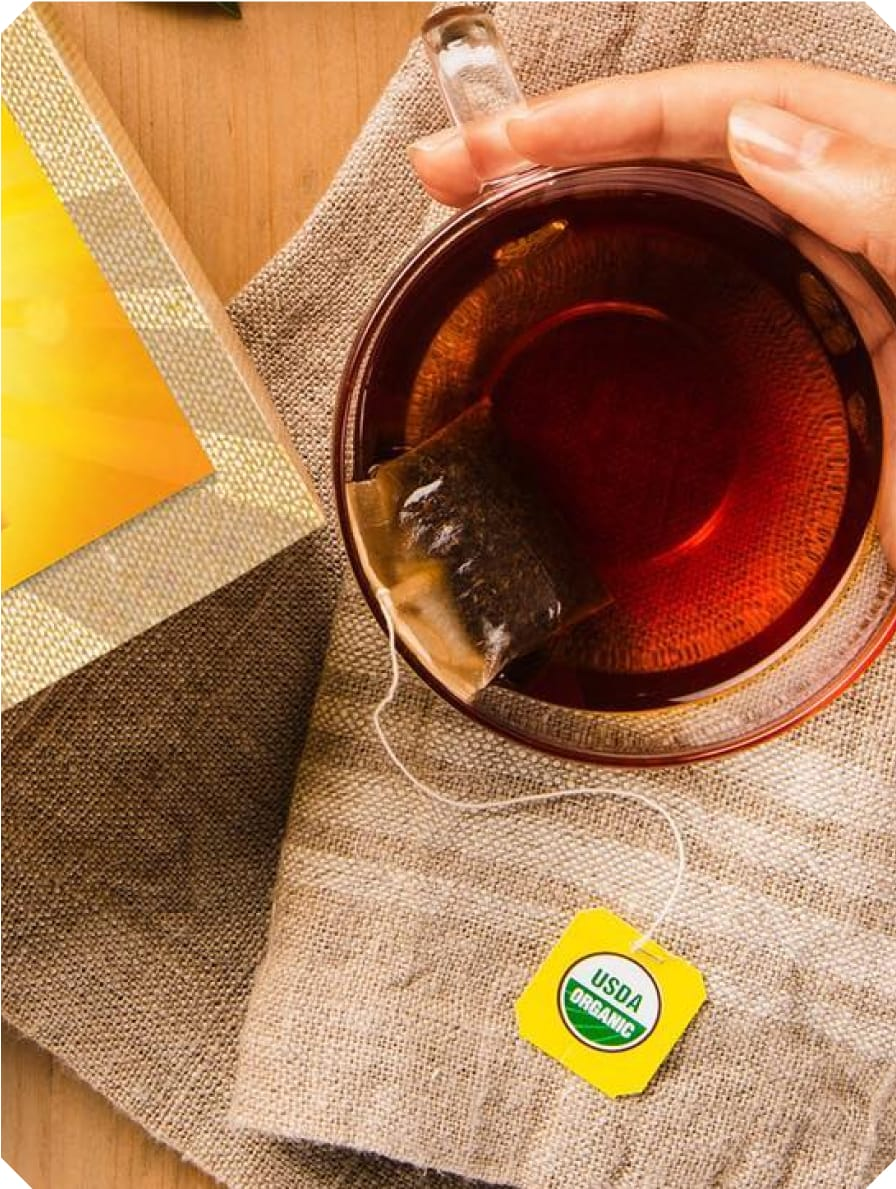
Credit: www.liptonteas.com
Steeping Basics
Understanding the basics of steeping tea is key to enjoying a perfect cup every time. Steeping is more than just dunking a tea bag in hot water—it’s about unlocking the flavors and benefits hidden inside the leaves. Knowing what happens during steeping and how steeping times vary by tea type can help you master your brewing technique.
What Happens During Steeping
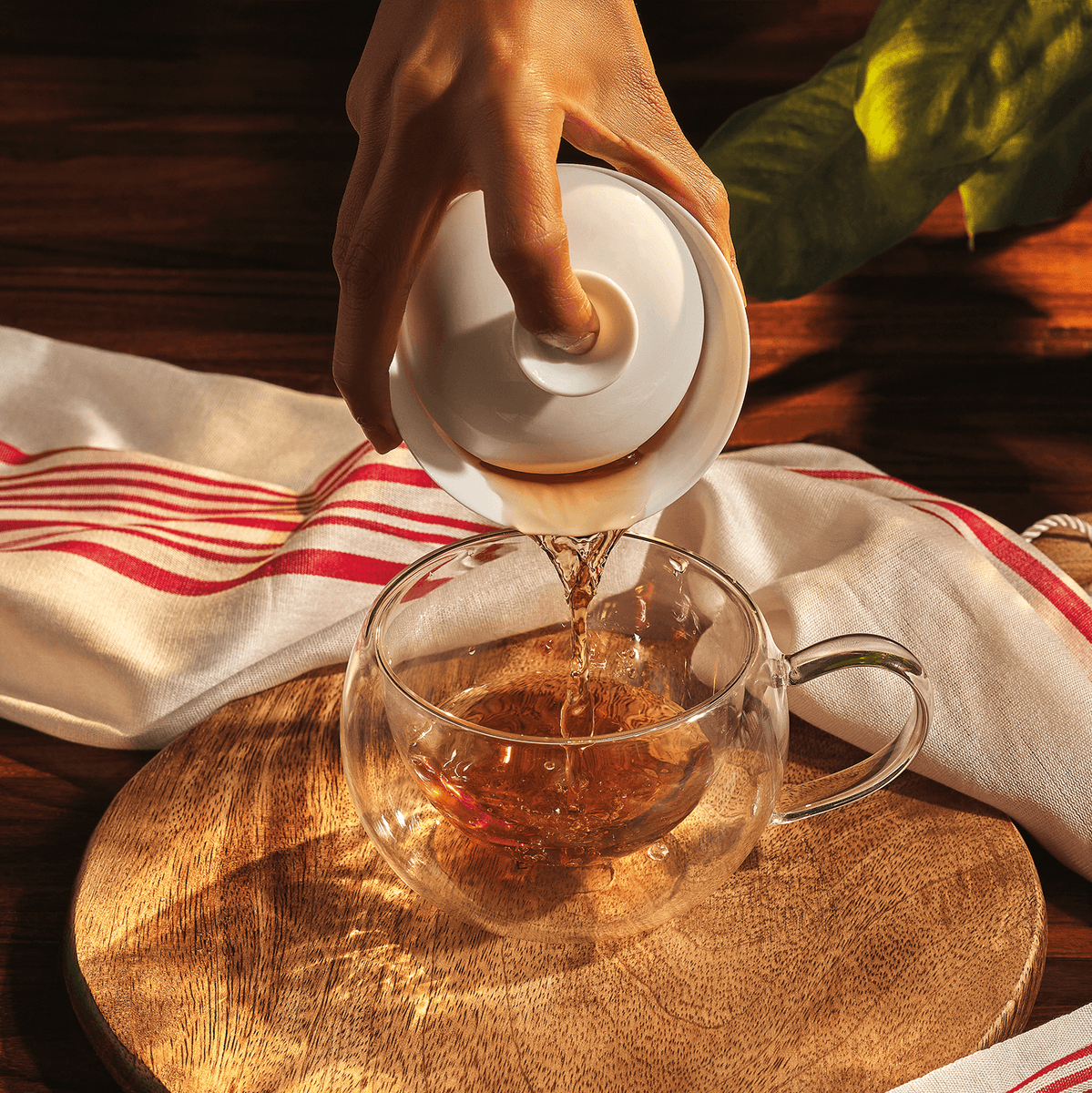
When you steep a tea bag, hot water extracts flavors, colors, and nutrients from the tea leaves. The heat breaks down the leaf cell walls, releasing compounds like caffeine, tannins, and essential oils. This process transforms plain water into a flavorful, aromatic drink.
Have you noticed how steeping longer doesn’t always mean better taste? Oversteeping can make your tea bitter because too many tannins get released. Finding the right balance is essential to enjoy smooth, rich flavors.
Types Of Tea And Steeping Times
Different teas need different steeping times and temperatures to taste their best. Here’s a simple guide:
| Tea Type | Water Temperature | Steeping Time |
|---|---|---|
| Green Tea | 160–180°F (70–80°C) | 2–3 minutes |
| Black Tea | 200–212°F (93–100°C) | 3–5 minutes |
| Oolong Tea | 190–200°F (88–93°C) | 4–7 minutes |
| Herbal Tea | 212°F (100°C) | 5–7 minutes |
What if you tried steeping your tea just a bit shorter or longer than usual? You might discover a flavor profile that suits your taste better. Your perfect cup might be just one extra minute away.

Credit: leafteashop.co.uk
Water Temperature Tips
Getting the water temperature right is a simple but powerful way to control the taste of your tea. It affects how well the flavors are extracted from the tea leaves inside the bag. Understanding the ideal temperatures can make a big difference in your daily cup.
Ideal Temperatures For Different Teas
Not all teas like the same heat. Using water that's too hot or too cold can ruin your brew.
- Green Tea:Best steeped at 160–180°F (70–80°C). Hotter water can make it bitter.
- Black Tea:Needs boiling water around 212°F (100°C) to bring out its strong flavor.
- White Tea:Prefers lower temperatures, about 160–185°F (70–85°C), to keep its delicate taste.
- Oolong Tea:Enjoys medium heat, 190–200°F (88–93°C), balancing flavor and aroma.
- Herbal Tea:Usually steeps well in boiling water, 212°F (100°C), to unlock all the herbs’ benefits.
Have you tried adjusting the temperature and noticed how it changes the flavor? Experimenting with these ranges can help you find your perfect cup.
Effects Of Water Temperature On Flavor
Water temperature controls what flavors come out of the tea bag. Too hot, and the tea might taste bitter or burnt.
Too cool, and the tea can end up weak and flat. This happens because the heat helps release oils and compounds that create flavor.
Think about when you brew green tea at boiling point—it often feels harsh. But lowering the temperature brings out a smooth, sweet taste instead.
Next time you steep, ask yourself: Am I using the right temperature to match the tea’s style? Small changes can turn an average cup into something memorable.
Steeping Duration
Steeping duration is the key to unlocking the full flavor potential of your tea bag. The time you let the tea soak in hot water controls how strong or mild your cup tastes. Understanding the ideal steeping time helps you avoid bitterness and brings out the best in your tea.
Finding The Right Steeping Time
Different teas require different steeping times. Black teas usually need about 3 to 5 minutes, while green teas are best steeped for 2 to 3 minutes. Herbal teas often take longer, sometimes up to 7 minutes, to release their full flavor.
Have you ever noticed your tea tastes too weak or too bitter? Adjusting steeping time by 30 seconds can make a big difference. Try timing your steeping with a kitchen timer or your phone to find the sweet spot.
Signs Of Oversteeping
Oversteeping happens when your tea bag sits too long in hot water. This often results in a bitter or astringent taste that can ruin your cup. You might also see a darker, muddy color in your tea.
If your tea leaves a dry feeling on your tongue or a harsh aftertaste, it’s probably oversteeped. To avoid this, remove the tea bag as soon as the flavor matches your preference. Remember, you can always steep longer, but you can’t undo bitterness once it’s brewed.
Tea Bag Placement
Tea bag placement might seem simple, but it can make a big difference in how your tea tastes. The way you position the tea bag affects how well the hot water extracts flavors. Getting this right ensures you enjoy every sip, whether you’re brewing in a cup or a teapot.
How To Position The Tea Bag
Place the tea bag so it is fully submerged in hot water. This allows the tea leaves inside the bag to release their flavors evenly.
If the bag floats or sits on the surface, the infusion will be uneven, leading to weak or inconsistent taste. You can gently press the tea bag against the side of your cup or pot using a spoon to keep it submerged.
Some tea bags come with strings and tags, which make it easy to adjust their position without burning your fingers. Have you tried squeezing the bag lightly after steeping? It can release extra flavor but be careful not to make your tea bitter.
Using A Teapot Vs. A Cup
When using a teapot, drop the tea bag inside and pour hot water over it. The larger space allows water to circulate freely around the bag, improving flavor extraction.
In a cup, the water volume is smaller, so the tea bag needs to stay fully underwater for the best taste. You might need to move the bag gently or use a spoon to help it steep evenly.
Remember, teapots often have built-in infusers or strainers, which keep the bag in place and make removal easy. Have you noticed how tea brewed in a teapot can taste smoother than tea steeped in a cup? This difference often comes down to better tea bag placement and water flow.
Enhancing Tea Flavor
Enhancing the flavor of your tea goes beyond just steeping the bag in hot water. It’s about making the experience truly yours by adding elements that bring out the best in each sip. Whether you enjoy a simple cup or a complex blend, small additions can transform your tea into something memorable.
Adding Herbs And Spices
Have you ever tried adding fresh herbs like mint or basil to your tea? They introduce a refreshing twist that brightens the flavor without overpowering it. Spices such as cinnamon sticks, cardamom pods, or a touch of ginger can add warmth and depth, making your cup feel cozy and inviting.
Try dropping a few lavender buds or a slice of lemon peel into your steeping tea bag. These subtle touches can surprise your palate and elevate your usual cup into a new experience. Don’t hesitate to experiment; your perfect blend might be just a few herbs or spices away.
Sweeteners And Milk Options
Sweetening your tea doesn’t have to mean just sugar. Honey, agave syrup, or maple syrup offer unique flavors that complement different types of tea. Each sweetener adds a distinct note—honey lends floral hints, while maple syrup brings a rich, earthy sweetness.
Milk or milk alternatives also change how your tea tastes. Adding a splash of whole milk, almond milk, or oat milk can soften strong teas and add a creamy texture. Have you noticed how a bit of milk transforms black tea into something smooth and comforting? Try different options to find what suits your taste best.
Common Steeping Mistakes
Steeping a tea bag might seem simple, but many people make avoidable mistakes that affect the flavor and quality of their tea. These common errors often go unnoticed but can turn a potentially delightful cup into a disappointing one. Understanding these pitfalls can help you make every cup better and more satisfying.
Using Incorrect Water Quality
Water quality plays a crucial role in how your tea tastes. Using tap water with strong chlorine or mineral content can create a bitter or flat taste. If your water tastes off on its own, it will affect your tea too.
Try using filtered or spring water to see a noticeable improvement. Even small changes, like avoiding overly hard water, can make your tea more vibrant and aromatic. Have you ever noticed how some cafes always serve better tea? Often, it’s because they pay attention to the water they use.
Reusing Tea Bags
Many people reuse tea bags to save money or avoid waste, but this can dilute the flavor significantly. The second steep typically lacks the richness and essential oils from the first brew, leaving you with a weak cup.
Also, reusing tea bags can introduce unwanted bitterness if steeped too long. If you want a second cup, it’s better to use a fresh bag or switch to loose leaf tea for multiple steeps. Do you really want your tea experience compromised just to stretch one bag?
Advanced Steeping Techniques
Advanced steeping techniques help bring out unique flavors in tea. They go beyond just placing a tea bag in hot water. These methods suit tea lovers who want more control over taste and strength.
Cold Steeping Methods
Cold steeping means soaking tea in cold water for several hours. This process extracts delicate flavors without bitterness. It is perfect for hot days or if you prefer a milder taste.
- Use filtered or fresh water for best results.
- Place the tea bag or leaves in cold water.
- Let it steep in the refrigerator for 6-12 hours.
- Remove the tea bag or leaves before drinking.
- Enjoy the subtle and smooth taste of cold tea.
Using Loose Leaf Tea
Loose leaf tea offers richer taste than tea bags. It allows leaves to expand fully during steeping. This releases more essential oils and flavors.
- Use a tea infuser or strainer for loose leaves.
- Measure 1 teaspoon of loose tea per cup of water.
- Steep in hot water between 175°F and 212°F, depending on the tea type.
- Adjust steeping time to control the tea’s strength.
- Strain leaves before drinking to avoid bitterness.

Credit: theteacupoflife.com
Frequently Asked Questions
What Does Steeping A Tea Bag Mean?
Steeping a tea bag means soaking it in hot water. This releases the tea's flavors and nutrients. It’s essential for brewing a proper cup of tea.
How Long Should You Steep A Tea Bag?
Steeping time varies by tea type but usually lasts 2-5 minutes. Over-steeping can cause bitterness, while under-steeping may yield weak flavor.
Why Is Steeping Important For Tea Flavor?
Steeping extracts essential oils, flavors, and antioxidants from tea leaves. Proper steeping ensures a balanced, rich taste and enhances health benefits.
Can You Reuse A Steeped Tea Bag?
You can reuse a tea bag once or twice, but flavor weakens. Use fresh bags for the best taste and aroma.
Conclusion
Steeping a tea bag means soaking it in hot water to release flavor. This simple step makes your tea taste better and richer. Timing matters—too short, and the flavor stays weak. Too long, and it turns bitter. Knowing how to steep helps you enjoy tea just right.
Now you can brew your perfect cup every time. Enjoy the warmth and taste of fresh tea. Simple, easy, and relaxing.