

Ever wondered what really happens when your bag slides into that mysterious tunnel at airport security? You watch as it disappears, pondering what the TSA agents see on their screens.
Could they spot that tangled mess of chargers, or perhaps the book you packed last-minute? Understanding what TSA sees when they scan your bag can ease your travel anxiety and ensure smoother airport experiences. You might even discover some surprising details that could change how you pack.
Dive into this article to uncover the secrets behind the scan and how it affects your journey.
How Tsa Scans Work
Understanding how TSA scans your bag can ease the stress of airport security. The process involves various technologies designed to detect prohibited items quickly and accurately. Knowing what happens behind the scenes helps you prepare your luggage better and avoid unnecessary delays.
Types Of Scanning Technologies
TSA uses different scanning methods depending on the security level and the type of baggage. The most common are X-ray scanners and advanced imaging systems. Each technology offers unique advantages for detecting threats and ensuring safety.
- X-ray scannersare standard for carry-on and checked bags.
- Advanced Imaging Systemsprovide detailed views, especially for carry-on items.
- Explosive detection systemsmight also be used for suspicious items.
X-ray Imaging Basics
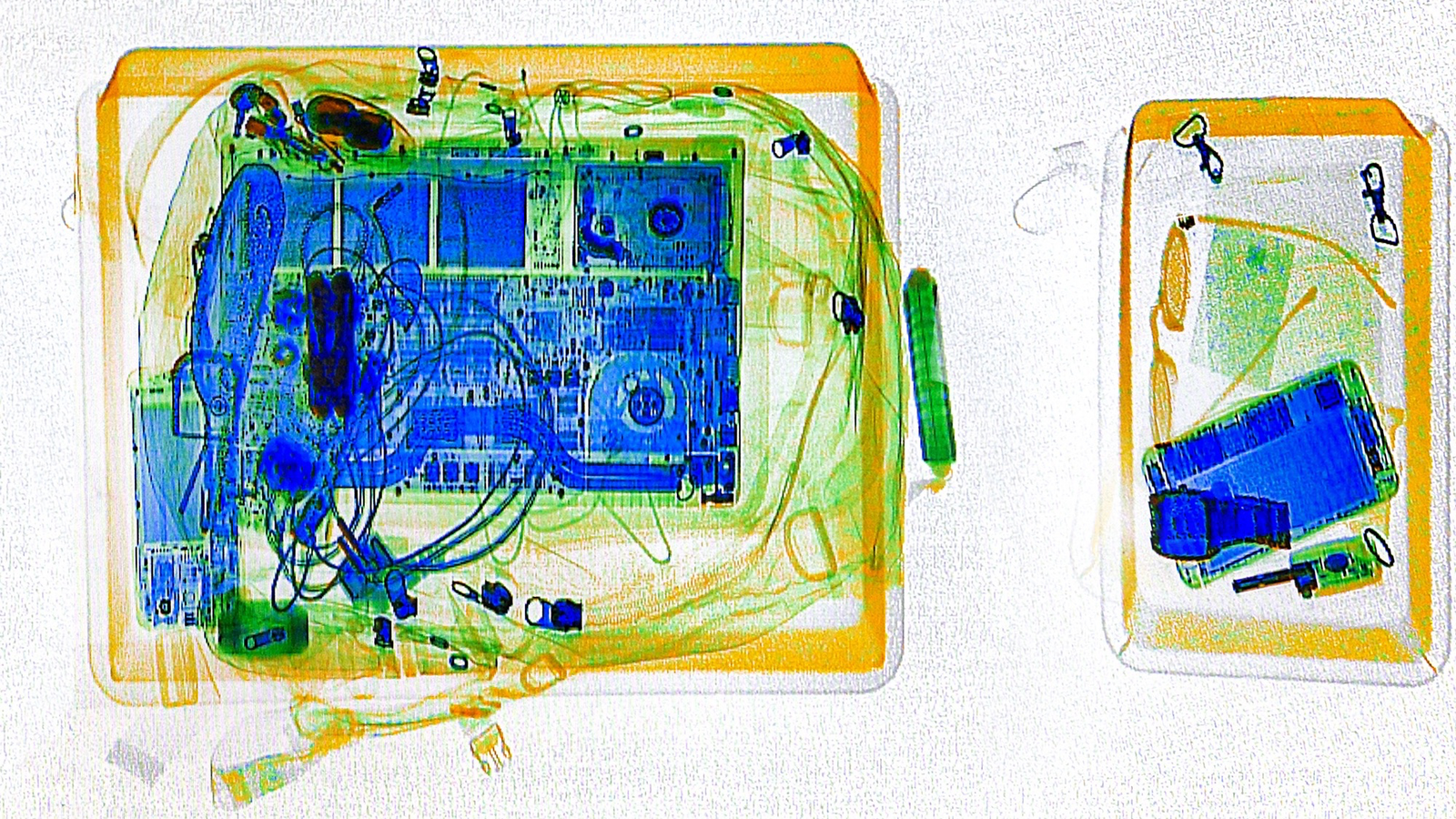
X-ray machines send a controlled beam of radiation through your bag to create an image. Different materials absorb X-rays differently, which helps TSA agents distinguish between metals, plastics, and organic materials. You might notice some items appear darker or lighter on the screen depending on their density.
When I first saw an X-ray image of my backpack, I was surprised at how clearly you could see shapes and layers. This technology helps TSA spot hidden compartments or suspicious objects without opening every bag. It’s fast, efficient, and non-invasive.
Advanced Imaging Systems
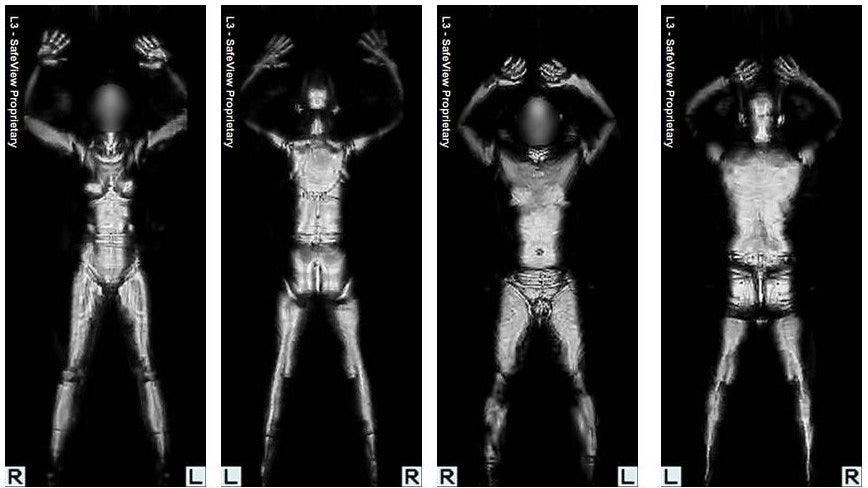
Advanced Imaging Systems (AIS) take the scanning process further by using millimeter wave technology or backscatter X-rays. These systems generate 3D images, offering TSA agents a clearer, more detailed look inside your bag. This allows for better identification of items that might be overlooked with traditional X-rays.
Imagine your bag as a 3D puzzle where every piece is visible and can be rotated on a screen. This technology reduces false alarms and speeds up the screening process, making your experience smoother. Have you ever wondered how TSA quickly spots liquids or electronics hidden among clothes? AIS plays a key role in that.
What Tsa Agents Look For
Understanding what TSA agents look for helps travelers prepare better. TSA uses advanced scanners to check your bag's contents. Their goal is to keep everyone safe by spotting potential risks. TSA agents focus on several key signs during the scan. These signs include common threat items, unusual shapes or densities, and behavioral cues from passengers.
Common Threat Items
TSA scans target items that could cause harm. These include weapons such as guns and knives. Explosives or materials that can make bombs are flagged. Liquids over the allowed limit also raise concern. Sharp objects and tools not allowed on planes get attention. Agents know the list of banned items very well.
Suspicious Shapes And Densities
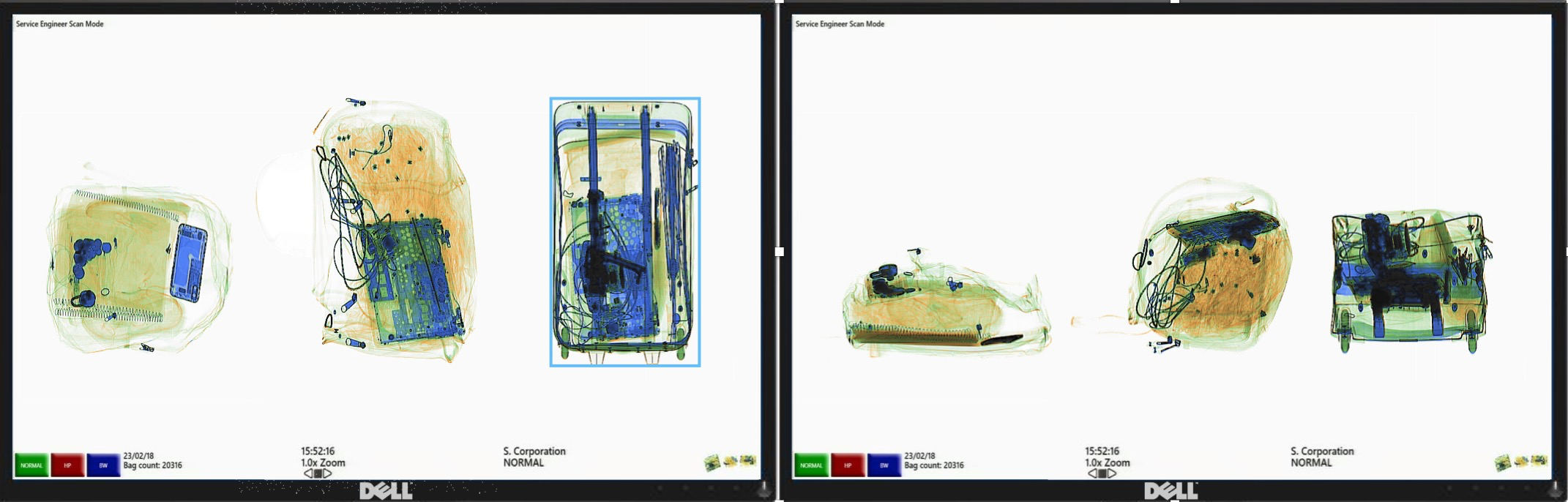
Scanners show the shape and density of objects inside bags. TSA agents look for unusual outlines that do not match normal items. Dense areas might hide dangerous materials. Objects wrapped in layers or hidden in odd places attract suspicion. Bags with many small items packed tightly can also raise flags. The goal is to spot anything that looks out of place.
Behavioral Indicators
Besides scanning bags, TSA watches passenger behavior. Nervousness or avoiding eye contact can prompt extra checks. Rushing or appearing overly anxious may cause concern. TSA agents are trained to spot these signs quickly. Behavior combined with scan results helps them decide on further action. This careful approach keeps airports safer.
Inside The Tsa Scanner Images
Ever wondered what TSA agents actually see inside your bag when it goes through the scanner? The images produced aren’t just random X-rays; they’re carefully processed visuals designed to highlight potential risks quickly and clearly. Understanding how these images work can help you pack smarter and pass through security with less hassle.
Color Coding And What It Means
The TSA scanner uses color coding to differentiate materials inside your bag. Organic items like food and paper often appear in orange or brown shades. Metals show up as blue or black, making them easy to spot.
This color system helps agents identify suspicious items fast. For example, a dense, dark blue shape might indicate a weapon or electronic device. Have you ever noticed how your laptop or keys stand out on the screen? That’s the color coding at work.
Interpreting Object Outlines
Shape and outline are crucial for TSA agents to understand what’s inside your bag. Objects with clear, defined edges are easier to identify. Sometimes, overlapping items can create confusing shapes, so agents rely on experience to interpret these correctly.
Think about how your water bottle or shoes look on the screen—they have distinct shapes that are quickly recognized. Agents look for unusual contours that don’t match everyday items. Could your packing style be making your bag harder to interpret?
Detecting Concealed Items
The TSA scanner is designed to find items hidden within layers or disguised among other belongings. It highlights anomalies like dense areas or shapes that don’t fit the surrounding contents. This helps detect things like weapons, explosives, or prohibited electronics.
For instance, a thick block hidden inside a toiletry bag stands out because it disrupts the expected pattern. TSA agents are trained to spot these irregularities instantly. Are you confident your bag’s contents are clear and straightforward enough to avoid extra scrutiny?
Privacy And Security Measures
Privacy and security are key concerns during TSA bag scans. The TSA uses strict measures to protect your personal information while ensuring safety. These protocols aim to balance security needs with respecting passenger privacy.
Image Handling Protocols
TSA officers view bag scans on secure computers. Images are not saved or stored long-term. Only authorized personnel can access these images. The system automatically deletes images after the inspection. This limits the chance of misuse or leaks.
Passenger Privacy Safeguards
The TSA blurs sensitive areas in images to protect privacy. Officers receive training on privacy and professional conduct. Scans focus only on prohibited items, not personal details. Passengers can request a physical inspection instead of a scan. This option helps those concerned about privacy.
Limitations Of Scanning Technology
Scanners cannot see inside sealed packages or personal devices clearly. Some materials may block or distort the image. The technology cannot identify personal information like text or photos. This limits the risk of exposing private data. The TSA relies on human judgment alongside the technology.
Tips For Packing Smart
Packing smart makes your airport experience smoother. TSA agents scan your bag to find items that may cause safety concerns. Proper packing helps speed up the screening process and avoids delays.
Items To Declare
Declare any liquids over 3.4 ounces or sharp objects. Always mention food items, especially fresh fruits and vegetables. Declare electronics like laptops and tablets for separate screening. Failure to declare can cause extra checks or fines.
Organizing Your Bag For Faster Screening
Place liquids in a clear, resealable bag on top. Keep electronics easy to remove and separate from clothes. Arrange shoes and belts at the bottom or side. Use packing cubes or compartments to keep items neat. This helps TSA agents see your items quickly.
Avoiding Common Red Flags
- Don’t pack prohibited items like weapons or large liquids.
- Avoid hiding items in layers or deep pockets.
- Keep medications and important documents accessible.
- Don’t overpack with many similar metal objects.
- Ensure your bag is not too heavy or bulging.
What Happens After A Scan
After your bag goes through the TSA scanner, the process isn’t always as simple as collecting it and moving on. What happens next depends on what the scan reveals. Sometimes, the image shows everything clearly, and your bag is quickly returned to you.
But other times, the scanner picks up something unusual or unclear, which means your bag might be pulled aside for a closer look. Understanding what comes next can help you stay calm and prepared during this part of the security process.
Secondary Screening Procedures
If TSA agents spot something suspicious, your bag might be selected for a secondary screening. This means TSA officers will open your luggage and examine the contents by hand or use additional screening tools.
They might swab items to test for explosives or ask you to remove certain belongings for closer inspection. This process usually takes a few extra minutes, so it’s best to stay patient and cooperative.
Resolving Screening Alerts
Screening alerts can happen for many reasons: unclear images, items that look like prohibited objects, or even electronic devices. When this occurs, TSA agents work to clarify what caused the alert.
Sometimes, it’s just a harmless item like a metal water bottle or a travel-sized toiletry. Other times, they may find something that requires further review or must be removed before you board.
Have you ever wondered how long this step takes and what you can do to speed it up? Staying organized and packing neatly can reduce the chance of delays during this stage.
Your Rights During Inspection
You have the right to be treated with respect and to ask questions about the screening process. TSA officers should explain why your bag was selected and what they are looking for.
You can request to be present while your bag is opened and inspected, and you may ask for a private screening if you prefer more privacy. If you feel uncomfortable or unsure, politely ask for clarification or help from a supervisor.
Knowing your rights helps you stay confident and in control during this often stressful moment.

Frequently Asked Questions
What Items Does Tsa Detect In Your Bag Scan?
TSA scans detect metals, liquids, electronics, and prohibited items. Their X-ray machines highlight dense objects, helping agents identify potential threats quickly.
How Does Tsa X-ray Reveal Bag Contents?
TSA uses advanced X-ray technology that shows shapes and densities. The scan reveals organic, inorganic, and metallic materials by color-coding them for easy identification.
Can Tsa See Inside Electronic Devices During Scans?
Yes, TSA X-rays show internal components of electronics. Agents can detect hidden items or suspicious modifications within laptops, tablets, and phones.
Are Liquids Visible In Tsa Bag Scans?
Yes, liquids appear as distinct shapes with specific densities. TSA scans help enforce liquid restrictions by detecting containers over allowed sizes.
Conclusion
TSA scans show the contents inside your bag clearly. They look for items that may cause danger or delay. Knowing what they see helps you pack smarter. Keep liquids, electronics, and sharp objects easy to access. This can make your security check faster and smoother.
Staying calm and cooperative always helps the process. Now you understand what TSA sees when scanning your bag. Safe travels start with being prepared.