
Picture this: your due date is approaching, and the excitement is building. But amidst all the anticipation, there's one crucial task you shouldn't overlook—packing your hospital bag.
This simple preparation can make your hospital stay more comfortable and stress-free. You might be wondering what exactly you need to bring. After all, you don't want to overpack, nor do you want to leave anything essential behind. In this guide, we'll walk you through the must-have items that go into your hospital bag, ensuring you have everything you need for this life-changing moment.
Stick around, and let's make sure you're perfectly prepared for your little one's arrival.

Credit: health.usnews.com
Choosing The Right Bag
Choosing the right bag for your hospital stay is essential. It holds everything you need during this important time. The right bag keeps items organized and easy to find. It should fit your style and comfort needs. This helps reduce stress and makes your stay smoother.
Size And Compartments
Pick a bag with enough space for your essentials. It should fit clothes, toiletries, and important documents. Multiple compartments help keep items separate and neat. Small pockets are great for storing chargers and keys. A well-organized bag saves time and effort during your stay.
Durability And Comfort
Choose a bag made from strong materials. It should handle being carried or wheeled around easily. Soft, padded straps provide comfort for long walks. Lightweight bags reduce strain on your shoulders and back. A durable and comfy bag makes hospital visits less tiring.
Documents And Paperwork
Packing the right documents and paperwork in your hospital bag helps avoid stress during labor. Hospitals require certain papers to confirm your identity, insurance, and birth preferences. Having these ready speeds up the admission process. It also ensures your medical team has the information they need.
Identification And Insurance
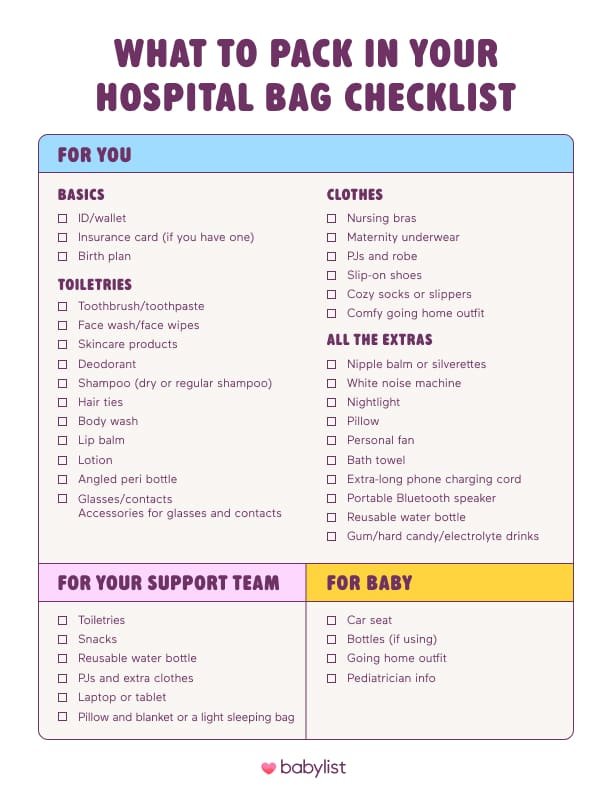
Bring your photo ID to prove who you are. A driver’s license or passport works well. Insurance cards are essential to cover hospital costs. Keep both items in a clear folder or envelope for easy access. This helps hospital staff handle paperwork quickly.
Birth Plan And Medical Records
Your birth plan explains how you want your delivery to proceed. Include preferences about pain relief, labor positions, or who can be present. Print several copies to share with nurses and doctors. Also pack important medical records, like prenatal test results and any allergies. These help your care team provide safe and personalized care.
Clothing Essentials
Packing the right clothes for the hospital stay is important for comfort and ease. Clothes should be soft and easy to wear. Choose items that help you feel relaxed during your time at the hospital.
Focus on fabrics that are gentle on the skin. Loose-fitting clothes make moving and resting easier. Layers are helpful for adjusting to room temperatures.
Comfortable Outfits
Pick simple, loose clothes like leggings and t-shirts. Avoid tight waistbands or stiff fabrics. Clothes that open in the front are good for nursing moms. Soft cotton is a top choice. Bring a few changes to stay fresh.
Sleepwear And Robes
Soft pajamas or nightgowns provide comfort during rest. Choose pieces that allow easy bathroom visits. A cozy robe helps when walking around. It also adds warmth and privacy. Button-down styles work well for nursing access.
Footwear
Slip-on shoes or slippers keep feet warm and safe. Avoid shoes with laces or tight fits. Non-slip soles prevent falls on smooth floors. Bring a pair that feels good for walking short distances.
Toiletries And Personal Care
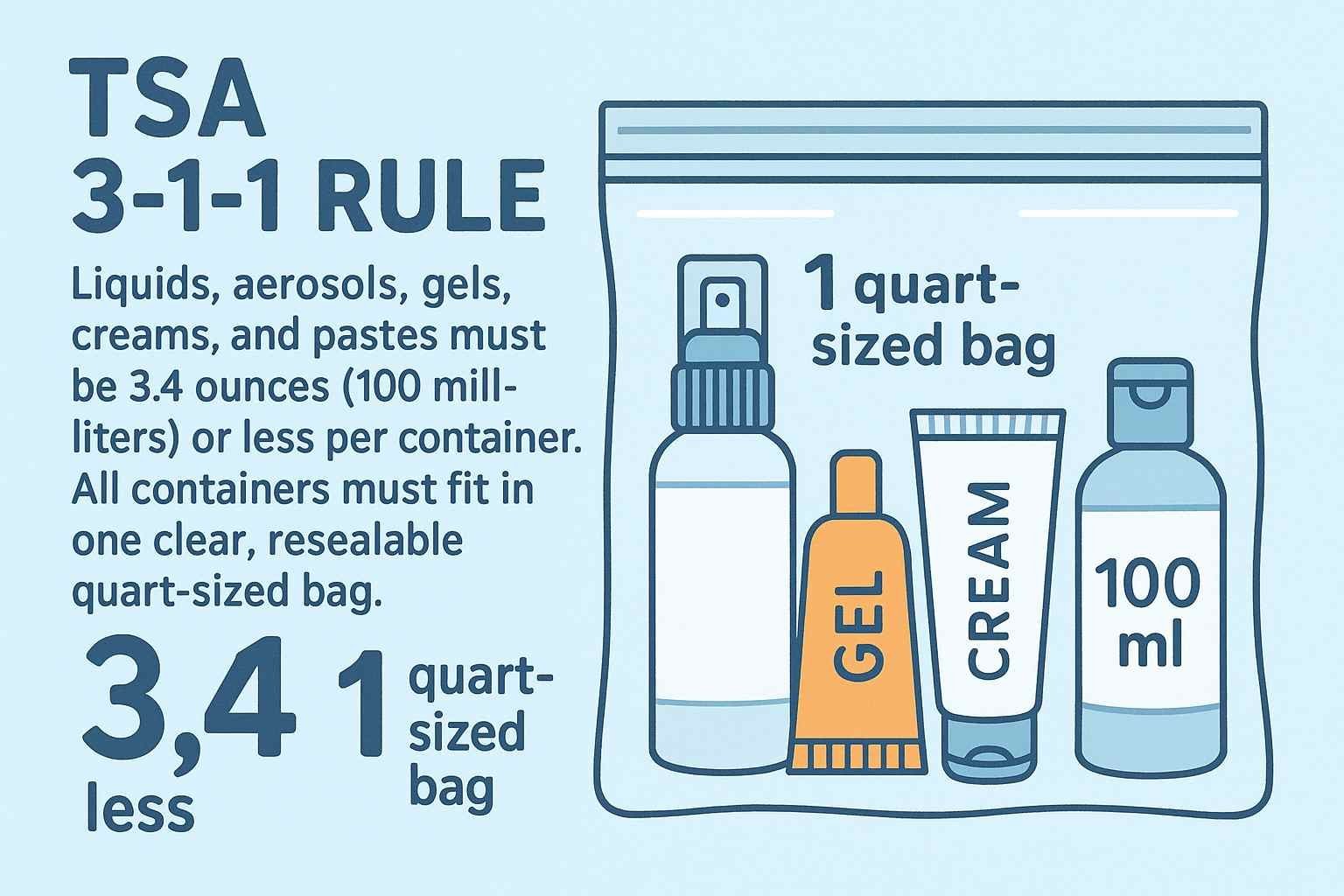
Packing toiletries and personal care items in your hospital bag helps you stay comfortable. These essentials keep you fresh and cared for during your stay. Focus on items that are small, light, and easy to use.
Basic Hygiene Items
- Toothbrush and toothpaste
- Travel-size soap or body wash
- Deodorant
- Wet wipes or facial tissues
- Hand sanitizer
- Disposable razor
Skincare And Lip Balm
- Moisturizer for face and body
- Lip balm to prevent chapping
- Sunscreen (if you plan to go outside)
- Gentle makeup remover
- Small container of any special creams
Hair Care Supplies
- Comb or brush
- Travel-size shampoo and conditioner
- Hair ties or clips
- Dry shampoo for quick freshening
- Small towel or hair wrap
Items For Baby
Packing for your baby might feel overwhelming, but focusing on essential items can make the task easier. Think about comfort, hygiene, and feeding to keep your little one happy right from the start. What will you need to bring to ensure your newborn feels safe and cared for during those first hours?
Clothing And Blankets
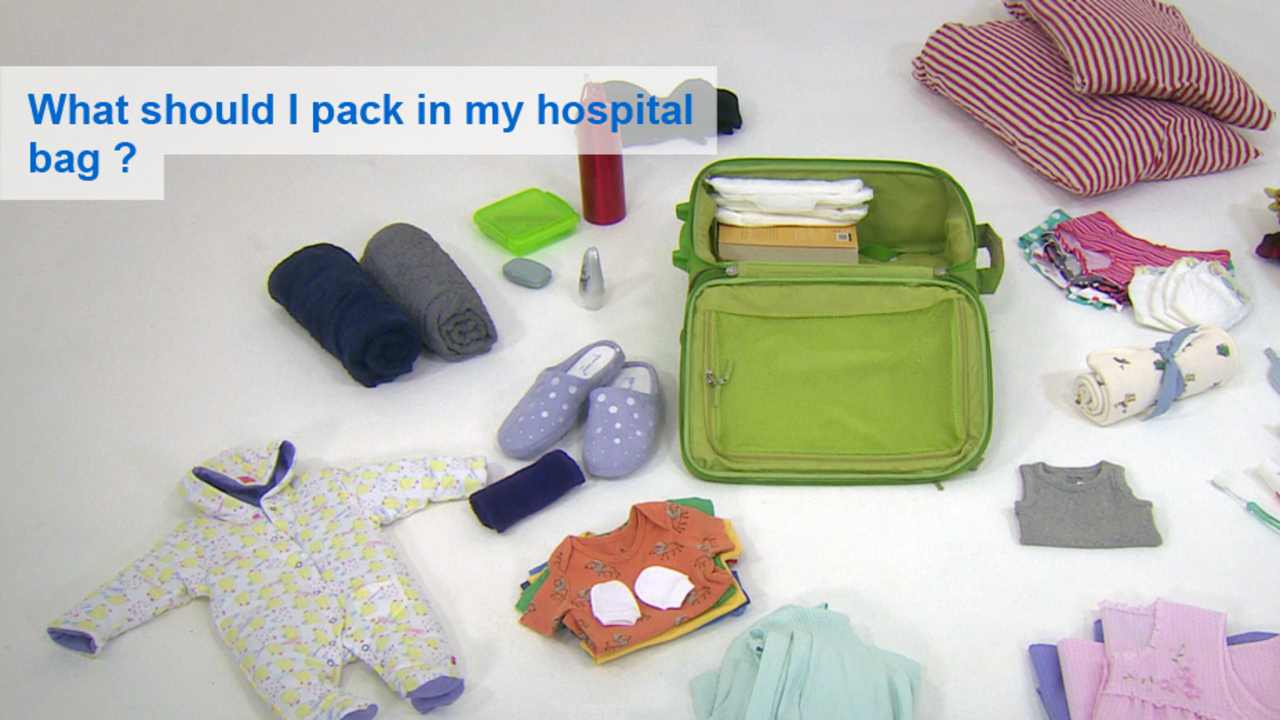
Choose soft, comfortable clothes that are easy to put on and take off. Include a couple of onesies, a warm hat, and mittens to prevent scratching. Don't forget a cozy blanket to keep your baby snug, especially if the hospital feels chilly.
Opt for clothes in layers so you can adjust to the room temperature. How many outfits will you realistically need? Packing two or three changes usually works well.
Diapers And Wipes
Hospitals often provide diapers, but bringing your own newborn size can give you peace of mind. Pack a small pack of gentle wipes to clean your baby’s delicate skin without irritation. Consider adding diaper cream to prevent any discomfort.
Think about how often you’ll change diapers. Will you need extras for unexpected messes? A few extras can save you stress during those busy first days.
Feeding Supplies
If you plan to breastfeed, bring a nursing pillow and any nipple creams recommended by your lactation consultant. For bottle feeding, pack pre-measured formula, bottles, and a sterilizing kit if needed. Don’t forget burp cloths to keep both you and baby clean during feeding.
Have you thought about how you’ll feed your baby in the hospital’s environment? Being prepared with the right supplies can make feeding times less stressful and more enjoyable for both of you.
Credit: www.nhs.uk
Electronics And Entertainment
Packing your hospital bag isn’t just about clothes and toiletries. Electronics and entertainment items can make a huge difference during long waiting hours or moments of rest. Having the right devices and accessories can keep you connected, relaxed, and even distracted from stress.
Phone And Chargers
Your phone is your lifeline to the outside world. Bring it fully charged and don’t forget the charger. Consider a portable power bank as well—hospital outlets might not always be within reach.
Think about including extra charging cables and adapters if multiple devices need power. If you plan to use hospital Wi-Fi, having your phone ready ensures you can message loved ones or scroll through your favorite apps.
Books And Music
Physical books or an e-reader can be a great companion during downtime. Choose light, uplifting reads or ones that keep your mind engaged without causing stress.
Music is a powerful tool to calm nerves. Create a playlist with your favorite tunes or soothing sounds to help you relax. Don’t forget headphones—they help you create a personal escape in a busy hospital room.
Camera Or Video Equipment
Capturing moments can be important, especially if you’re expecting a new family member. A simple camera or your phone’s camera is often enough.
If you want higher quality photos or videos, bring a compact camera or a small video recorder. Just make sure the equipment is easy to carry and quick to set up—you don’t want to miss important moments while fumbling with gear.
Snacks And Hydration
Snacks and hydration are key to staying comfortable during a hospital stay. Labor and recovery can take time. Having the right snacks and drinks keeps energy up and thirst down. Packing these items helps avoid hunger and dehydration.
Healthy Snacks
Choose snacks that provide steady energy. Avoid sugary treats that cause quick energy drops. Pack easy-to-eat items that don’t require much preparation.
- Mixed nuts or trail mix
- Granola or cereal bars
- Fresh fruit like apples or bananas
- Vegetable sticks such as carrots or celery
- Crackers with cheese or peanut butter
These snacks help keep blood sugar stable. They also provide important nutrients for strength and recovery.
Water Bottles And Drinks
Hydration is crucial before and after delivery. Bring a refillable water bottle to the hospital. It helps keep water handy at all times.
- Plain water for hydration
- Coconut water for electrolytes
- Herbal teas for soothing effects
- Juice boxes for a quick vitamin boost
Avoid sugary sodas and caffeinated drinks. They can cause dehydration and discomfort. Drinking fluids regularly supports energy and recovery.
Comfort And Support Items
Packing comfort and support items in your hospital bag can make a big difference in how you feel during labor and recovery. These items help create a small sanctuary amid the busy hospital environment. They offer physical relief and emotional reassurance when you need it most.
Pillows And Blankets
Bringing your own pillow can add a layer of comfort that hospital pillows often lack. Choose a pillow with a soft but supportive feel to help you rest between contractions.
A cozy blanket from home not only keeps you warm but also provides a sense of familiarity. Hospitals can be chilly and impersonal, so having a blanket with your favorite texture or color can be surprisingly comforting.
Massage Tools
Simple massage tools like a tennis ball or a handheld massager can ease muscle tension during labor. These tools help target specific areas like your lower back or shoulders, which often get sore.
Ask your partner to use these tools to give gentle massages; it can be a great way for them to support you physically and emotionally. Have you thought about how touch could help you manage pain during labor?
Supportive Items For Labor
- Birthing ball:Sitting or gently bouncing on a birthing ball can help you find comfortable positions and encourage baby’s descent.
- Compression socks:These reduce swelling and improve circulation, especially if you’ll be lying down for long periods.
- Heating pad or warm packs:Warmth soothes sore muscles and can ease contractions.
Consider which supportive items match your preferences and discuss them with your healthcare team. What comfort tools have you found helpful or are curious to try during labor?
Money And Miscellaneous
Packing your hospital bag isn’t just about clothes and toiletries. You need to think about money and other small but important items that can make your hospital stay smoother. These essentials often get overlooked, yet they play a big role in handling unexpected situations and keeping your peace of mind.
Cash And Cards
Hospitals often have vending machines, parking fees, or cafeteria charges that don’t always accept cards. Having some cash on hand can save you a lot of hassle. Keep a small amount of cash in various denominations for quick purchases.
Don’t forget to pack your health insurance card and a credit or debit card. These will be necessary for paperwork and any unexpected medical expenses. It’s better to have them organized in a small pouch or wallet that you can easily find.
Emergency Contacts
Write down phone numbers of your primary doctor, your partner, and close family or friends. Keep this list both digitally on your phone and as a hard copy. Hospitals can be hectic, and phone batteries might die, so having a physical copy is a smart backup.
Make sure you include contacts for childcare or pet care if needed. This way, you avoid scrambling for help during critical moments. Have you prepared this list with all possible scenarios in mind?
Other Helpful Items
Small things like a phone charger with a long cable, lip balm, and a notebook can make your stay more comfortable. A reusable water bottle is also a good idea to stay hydrated without relying on hospital cups.
Consider packing snacks that don’t spoil easily, especially if you expect long waits or limited meal options. If you wear glasses, bring a case and a cleaning cloth to keep your vision clear at all times.

Credit: uk.nuby.com
Frequently Asked Questions
What Essentials Should I Pack In My Hospital Bag?
Pack important documents, comfortable clothes, toiletries, and baby items. Include chargers, snacks, and any medications. These items ensure comfort and readiness during your hospital stay.
When Is The Best Time To Pack A Hospital Bag?
Pack your hospital bag by 36 weeks of pregnancy. This timing helps you stay prepared for early labor or unexpected hospital visits.
How Can I Organize My Hospital Bag Efficiently?
Use separate pouches for documents, clothes, and toiletries. Label each pouch clearly. This keeps your items organized and easy to find during your stay.
Should I Pack Items For My Partner In The Hospital Bag?
Yes, include snacks, a change of clothes, and toiletries for your partner. This helps them stay comfortable and support you effectively.
Conclusion
Packing your hospital bag takes some thought and planning. Focus on essentials that bring comfort and ease. Keep clothes, toiletries, and important documents ready. Don’t forget items for the baby and your support person. A well-packed bag helps reduce stress on the big day.
Stay calm and trust your preparation. Your hospital stay will feel smoother with the right items close by. Simple steps make a big difference. Ready to welcome your new arrival!