

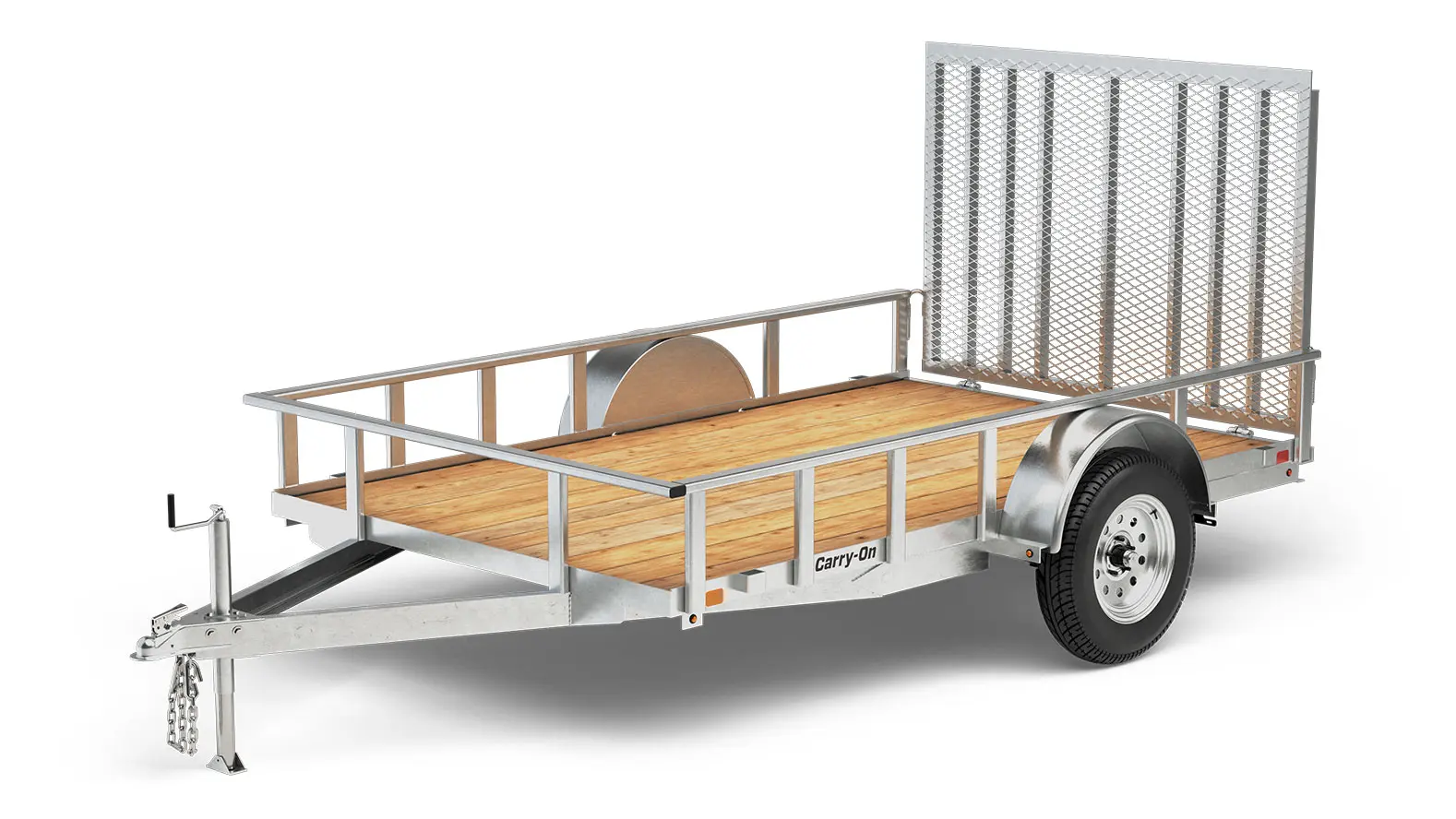
Are you planning your next adventure and thinking about the best way to transport your gear? If so, understanding what a carry on trailer is could make all the difference.
Imagine the freedom of packing up without the hassle of cramming everything into your car. With a carry on trailer, you can easily load up your essentials and hit the road with peace of mind. In this guide, you'll discover everything you need to know about these versatile trailers.
From their unique features to how they can transform your travel experience, we’ll cover it all. Stay with us to find out how a carry on trailer can become your ultimate travel companion.
Carry On Trailer Basics
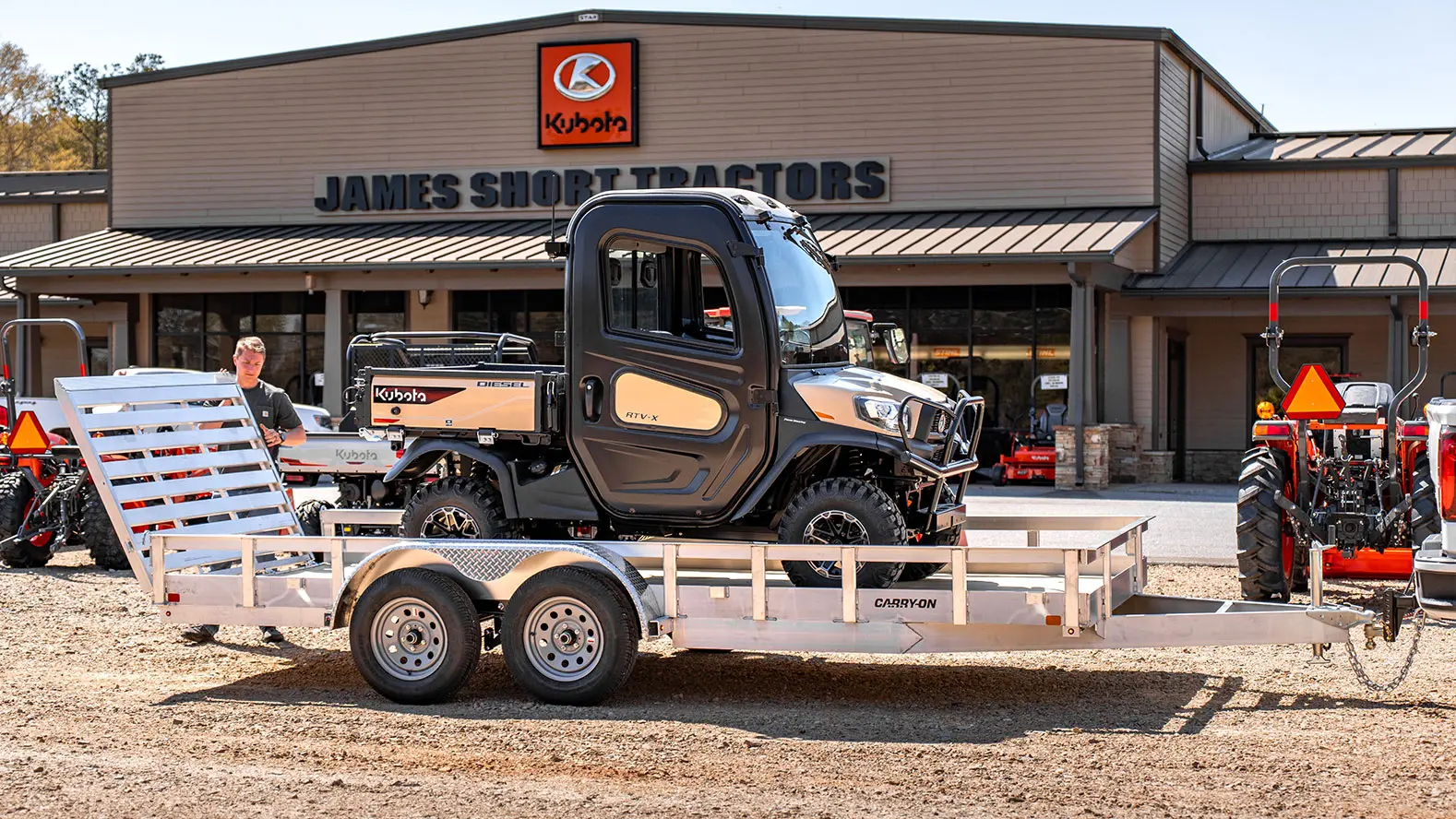
A carry on trailer is a versatile tool designed to help you transport goods, equipment, or recreational gear with ease. Whether you’re moving furniture, hauling landscaping materials, or towing a motorcycle, understanding the basics of a carry on trailer can save you time and effort.
Knowing the different types and key features of these trailers will help you choose the right one for your needs. Have you ever struggled with fitting everything into your vehicle? A carry on trailer might be the solution you didn’t realize you needed.
Types Of Carry On Trailers
- Utility Trailers:These are open trailers with a flat bed and sides, perfect for carrying bulky items like furniture or tools. They offer easy loading and unloading.
- Enclosed Trailers:Fully covered trailers that protect your cargo from weather and theft. Ideal for transporting valuable or sensitive items.
- Motorcycle Trailers:Smaller trailers designed specifically to transport motorcycles safely. They often include tie-down points and ramps.
- Dump Trailers:Equipped with a hydraulic lift, these trailers make unloading loose materials like gravel or soil effortless.
Key Features To Know
| Feature | Why It Matters | Example |
|---|---|---|
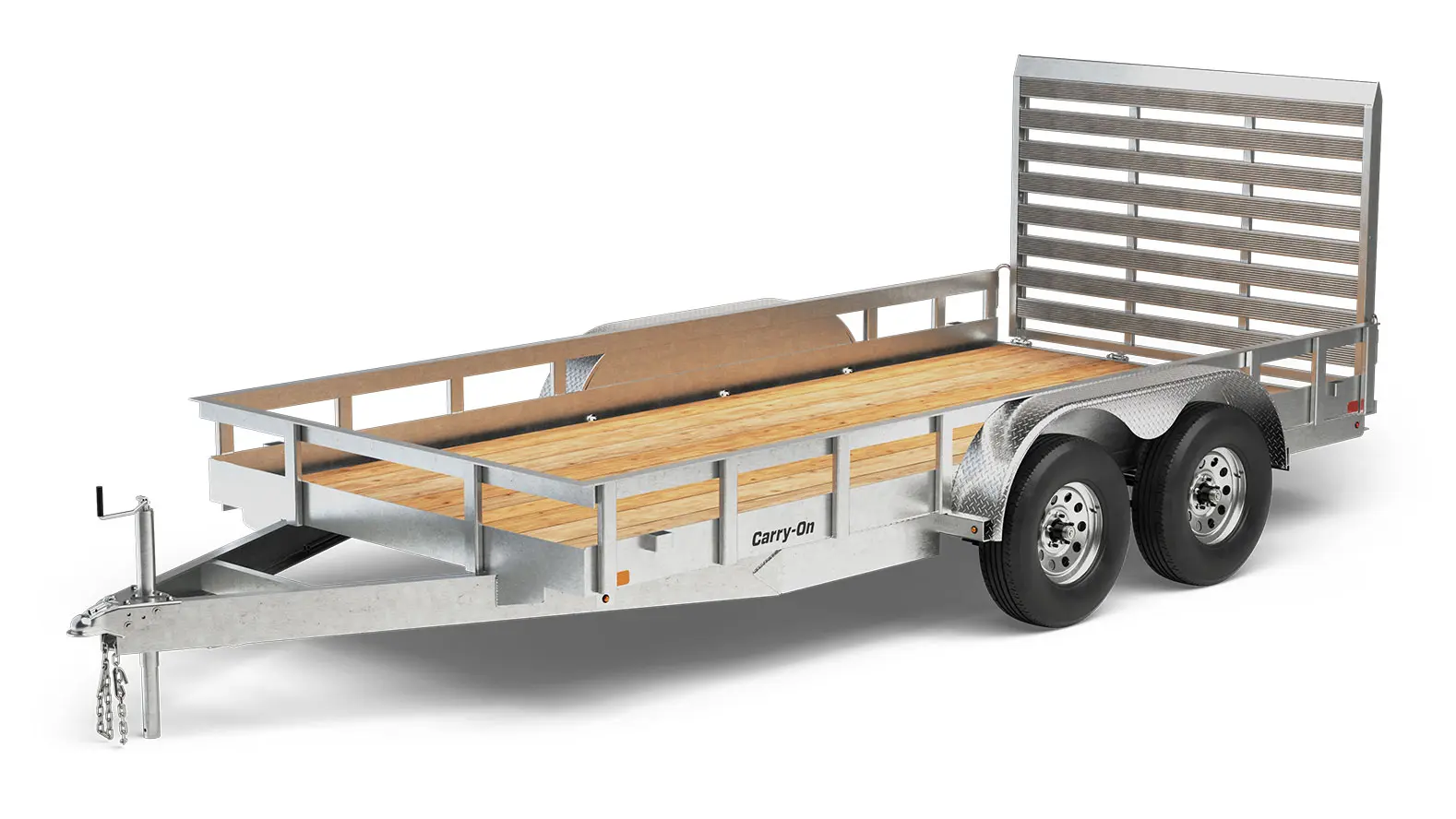
| Trailer Size | Determines how much you can carry and the type of vehicle needed to tow it. | A 6x12 ft trailer fits more gear than a 4x6 ft trailer but requires a stronger vehicle. |
| Weight Capacity | Ensures you don’t overload the trailer, preventing damage and safety risks. | A trailer rated for 2,000 lbs can handle heavier loads than one rated for 1,000 lbs. |
| Hitch Type | Matches your vehicle’s towing setup for secure attachment. | Ball hitches come in different sizes like 1-7/8", 2", and 2-5/16". |
| Braking System | Improves safety by helping to stop the trailer effectively. | Electric brakes engage automatically when you hit the brakes in your vehicle. |
| Material | Affects durability and weight of the trailer. | Aluminum trailers resist rust and are lighter, while steel trailers are stronger but heavier. |
Think about what you will haul most often. Does your trailer need to protect cargo from rain? Will you need to tow heavy loads regularly? Answering these questions will guide you to features that matter most.
Benefits Of Carry On Trailers
Choosing the right trailer can significantly impact your transportation needs, and carry on trailers offer some clear advantages. They are designed to meet various demands while making your hauling tasks simpler and more efficient. Let’s look at the key benefits that make carry on trailers a smart option for many users.
Versatility In Transport
Carry on trailers handle a wide range of cargo types, from lawn equipment and furniture to motorcycles and small vehicles. Their adaptable design means you can haul different loads without needing multiple trailers.
Whether you’re moving household items or landscaping tools, a carry on trailer can adapt to your needs. Have you ever struggled to find the right trailer for your mixed cargo? This flexibility can solve that problem.
Ease Of Use And Maneuverability
These trailers are generally lightweight and compact, making them easier to tow and maneuver, even in tight spaces. This means less stress when backing up or parking.
Your daily driving won’t feel burdened by the trailer. Many users find themselves parking and hooking up their carry on trailer faster than they expected, saving time and effort.
Cost-effectiveness
Carry on trailers often come at a lower price point compared to larger, specialized trailers. This makes them an excellent choice if you want to save money without sacrificing functionality.
Maintenance costs also tend to be lower due to their simpler design and smaller size. Could investing in a carry on trailer be the economical solution you’ve been searching for?
Common Uses For Carry On Trailers
Carry on trailers serve many purposes for people who need extra space on the road. They are small, easy to tow, and very useful for various tasks. These trailers help carry loads that do not fit inside a vehicle. Their common uses cover work, fun, and business needs.
Hauling Equipment And Tools
Many workers use carry on trailers to transport tools and equipment. Construction workers move heavy gear like drills, saws, and ladders. Landscapers carry mowers, trimmers, and gardening tools easily. The trailers protect tools from weather and damage. They keep everything organized and ready for the job site.
Recreational Activities
Carry on trailers are popular for outdoor fun. Campers load tents, chairs, and coolers inside. People take bikes, kayaks, or fishing gear on trips. The trailers free up space in cars for passengers. They make travel more comfortable and enjoyable.
Small Business Applications
Small business owners find carry on trailers very helpful. They transport products to markets or events without hassle. Mobile vendors use trailers as storage or display space. Service providers carry supplies and tools to clients easily. The trailers offer a low-cost way to expand business reach.
Choosing The Right Carry On Trailer
Choosing the right carry on trailer can make a big difference in your hauling experience. You want something that fits your needs perfectly without being too bulky or fragile. Think about how you plan to use it and what features matter most to you.
Size And Weight Considerations
Start by checking the size and weight limits of the trailer. It should be large enough to carry your gear but small enough to tow safely with your vehicle. Remember, heavier trailers require stronger towing capacity and can affect fuel efficiency.
Ask yourself: Will you mostly haul small loads, or do you need space for bigger items? Choosing the right balance here saves you stress and potential damage on the road.
Material And Build Quality
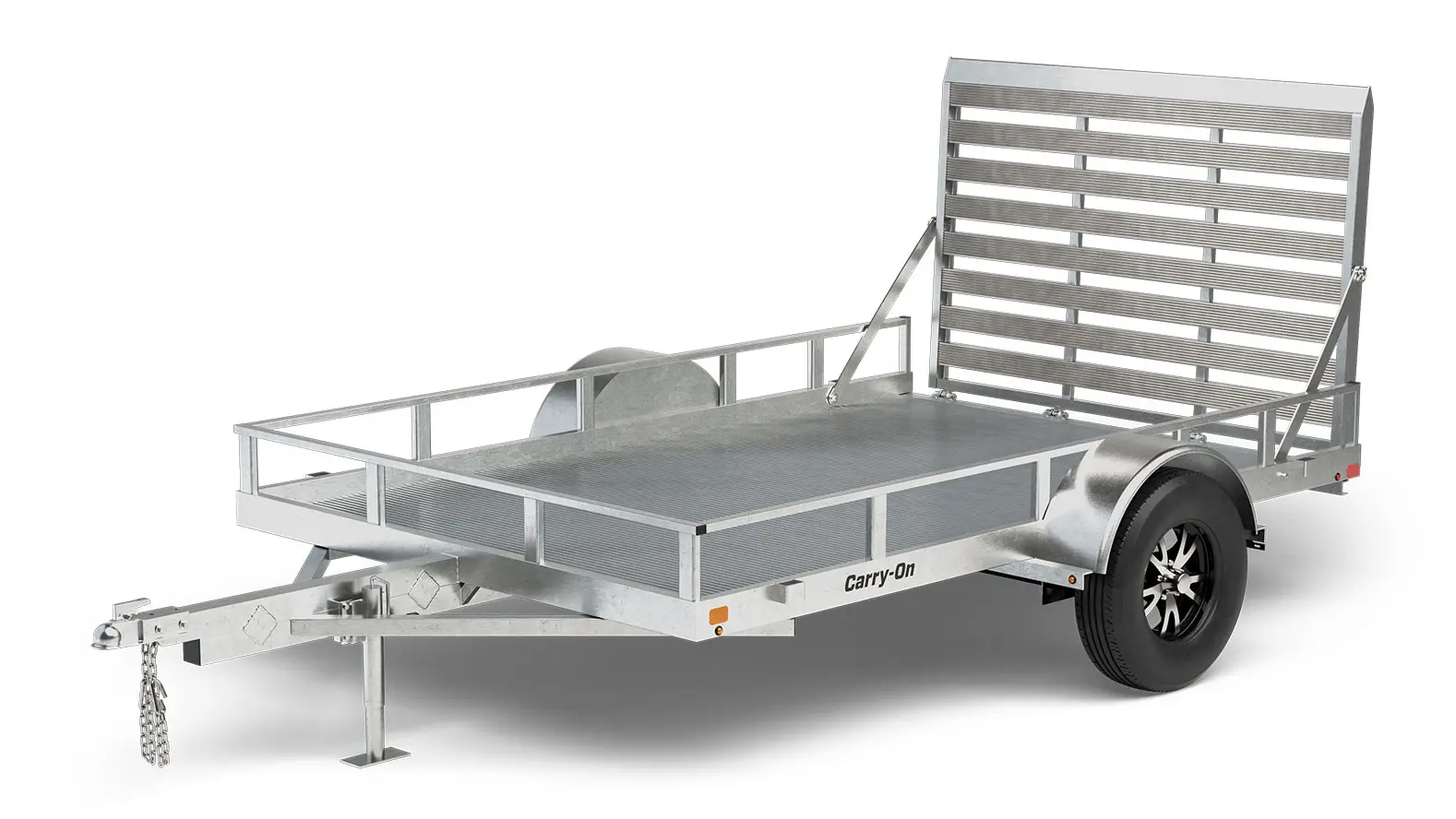
The materials used in the trailer’s construction impact durability and maintenance needs. Steel trailers are strong but can rust if not treated properly. Aluminum trailers weigh less and resist corrosion but often cost more.
Think about how often you'll use the trailer and in what conditions. If you haul in wet or salty environments, a rust-resistant option might save you money and headaches later.
Additional Features And Accessories
Extra features can improve your trailer’s functionality and convenience. Look for options like tie-down points, ramps, or toolboxes that make loading and securing cargo easier.
Consider what accessories you actually need versus nice-to-haves. Adding unnecessary features might increase cost and weight without real benefits for your specific tasks.
Maintenance Tips For Longevity
Keeping your carry on trailer in top shape is key to making it last for years. Simple maintenance habits can save you time and money while ensuring your trailer is always ready to roll. Here are some practical tips to help you care for your trailer effectively.
Regular Inspection Checklist
Check your trailer before every trip to catch any issues early. Look at the tires for wear and proper inflation. Inspect lights and signals to make sure they work correctly.
Don’t forget to examine the hitch and safety chains for any signs of rust or damage. Grease moving parts like the wheel bearings and coupler to keep them running smoothly. A quick walk-around can prevent many common problems.
Storage Best Practices
How you store your trailer affects how long it will last. If you can, keep it in a covered area to protect it from the elements. Sun, rain, and snow can cause rust and weaken materials over time.
Before storing, clean your trailer thoroughly and remove any dirt or debris. Use a waterproof cover if indoor storage isn’t an option. Also, consider placing blocks under the tires to avoid flat spots.
Troubleshooting Common Issues
Sometimes things go wrong despite your best efforts. If your trailer sways while towing, check the load distribution first. Uneven weight can cause unsafe handling.
Strange noises often mean loose parts or worn bearings. Tightening bolts and lubricating components usually fixes these sounds. If the brakes feel weak, inspect the brake pads and wiring immediately.
Have you noticed any warning signs but aren’t sure what to do? Address small problems early to avoid costly repairs later. Your trailer will thank you with reliable performance every trip.
Frequently Asked Questions
What Is A Carry On Trailer Used For?
A carry on trailer is used to transport small to medium loads. It is ideal for hauling tools, equipment, and recreational gear. These trailers are perfect for personal or business use, offering convenience and portability for various tasks.
How Big Is A Typical Carry On Trailer?
Typical carry on trailers range from 4x8 to 6x12 feet. The size varies based on the model and purpose. They are compact enough to be towed by most vehicles while providing ample cargo space.
Can I Tow A Carry On Trailer With A Car?
Yes, most carry on trailers can be towed by cars. They are designed to be lightweight and compatible with standard towing capacities. Always check your car’s towing limits before hauling.
Are Carry On Trailers Easy To Maintain?
Yes, carry on trailers require minimal maintenance. Regular tire checks, lubrication, and cleaning keep them in good condition. Proper upkeep ensures safety and extends the trailer’s lifespan.
Conclusion
A carry on trailer makes transporting items easier and safer. It fits most vehicles and saves space. You can carry tools, bikes, or camping gear without trouble. These trailers are lightweight and easy to tow. They help you stay organized on trips.
Choosing the right size is important for your needs. Maintenance is simple, keeping your trailer ready to use. Overall, a carry on trailer adds convenience to your travel and work. It is a practical choice for many people.