

When you're planning your next trip, choosing the right luggage is crucial. You might be wondering, "What is a checked bag vs carry on?"
This question is key to ensuring a smooth travel experience. Whether you're a seasoned traveler or a first-time flyer, understanding the difference can save you time, money, and stress at the airport. Imagine effortlessly gliding through security with your perfectly packed carry on, or confidently checking your bag for a worry-free flight.
By the end of this article, you'll know exactly which option suits your needs best. Keep reading to discover how the right choice can transform your travel experience.

Checked Bag Basics
Checked bags are luggage pieces travelers hand over to the airline before boarding. These bags travel in the airplane’s cargo hold. Knowing the basics helps avoid surprises at the airport. It also prepares you to pack smartly and save money.
Size And Weight Limits
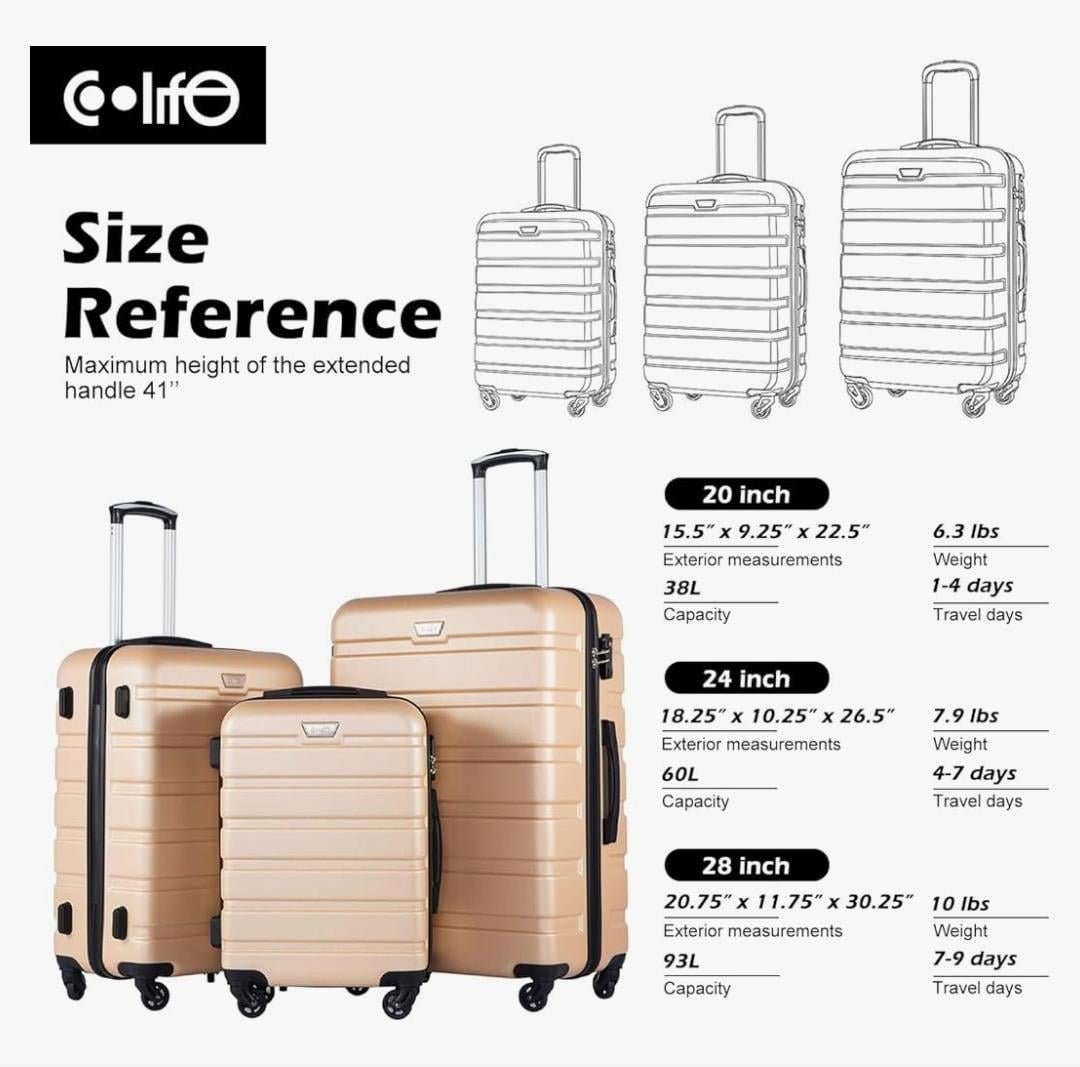
Each airline sets rules for checked bag size and weight. Common limits are around 62 inches total (length + width + height). Weight limits often range from 50 to 70 pounds. Bags over these limits may face extra fees or be rejected.
Fees And Charges
Checked bags usually come with fees. Prices vary by airline, route, and ticket type. Some airlines offer free checked bags with certain tickets. Extra or overweight bags often cost more. Paying online before the airport can be cheaper.
Handling And Security
Checked bags go through security screening before loading. They are handled by airport staff and machinery. Bags may be tagged and tracked during the journey. Fragile items should be packed carefully. Airlines recommend not packing valuables inside checked bags.

Carry-on Essentials
Carry-on bags are small suitcases or backpacks you bring inside the airplane. They keep your essentials close and save time at baggage claim. Packing smart helps you avoid delays and lost items.
Choosing the right items for your carry-on is important. You want things that fit rules and keep you comfortable on the flight. Knowing what you can bring and how to store it makes travel easier.
Size Restrictions
Airlines set limits on carry-on size. Most allow bags about 22 x 14 x 9 inches. These dimensions include handles and wheels. Too big, and you must check the bag instead. Measure your bag before travel to avoid surprises.
Allowed Items
Carry-ons can hold clothes, electronics, and toiletries. Liquids must be in containers of 3.4 ounces (100 ml) or less. All liquids go in a clear, quart-sized bag. Sharp objects and large tools are not allowed. Batteries and chargers are fine if packed properly.
Storage In The Cabin
Carry-on bags fit in overhead bins or under the seat. Overhead bins hold larger bags safely. Smaller bags slide under the seat in front of you. Keep important items like passports and devices in easy reach. This helps during security checks and boarding.
Benefits Of Checked Bags
Checked bags offer clear advantages that can make your travel experience much smoother and more comfortable. They free you from the hassle of managing everything onboard, letting you focus on your journey. Understanding these benefits helps you decide when it’s worth checking a bag versus carrying on.
More Space For Belongings
Checked bags give you significantly more room to pack your essentials and extras. You can bring bulkier items like jackets, shoes, or souvenirs without worrying about space constraints. Have you ever had to leave something behind because your carry-on was too full? Checked baggage solves that problem.
Less To Carry Onboard
Traveling light on the plane means less stress navigating crowded aisles or overhead bins. With your heavier or larger items stowed away, you can move more freely and even relax without worrying about your bag. Imagine how much easier it is to get through security and find your seat with just a small bag in hand.
Ideal For Long Trips
Longer trips often require more clothing and gear, making a checked bag almost necessary. It’s easier to pack for different weather conditions or occasions without cramming everything into a tiny carry-on. If you’re heading out for a week or more, a checked bag can keep your travel experience hassle-free and organized.
Advantages Of Carry-ons
Carry-on bags offer several benefits that make travel easier and faster. They simplify the airport experience and help save money. Many travelers prefer carry-ons for short trips and quick getaways. These bags keep important items within reach during the flight. Understanding the advantages of carry-ons helps in choosing the right luggage for your trip.
Faster Airport Process
Carry-ons speed up the airport routine. There is no need to wait at baggage claim. You skip the check-in counter lines for checked bags. This saves valuable time, especially during busy travel seasons. Boarding and exiting the plane also become quicker.
Avoiding Baggage Fees
Many airlines charge for checked bags. Carry-ons usually fly free of charge. This reduces travel expenses, especially on budget airlines. Avoiding baggage fees means more money for activities or meals at your destination.
Keeping Valuables Close
Carry-ons let you keep valuables close at all times. Important documents, electronics, and medications stay with you. This lowers the risk of lost or stolen items. You can easily access your belongings during the flight or layovers.
Common Restrictions And Rules
Understanding the common restrictions and rules for checked bags and carry-ons can save travelers from surprises at the airport. Each type of luggage has specific limits and regulations that passengers must follow. These rules help keep flights safe and efficient.
Knowing what you can and cannot bring, the size and weight limits, and how airline policies vary is important. This knowledge ensures a smoother travel experience and avoids extra fees or delays.
Prohibited Items
Both checked bags and carry-ons have items that are not allowed. Sharp objects like knives and scissors are usually banned in carry-ons. Liquids over 3.4 ounces must go in checked bags or be discarded. Explosives, flammable materials, and certain batteries are forbidden in both.
Always check the airline and airport lists before packing. This prevents security hold-ups and confiscations.
Weight And Size Penalties
Carry-ons have strict size limits to fit in overhead bins or under seats. Checked bags have weight limits, often 50 pounds or 23 kilograms. Bags exceeding these limits face extra charges. Overweight fees can add up quickly.
Measuring your luggage and weighing it before heading to the airport avoids surprises. Some airlines charge per pound or kilogram over the limit.
Airline Policies
Airline rules vary widely. Some allow two free checked bags, others charge for all checked luggage. Carry-on sizes and weight limits also differ by airline. Budget airlines tend to have stricter policies.
Review airline rules before booking. This helps plan what to pack and what fees to expect. Following these policies avoids delays and extra costs at check-in.

Choosing Between Checked And Carry-on
Choosing between a checked bag and a carry-on depends on several factors. Each option has its own benefits and limits. Knowing these can help pack smarter and travel easier.
Think about what fits your trip and style best. The right choice can save time, money, and stress.
Trip Duration Considerations
Short trips usually suit carry-ons well. Carry-ons keep essentials close and avoid wait times at baggage claims.
Longer trips often need more clothes and items. Checked bags offer more space to pack everything needed comfortably.
Consider the length of your stay and how much you need to bring along. This helps decide the best luggage option.
Personal Preferences
Some travelers prefer moving light and fast. Carry-ons allow quick airport exits and less hassle.
Others want to bring extra gear or souvenirs. Checked bags let you carry more without worrying about size limits.
Your comfort with handling luggage matters. Choose what suits your travel style and ease.
Budget Impact
Many airlines charge extra for checked bags. This can add to travel costs unexpectedly.
Carry-ons are often free or cheaper to bring on board. This saves money on baggage fees.
Think about your budget before deciding. Weigh fees against convenience and packing needs.
Packing Tips For Both Bag Types
Packing for both checked bags and carry-ons needs smart planning. Each bag type has space limits and rules. Using good packing tips helps fit more and keeps items safe. Organizing your bags well makes travel easier and less stressful.
Maximizing Space
Use packing cubes to separate clothes and accessories. Roll clothes tightly instead of folding them. Place heavy items at the bottom of your bag. Fill shoes with socks or small items. Use every corner, including inside hats or bags. Avoid overpacking to keep your bag light and easy to carry.
Protecting Fragile Items
Wrap breakable items in soft clothing or bubble wrap. Keep electronics in padded cases inside your carry-on. Place fragile items in the middle of your checked bag. Avoid placing heavy items on top of delicate things. Use hard-shell suitcases for better protection. Label your checked bag as fragile if needed.
Organizing Essentials
Keep important documents and valuables in your carry-on. Use small pouches for toiletries and chargers. Pack a change of clothes in your carry-on for emergencies. Separate clean and dirty clothes using plastic bags. Keep medicines easily reachable. Make a list of essential items to avoid forgetting anything.
Frequently Asked Questions
What Is The Difference Between Checked Bag And Carry-on?
A checked bag is stored in the plane’s cargo hold. A carry-on stays with you in the cabin. Size and weight limits differ for both types. Checked bags may incur fees, while carry-ons often do not.
Can I Bring Liquids In Carry-on Luggage?
Yes, but liquids must be in containers of 3. 4 ounces (100 ml) or less. All containers should fit in a single quart-sized clear bag. Larger liquid items must be packed in checked bags.
Are There Size Limits For Checked Bags?
Yes, airlines set size and weight limits for checked bags. Typically, the maximum weight is 50 pounds (23 kg). Oversized or overweight bags may incur additional fees. Always check your airline’s specific rules.
Is It Safer To Use A Carry-on Or Checked Bag?
Carry-ons are generally safer since you keep them with you. Checked bags risk being lost or delayed during handling. Valuable or essential items should always stay in your carry-on.
Conclusion
Choosing between a checked bag and a carry-on depends on your travel needs. Carry-ons are quick and easy for short trips. Checked bags allow you to bring more items but take longer to get. Airlines have specific rules for both types.
Knowing these differences helps you pack smart and avoid extra fees. Travel lighter or pack more—both have their place. Remember to check your airline’s policies before you fly. This way, your trip will be smoother and less stressful. Simple choices lead to better travel experiences.