

Have you ever stood at the airport security line wondering exactly what you can pack in your personal item bag? You’re not alone.
Knowing the rules can save you time, stress, and even money. Imagine breezing through security without having to unpack or leave anything behind. You’ll discover exactly what is allowed in a personal item bag, so you can travel smarter and with confidence.
Keep reading to make your next trip smoother from the very start.

Personal Item Bag Basics
Your personal item bag is more than just a sidekick to your carry-on; it’s a small but powerful space where you keep essentials within easy reach. Knowing what fits and what’s allowed can save you stress at the gate. Let’s break down the basics so you can pack smarter and travel lighter.
Size And Weight Limits
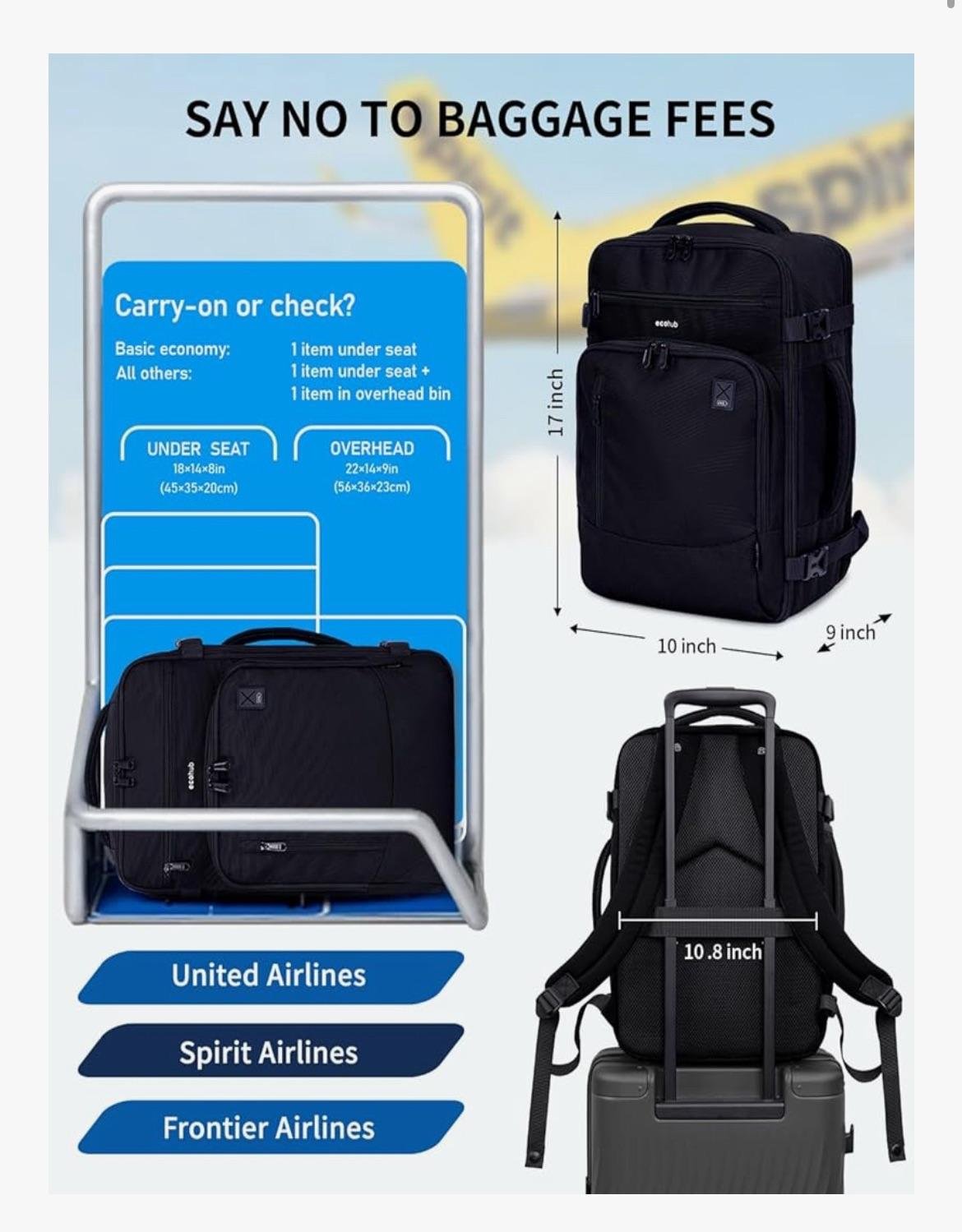
Each airline sets its own rules for how big and heavy your personal item can be. Most allow a bag that fits under the seat in front of you, but sizes vary from about 16 x 12 x 6 inches to 18 x 14 x 8 inches.
Weight limits are less common but can be around 15 to 20 pounds. If your bag is too large or heavy, you may be asked to check it or pay extra. Have you ever had to repack at the airport? Avoid that hassle by measuring your bag before you leave home.
Common Airlines Policies
| Airline | Max Size (inches) | Weight Limit | Notes |
|---|---|---|---|
| Delta | 18 x 14 x 8 | 15 lbs | Must fit under seat |
| American Airlines | 18 x 14 x 8 | No official weight limit | Personal item plus carry-on allowed |
| United | 17 x 10 x 9 | Not specified | Bag must fit under seat |
| Southwest | 18.5 x 8.5 x 13.5 | No official weight limit | One personal item plus one carry-on allowed |
Checking these details before packing helps avoid surprises. Airlines update policies, so a quick visit to their website can save you from last-minute headaches.
Types Of Personal Items Allowed
Typically, personal items include purses, laptop bags, small backpacks, or briefcases. You can also bring items like a camera bag, diaper bag, or a small tote bag.
Some travelers try to sneak in larger bags as personal items. Think about whether your bag truly fits under the seat or if it’s pushing your luck. Have you ever had an item unexpectedly upgraded to carry-on status with fees? Knowing your options keeps you prepared.
Remember, your personal item should hold what you need during the flight: snacks, a book, electronics, or travel documents. Packing with purpose in this small space improves your travel comfort and efficiency.
:max_bytes(150000):strip_icc()/tal-product-calpak-luka-duffel-jkim-0074-1-27d61061e7be4d1e9e80f2b03682c951.jpeg)
Packing Essentials
Packing a personal item bag can feel like a puzzle. You want to bring what’s necessary without overloading yourself. Knowing exactly what essentials to pack ensures you stay prepared and comfortable throughout your journey.
Must-have Travel Documents
Always keep your passport, boarding pass, and any visas within easy reach. A separate folder or zippered pouch can help you avoid fumbling through your bag at security checkpoints.
Don’t forget digital copies stored securely on your phone or cloud. Have you ever been stuck without a boarding pass because your phone died? Keeping a printed backup saves you from that hassle.
Electronics And Accessories
Bring your phone, charger, headphones, and a portable power bank. These items keep you connected and entertained during long waits or flights.
Consider a universal adapter if you’re traveling internationally. Small extras like a USB cable or extra earbuds can make a big difference when devices run low.
Toiletries And Liquids
Pack travel-sized toiletries within the TSA liquid limits (usually 3.4 ounces or 100 milliliters per container). Use clear, resealable bags to pass through security without a hitch.
Essentials include a toothbrush, toothpaste, hand sanitizer, and facial wipes. Ever wished you had a fresh face after a long flight? These small items help you feel refreshed and confident.
Medications And Health Items
Keep prescription medications in their original containers with labels visible. Pack any over-the-counter remedies you might need, like pain relievers or allergy medicine.
Don’t overlook items like lip balm, sunscreen, or motion sickness tablets. What health items have saved your trip unexpectedly? Having them handy can prevent minor issues from becoming major problems.
Restricted Items
Airlines and security agencies set clear rules for personal item bags. Certain things are not allowed to keep everyone safe. Knowing restricted items helps avoid delays and problems at the airport. Each category has specific items that travelers must leave out of their bags.
Prohibited Liquids And Gels
Liquids and gels have strict limits. Containers cannot hold more than 3.4 ounces (100 milliliters). All liquids must fit in one clear, quart-sized bag. This includes water, lotion, shampoo, and even toothpaste. Large bottles or containers with liquids are not allowed. This rule helps prevent dangerous substances from being brought on board.
Sharp Objects And Tools
Sharp objects are banned in personal item bags. Knives, scissors, and razor blades are not permitted. Tools like screwdrivers, wrenches, and hammers must be checked in. Even small sharp items can pose a risk during flight. Carrying these items can cause serious security issues and delays.
Banned Electronics And Batteries
Certain electronics and batteries face restrictions. Large lithium batteries or power banks over a specific size are not allowed. Devices with damaged or recalled batteries must stay out of carry-on bags. Some electronic cigarettes and vaping devices are also banned. These rules protect against fire hazards on planes.
Maximizing Space
Maximizing space in your personal item bag can transform your travel experience. It’s not just about fitting everything in, but also about easy access and protecting your belongings. Smart packing helps you carry what you need without the bulk.
Packing Techniques
Rolling clothes instead of folding saves a surprising amount of space. It also reduces wrinkles, which means less time ironing when you arrive. Try stuffing smaller items like socks and underwear inside shoes to use every inch efficiently.
Layering heavier items at the bottom and lighter ones on top keeps your bag balanced. Placing flat items like books or tablets along the sides prevents awkward bulges. Have you experimented with rolling versus folding to see which works best for your bag?
Choosing The Right Bag
The shape and size of your bag matter more than you might think. A bag with multiple compartments helps separate your items and keeps things organized. Look for lightweight bags with expandable sections to give you extra room when needed.
Soft-sided bags often fit under seats more easily than rigid ones. Consider the dimensions allowed by airlines to avoid surprises at the gate. Does your bag have easy-to-reach pockets? They can be a lifesaver for boarding passes and small essentials.
Organizing With Packing Cubes
Packing cubes are a game changer for keeping your bag tidy. They group similar items together, making it faster to find what you need. Use different colors or sizes to categorize clothes, gadgets, and toiletries.
Compressible cubes can reduce the volume of bulky clothing like sweaters. They also help you avoid digging through your bag and disrupting everything else inside. Have you tried using packing cubes on your last trip? The difference in space and organization might surprise you.
Tips For Smooth Security Checks
Passing through airport security can be quick and hassle-free with the right approach. Knowing how to prepare your personal item bag helps speed up the screening process. Small actions make a big difference. Stay organized and follow simple rules to avoid delays or extra checks.
Preparing Your Bag For Screening
Place liquids in clear, resealable bags. Keep electronics like laptops and tablets easy to access. Remove bulky jackets or belts before screening. Organize items so security can see everything quickly. Avoid overpacking to prevent the need for extra inspections.
Handling Special Items
Declare any medical devices or medications at the checkpoint. Carry prescription bottles with labels to avoid confusion. Inform security about baby food or special dietary items. Pack fragile items carefully to protect them during screening. Follow airline rules for sharp objects or tools.
Common Mistakes To Avoid
- Forgetting to remove electronics from your bag.
- Carrying liquids over the allowed limit.
- Not declaring medical or special items.
- Overpacking, causing delays or extra checks.
- Wearing metal accessories that trigger alarms.

Special Considerations
Special considerations affect what can go in your personal item bag. Rules may change based on who you are traveling with or where you are going. Understanding these factors helps avoid issues at security or boarding.
Traveling With Kids
Parents can carry extra items like diaper bags or snacks. Many airlines allow baby food and formula in personal items. Keep toys and comfort items handy for the child’s ease. Pack medicines and wipes in the personal bag for quick access.
International Travel Rules
Different countries have strict rules on liquids and electronics. Some items allowed domestically may be restricted abroad. Check customs regulations for your destination before packing. Carry important documents like passports and visas in your personal bag.
Frequent Flyer Perks
Loyalty programs often allow larger or additional personal items. Some airlines offer priority boarding for frequent flyers. This can make managing your personal item easier. Check your airline’s policy to use these benefits fully.
Frequently Asked Questions
What Items Are Allowed In A Personal Item Bag?
Personal item bags typically allow essentials like a purse, laptop, small backpack, or briefcase. Airlines often permit items that fit under the seat in front of you, including small electronics, documents, and a light jacket.
Can Liquids Be Carried In A Personal Item Bag?
Yes, liquids are allowed but must follow TSA’s 3-1-1 rule: containers no larger than 3. 4 ounces, all fitting in a 1-quart clear bag. This bag must be easily accessible for screening.
Are Electronics Allowed In A Personal Item Bag?
Yes, laptops, tablets, smartphones, and cameras are allowed in a personal item bag. You must remove them for separate screening during airport security checks.
Can Food Be Packed In A Personal Item Bag?
Yes, solid food items are allowed in personal item bags. However, liquids or gels like soups and sauces must comply with TSA liquid regulations.
Conclusion
Packing personal items can be simple. Follow airline guidelines carefully. Keep essentials handy. Think about comfort and convenience. Choose items that fit easily. Avoid overpacking. Organize well for easy access. Consider security checks. Liquids should follow regulations. Electronics should be accessible.
Keep important documents safe. A little planning goes a long way. Travel light and smart. Enjoy a hassle-free journey. Remember, simplicity is key. Safe travels!