

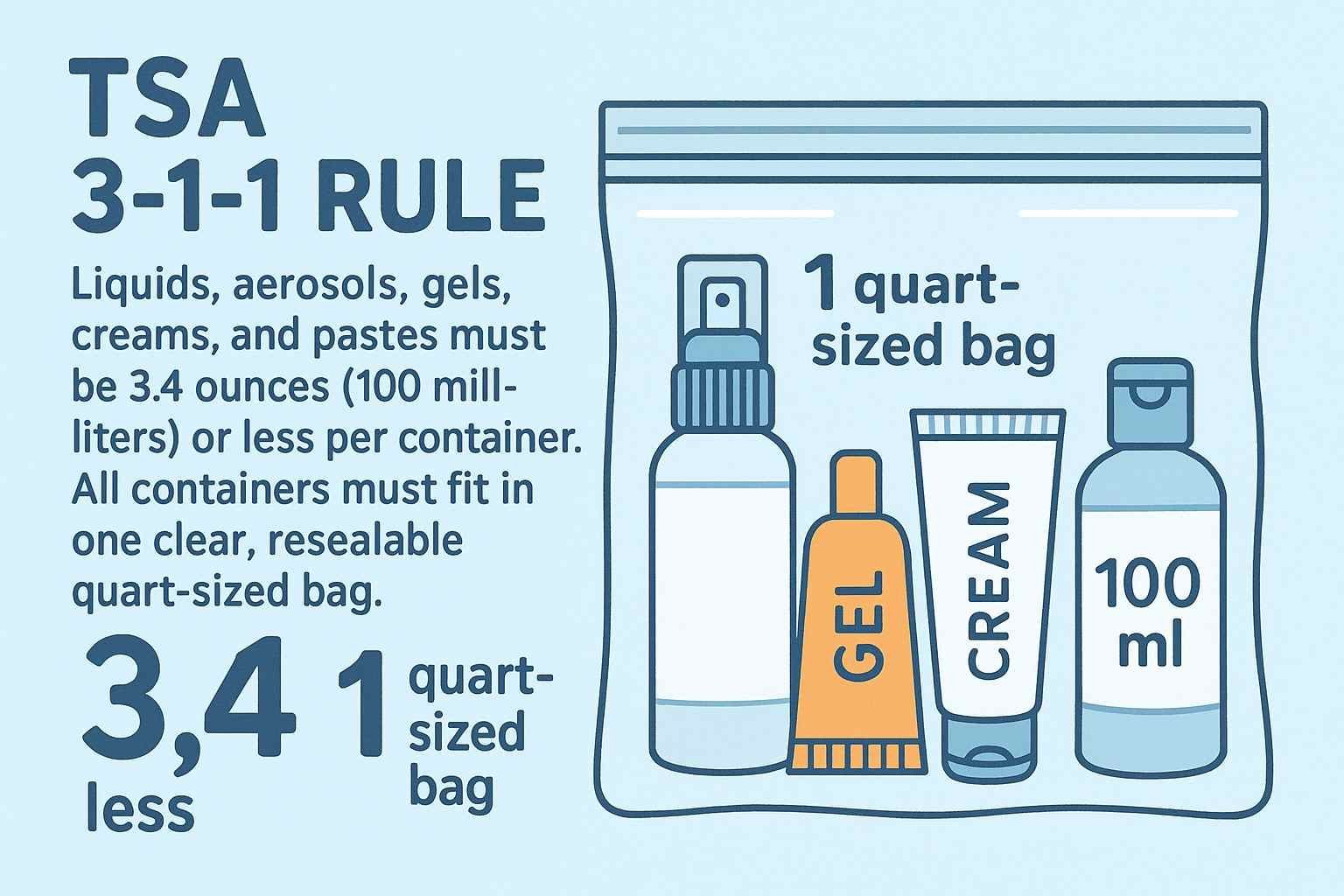
Ever found yourself standing at the airport security checkpoint, frantically rearranging your toiletries, unsure if you're about to lose your favorite shampoo? You're not alone.
Navigating airline regulations can be tricky, especially when it comes to carrying liquids in your carry-on luggage. Understanding the liquid limit isn't just a matter of getting through security faster; it's about ensuring a stress-free travel experience. How much liquid can you really carry?
What counts as a liquid? And what happens if you're over the limit? Stick around as we unravel these mysteries, ensuring your next trip is smooth sailing from start to finish. Your travel peace of mind is just a few scrolls away.
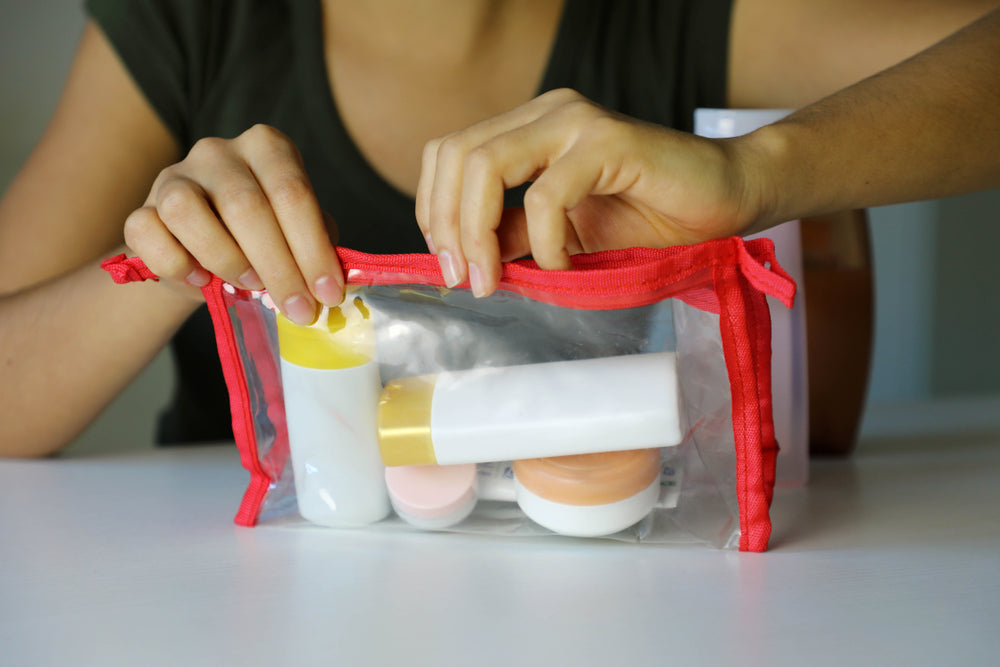
Liquid Limit Basics
Understanding the liquid limit is essential in soil mechanics and engineering. It tells us how much water a soil can hold before it behaves like a liquid. This property helps in predicting soil behavior under different conditions.
Knowing the liquid limit helps engineers design safer structures and manage soil stability. It also plays a role in classifying soil types and understanding their strength.
Definition And Importance
The liquid limit is the water content at which soil changes from a plastic to a liquid state. At this point, soil starts to flow under its own weight. This limit indicates the soil’s ability to retain shape under stress.
It is important because it helps determine soil consistency and workability. High liquid limit means soil becomes soft and weak with more water. Low liquid limit means soil stays firm even with added moisture.
Historical Context
The liquid limit concept was first introduced by Albert Atterberg in the early 1900s. Atterberg developed limits to describe soil's plasticity and behavior. His work laid the foundation for modern soil classification systems.
Later, the liquid limit test was standardized and widely adopted in civil engineering. It remains a key test for soil analysis and construction projects worldwide.
Testing Methods
Testing the liquid limit helps determine the moisture content where soil changes from plastic to liquid state. This test reveals important soil properties for construction and engineering. Several methods exist, each using specific tools and procedures.
Casagrande Method
This method uses a device called the Casagrande cup. Soil paste is placed in the cup and a groove is cut in the center. The cup is repeatedly dropped, causing the groove to close. The moisture content when the groove closes at 13 mm after 25 drops is the liquid limit.
The Casagrande method is widely used due to its simplicity and accuracy. It requires careful preparation of soil samples and precise counting of cup drops.
Cone Penetrometer Method
This test uses a cone that penetrates the soil at a controlled rate. The depth the cone sinks shows the soil’s resistance. The liquid limit is the moisture content at a specific penetration depth, usually 20 mm.
This method is faster and less subjective than the Casagrande method. It provides consistent results, especially for fine-grained soils.
Comparing Techniques
- The Casagrande method is manual and needs experience.
- The Cone Penetrometer method offers more objective readings.
- Both provide reliable liquid limit values for soil analysis.
- Choice depends on equipment availability and soil type.
Understanding these testing methods helps choose the best approach for soil evaluation. Accurate liquid limit results improve soil handling and construction safety.
Factors Influencing Liquid Limit
The liquid limit is a crucial property of soil that affects its behavior and stability. Various factors influence this limit, determining how soil reacts under different conditions. Understanding these factors helps in predicting soil performance for construction, agriculture, and environmental projects.
Soil Composition
The type of soil particles impacts the liquid limit significantly. Clay soils have higher liquid limits due to their fine particles. Sand and silt have lower liquid limits because their particles are coarser. The presence of organic matter can also change the soil’s liquid limit by affecting its plasticity.
Moisture Content
Moisture content directly influences the liquid limit. As water content increases, soil becomes softer and more fluid. The liquid limit marks the point where soil changes from plastic to liquid state. The balance of moisture affects soil strength and workability.
Environmental Conditions
Temperature and weather conditions play roles in the liquid limit. Higher temperatures can reduce soil moisture through evaporation. Seasonal changes may cause variations in soil moisture and consistency. These factors affect soil behavior and its liquid limit over time.
Applications In Construction
The Liquid Limit plays a vital role in various construction activities. It helps engineers and builders understand how soil behaves under different moisture conditions. Knowing this limit guides crucial decisions that impact the safety and durability of structures.
Soil Classification
Liquid Limit is a key factor in categorizing soil types. It distinguishes between clay, silt, and other fine-grained soils based on their water content and plasticity.
This classification affects how you approach soil testing and treatment. For instance, soils with a high Liquid Limit tend to be more plastic and compressible, which may require special handling.
Foundation Design
Understanding the Liquid Limit helps you predict how soil will support a building's weight. Soils with a high Liquid Limit can change volume significantly when wet, risking foundation shifts.
Designing foundations on such soils means considering extra reinforcement or deeper footings. Have you ever wondered why some buildings settle unevenly over time? The soil's Liquid Limit might be the hidden cause.
Earthworks And Embankments
In earthworks, the Liquid Limit guides the choice of soil for embankments and slopes. Soils with lower Liquid Limits are generally more stable and less prone to erosion or collapse.
When constructing embankments, knowing the soil’s Liquid Limit helps avoid costly failures. Would you risk building on soil that could suddenly turn soft and unstable after rain?
Common Challenges
Understanding the liquid limit for carry-on materials involves several challenges. These hurdles affect the accuracy and reliability of the test results. Many factors can cause variations in outcomes, making it hard to get consistent data. Identifying and addressing these challenges is essential for better soil analysis and safety compliance.
Testing Accuracy
Achieving precise liquid limit measurements is difficult. Minor errors in sample preparation can change results. Equipment calibration plays a vital role in accuracy. Small differences in water content affect the liquid limit value. Consistent testing methods help reduce variability in data.
Interpreting Results
Understanding the meaning of liquid limit values requires experience. Different soil types respond uniquely to moisture changes. The liquid limit alone does not tell the full story. Combining it with other soil properties improves interpretation. Misreading results can lead to wrong decisions about soil handling.
Field Vs Laboratory Tests
Tests in the field often differ from laboratory results. Field conditions vary and can impact moisture content. Laboratory tests offer controlled environments but may not reflect real scenarios. Balancing both test types provides a clearer picture. Differences between field and lab results must be considered carefully.

Tips For Accurate Measurement
Accurate measurement of the liquid limit is crucial for reliable soil classification and engineering decisions. Small mistakes can lead to big errors in your data, affecting project outcomes. You can improve precision by focusing on key areas during your testing process.
Sample Preparation
Start with a representative soil sample free from large particles or debris. Dry the sample gently and crush it to a uniform consistency before testing. Avoid adding extra moisture unintentionally; even slight changes can alter the liquid limit reading.
Have you noticed how different moisture levels can skew results? Preparing your sample carefully reduces variability and helps you trust the values you get.
Consistent Testing Procedures
Use the same technique every time you test to maintain consistency. For example, the number of blows in the Casagrande device should always be the same. Record every step clearly so you can replicate conditions or identify anomalies later.
Think about how varying your method even slightly might affect the liquid limit. Sticking to a standard procedure ensures your results are comparable and accurate across tests.
Equipment Maintenance
Keep your tools clean and calibrated regularly. Worn or dirty equipment can introduce errors you might not immediately see. Check devices like the Casagrande cup and grooving tool before each use to confirm they work properly.
Have you ever had unexpected results that traced back to faulty equipment? Regular maintenance avoids surprises and keeps your measurements trustworthy.

Frequently Asked Questions
What Is The Liquid Limit In Soil Testing?
The liquid limit is the water content where soil changes from plastic to liquid state. It helps identify soil behavior under moisture variations.
Why Is Liquid Limit Important For Carry-on Luggage?
Liquid limit defines how much liquid soil can hold without flowing. It helps assess soil stability and handling during transport or carry-on procedures.
How Is The Liquid Limit Measured?
The liquid limit is measured using a Casagrande cup or cone penetrometer. It determines the moisture content causing soil to flow or deform.
What Does Liquid Limit Indicate About Soil Properties?
Liquid limit indicates soil plasticity and compressibility. Higher liquid limits mean softer, more plastic soils, affecting construction and transport decisions.
Conclusion
Knowing the liquid limit helps you understand soil behavior better. It shows how wet soil can get before it changes form. This knowledge is important for carry-on rules and safety. Always check liquid limits before packing liquids in your bag.
Following these limits keeps your items safe during travel. Simple steps make your journey smooth and stress-free. Keep liquids within allowed limits to avoid problems at the airport. Stay informed and travel with confidence every time.