

Are you planning to pack your checked bag for your next trip? Before you start stuffing everything inside, it’s important to know what you can’t bring along.
Packing the wrong items could cause delays, fines, or even having your bag opened and searched. You don’t want to face unexpected troubles at the airport, right? Keep reading to discover exactly what is not allowed in a checked bag, so you can travel smoothly and avoid last-minute surprises.
Your peace of mind is just a few minutes of reading away.
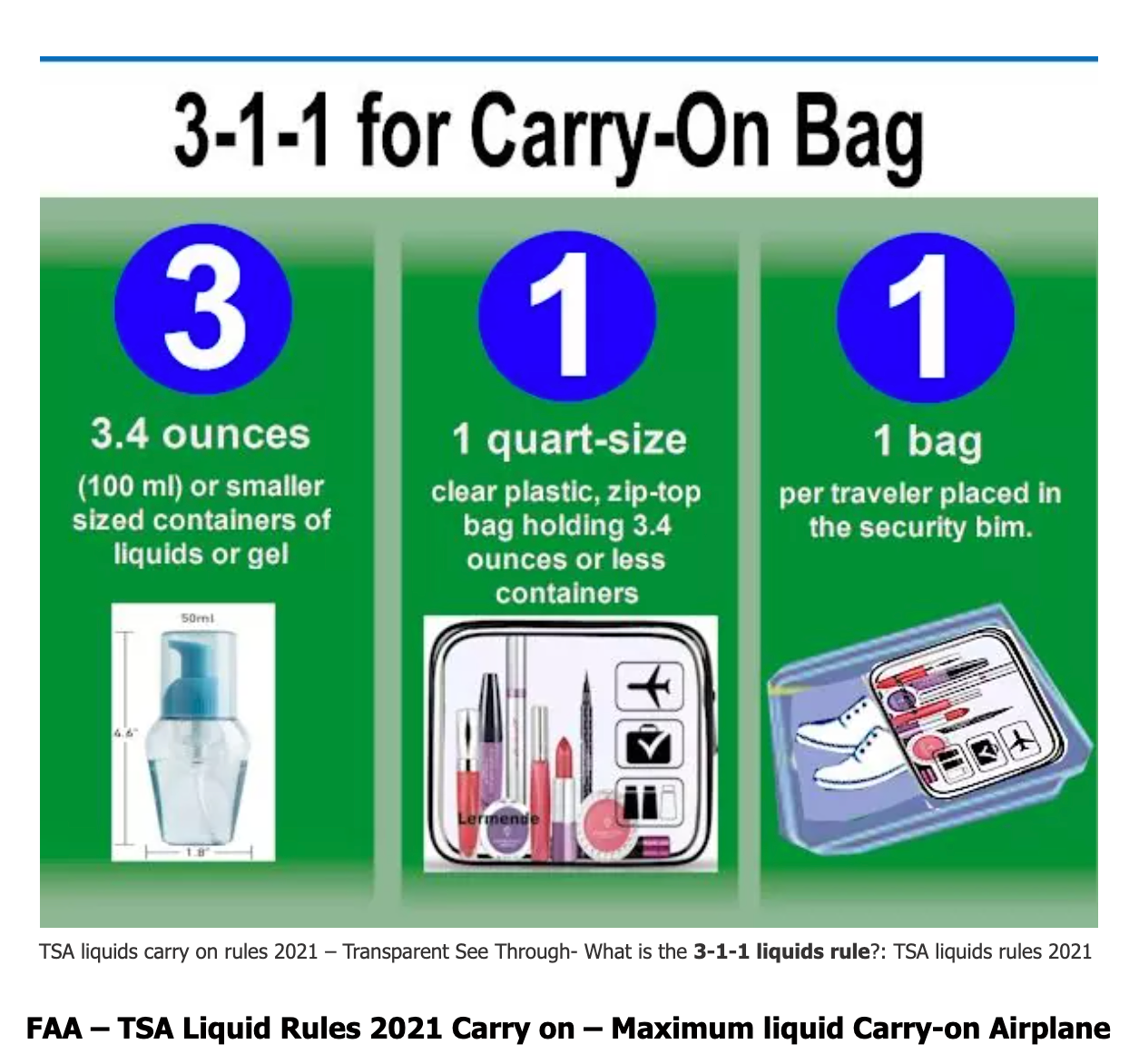
Prohibited Items In Checked Bags
Knowing what you cannot pack in your checked bag is crucial to avoid delays or confiscations at the airport. Certain items pose safety risks and are strictly prohibited. Let’s break down the key categories of these forbidden goods so you can pack smarter and travel stress-free.
Explosives And Fireworks
Explosives like dynamite, gunpowder, and fireworks are absolutely banned in checked luggage. They can cause fires or explosions, which is a huge danger on planes. Even small amounts of fireworks or sparklers can lead to serious trouble at security checkpoints.
Flammable Liquids And Gases
Flammable liquids such as gasoline, paint thinners, and lighter fluid cannot go in checked bags. These substances easily catch fire and pose a threat during flights. Aerosol cans containing flammable gases, like some spray paints or insecticides, are also off-limits.
Compressed Gases
Items containing compressed gases like propane tanks, butane canisters, or oxygen cylinders are not allowed. These can explode if damaged or heated. Even small canisters for camping stoves or inhalers usually need special handling or airline approval.
Corrosive Materials
Corrosives like acids, alkalis, and wet cell batteries can damage other luggage and endanger handlers. These substances eat away at metals and skin, so airlines prohibit them in checked bags. Household bleach or car batteries are common examples you should leave out.
Toxic Substances
Toxic substances including pesticides, rat poison, and infectious materials are banned. These pose health risks to passengers and crew if spilled or exposed. Bringing any kind of poison or biohazard without proper authorization can lead to legal trouble and hefty fines.
Restricted Items With Special Regulations
Restricted items with special regulations require careful attention before packing. Airlines and security agencies set rules to ensure passenger safety. Some items are allowed with limits or specific packaging. Understanding these rules helps avoid delays or confiscation at the airport.
Lithium Batteries
Lithium batteries pose fire risks during flights. Spare batteries must be carried in carry-on bags only. Installed batteries in devices are usually allowed in checked bags. Battery terminals should be covered or insulated to prevent short circuits.
Alcoholic Beverages
Alcohol has quantity and strength limits in checked baggage. Most airlines allow up to 5 liters of beverages with 24% to 70% alcohol by volume. Beverages over 70% alcohol are prohibited. Packaging must prevent leaks or breakage during transport.
Sharp Objects
Sharp objects like knives and scissors have strict rules. They are generally banned in carry-on bags but may be allowed in checked bags. Items must be securely wrapped to avoid injury. Certain blades or tools with sharp edges may still be prohibited.
Sporting Equipment
Sporting goods such as golf clubs and baseball bats can be checked. Airlines require proper packing to avoid damage. Some equipment may need prior approval or special fees. Items like bows, arrows, and spears are often restricted or banned.
Tools And Equipment
Tools like hammers, screwdrivers, and drills have size and length limits. Most tools are allowed in checked bags only. Sharp or heavy tools need secure packaging. Large or dangerous tools may require airline approval before travel.
Items That Must Be Carried Onboard
Certain items must always be kept with you during your flight. Airlines and security rules require passengers to carry these items onboard. This ensures safety, quick access, and protection from loss or damage. Knowing what to pack in your carry-on helps avoid delays and hassles at the airport.
Valuables And Electronics
Keep important valuables like jewelry and money in your carry-on bag. Electronics such as laptops, tablets, and cameras belong onboard. These items are fragile and can easily get lost or damaged in checked luggage. Carrying them with you ensures they stay safe and accessible during your trip.
Medications And Medical Devices
Always bring necessary medications onboard. These include pills, inhalers, and insulin. Medical devices like CPAP machines or mobility aids must stay with you too. Having them handy prevents health risks and ensures prompt use if needed during the flight.
Important Documents
Carry passports, boarding passes, and visas with you. These documents are required for security checks and boarding. Keep them in a secure place within your carry-on to avoid loss or theft. This practice helps smooth your travel experience.
Perishable Items
Food that spoils quickly should be kept onboard. Perishable items like sandwiches, fruits, and dairy products need temperature control. Carrying them with you prevents spoilage and waste. Pack them carefully to avoid spills or messes inside the cabin.

Airline And Security Policies
Airline and security policies shape what travelers can pack in checked bags. These rules protect passengers and crew from dangerous items. Understanding these policies helps avoid delays and fines. Each airline and airport may have different regulations. Knowing the details can make travel smoother and safer.
Variations Among Airlines
Airlines set their own rules for checked baggage contents. Some allow certain items while others ban them completely. Restrictions may depend on the flight route or destination country. For example, some airlines prohibit lithium batteries in checked bags. Others may limit the quantity of liquids or aerosols. Always check the airline’s official guidelines before packing.
Security Screening Procedures
Security officers inspect checked bags to find banned items. They use X-ray machines and sometimes physical searches. Items like sharp objects, explosives, and flammable materials are not allowed. If an item looks suspicious, it may be removed or cause delays. Screening ensures all bags comply with safety standards.
Consequences Of Violations
Carrying forbidden items in checked bags can lead to serious trouble. Airlines may confiscate the item without refund. Passengers might face fines or travel bans. In some cases, law enforcement gets involved. Violations can delay the entire flight or cause missed connections. Following rules protects everyone’s safety and avoids penalties.
Packing Tips To Avoid Issues
Packing for a trip can be stressful. Knowing what is not allowed in checked bags helps avoid delays and fees. Careful packing ensures a smooth airport experience. Follow simple tips to keep your luggage safe and compliant.
Checking Airline Guidelines
Each airline has its own rules. Visit the airline’s website before packing. Review their list of prohibited items. Note size and weight limits for checked bags. Confirm rules for specific items like batteries or liquids. Staying informed prevents problems at the airport.
Using Proper Containers
Use sturdy containers for fragile items. Place liquids in leak-proof bottles or bags. Avoid glass containers unless protected with padding. Seal food items tightly to avoid spills. Proper packaging helps keep your belongings safe and secure.
Labeling And Declaration
Label your bags clearly with your name and contact. Declare any special items at check-in. This includes electronics, batteries, or valuable goods. Honest declaration reduces the risk of confiscation or fines. It also helps airport staff handle your items properly.
Preparing For Security Checks
Organize your bag for easy inspection. Keep prohibited items out of your checked luggage. Separate electronics and metal objects if asked. Pack items so security can quickly see their contents. This speeds up the screening process and avoids delays.
Frequently Asked Questions
What Items Are Prohibited In Checked Bags?
Prohibited items include explosives, flammable liquids, and compressed gases. Sharp objects and lithium batteries are often restricted. Always check airline rules before packing.
Can I Pack Liquids In My Checked Luggage?
Yes, but liquids must be in sealed containers. Large quantities of flammable liquids are not allowed. Follow airline guidelines to avoid confiscation.
Are Firearms Allowed In Checked Baggage?
Firearms are allowed if declared and properly packed. They must be unloaded and stored in a locked, hard-sided container. Check specific airline and TSA rules.
Why Are Lithium Batteries Restricted In Checked Bags?
Lithium batteries pose fire risks if damaged or short-circuited. Airlines often require them to be carried in carry-on luggage only. Check battery type and quantity limits.
Conclusion
Packing for a flight requires attention to rules. Stick to the list of allowed items. Check your airline's guidelines before packing. Avoid prohibited items to ensure smooth travel. Security checks can be stressful. Prepare by knowing what you can pack.
Safety is the priority for all passengers. Keep your journey stress-free and efficient. Proper packing avoids delays and hassles. Enjoy a seamless airport experience. Stay informed, pack smart, and travel confidently.