

Imagine this: you're excitedly preparing for your upcoming trip, bags packed and ready to go. You arrive at the airport, breeze through check-in, and then it happens.
Security stops you, and you're suddenly facing the inconvenience of having to discard some of your belongings. Frustrating, isn't it? Understanding what items are banned from carry-on luggage can help you avoid this headache. Not only can knowing the rules save you time and stress, but it also ensures a smoother start to your travel adventure.
Dive into this guide to arm yourself with the knowledge you need, ensuring nothing comes between you and your perfect getaway.

Prohibited Liquids And Gels
Airports have strict rules about carrying liquids and gels in carry-on luggage. These rules help keep passengers safe during flights. Many common items fall under these restrictions. Knowing what is allowed prevents delays and confiscations at security checkpoints.
Liquid Volume Limits
Liquids and gels must be in containers of 100 milliliters or less. All containers must fit inside a single, clear plastic bag. The bag size cannot exceed 1 liter. Each passenger may carry only one such bag. This rule applies to items like drinks, creams, and sprays.
Exceptions To The Rules
Some liquids are allowed beyond the 100-milliliter limit. Baby food and milk for infants can be carried in reasonable amounts. Medications are also permitted with proper documentation. Duty-free liquids bought after security checks are allowed if sealed in a tamper-evident bag.
Commonly Confiscated Liquids
- Large bottles of water or soda
- Shampoos and conditioners over 100 milliliters
- Perfumes and colognes in big containers
- Aerosol sprays like deodorants exceeding size limits
- Homemade lotions or gels without packaging
Restricted Sharp Objects
Restricted sharp objects pose a safety risk on airplanes. These items can cause harm and are not allowed in carry-on luggage. Security checks focus on detecting knives, blades, and sharp tools. Travelers must know what sharp items are banned to avoid delays or confiscation.
Knives And Blades
Knives of any size are not permitted in carry-on bags. This includes pocket knives, folding knives, and fixed blades. Razor blades and box cutters are also banned. Even small blades can be dangerous on a plane. These items must go in checked luggage or be left behind.
Scissors And Tools
Scissors with blades longer than 4 inches are banned from carry-ons. Shorter scissors may be allowed but can vary by airline. Tools like screwdrivers, wrenches, and pliers are usually restricted. Sharp or pointed tools can be used as weapons. Always check airline rules before packing tools.
Safe Alternatives For Travel
Use plastic or blunt scissors for travel. Small nail clippers and tweezers are generally allowed. Disposable razors without removable blades are safe to carry. Electric shavers are also permitted. Always pack sharp items in checked baggage for smooth security checks.
Firearms And Explosives
Carrying firearms and explosives in your carry-on luggage is strictly forbidden. These items pose serious risks to passenger safety and airport security. Airports enforce tight rules to prevent any dangerous materials from being brought on board. Knowing these rules helps avoid delays and legal trouble.
Firearms Regulations
Firearms of any kind are not allowed in carry-on bags. This includes pistols, rifles, and revolvers. Even parts of guns, like magazines or ammunition clips, are banned. Travelers must pack firearms in checked luggage following airline rules. Proper declaration and secure packaging are required for checked firearms.
Explosive Materials
Explosives and materials that can ignite or detonate are banned in carry-on luggage. This includes fireworks, flares, gunpowder, and blasting caps. Small amounts of some substances for personal use are also prohibited. Any item that can cause a fire or explosion is a security risk and not allowed on the plane.
Replica And Toy Weapons
Replica guns and toy weapons are not allowed in carry-on bags. These items can be mistaken for real weapons by security staff. Even realistic-looking toys or replicas must be packed in checked luggage. Airlines and airports treat these items seriously to prevent misunderstandings and ensure safety.
Flammable And Hazardous Materials
Flammable and hazardous materials pose significant risks during air travel, which is why strict rules exist around carrying them in your carry-on luggage. Understanding these restrictions is crucial to avoid delays, fines, or even dangerous situations onboard. Let's break down the main categories you need to watch out for before packing your bag.
Aerosols And Gases
Aerosols like spray deodorants, hairsprays, and insect repellents often contain flammable propellants. Most airlines prohibit carrying these in your carry-on if they exceed specific size limits, usually around 100 ml or 3.4 ounces. Gases such as butane, propane, or oxygen tanks are generally banned because they can explode or leak under pressure changes during the flight.
Have you ever forgotten that can of spray paint or lighter gas in your bag? It’s easy to overlook these items, but they can lead to confiscation or worse. Always check labels and airline guidelines before you pack.
Chemical Substances
Chemicals that are corrosive, toxic, or reactive aren’t allowed in carry-on luggage. This includes items like bleach, chlorine, and strong adhesives. Even some household cleaners fall under this category, so carrying them requires extra caution.
If you use specialized products for work or hobbies, think twice before bringing them onboard. Could a safer, smaller alternative serve your needs? You want to avoid being stuck without your essentials or facing trouble at security checkpoints.
Battery Restrictions
Batteries, especially lithium-ion types found in phones, laptops, and cameras, come with strict rules. Spare batteries must be carried in your carry-on only, never checked luggage, to reduce fire risks. Airlines limit battery watt-hours and quantity, so having too many or oversized batteries can get you denied boarding.
Remember how frustrating it feels to have your favorite gadget’s battery taken away? Keep your batteries in protective cases and know the limits before you travel. This small step can save you from unexpected hassles at the airport.
Sporting And Self-defense Items
Sporting and self-defense items often raise questions about carry-on luggage rules. Many of these items pose safety risks on planes. Airlines and security agencies strictly regulate them. Knowing which items are banned can save time and avoid hassle at security checkpoints.
These items include equipment used in sports and tools meant for personal protection. Even though they might seem harmless, they can be dangerous in a confined space like an airplane cabin. Let's explore some common sporting and self-defense items that cannot be carried on board.
Bats And Clubs
Bats and clubs are not allowed in carry-on bags. This rule covers baseball bats, golf clubs, and similar items. These objects can be used as weapons and pose a threat to passenger safety. Pack them in checked luggage instead.
Pepper Spray And Tasers
Pepper spray and tasers are banned from carry-on luggage. These self-defense sprays and electric stun guns can cause harm during flight. Airlines view them as hazardous materials. These items must be placed in checked bags, following airline policies.
Other Prohibited Items
Other banned self-defense tools include:
- Expandable batons
- Brass knuckles
- Stun guns
- Martial arts weapons
These items are not allowed in carry-on luggage due to safety concerns. Make sure to check airline rules before traveling with any unusual sporting or defense gear.
Electronic Devices And Batteries
Traveling with electronic devices has become a daily norm, but not all gadgets and batteries are welcome in your carry-on luggage. Airlines and security agencies have strict rules to prevent hazards like fires or explosions. Knowing what’s allowed can save you from last-minute hassles at the airport.
Battery Types And Limits
Not all batteries are treated the same. Lithium-ion batteries, common in smartphones and laptops, have strict limits on their capacity, usually measured in watt-hours (Wh). Most airlines allow batteries up to 100 Wh in carry-ons without special approval, but anything above that may need airline permission.
Non-lithium batteries, like alkaline or nickel-metal hydride, generally have fewer restrictions. However, damaged or recalled batteries are strictly prohibited. Have you ever double-checked your spare batteries before packing? It’s a small step that avoids big problems.
Power Banks
Power banks are lifesavers when your phone dies mid-flight, but they come with their own set of rules. Airlines often limit the capacity of power banks to 100 Wh, and some allow up to 160 Wh with approval. Carrying power banks in checked luggage is usually forbidden due to fire risk.
Always carry power banks in your carry-on bag and make sure they are turned off. Labeling the capacity on the power bank can also help speed up security checks. Have you ever been asked to remove your power bank at security? Being prepared makes the process smoother.
Device Restrictions
Some electronic devices face outright bans or special handling requirements in carry-on luggage. For instance, hoverboards and certain e-cigarettes are often not allowed due to their battery risks. Larger devices with non-removable batteries may also require special approval from the airline.
Devices should be fully charged or powered off when going through security to prevent delays. If your device looks damaged or modified, it might be flagged for inspection. Have you checked your device’s condition before traveling? It’s a simple way to avoid unwanted scrutiny.
Food And Agricultural Products
Food and agricultural products often face strict regulations when it comes to carry-on luggage. These rules exist to protect local ecosystems and prevent the spread of pests and diseases. Understanding what you can and cannot bring helps avoid delays and confiscations at airport security.
Fruits And Vegetables
Fresh fruits and vegetables are commonly banned from carry-on bags. This is because they can carry insects or bacteria harmful to agriculture in your destination. Even small amounts, like a single apple or a handful of berries, may be prohibited.
Have you ever tried sneaking a snack through security only to have it taken away? That frustration is avoidable by knowing these rules ahead of time. If you want to bring produce, check the specific guidelines of the country you’re traveling to.
Meat And Dairy
Meat and dairy products are heavily restricted in carry-on luggage. This includes fresh, dried, and canned items. The risk of introducing animal diseases is why airports enforce strict bans on these foods.
Even sealed packages can be confiscated. If you carry these items, it’s best to pack them in checked luggage only—if allowed at all. Have you considered alternatives like plant-based snacks instead? They tend to be safer and easier to carry.
Packaged Foods
Packaged foods vary in their restrictions based on ingredients and origin. Items like candy, chips, and baked goods are usually allowed, but watch out for products containing fresh fruits, meat, or dairy.
Read labels carefully before packing. Some countries ban foods with certain agricultural content even if they are packaged. Would you rather risk losing your food or take a moment to verify what’s allowed?
Country-specific Variations
Rules about banned items in carry-on luggage vary across countries. Each nation sets its own restrictions based on security concerns and local laws. Understanding these differences helps travelers avoid surprises at airport security.
Some items allowed in one country might be forbidden in another. Knowing the specific rules of your destination and departure country is essential. This knowledge ensures a smooth and hassle-free travel experience.
Us Tsa Rules
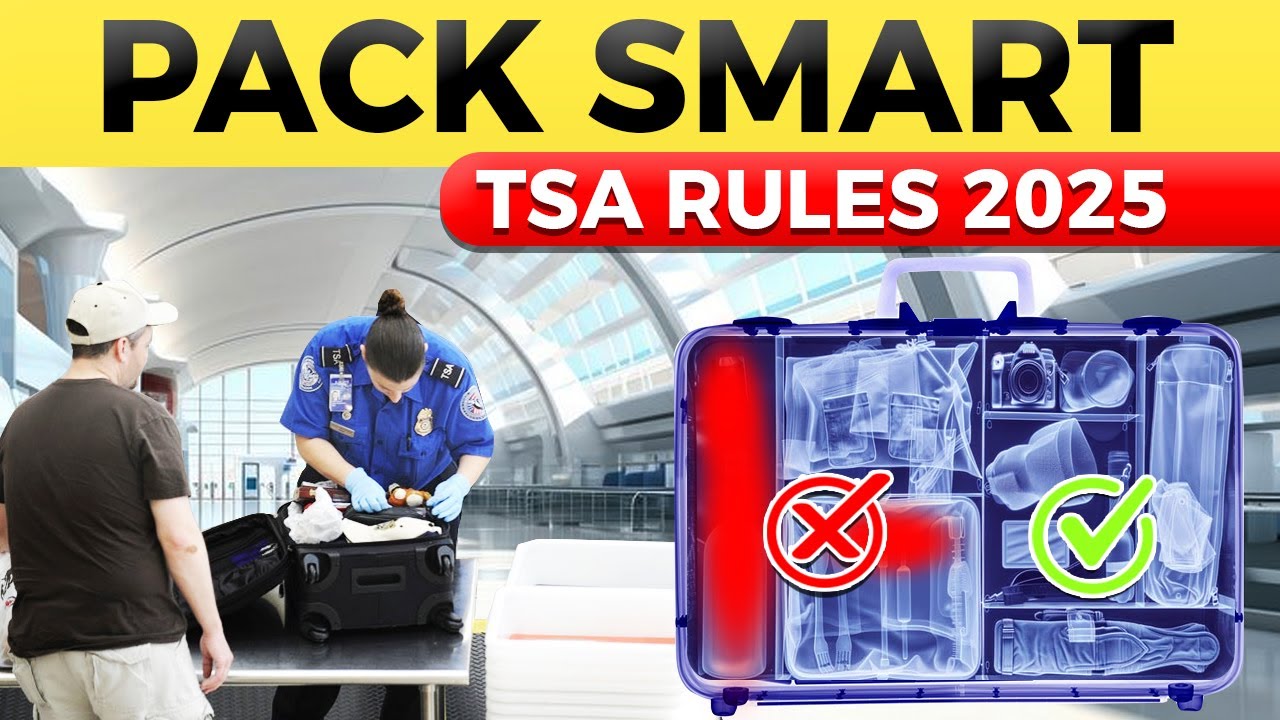
The Transportation Security Administration (TSA) controls carry-on restrictions in the United States. Sharp objects like knives and scissors longer than 4 inches are banned. Liquids must be in containers of 3.4 ounces (100 milliliters) or less.
- Explosives and flammable items are prohibited.
- Firearms need special permits and must be checked.
- Tools longer than 7 inches are not allowed.
European Union Regulations
The European Union has strict carry-on rules across member countries. Liquids are limited to 100 milliliters per container, placed in a clear, resealable bag. Sharp objects, including knives and razors, are banned.
- Sporting goods like baseball bats are forbidden.
- Explosive substances and flammable liquids are not allowed.
- Some countries may have extra restrictions on electronic devices.
Other Important Jurisdictions
Other countries set unique rules based on local threats and customs. In Canada, firearms and replica weapons are banned in carry-ons. Australia restricts liquids more strictly and prohibits many sharp tools.
- Japan bans many types of knives regardless of size.
- Middle Eastern countries often restrict laptops and electronics.
- Always check local aviation authorities before flying.
Tips For Packing Carry-on Luggage
Packing carry-on luggage requires care to avoid delays at airport security. Smart packing helps keep your items safe and compliant. Follow these tips to make your travel smoother and stress-free.
Preparing For Security Checks
Keep your carry-on organized for quick security checks. Place electronics and liquids in easy-to-reach spots. Remove shoes, belts, and jackets before the screening. Have your boarding pass and ID ready. This speeds up the process and reduces stress.
Packing Smart To Avoid Confiscation
Avoid packing banned items to prevent confiscation. Check the latest TSA banned items list before packing. Do not include sharp objects, large liquids, or flammable items. Use small bags to separate allowed items. This helps security officers inspect your bag faster.
Using Tsa-approved Containers
Use TSA-approved containers for liquids and gels. These containers are 3.4 ounces (100 milliliters) or less. Place all containers in a clear, quart-sized bag. This makes security checks quicker and reduces the chance of items being thrown away. Follow these rules to keep your liquids safe.

Frequently Asked Questions
What Items Are Commonly Banned In Carry-on Luggage?
Commonly banned items include sharp objects, liquids over 100ml, flammable materials, and firearms. These items pose safety risks and are restricted by airport security regulations to ensure passenger safety.
Why Are Liquids Restricted In Carry-on Bags?
Liquids over 100ml are restricted to prevent the carrying of hazardous substances. This rule helps avoid potential threats and ensures safe air travel by limiting the volume of liquids passengers can bring on board.
Can I Carry Sporting Goods In My Carry-on Luggage?
Most sporting goods like bats, golf clubs, and hockey sticks are banned in carry-ons. These items are considered potential weapons and must be checked in to comply with airline safety rules.
Are Sharp Objects Allowed In Carry-on Luggage?
Sharp objects such as knives and scissors longer than 6cm are banned in carry-ons. These items can be dangerous onboard and are therefore prohibited by airport security.
Conclusion
Knowing which items are banned helps avoid airport problems. Sharp objects, liquids over limits, and flammable items cannot go in carry-on bags. Always check airline rules before packing. This saves time and stress at security checkpoints. Pack smart to keep your trip smooth and safe.
Travel with confidence by following these simple rules. Safe travels start with careful packing.