

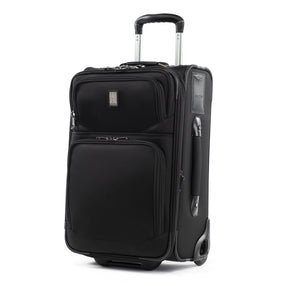
Have you ever wondered about the luggage choices of pilots and flight attendants? You might think their bags are just like any other, but there's more to them than meets the eye.
The right luggage is crucial for those who spend countless hours in airports and planes. It needs to be durable, functional, and stylish. But what exactly do these sky-high professionals choose to carry? You’ll uncover the secrets behind their trusted luggage choices.
You’ll discover why certain features are non-negotiable and how these bags make their demanding jobs a bit more manageable. Curious about what makes their luggage stand out? Keep reading to find out and perhaps even pick up some tips for your own travels!
Pilot Luggage Essentials
Pilots need luggage that matches their demanding schedules and travel routines. Their bags must be durable, functional, and organized to handle frequent trips and quick access to essentials. Choosing the right pilot luggage can make a noticeable difference in how smoothly your travel days go.
Key Features For Pilot Bags
Durability tops the list. Pilots need bags made from strong materials that can withstand constant handling and diverse weather conditions.
Organizational compartments are a must. Separate sections for documents, gadgets, and uniforms keep everything in place and easy to find.
Lightweight design helps avoid unnecessary strain during long treks through airports. Smooth-rolling wheels and comfortable handles improve mobility.
Top Pilot Luggage Brands
- Samsonite– Known for tough, reliable carry-ons with smart compartments.
- Tumi– Offers sleek, professional designs with excellent durability.
- Briggs & Riley– Features lifetime warranties and innovative packing solutions.
- Victorinox– Combines Swiss precision with functional style.
Picking a brand that stands behind its product can save you money and frustration in the long run.
Carry-on Choices For Pilots
Most pilots prefer carry-ons that fit airline size restrictions to avoid checked baggage delays.
Soft-sided bags often provide extra flexibility in tight overhead bins, while hard-shell cases offer better protection for sensitive gear.
Look for bags with TSA-approved locks and quick-access pockets for ID, passports, and boarding passes.
Ask yourself: does your current bag help you stay organized and stress-free? If not, it might be time for an upgrade tailored to a pilot’s needs.

Flight Attendant Luggage Styles
Flight attendants face unique challenges with their luggage. Their bags need to be practical yet stylish, durable yet lightweight. Understanding the styles they prefer can help you pick luggage that suits frequent travelers or anyone who values efficiency and elegance.
Durability And Design
Flight attendants often choose luggage that can withstand rough handling and frequent travel. Strong materials like polycarbonate shells or ballistic nylon fabric are common. These choices protect belongings and maintain a sharp, professional look.
Design matters just as much as toughness. Many flight attendants prefer sleek, minimalist styles that match their uniforms. Smooth zippers, sturdy wheels, and reinforced corners are features they look for to avoid hassles on the go.
Popular Flight Attendant Suitcases
Certain brands and models have earned a reputation among flight attendants for balancing style and function. Suitcases like the Away Carry-On, Samsonite Winfield, and Travelpro Maxlite are favorites. These options offer organized compartments and easy maneuverability.
Some flight attendants also favor spinner wheels for effortless navigation through busy airports. Others appreciate expandable compartments to handle last-minute packing. What would you prioritize if you had to pack for unpredictable schedules?
Lightweight And Compact Options
Keeping luggage light is crucial for flight attendants who carry bags on and off planes daily. Lightweight materials reduce strain and make it easier to meet airline carry-on limits. Compact designs help fit bags into overhead bins without stress.
Backpacks and soft-sided carry-ons are popular choices for those who want flexibility. These options often come with padded laptop sleeves and quick-access pockets, making it easier to stay organized. How much does weight influence your luggage choice?
Material And Build Quality
The material and build quality of luggage used by pilots and flight attendants are crucial because their bags endure frequent travel and rough handling. These professionals need luggage that can withstand the rigors of daily use while protecting their belongings. Understanding the differences in material types and construction can help you choose luggage that matches your travel demands.
Hard-shell Vs Soft-shell
Hard-shell luggage offers solid protection against impacts and rough surfaces. It’s typically made from polycarbonate or ABS plastic, which resists scratches and keeps your items safe inside.
Soft-shell luggage, on the other hand, uses durable fabrics like ballistic nylon or polyester. It offers more flexibility to squeeze into tight spaces and usually comes with external pockets for quick access.
Ask yourself: do you prioritize maximum protection or easier packing flexibility? Pilots often choose hard-shell for safety, while flight attendants might prefer soft-shell for accessibility.
Water Resistance And Protection
Water resistance is a must-have feature, especially for airline crew constantly moving through different climates and weather conditions. Most pilot and flight attendant luggage includes water-resistant coatings or materials to keep contents dry.
Some bags feature sealed zippers and reinforced seams to prevent water entry. If you’ve ever had to deal with a sudden downpour, you know how valuable this feature is.
Think about your typical travel routes and weather—would you benefit more from full waterproofing or just splash resistance?
Weight And Maneuverability
Lightweight luggage reduces strain during long airport walks and quick gate changes. Many crew members prefer bags made with lightweight materials without compromising durability.
Wheels and handles also play a big role in maneuverability. Four-wheel spinner designs allow easy navigation through crowded terminals and narrow aisles on planes.
Would you rather sacrifice some build toughness for lighter, easier-to-move luggage? Consider how much walking or lifting you do during your trips before deciding.

Organizational Features
Organizational features in pilot and flight attendant luggage are designed to keep everything in its place, making travel smoother and less stressful. These professionals carry a variety of items daily, from uniforms to gadgets, which require smart storage solutions. Understanding how their luggage is organized can help you choose bags that suit your travel style and needs.
Compartments And Pockets
Multiple compartments allow for neat separation of items. Pilots and flight attendants often use bags with dedicated spaces for uniforms, shoes, and personal items. Small zippered pockets keep essentials like passports and boarding passes within easy reach.
Some bags include mesh pockets for visibility and ventilation, perfect for storing shoes or damp items. Think about how you pack—do you prefer everything in one big space or clearly divided sections?
Tech And Gadget Storage
Traveling with electronics demands special care. Luggage designed for crew members often includes padded laptop sleeves and secure pockets for tablets and chargers. These compartments protect devices from damage during hectic airport navigation.
Consider if your bag has waterproof or scratch-resistant linings to safeguard your tech. Have you ever fumbled through your bag searching for a charger? Dedicated tech storage eliminates that hassle.
Easy Access For Travel Essentials
Quick access is crucial during tight layovers and security checks. Many pilot and flight attendant bags feature front or side pockets for items like ID badges, keys, and travel documents. This saves time and reduces frustration at checkpoints.
Look for luggage with external pockets that don’t compromise security but offer convenience. How often do you need to grab something fast? Prioritize bags that keep your essentials right where you can reach them.
Budget And Luxury Picks
Choosing the right luggage as a pilot or flight attendant means balancing budget with durability and style. You want something that can handle frequent travel without breaking the bank, yet also appreciate the value of investing in premium options for long-term use. Let’s look at both affordable and luxury picks that suit different needs and preferences.
Affordable Options For Crew
If you’re just starting out or prefer not to overspend, there are plenty of reliable luggage choices that won’t drain your wallet. Brands like Samsonite and Travelpro offer solid carry-ons and checked bags with sturdy wheels and tough fabrics under $150. These options often come with practical compartments designed to keep uniforms and personal items organized, which saves time during quick turnarounds.
Think about how often you fly and the type of trips you take. Would a lightweight spinner case that fits easily in overhead bins meet your daily needs? Many budget-friendly bags also feature TSA-approved locks and expandability, giving you flexibility without extra cost.
Premium Luggage Investments
For those who fly frequently and want luggage that lasts, investing in high-end brands can be a smart move. Rimowa and Tumi are popular among airline professionals for their sleek designs, advanced materials, and excellent warranty coverage. These bags often include reinforced corners and smooth glide wheels that handle airport hustle effortlessly.
Consider how premium luggage can also offer a sense of professionalism and confidence as part of your travel gear. Have you noticed how carrying a high-quality bag can make navigating busy terminals easier and more enjoyable? It’s not just about looks—premium pieces often hold up better over years of travel, reducing replacement costs.
Best Value For Frequent Flyers
Finding the best value means combining durability, price, and features that fit your travel style. A mid-range bag from brands like Briggs & Riley or Delsey might be the sweet spot. These offer warranties that cover wear and tear plus thoughtful design touches such as compression systems and detachable compartments.
Ask yourself what features matter most: Is it lightweight design, organizational pockets, or extra security? Sometimes, spending a bit more upfront saves you money and hassle down the line. What’s your priority when choosing luggage that supports your busy schedule?
:max_bytes(150000):strip_icc()/travelers-club-chicago-hardside-expandable-spinner-luggage-ffce58f6e7a847209d64628672bc3b32.jpg)
Maintenance And Longevity
Pilots and flight attendants rely on their luggage every day. Proper care keeps their bags looking good and working well. Maintenance helps avoid costly replacements. It also ensures luggage lasts through many trips. Simple habits and timely fixes go a long way. Here are practical tips to keep luggage in top shape.
Cleaning Tips
Cleaning luggage regularly removes dirt and stains. Use a soft cloth and mild soap for hard shells. For fabric bags, a gentle brush can clean dust. Always air dry bags completely before storing them. Avoid harsh chemicals that can damage materials. Clean zippers and wheels to keep them working smoothly. Small clean-ups prevent buildup and wear over time.
Repair And Warranty Services
Check for damage like broken handles or stuck wheels. Many luggage brands offer repair services under warranty. Keep purchase receipts and register your luggage online. Quick repairs stop small problems from growing. Some brands provide free repairs for defects. Warranty coverage varies, so read terms carefully. Professional repairs extend the bag’s usability and value.
Extending Luggage Lifespan
Store luggage in a cool, dry place away from sunlight. Avoid overpacking to prevent stress on zippers and seams. Use protective covers when possible to avoid scratches. Rotate bags if you have more than one for travel. Lubricate zippers occasionally to keep them smooth. Regular checks help catch issues early. Careful use and storage add years to your luggage’s life.
Frequently Asked Questions
What Type Of Luggage Do Pilots Prefer?
Pilots often choose durable carry-on bags with multiple compartments. They prioritize lightweight, easy-to-carry luggage that fits airline size requirements. Stylish yet functional designs are common to match their professional image.
Why Do Flight Attendants Select Specific Luggage Brands?
Flight attendants prefer brands known for durability and convenience. These brands offer lightweight, versatile bags with smooth wheels and strong handles. Trusted brands also provide practical features like organized compartments and easy accessibility.
How Big Is Luggage For Airline Crew Members?
Most airline crew use carry-on sized luggage, typically 18-22 inches. This size fits overhead bins and cabin storage easily. Compact, yet spacious designs help crew pack essentials efficiently for short trips.
Do Pilots And Flight Attendants Use Rolling Or Backpack Luggage?
Both rolling bags and backpacks are popular among airline crew. Rolling luggage offers ease in airports, while backpacks provide hands-free mobility. Choice depends on personal preference and type of trip.
Conclusion
Pilots and flight attendants choose luggage that is strong and easy to carry. They prefer bags with many pockets to stay organized. Size matters; it must fit in overhead bins or under seats. Lightweight materials help them move quickly through airports.
Quiet wheels reduce noise during travel. Their luggage supports frequent trips and long hours. Choosing similar bags can make travel simpler for you too. Think about durability and convenience when picking your next travel bag. The right luggage helps make every trip smoother and less stressful.