

Traveling by air can be stressful, especially when it comes to packing your carry-on luggage. You might be wondering what size aerosol can you bring with you in your carry-on.
Whether it's your favorite hairspray, a must-have deodorant, or a crucial item for your trip, getting it past airport security without a hitch is essential. If you’ve ever felt the frustration of having to leave behind a beloved product at the security checkpoint, you’re not alone.
In this guide, we'll unravel the mystery surrounding aerosol sizes and carry-on rules, ensuring you breeze through security with all your essentials intact. Stay with us to discover how to pack smarter and travel easier.

Carry-on Aerosol Rules
Knowing the rules about carrying aerosol cans in your carry-on luggage can save you from last-minute hassles at the airport. These rules vary depending on the agency and airline, so it’s essential to understand what you can and cannot pack. Let’s break down the key regulations to help you pack smartly and avoid surprises.
Tsa Regulations
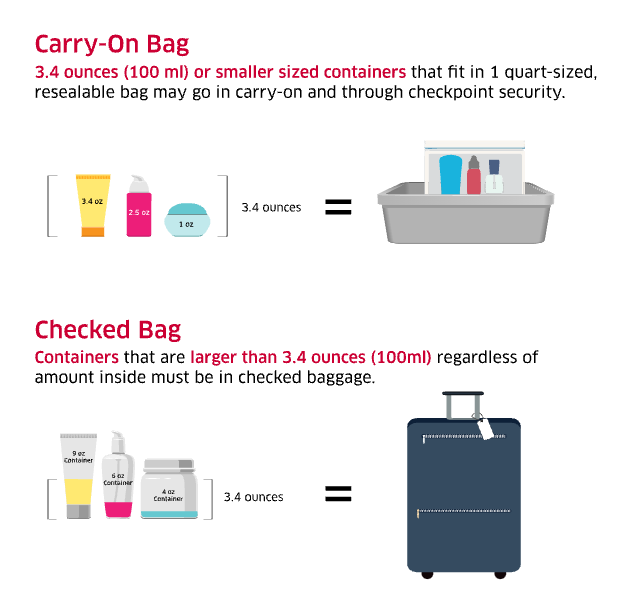
The Transportation Security Administration (TSA) allows aerosols in carry-on bags but with strict limits. Typically, aerosol cans must be under 3.4 ounces (100 milliliters) per container to comply with the liquid restrictions. Additionally, the total volume of all liquids, gels, and aerosols combined should fit within a single quart-sized bag.
Keep in mind, some aerosols like spray paint or flammable products are outright banned. If you're carrying deodorants, hairsprays, or insect repellents, check the label for flammability warnings. Have you ever been surprised by a banned item during security checks? Packing aerosols below the size limit avoids that headache.
International Airline Policies
Each airline and country may have different rules on aerosols, sometimes stricter than TSA. For example, airlines in Europe often follow the European Union Aviation Safety Agency (EASA) guidelines, which mirror TSA’s size limits but may restrict specific products.
Before flying internationally, review your airline’s website or contact customer service. Some carriers limit aerosols due to safety concerns or local regulations. It’s worth double-checking because what’s allowed on one flight might be prohibited on another.
Common Restrictions
- Size Limit:Aerosol cans usually must be 3.4 ounces (100 ml) or less in carry-ons.
- Quantity:Total liquids, gels, and aerosols must fit in a single quart-sized bag.
- Content:Flammable, toxic, or corrosive aerosols are banned.
- Purpose:Medical aerosols often have exceptions but require documentation.
Have you ever packed an aerosol only to be forced to toss it out at security? Understanding these restrictions can prevent waste and frustration. Always check product labels and airline policies before you pack.
Aerosol Size Limits
Aerosols are common travel items, but rules limit their size in carry-on bags. Knowing these size limits helps avoid airport hassles. Airlines and security agencies set clear restrictions on aerosol containers. These rules protect passengers and ensure safe flights.
Maximum Container Size
The largest aerosol container allowed in carry-on luggage is 3.4 ounces (100 milliliters). Containers bigger than this are not permitted through airport security checkpoints. This size limit applies to all liquids, gels, and aerosols. Even if the can is partly full, the total container size matters. Small travel-sized cans are best for carry-on packing.
Total Volume Restrictions
All aerosols in carry-on bags must fit within a single quart-sized, clear plastic bag. The total volume of all liquids and aerosols combined cannot exceed 1 quart (about 1 liter). This bag must be easily accessible for security screening. Each passenger is allowed only one such bag. This rule helps speed up security checks and keeps things safe.
Exceptions To Size Rules
Certain aerosols have exceptions to size limits. For example, medically necessary inhalers and prescription aerosols can exceed 3.4 ounces. These items require proper documentation like a doctor’s note or prescription. Duty-free aerosols bought after security checkpoints can also be larger. Always check airline and TSA guidelines for specific exceptions. Safety and security take priority over convenience.
Types Of Aerosols Allowed
Aerosol cans are common in many daily essentials, but not all types are treated equally when it comes to carry-on luggage. Knowing which aerosols you can bring helps avoid last-minute hassles at airport security. Let’s break down the kinds of aerosols typically allowed so you can pack smart and stress-free.
Personal Care Products
Personal care aerosols like deodorants, hairsprays, and shaving creams are usually permitted in carry-on bags if they meet size restrictions—generally under 100 ml (3.4 ounces). These items are essential for freshening up during travel, but remember that exceeding size limits can lead to confiscation. Have you ever been surprised at the security check when your favorite spray was taken away?
To avoid this, check the label before packing and opt for travel-sized versions. If you prefer larger sizes, consider transferring your product to a smaller container that complies with regulations.
Medical Aerosols
Medical aerosols such as inhalers or prescription sprays are often exempt from the usual size limits, provided you carry documentation like a doctor’s note or prescription. These are critical for managing conditions like asthma or allergies during your trip. Have your medical needs been clearly communicated and documented to prevent unnecessary delays?
Security personnel understand the importance of these items, but you should still pack them in an accessible spot for easy inspection. Confirm with your airline and airport policies before flying, as rules can vary.
Household Aerosols
Household aerosols like insect sprays, cleaning sprays, or air fresheners typically face stricter restrictions. Most airlines prohibit these items due to safety concerns related to flammability and pressure. Have you considered alternative solutions like wipes or solid air fresheners to avoid the hassle?
If you must carry a household aerosol, ensure it’s within the allowed size—usually no more than 100 ml—and check if it’s listed as permitted by your airline. Otherwise, pack these in your checked luggage to stay compliant and avoid surprises at the gate.

Packing Aerosols Safely
Packing aerosols safely in carry-on luggage is essential to avoid spills and security issues. Aerosol cans contain pressurized gas, which can leak or burst if not handled properly. Follow simple safety steps to keep your belongings and yourself safe during travel.
Leak Prevention Tips
- Choose aerosols with secure caps to prevent accidental spraying.
- Place cans upright to reduce pressure on the nozzle.
- Use plastic bags to contain any possible leaks or spills.
- Avoid packing aerosols near sharp objects that could puncture the can.
- Check the expiration date to ensure the aerosol is safe to use.
Proper Sealing Methods
- Make sure the nozzle is clean and free of debris before sealing.
- Press the nozzle lightly to confirm it doesn’t stick or leak.
- Seal the cap firmly, ensuring no gaps exist around the edges.
- Wrap the aerosol with tape to secure the cap further if needed.
- Use airtight bags to add an extra layer of protection.
Using Travel Containers
Travel containers help reduce size and pressure risks. Transfer aerosols into small, TSA-approved travel containers. These containers are designed to meet airline rules and prevent leaks.
- Label containers clearly to avoid confusion at security checkpoints.
- Use containers made from durable, leak-proof materials.
- Fill containers only up to the allowed volume limit.
- Carry containers in a clear, resealable plastic bag for easy inspection.
Alternatives To Aerosols
Aerosol cans often raise questions when packing carry-on luggage due to airline restrictions. Fortunately, you don’t have to give up your favorite products just because you can’t bring aerosols. There are plenty of alternatives that are safer, easier to pack, and often just as effective.
Solid And Cream Products
Solid and cream-based products are excellent alternatives to aerosols. Think deodorant sticks, solid perfumes, and cream sunscreens. These items usually fall within TSA’s liquid limits and won’t risk leakage or pressure issues in your bag.
For instance, switching to a solid deodorant eliminated the worry of my can leaking in transit. Plus, these products tend to last longer since you use less each time. Have you tried a cream-based hair styling product instead of a spray? You might find it gives you better control without the fuss.
Spray Alternatives
If you prefer sprays, consider pump sprays or roll-ons. They deliver a fine mist without the pressurized canister. This means you can pack them safely in your carry-on without worrying about airline restrictions.
Pump sprays also allow you to control the amount you use, reducing waste. Many brands offer travel-sized bottles under 3.4 ounces, perfect for on-the-go freshness. Have you noticed how a simple pump bottle can sometimes be more convenient than an aerosol?
Travel-friendly Options
Look for travel-friendly packaging designed specifically for air travel. Silicone tubes, small jars, and mini spray bottles can all replace bulky aerosol cans. These options often come in reusable containers, which is great for the environment and your budget.
Many travelers swear by solid shampoo bars and compact cream moisturizers that slide easily into carry-on bags. These products also reduce the chance of spills and messes. What travel-friendly swap could make your packing routine smoother?

Common Mistakes To Avoid
Knowing what size aerosol can you can pack in your carry-on luggage is important, but avoiding common mistakes can save you from last-minute hassles at the airport. Many travelers overlook critical details that lead to denied boarding or discarded items. Let’s highlight some pitfalls that you can easily avoid to keep your trip smooth.
Overpacking Aerosols
Carrying too many aerosol cans or oversized containers is a frequent error. Airlines typically limit aerosols to containers of 3.4 ounces (100 milliliters) or less in carry-ons. Packing several cans, even if each is under the limit, might still raise red flags during security checks.
Think about your actual needs—do you really need three different hairsprays or deodorants? Reducing the number of aerosol items not only helps meet regulations but also frees up space for other essentials.
Ignoring Airline Policies
Each airline may have specific rules about aerosols beyond the standard TSA guidelines. Simply assuming all airlines follow the same policies can lead to surprises. Some carriers may prohibit certain types of aerosols entirely or have stricter quantity limits.
Before you pack, check the airline’s website or call customer service. Have you ever faced a situation where an item allowed by TSA was rejected by your airline? Confirming these details prevents frustration and wasted time.
Not Checking Local Rules
Regulations about aerosols can vary not just by airline but also by the country or airport you’re traveling from or to. Some destinations have tighter restrictions on aerosols due to environmental or safety reasons. Ignoring these rules might lead to confiscation or fines.
For instance, certain countries don’t allow flammable aerosols at all in carry-on bags. Are you aware of the rules at your departure and arrival airports? A quick search can keep your journey hassle-free and your belongings safe.
Preparing For Security Checks
Preparing for security checks can feel stressful, especially when you’re carrying items like aerosol cans. Knowing exactly what to expect and how to organize your belongings can save you time and frustration at the airport. Let’s break down practical ways to get through security smoothly while carrying aerosols in your carry-on.
How To Organize Your Bag
Start by placing all aerosols and liquids in a clear, resealable plastic bag. TSA rules generally allow containers of 3.4 ounces (100 milliliters) or less in carry-ons, so check your aerosol can size carefully.
Keep this bag easily accessible at the top of your carry-on. This way, you can quickly remove it for separate screening without digging through your belongings.
Also, avoid packing aerosols with sharp objects or electronics to reduce confusion and delays during inspection.
What To Expect At Tsa
At the security checkpoint, you’ll be asked to place your clear bag of aerosols and liquids into a bin for X-ray screening. Officers may want to inspect your aerosol cans more closely if they appear suspicious or exceed size limits.
Be prepared to explain the contents if asked, especially if you carry items like deodorant sprays or insect repellents. Having the original labels visible can help speed up this process.
Remember, TSA agents have the final say on what can pass through, so flexibility is key.
Tips For Smooth Screening
- Check your aerosol can sizes before packing to avoid surprises at the checkpoint.
- Use travel-sized aerosols to comply easily with TSA regulations.
- Keep your clear plastic bag separate and accessible for quick removal.
- Wear simple clothing and limit accessories to speed up your screening process.
- Arrive early to give yourself enough time if additional screening is needed.
Have you ever had your aerosols confiscated at security? Preparing thoughtfully can make a big difference in your travel experience.
Frequently Asked Questions
What Size Aerosol Cans Are Allowed In Carry-on Luggage?
Aerosol cans in carry-on bags must be 3. 4 ounces (100 ml) or less. They should fit in a single quart-sized clear bag for TSA screening.
Can I Pack Deodorant Spray Aerosols In Carry-on?
Yes, deodorant sprays under 3. 4 ounces are allowed. Ensure they comply with TSA liquid rules and fit in your quart-sized bag.
Are There Restrictions On Aerosol Types In Carry-on Luggage?
Yes, flammable aerosols like spray paint are prohibited. Non-flammable personal care aerosols under 3. 4 ounces are typically permitted.
How Many Aerosol Cans Can I Bring In Carry-on?
You can bring multiple aerosol cans if each is under 3. 4 ounces. All must fit comfortably within your single quart-sized liquids bag.
Conclusion
Aerosol cans in carry-on bags must follow airline rules. Most airlines allow cans up to 3. 4 ounces (100 ml). Larger cans usually go in checked luggage. Always check the airline’s website before packing. Remember, safety rules keep everyone safe.
Packing right avoids delays at security. Keep sprays small and sealed tightly. This helps your trip go smoothly. Knowing these rules saves time and stress. Stay informed and travel smart every time.