

When you're planning a trip, one of the most crucial decisions you'll make is choosing the right size for your cabin luggage. It's not just about fitting your belongings; it's about ensuring a smooth experience through airport security and overhead compartments.
Imagine the frustration of having to check your bag last minute because it doesn't meet the airline's requirements. You deserve a hassle-free journey, and understanding cabin luggage dimensions can make all the difference. Dive into this guide to discover how to select the perfect size, save yourself from unwanted surprises, and travel with confidence.
Let's make your next flight as smooth as possible.
Cabin Luggage Size Limits
Understanding cabin luggage size limits is crucial before packing for your trip. Airlines set specific rules to keep the boarding process smooth and avoid delays. Knowing these limits helps you choose the right suitcase and prevents last-minute repacking or extra fees.
Airline Size Restrictions
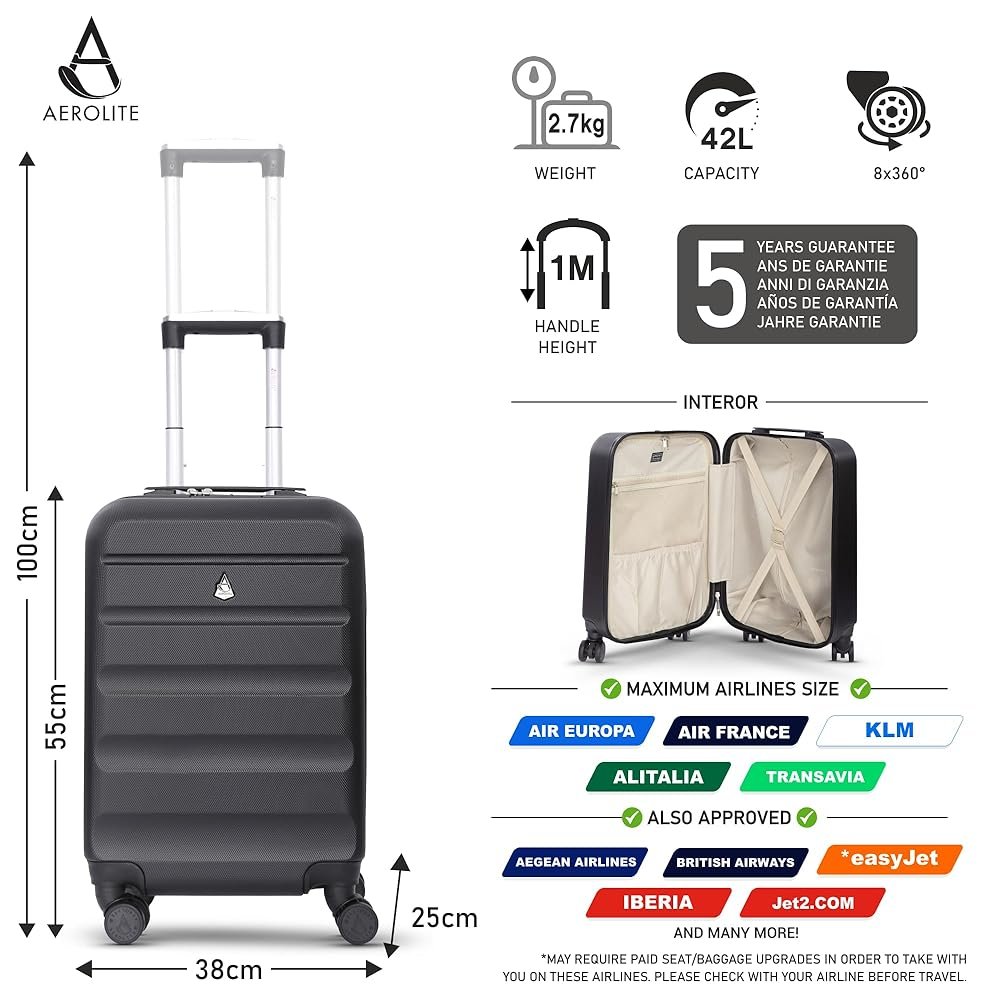
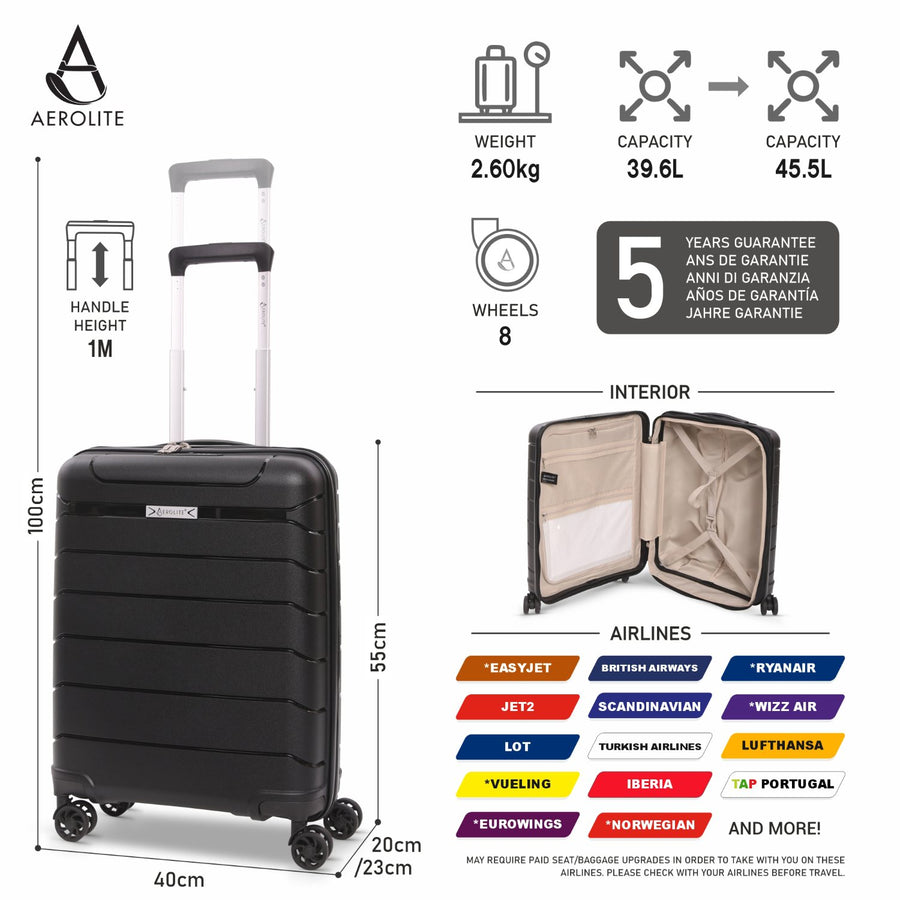
Each airline has its own cabin luggage size limits, and they can vary quite a bit. Most airlines allow bags around 55 cm x 40 cm x 20 cm, but some low-cost carriers may have smaller allowances.
Have you ever arrived at the airport only to find your bag doesn’t fit the sizer? That’s why checking your airline’s website before packing is a smart move. Some airlines even measure your bag at the gate, so don’t risk it.
Weight Regulations
Size isn’t the only factor; weight matters too. Airlines often limit cabin luggage weight to between 7 kg and 10 kg. Exceeding this can mean paying extra or being forced to check your bag.
Think about what you really need to carry. Could a lighter suitcase free you from stress and fees? Many travelers pack too much weight without realizing it until they face the scale at the airport.
Dimensions To Measure
Measuring your cabin luggage correctly ensures you meet airline rules. Always include wheels and handles in your measurements, as airlines count the entire bag.
Use a tape measure to check the height, width, and depth of your suitcase. If your bag is close to the limit, consider a slightly smaller size to avoid surprises at boarding.
Popular Cabin Case Sizes
Choosing the right cabin luggage size can change your travel experience. Popular cabin case sizes offer various benefits depending on your trip length and packing style. Understanding these options helps you pack smarter and avoid airport hassles.
Small Carry-on Options
Small carry-on cases usually measure around 18 to 20 inches. They fit easily in overhead bins and are perfect for short trips or minimal packers. If you prefer traveling light or want to skip checked baggage fees, these compact cases serve you well.
Think about your recent trips. Did you struggle to fit everything in a tiny bag? Small carry-ons force you to prioritize essentials, which can save time and stress during travel.
Medium Carry-on Options
Medium-sized carry-ons typically range from 21 to 22 inches. These provide extra space without becoming bulky. You get room for an additional outfit, gadgets, or souvenirs without worrying about airline size restrictions.
Are you someone who likes to pack a bit more but still keep your luggage manageable? Medium options strike a great balance between size and convenience, especially for trips lasting a few days.
Expandable Cases
Expandable cabin cases offer flexibility with an adjustable zipper that increases packing space. This feature is handy if you pick up extra items during your trip or want to fit larger items on the return journey.
Have you ever returned from a trip with more than you left with? An expandable case adapts to your needs, giving you extra room without committing to a larger suitcase initially. Just remember to check airline rules, as expanded size might sometimes exceed cabin limits.
Choosing The Right Size
Choosing the right size case for cabin luggage can make a huge difference in your travel experience. It’s not just about fitting the airline’s size limits; it’s about matching your luggage to your unique travel style and needs. Picking the perfect size helps you avoid extra fees, reduce stress, and pack smarter.
Trip Duration Considerations
Think about how long your trip will be. A weekend getaway usually requires less space than a week-long vacation. If you often travel for just a few days, a smaller cabin case can keep things light and easy to carry.
But what if your trip is longer? You might want a slightly bigger case that still fits cabin rules but offers more room. Ask yourself: can I mix and match clothes to save space, or do I need to pack full outfits for each day?
Packing Style Preferences
Your packing style influences your choice more than you might expect. Are you a minimalist who wears the same clothes multiple times? Or do you prefer having options and accessories for different occasions?
Some travelers rely on packing cubes or compression bags to maximize space in smaller cases. Others like bigger compartments for shoes and gadgets. Consider how you organize your belongings before choosing a size that suits your style.
Personal Needs And Habits
Think about what you usually bring on trips. Do you carry bulky items like jackets or shoes? Or do you travel with delicate gear that needs extra protection?
Your habits also matter—do you prefer to check bags or always keep your luggage with you? If you hate waiting at baggage claim, a compact cabin case might be your best friend. What have you noticed about your packing habits that could affect the size you choose?
Material And Durability
Choosing the right material for your cabin luggage can make a big difference in how well it holds up during travel. Durability isn't just about lasting a few trips; it's about protecting your belongings and avoiding the stress of damaged bags. Let's look at different materials and what they offer in terms of strength and reliability.
Hard Shell Vs Soft Shell
Hard shell cases are made from tough plastics like polycarbonate or ABS. They offer solid protection against impacts and keep your items safe from rain and dirt. However, they can be less flexible when it comes to fitting into tight overhead compartments.
Soft shell luggage, usually crafted from nylon or polyester, is lighter and can expand to fit more items. It’s easier to squeeze into overhead bins but may not protect fragile items as well. Think about what you usually carry—do you need more flexibility or more protection?
Lightweight Materials
Traveling with a heavy case can quickly become a burden, especially if you’re rushing through airports. Materials like polycarbonate and ballistic nylon offer a good balance of strength and lightness. These materials reduce your luggage’s weight without compromising on durability.
Imagine carrying a case that saves you a couple of pounds; it can make a noticeable difference on long trips. Would you prefer to add more items or avoid extra strain on your shoulders? Choosing lightweight materials helps you decide.
Impact Resistance
Impact resistance is crucial, especially if your luggage often faces rough handling. Polycarbonate cases can absorb shocks by flexing slightly, preventing cracks. On the other hand, soft shell bags might suffer tears or dents but often have padding to cushion your belongings.
Consider how often your luggage gets tossed around. If you’re a frequent flyer, investing in a case with higher impact resistance could save you money and hassle. Do you want a case that bounces back or one that bends to the pressure?
Maximizing Cabin Space
Maximizing cabin space is key for stress-free travel. Choosing the right size case helps, but smart packing fills every inch efficiently. Small changes in how you pack can save space and make your trip easier.
Packing Techniques
Roll your clothes tightly instead of folding. This method reduces wrinkles and saves space. Place heavier items at the bottom of the case. Use shoes to store small items like socks or chargers. Fill gaps with accessories to avoid wasted space.
Using Packing Cubes
Packing cubes keep your luggage neat and organized. They compress your clothes, creating extra room. Sort items by type or day in separate cubes. This makes finding things quick and avoids unpacking everything. Cubes also protect clothes from damage during travel.
Organizing Essentials
Keep your essential items in easy reach. Use a small pouch for passports, tickets, and money. Store toiletries in clear, leak-proof bags. Place electronics and chargers in one section to avoid tangles. Organizing essentials saves time and reduces stress at security checks.

Common Mistakes To Avoid
Choosing the right size case for cabin luggage isn’t just about fitting your belongings—it’s about avoiding common mistakes that can turn your travel experience into a hassle. Many travelers overlook critical details that lead to extra fees, lost time, or discomfort during the trip.
Overpacking
It’s tempting to fill every inch of your cabin case, but overpacking often causes problems. Airlines have strict weight and size limits, and exceeding them can mean checked baggage fees or forced repacking at the gate.
Think about what you truly need. Are those extra shoes or bulky items really necessary? Traveling lighter makes moving through airports easier and reduces stress.
Ignoring Airline Rules
Each airline has its own rules for cabin luggage size and weight. Ignoring these can lead to your case being rejected at check-in or boarding.
Always check your airline’s website before packing. Some low-cost carriers have much smaller size limits, and what fits on one airline might not on another.
Choosing Oversized Cases
Picking a case that looks roomy might seem smart, but oversized cases can cause delays and additional fees. Even if it fits in the overhead bin, if it’s too large, gate agents may ask you to check it in.
Try testing your case size by measuring it against the airline’s specifications before buying. A well-sized case saves you from last-minute scrambles and unexpected charges.
Tips For Stress-free Travel
Traveling light with cabin luggage can make your journey smoother and less stressful. But size alone isn't the only factor to consider. How you prepare and choose your case plays a big role in keeping your travel experience hassle-free.
Check Airline Policies Beforehand
Every airline has its own rules about cabin luggage size and weight. You might think your bag fits, but a few centimeters can make all the difference at the gate. Before packing, check your airline’s website for their exact dimensions and weight limits.
This simple step can save you unexpected fees or the frustration of having to check your bag last minute. Have you ever had to rearrange your luggage in the airport line? Avoid that stress by confirming these details early.
Use Multi-functional Luggage
Choosing luggage that serves more than one purpose helps you stay organized and travel efficiently. Look for features like expandable compartments, built-in chargers, or removable daypacks. These options let you adapt your bag to different stages of your trip without needing extra bags.
For instance, a suitcase with a detachable backpack means you can carry just the essentials when exploring your destination. What features would make your travel easier?
Prepare For Security Checks
Security lines can be a major source of travel stress. To move through faster, pack your liquids and electronics in easily accessible spots. Using clear, resealable bags for liquids and having your laptop or tablet ready for separate screening speeds up the process.
Think about how often you’ve fumbled with your belongings during security. Preparing in advance not only saves time but keeps your stress levels down. How much smoother would your travel be if you breezed through security every time?

Frequently Asked Questions
What Is The Standard Cabin Luggage Size?
Standard cabin luggage size is usually 22 x 14 x 9 inches. Airlines set this limit for carry-on bags. Always check your airline’s specific size rules before packing.
Can Cabin Luggage Be Heavier Than 7 Kg?
Most airlines limit cabin luggage weight to 7-10 kg. Exceeding this may require checking in your bag. Weight limits vary, so verify with your airline.
How To Measure Cabin Luggage Dimensions Correctly?
Measure height, width, and depth including handles and wheels. Use a tape measure for accuracy. Ensure total size meets airline cabin luggage restrictions.
Are Soft Or Hard Shell Cases Better For Cabin Luggage?
Both have pros and cons. Hard cases protect fragile items better. Soft cases are lighter and expandable. Choose based on your travel needs.
Conclusion
Choosing the right size case for cabin luggage saves time and stress. Airlines have clear size limits to follow. A compact, well-packed case fits better in overhead bins. Avoid oversized bags to prevent extra fees or delays. Always check your airline’s rules before packing.
Small, smart luggage makes travel easier and more comfortable. Keep these tips in mind for smooth trips ahead.