

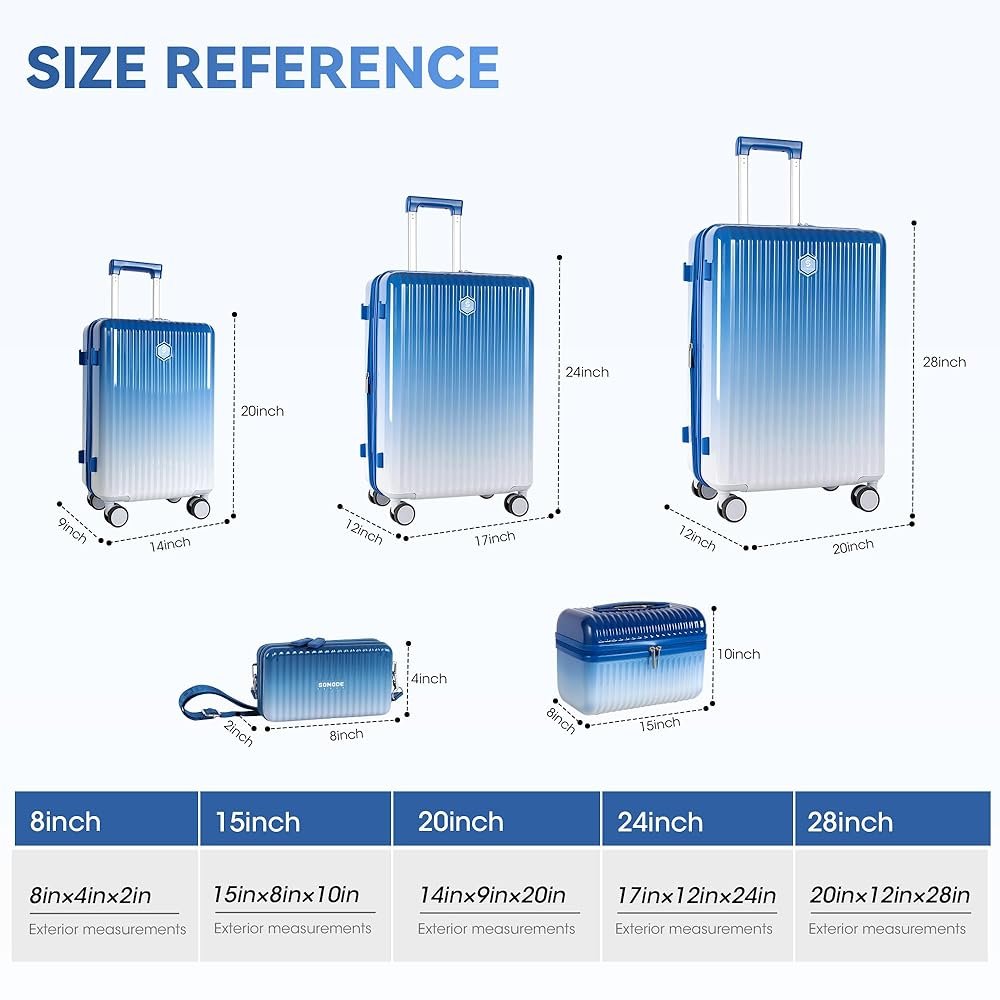
Are you planning your next adventure and wondering about the perfect size for your international carry-on luggage? You're not alone.
Choosing the right carry-on size can be a bit tricky, especially with varying airline regulations. But don't worry, we've got you covered! You'll discover everything you need to know to avoid those pesky baggage fees and ensure a smooth journey.
Imagine breezing through security with your perfectly packed carry-on, ready to explore the world without a hitch. Stick around, and you'll learn all the tips and tricks to make your travel experience as seamless as possible. Let's dive in and get you on your way to stress-free travel!

Carry On Size Limits By Region
Carry on luggage size limits vary significantly depending on the region you are traveling through. Airlines and airports set these rules to manage overhead bin space and ensure safety. Knowing these limits can save you from frustrating gate checks or extra fees.
North America
In North America, most airlines allow carry on bags measuring up to 22 x 14 x 9 inches(56 x 36 x 23 cm). This size includes handles and wheels. Airlines like Delta, American, and United stick closely to these dimensions.
However, some low-cost carriers might have stricter limits. It's smart to check your airline’s specific rules before packing. Have you ever been surprised at the gate when your bag didn’t fit?
Europe
European airlines often have tighter restrictions. The common maximum is around 21.6 x 15.7 x 9 inches(55 x 40 x 23 cm). Budget airlines such as Ryanair and EasyJet sometimes allow even smaller bags or charge for carry on luggage.
Remember, some airlines distinguish between a personal item and a carry on bag. It’s worth reviewing these details to avoid last-minute repacking.
Asia Pacific
Carry on size limits in the Asia Pacific region can vary widely. For example, Japan Airlines allows up to 22 x 14 x 9 inches(55 x 40 x 25 cm), similar to North America. Meanwhile, some airlines in Southeast Asia may have smaller limits.
Given the variety, you should check your airline’s website for precise measurements. This can help you avoid surprises during your airport experience.
Middle East
Middle Eastern carriers like Emirates and Qatar Airways typically allow carry on bags up to 22 x 15 x 8 inches(55 x 38 x 20 cm). The weight limit often ranges between 7 to 15 pounds (3 to 7 kg), so keep that in mind too.
These airlines usually have generous allowances but balancing size and weight is key. Have you ever had to decide between adding souvenirs or sticking to your weight limit?
Australia And New Zealand
In Australia and New Zealand, airlines such as Qantas and Air New Zealand generally permit carry on bags up to 22 x 14 x 9 inches(56 x 36 x 23 cm). Weight limits are often set around 7 kilograms (15 pounds).
Since these countries often have strict security checks, packing efficiently within these limits can smooth your journey. What’s your go-to tip for maximizing your carry on space?
Common Carry On Dimensions
Understanding the common carry on dimensions can save you a lot of stress at the airport. Airlines have specific limits for the size of carry on luggage, and knowing these can help you pack smarter and avoid unexpected fees. Let’s break down the typical measurements and what you should keep in mind when choosing your carry on bag.
Standard Height, Width, And Depth
The most common carry on size accepted by many airlines is around 22 inches in height, 14 inches in width, and 9 inches in depth. These dimensions usually fit comfortably in overhead bins and under seats. If your bag exceeds these limits, you risk having to check it in, which can disrupt your travel plans.
I once packed a bag that was just an inch too tall, and it caused a last-minute scramble to rearrange my luggage at the gate. That experience taught me to always measure my bag before heading to the airport.
Weight Restrictions
Besides size, weight is a key factor many travelers overlook. Most airlines set carry on weight limits between 15 to 22 pounds (7 to 10 kilograms). Exceeding this can lead to additional charges or force you to check your bag.
Think about what you really need to carry onboard. Could you leave behind a heavy item or pack lighter clothes? Staying within weight limits keeps your travel smooth and hassle-free.
Size Variations Among Airlines
Not every airline follows the same rules. Budget carriers often have stricter size and weight restrictions compared to major airlines. For example, a low-cost airline might limit carry ons to 21 x 13 x 7 inches, while others allow slightly larger bags.
Before you fly, check your airline’s specific carry on policies. Do you want to risk paying extra fees or repacking at the last minute? Knowing these details saves time and money.
Airline Specific Size Rules
Airline specific size rules for carry-on luggage vary widely and can impact your travel experience more than you expect. Knowing the exact dimensions allowed by your airline can save you from last-minute repacking or fees at the gate. Let's break down what some major airlines expect, so you can pack smartly and confidently.
Major Us Airlines
In the US, airlines generally follow similar carry-on size limits, but small differences can matter. Most major carriers like American Airlines, Delta, and United allow bags up to 22 x 14 x 9 inchesincluding handles and wheels.
Some airlines are strict about the combined size, so measuring your suitcase before heading to the airport is a good habit.
Have you ever had to check your carry-on at the gate? Avoid that hassle by double-checking your airline’s specific rules ahead of time.
Popular European Carriers
European airlines tend to have slightly smaller carry-on allowances compared to US carriers. For example, British Airways permits carry-ons up to 22 x 18 x 10 inches, while Lufthansa limits bags to 21.6 x 15.7 x 9 inches.
These subtle differences can add up, especially if you’re hopping between airlines on a multi-leg trip.
Do you often pack for multiple European flights? Keeping a compact, flexible carry-on can save you a lot of stress.
Asian Airline Guidelines
Asian carriers often set their own standards based on aircraft and route. For example, Japan Airlines allows carry-ons up to 22 x 16 x 10 inches, while Singapore Airlines has a slightly smaller limit of 21.5 x 15.7 x 9 inches.
Weight restrictions might also come into play more frequently in Asia, so consider both size and weight when choosing your luggage.
Have you noticed how some airlines weigh carry-ons before boarding? That’s a reminder to pack light and smart.
Low-cost Carrier Policies
Low-cost airlines often have the strictest and most varied carry-on rules. Ryanair, for instance, allows just 21.7 x 15.7 x 7.9 inchesfor their free carry-on, while EasyJet permits 22 x 17.7 x 9.8 inches.
Many budget airlines charge extra for larger bags or even limit the number of carry-ons you can bring onboard.
Are you prepared to pay extra fees or check your bag unexpectedly? Checking your budget airline’s carry-on policy before booking can save both money and headaches.

Tips For Choosing Carry On Luggage
Choosing the right carry on luggage makes travel easier and less stressful. The right bag fits airline rules and holds your essentials. Consider materials, size, and features carefully. This helps avoid extra fees and hassle at the airport.
Materials And Durability
Pick luggage made from strong materials. Hard-shell suitcases protect fragile items well. Soft-sided bags often have extra pockets. Check if zippers and seams are sturdy. Durable luggage lasts through many trips.
Lightweight Vs Spacious
Lightweight luggage is easier to carry and lift. Spacious bags hold more but can be heavier. Balance weight and size for your needs. Avoid bags that are too heavy before packing.
Wheels And Handles
Look for smooth-rolling wheels that move in all directions. This makes navigating airports simple. Telescoping handles with multiple height settings add comfort. Test handles for grip and strength.
Expandable Features
Expandable luggage offers extra space when needed. Use this for souvenirs or extra clothes. Make sure expansion zippers are secure and strong. Check that the bag stays balanced when expanded.
Packing Smart For Carry On
Packing smart for your international carry-on is essential to travel light and stress-free. You want to bring what you need without exceeding airline size limits or struggling with bulky luggage. Smart packing means planning each item and using space efficiently, so you can breeze through security and enjoy your trip from the start.
Maximizing Space
Use packing cubes or compression bags to keep clothes organized and compact. Rolling your clothes instead of folding can save significant space and reduce wrinkles. Place heavier items like shoes at the bottom of your bag and fill gaps with smaller items such as socks or chargers.
Have you tried stuffing socks inside shoes? It’s a simple trick that frees up room elsewhere. Layering thin items like scarves or belts around the edges of your carry-on also adds extra packing capacity.
Essentials To Carry
Focus on versatile clothing pieces that mix and match easily. Choose travel-sized toiletries to comply with liquid restrictions and prevent spills. Keep important documents, medications, and electronics in easily accessible pockets to avoid digging through your bag at security checkpoints.
Think about what you’ll really need during your flight and at your destination. A lightweight jacket, a power bank, and noise-cancelling headphones often make the top of the essentials list for comfort and convenience.
Avoiding Common Packing Mistakes
Don’t overpack “just in case” items that rarely get used. Avoid stuffing your bag so full that zippers strain or the bag becomes overweight. Leaving a little room for souvenirs or unexpected purchases can save you from last-minute baggage fees.
Have you ever packed without checking your airline’s carry-on size rules? Different airlines vary, so measure your bag before you fly. Ignoring this can lead to gate-checking your luggage, which defeats the purpose of carry-on convenience.

Future Trends In Carry On Sizes
The future of carry on luggage is changing fast. Airlines and travelers want bags that fit more rules and needs. Carry on sizes will adapt to new policies and smart designs. Sustainability also plays a big role in shaping what we carry on board.
Impact Of New Airline Policies
Airlines adjust carry on size rules often. Some make bags smaller to fit more passengers. Others allow bigger bags for comfort. Rules differ by airline and region. Travelers must check policies before flying. This trend may lead to more uniform size standards worldwide.
Innovations In Luggage Design
Luggage makers create smarter bags. Lightweight materials reduce weight without losing strength. Expandable compartments add flexibility for more items. Built-in chargers and tracking devices improve convenience. Designs focus on easy storage in overhead bins. Expect more tech features in future carry ons.
Sustainability And Eco-friendly Options
Eco-friendly luggage gains popularity. Recycled materials like plastic and fabric are common. Brands use biodegradable parts to reduce waste. Durable bags last longer, cutting down replacements. Sustainable production methods lower environmental impact. Travelers choose green options to support the planet.
Frequently Asked Questions
What Is The Standard International Carry-on Luggage Size?
The standard international carry-on luggage size is usually 22 x 14 x 9 inches. This includes handles and wheels. However, sizes may vary slightly by airline, so always check specific airline requirements before traveling.
Can Carry-on Size Limits Differ Between Airlines?
Yes, carry-on size limits vary between airlines. Most airlines follow the 22 x 14 x 9 inch rule, but some have stricter or looser limits. Always verify your airline’s carry-on policy to avoid surprises at the airport.
How To Measure Carry-on Luggage Correctly?
Measure your carry-on luggage by including wheels and handles. Use a tape measure to check height, width, and depth. This ensures your bag fits airline size restrictions and avoids additional fees or forced check-in.
Are Weight Limits Important For Carry-on Luggage?
Yes, many airlines impose weight limits on carry-on luggage. Limits commonly range from 15 to 22 pounds. Check your airline’s weight policy to avoid extra charges or having to check your bag.
Conclusion
Knowing the right size for international carry-on luggage saves time and stress. Airlines have different size rules to follow. A bag that fits one airline may not fit another. Check airline policies before packing your bag. Stick to common size limits to avoid extra fees.
Choose luggage that is light and easy to carry. This helps move quickly through airports. Traveling becomes smoother with the right carry-on size. Always measure your bag before your trip. Safe travels start with smart packing choices.