
Packing your carry-on can be a tricky task, especially when it comes to liquids. Have you ever stood in line at airport security, nervously wondering if your shampoo or sunscreen will make the cut?
You're not alone. Many travelers find themselves caught off guard by the strict regulations around liquid sizes. But what if you could breeze through security without a second thought? Imagine the peace of mind knowing you won’t have to leave behind any of your essentials.
We’ll unravel the mystery of what size liquids you can bring in your carry-on, so you can travel smarter and stress-free. Ready to master the art of packing liquids? Let’s dive in!

Tsa Liquid Rules 2026
Traveling with liquids in your carry-on can feel tricky, especially with ever-changing TSA rules. In 2026, the TSA continues to enforce strict liquid regulations to keep everyone safe and make security checks smoother. Knowing exactly what you can bring helps avoid delays and frustration at the checkpoint.
Allowed Liquid Volume
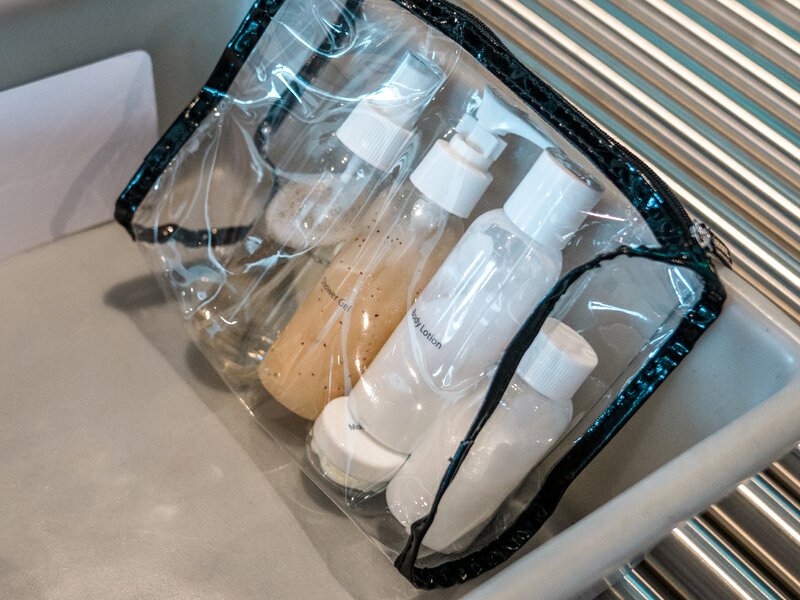
The TSA limits each liquid container to a maximum of 3.4 ounces (100 milliliters). You can carry multiple containers, but all must fit comfortably inside a single, clear, quart-sized bag. This rule applies to everything from shampoo to lotion and even some gels.
Imagine rushing through the airport only to be stopped because your travel-sized bottle was 4 ounces. Keeping containers within the allowed volume saves you time and hassle. Always double-check sizes before packing to stay within the limits.
Container Requirements
Containers must be transparent and resealable, like a zip-top plastic bag. This makes it easy for TSA agents to inspect your liquids without opening each bottle. Non-clear containers or those without secure lids will likely be removed.
Think about how you pack your liquids at home. Using small, clear bottles not only meets TSA standards but also helps you organize your toiletries better. This little step can make your security line experience much smoother.
Exceptions To The Rules
Some liquids are exempt from the 3.4-ounce rule. Medications, baby formula, and breast milk can be carried in larger amounts but must be declared at the security checkpoint. TSA officers may ask to inspect these items separately.
Have you ever traveled with prescription medicine? Keeping it accessible and clearly labeled can speed up your screening process. Remember, these exceptions exist to accommodate real needs, not to bypass security.
Packing Liquids In Carry-on
Packing liquids in your carry-on bag requires careful planning. Airports have strict rules about the size and amount of liquids you can bring. Following these rules helps speed up security checks. It also prevents your liquids from being thrown away at the checkpoint.
Knowing the right way to pack liquids keeps your travel smooth. It protects your items and meets airline regulations. Here are some tips and common mistakes to avoid when packing liquids.
Using Quart-sized Bags
Liquids must fit inside a clear quart-sized bag. This bag limits the total liquid volume you can carry. Each container inside must hold 3.4 ounces (100 milliliters) or less.
The bag should be easy to close and reopen. Make sure the bag is transparent for quick inspection. One bag per passenger is usually allowed. Packing all your liquids in one bag avoids delays.
Tips For Organizing Liquids
- Place the quart-sized bag on top of your carry-on for easy access.
- Use small bottles to save space and meet size limits.
- Label containers to identify liquids quickly.
- Seal bottles tightly to avoid spills.
- Use travel-size containers for shampoo, lotion, and toothpaste.
Common Mistakes To Avoid
- Overpacking liquids beyond the allowed size.
- Using non-transparent bags that slow down security checks.
- Failing to separate liquids from other items in your bag.
- Carrying more than one quart-sized bag.
- Not securing bottle caps, causing leaks.
Special Items And Liquids
Special items and liquids in carry-on bags have unique rules. These rules help keep travelers safe and speed up airport checks. Knowing what you can bring saves time and stress. Some liquids and items have exceptions from the usual size limits. It is important to understand these exceptions before packing.
Medications And Baby Products
Medications are allowed in larger amounts than the usual 100 ml limit. You must declare them at security. Keep medications in their original containers if possible. Bring a doctor’s note or prescription as proof.
Baby products like formula, breast milk, and juice can also exceed size limits. These items are essential for the child during the flight. Security officers may ask to check these liquids separately. Pack enough for the whole trip.
Duty-free Liquids
Duty-free liquids bought after security can be carried on without size limits. Keep them in sealed, tamper-evident bags. Keep the receipt as proof of purchase. If you change planes or pass through another security check, keep the liquids sealed.
Gels, Aerosols, And Pastes
Gels, aerosols, and pastes follow the same 100 ml rule as other liquids. This includes items like toothpaste, deodorant, and hair gel. Pack these in containers no larger than 100 ml. Place all containers in a clear, resealable plastic bag. Only one bag per passenger is allowed.

International Carry-on Liquid Policies
Traveling internationally means following liquid rules for carry-on bags. Each country sets its own limits. Knowing these rules helps avoid delays at security checks. Understanding international carry-on liquid policies keeps your trip smooth and stress-free.
Differences Across Countries
Most countries limit liquids to containers of 100ml or less. These containers must fit in a clear, resealable plastic bag. Some countries allow smaller total volumes than others. For example, the United States and European Union have similar rules. Japan and Australia may have stricter checks. Always check the rules of your destination before packing.
Advice For Connecting Flights
Connecting flights can complicate liquid rules. Your first departure airport’s policies might differ from the transit airport’s. Security checks may happen at both airports. Liquids bought after security in one country might not pass checks in another. Keep liquids in original sealed bags when possible. Carry essential liquids in your carry-on only.
Handling Liquid Limits Abroad
Pack liquids carefully to match your destination's rules. Use travel-sized containers under 100ml each. Place all liquids in a clear, resealable bag for easy inspection. Buy liquids after passing security if allowed. Know that duty-free liquids must stay sealed until your final destination. Prepare for extra screening at airports with strict rules.
Security Screening Process
Understanding the security screening process helps travelers move smoothly through airport checkpoints. Liquids in carry-on bags face strict rules to ensure flight safety. Knowing what happens during screening reduces stress and saves time. This section explains what TSA agents look for, how to prepare for liquid inspection, and what to do if items get confiscated.
What Tsa Agents Look For
TSA agents check for liquids that exceed size limits. They scan bags with X-ray machines and may ask for manual inspection. Agents look for:
- Containers larger than 3.4 ounces (100 milliliters)
- Liquids not placed in a clear, quart-sized bag
- Unlabeled or suspicious bottles
- Items that could be harmful or dangerous
They also watch for any signs of tampering or hidden substances. Being aware of these points helps avoid delays.
Preparing For Liquid Inspection
Pack liquids in containers no bigger than 3.4 ounces. Use a clear, resealable quart-sized bag to hold all liquids. Arrange bottles neatly for easy viewing. Separate the bag from other items before screening. This speeds up the process and reduces hassle. Avoid carrying large bottles or unapproved liquids. Double-check the rules before your trip.
Dealing With Confiscated Items
Sometimes TSA may confiscate liquids that do not meet rules. Items over size limits or in improper bags usually get taken away. Remember, confiscation is for safety, not punishment. Travelers cannot reclaim these items after screening. To prevent loss, pack carefully and follow guidelines. If unsure about an item, consider leaving it at home or packing it in checked luggage.

Alternatives To Carrying Liquids
Carrying liquids in your carry-on can be tricky due to airline rules. Luckily, there are smart alternatives to avoid packing many liquids. These options help you travel light and hassle-free. They also save time at airport security.
Buying Liquids After Security
One simple way is to buy liquids after passing airport security. Shops inside the terminal sell drinks, lotions, and other liquids. This avoids the need to carry them through security checks. You get fresh items and stay within liquid limits.
Travel-sized Solid Alternatives
Solids take less space and do not count as liquids. Use solid shampoo bars, soap, and deodorant sticks. These are easy to pack and last long. Solid items reduce the risk of spills in your bag. They also meet airline rules without extra steps.
Using Refillable Containers
Refillable containers let you carry small amounts of liquids. Fill them with your favorite products before traveling. Choose containers under 100 ml to follow airline rules. They save space and allow you to bring your own brands. These containers are reusable and eco-friendly.
Frequently Asked Questions
What Size Liquids Are Allowed In Carry-on Bags?
Liquids in carry-on bags must be in containers of 3. 4 ounces (100 milliliters) or less. All containers must fit in a single quart-sized, clear, resealable plastic bag. This rule helps speed up security checks and ensures passenger safety.
Can I Bring Larger Liquid Containers In My Carry-on?
No, containers larger than 3. 4 ounces (100 milliliters) are not allowed in carry-ons. Larger containers must be placed in checked luggage. Exceptions exist for medications, baby formula, and special dietary liquids with proper documentation.
How Many Liquid Containers Can I Carry On A Flight?
You can carry multiple liquid containers, but all must fit inside one quart-sized, clear plastic bag. The bag must be sealed and presented separately at security checkpoints. This rule helps maintain security while allowing reasonable amounts of liquids.
Are Gels And Aerosols Included In Liquid Size Restrictions?
Yes, gels, aerosols, creams, and pastes fall under the same 3. 4-ounce (100 milliliters) liquid limit. These items must also be placed in the single quart-sized bag. This rule applies to toiletries, cosmetics, and other personal care products.
Conclusion
Carry-on liquid rules keep travel smooth and safe. Pack bottles of 3. 4 ounces or less. Use a clear, resealable bag for all liquids. This helps speed up security checks. Remember to check airline rules before you pack. Following these tips avoids delays and stress.
Travel lighter, smarter, and enjoy your trip more. Simple steps make a big difference at the airport. Safe travels start with knowing liquid limits.