

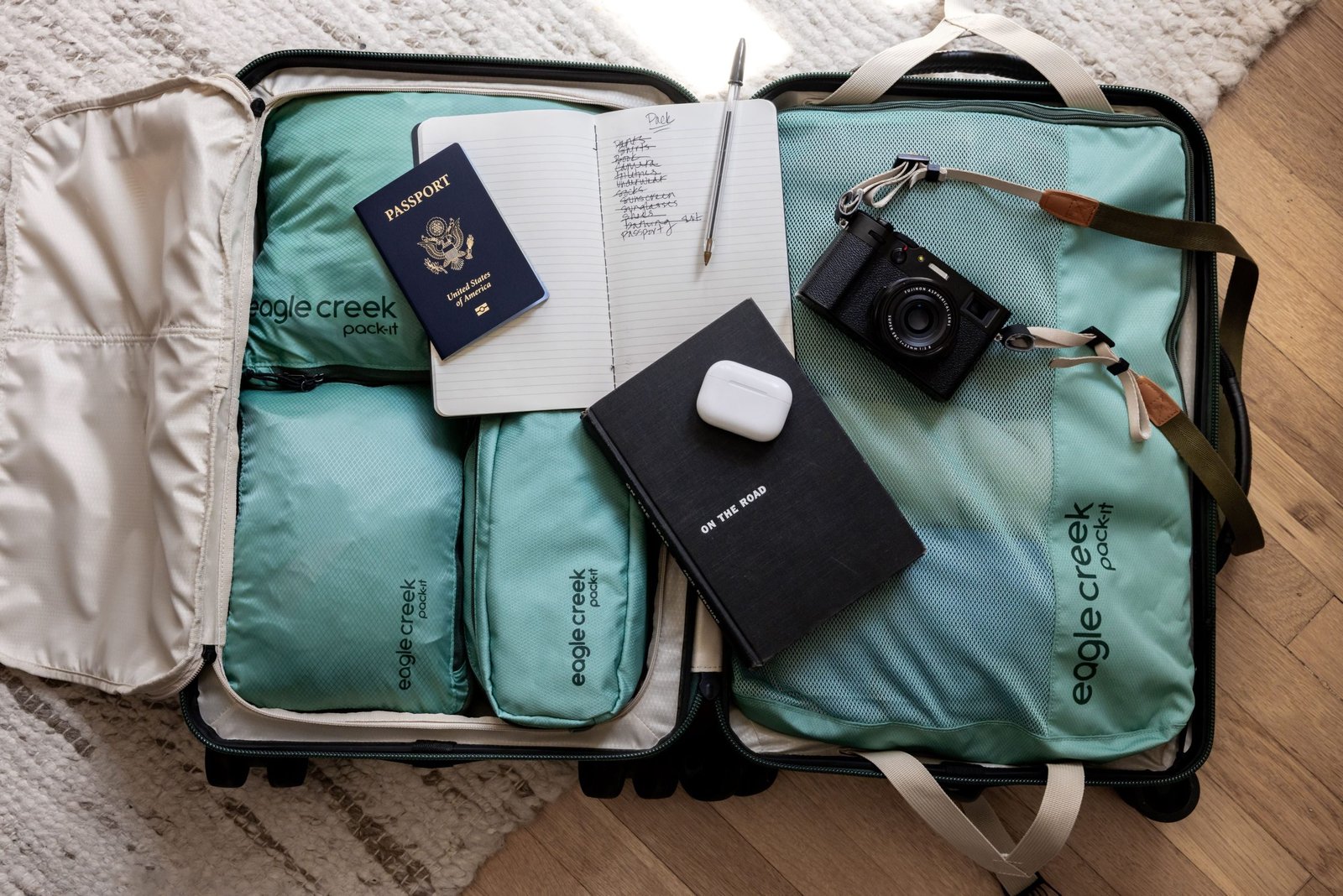
Packing your carry-on for an international flight can feel like solving a puzzle. You want to make sure you have everything you need, but you also want to travel light.
It’s a balancing act that can leave you feeling overwhelmed. But don't worry, you're not alone. Many travelers face the same challenge, and with a bit of guidance, you can master it. Imagine gliding through airport security with ease, knowing you have everything you need for a comfortable journey.
In this guide, you'll discover exactly what essentials should be in your carry-on, so you can focus on the adventure ahead. Ready to transform your travel experience? Let’s dive in!
Travel Documents
Travel documents are the backbone of any international flight. Without them, you simply won’t get past airport security or immigration checkpoints. Keeping these documents easily accessible in your carry-on can save you from last-minute stress and confusion.
Passport And Visas
Your passport is your primary identification on an international trip. Always check its expiration date well before your flight—some countries require it to be valid for six months beyond your arrival date.
Visas are just as important. Some destinations require you to apply in advance, while others offer visas on arrival. Double-check the visa requirements for your destination and carry any approval letters or documents with you.
Storing your passport and visas in a travel wallet or a dedicated document organizer helps keep them safe and easy to find. Have you ever dug through your bag frantically searching for your passport? Avoid that hassle by designating a special spot.
Boarding Passes
Keep your boarding passes handy—either printed or on your phone. Many airports now accept digital boarding passes, but having a paper backup can be a lifesaver if your phone battery dies or the app glitches.
Organize your boarding passes by flight segments if you have connecting flights. This makes check-ins and gate changes smoother and faster.
Pro tip: Take a photo of your boarding pass as soon as you get it. This gives you an extra layer of security if you lose the physical or digital copy.
Travel Insurance
Travel insurance documents often get overlooked but are crucial in emergencies. Carry a printed copy of your policy and emergency contact numbers in your carry-on.
Having quick access to your insurance details can save precious time if you face medical issues, lost luggage, or trip cancellations.
Ask yourself: If something unexpected happens, how quickly can you access your insurance information? Keeping it close means you’re prepared, not panicked.
Electronics And Gadgets
Electronics and gadgets are essential for a smooth international flight. They keep you connected and entertained during travel. Packing the right devices helps avoid stress and delays. Always think about what you need for comfort and convenience.
Phone And Charger
Your phone is a must-have for calls, maps, and photos. Pack a reliable charger to keep it powered. A power bank is a smart idea for long flights. Keep all cables organized to avoid tangles and damage.
Adapters And Converters
Different countries use different plugs and voltages. Bring a universal adapter to fit all socket types. A voltage converter protects your devices from power surges. Check the plug type of your destination before packing.
Headphones And Entertainment
Noise-canceling headphones block out cabin noise for better rest. Pack headphones to enjoy music, movies, or podcasts. Download entertainment before your flight to avoid Wi-Fi issues. A small tablet or e-reader fits easily and saves space.
Comfort Items
Long international flights can be tough, but packing the right comfort items in your carry-on can make a big difference. These small essentials help you relax, rest better, and arrive feeling refreshed. Think about what makes you comfortable during travel and pack accordingly.
Travel Pillow And Blanket
A good travel pillow supports your neck and prevents stiffness. Memory foam pillows are especially helpful because they mold to your shape. Don’t forget a lightweight blanket or a large scarf—it can get chilly on planes, and having your own cozy layer beats relying on airline supplies.
On one trip, I brought an inflatable neck pillow that wasn’t very supportive, and I woke up with a sore neck. After switching to a memory foam pillow, my sleep improved drastically. What kind of pillow helps you sleep best on a plane?
Eye Mask And Earplugs
Blocking out light and noise can turn a noisy cabin into a restful space. A soft eye mask prevents harsh lighting from disturbing your sleep. Pair it with earplugs or noise-canceling headphones to mute engine sounds and chatty neighbors.
Try different types of earplugs to find what works best for you. Foam earplugs offer good noise reduction but can feel uncomfortable for some. Silicone plugs are reusable and gentle but may not block all noise. Have you tested what helps you relax in noisy environments?
Comfortable Clothing
Wear loose, breathable clothes that allow you to move easily. Layers are key—you can adjust according to the cabin temperature. Soft fabrics like cotton or bamboo keep you cozy without making you overheat.
Skip tight shoes and opt for slip-ons or sneakers to keep your feet comfortable. Compression socks are another smart addition; they improve circulation and reduce swelling on long flights. What’s your go-to travel outfit for staying comfortable in the air?
Toiletries And Personal Care
Packing toiletries and personal care items in your carry-on for an international flight requires careful thought. You want to stay fresh and comfortable without risking delays at security. Knowing exactly what to bring helps you avoid unnecessary bulk and ensures you have what matters most within easy reach.
Essential Toiletries
Focus on compact, travel-sized containers that meet airline liquid restrictions—usually 100ml or less. Include basics like a toothbrush, toothpaste, deodorant, and a small comb or brush. Don’t forget a travel-sized moisturizer or lip balm; cabin air can dry your skin quickly.
Think about items that help you feel refreshed during the flight. A facial mist or cleansing wipes can be lifesavers after long hours in the air. These essentials keep you feeling clean and comfortable without taking up much space.
Medications And First Aid
Always pack any prescription medications in your carry-on, along with a copy of the prescription. Over-the-counter pain relievers, allergy pills, and motion sickness remedies are smart additions. A few adhesive bandages and antiseptic wipes can handle minor scrapes or blisters.
Have you ever faced a headache or upset stomach mid-flight without your usual remedy? Bringing these items ensures you can handle small health issues quickly and avoid discomfort during your journey.
Sanitizers And Masks
Sanitizers are essential for hygiene, especially when touching airport surfaces or airplane seats. Choose a small bottle of hand sanitizer with at least 60% alcohol for effectiveness. Pack a few disposable or washable masks to protect yourself in crowded spaces.
Consider carrying an extra mask or two—you never know when you might need a fresh one. Staying clean and safe is not just about comfort; it’s about protecting yourself and others throughout your trip.
Snacks And Hydration
Staying comfortable during an international flight means paying attention to snacks and hydration. Airplane food options might be limited or not to your taste. Bringing your own snacks and water helps you stay energized and refreshed throughout the journey.
Healthy Snacks
Choose snacks that are nutritious and easy to carry. Avoid messy or strong-smelling foods to keep your space pleasant. Good options include:
- Nuts and seeds
- Granola or protein bars
- Dried fruits like apricots or raisins
- Whole grain crackers
- Fresh fruit such as apples or bananas
These snacks provide lasting energy and are light on your stomach. They also help avoid hunger between meals on the plane.
Refillable Water Bottle
Hydration is key during flights. Airplane cabins have dry air that can dehydrate you quickly. Bring an empty refillable water bottle through security. Fill it at water fountains or airport shops after security checks. Drinking plenty of water keeps you alert and reduces jet lag effects.
A refillable bottle saves money and reduces plastic waste. Choose one that fits easily in your bag and is leak-proof. Sip water regularly throughout your flight for best results.

Valuables And Security
Keeping your valuables safe during an international flight is essential. Carrying important items in your carry-on ensures quick access and reduces the risk of loss. Proper security measures protect your money, documents, and personal belongings. Packing smart helps avoid stress and travel interruptions.
Money And Credit Cards
Carry only the cash you need for immediate expenses. Use a mix of local currency and small amounts of your home currency. Credit cards are safer than cash and widely accepted. Keep cards in a secure, easy-to-reach place. Avoid carrying all cards in one spot. Split them between your wallet and a separate pouch. Always notify your bank before traveling abroad to prevent card blocks.
Locks And Security Pouches
Use TSA-approved locks for your carry-on bag. These locks allow security checks without damage. Security pouches worn under clothes add extra protection. Choose lightweight, water-resistant pouches with RFID blocking. RFID protection stops electronic theft of card information. Avoid large or bulky pouches that can slow you down. Keep your pouch close to your body at all times.
Important Extras
When packing your carry-on for an international flight, don’t overlook the important extras that can make your journey smoother and more comfortable. These small but essential items often save the day when unexpected situations arise. Think beyond the basics and prepare for convenience, safety, and productivity during your travel.
Travel Guide And Maps
Having a compact travel guide or offline maps in your carry-on can be a game-changer. You won’t always have reliable internet access abroad, and having a physical guide helps you navigate local attractions, transportation, and dining options quickly.
I once relied on a small travel guide to find hidden gems in a city where my phone battery died. It kept me on track without stress. Consider bringing a pocket-sized guidebook or printed maps for the areas you’ll visit.
Extra Face Masks
Face masks remain an essential item for international travel, especially in crowded airports and public transport. Pack at least two or three extra masks so you can replace them if they get dirty or wet.
Carrying spare masks also shows you’re prepared for any new health protocols. Choose masks that are comfortable to wear for hours and easy to dispose of or wash if reusable.
Pen And Notebook
A pen and a small notebook might seem old-fashioned, but they’re incredibly useful. You can quickly jot down flight details, emergency contacts, or travel expenses without scrambling for your phone.
Customs forms often require handwritten information, and having your own pen saves time and frustration. Plus, a notebook is perfect for recording travel memories or important information during your trip.
:max_bytes(150000):strip_icc()/tal-how-to-pack-a-carry-on-bag-tout-0e67faf21540495f8b4197c466a114f8.jpg)
Frequently Asked Questions
What Essentials Should I Pack In My Carry-on For An International Flight?
Pack important documents, medication, snacks, electronics, and a change of clothes. Include toiletries under 100ml in a clear bag. Keep valuables and chargers accessible for convenience during travel.
Can I Carry Liquids In My Carry-on For International Flights?
Yes, liquids must be in containers of 100ml or less. All containers should fit in a single, clear, resealable plastic bag. This follows international security regulations for carry-on luggage.
How Do I Pack Electronics Efficiently In My Carry-on?
Use protective cases or padded sleeves for laptops and tablets. Organize cables and chargers in small pouches. Keep devices easily accessible for security checks and in-flight use.
Are There Restrictions On Food Items In Carry-on Luggage?
Solid foods are generally allowed, but liquids and gels over 100ml are restricted. Check destination country rules as some have specific food import regulations. Pack snacks that are easy to carry and non-perishable.
Conclusion
Packing your carry-on well makes your flight easier and stress-free. Keep important documents, snacks, and comfort items close. Remember to follow airline rules for liquids and size limits. Plan for delays by carrying chargers and a change of clothes. A smart carry-on helps you stay organized and ready.
Traveling light and right saves time and hassle. Safe travels start with a well-packed bag.