

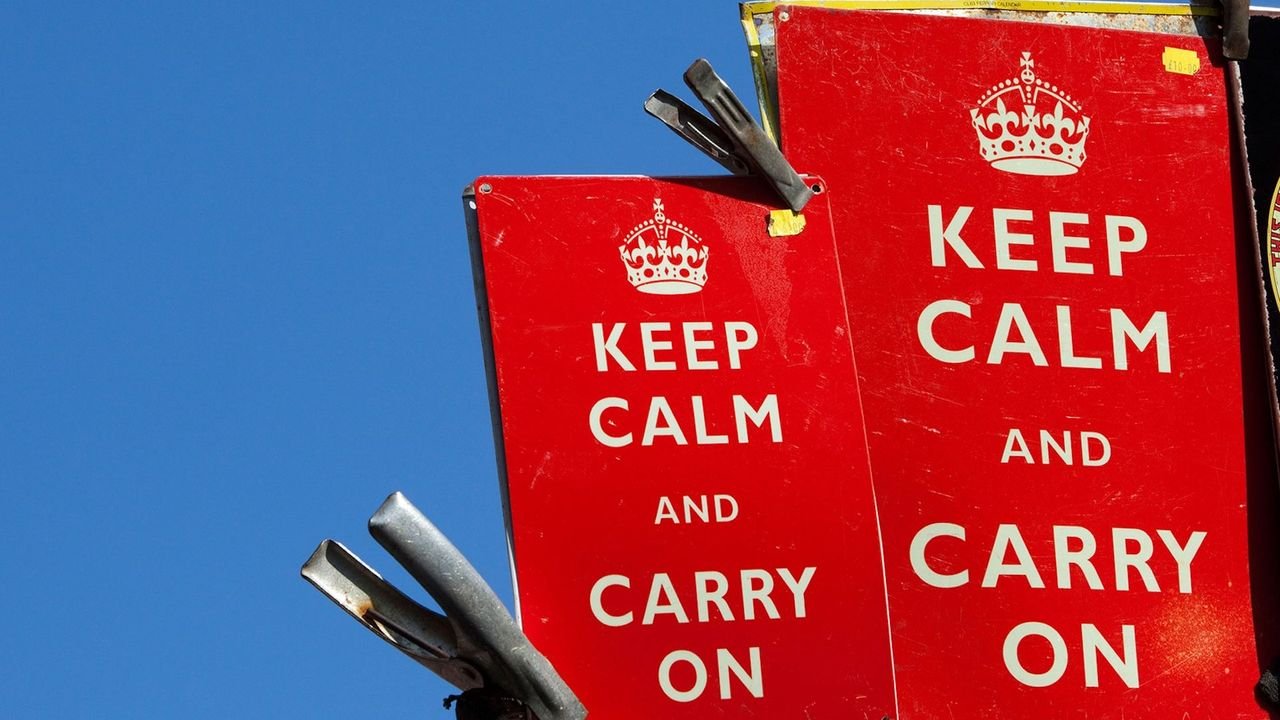
Have you ever seen the phrase "Keep Calm and Carry On" and wondered where it came from? You're not alone.
This iconic slogan has found its way onto posters, mugs, and t-shirts, becoming a symbol of resilience and calm. But who actually said it first? The story behind this famous saying is as intriguing as the message itself. As you read on, you'll uncover the origins of this phrase, learn about its historical significance, and discover why it continues to resonate with so many people today.
Keep reading to find out how a simple message from the past can still inspire you to face challenges with grace and determination.
Origins Of The Phrase
The phrase “Keep Calm and Carry On”has become a popular slogan worldwide, but few know where it actually came from. Its origins lie deep in a turbulent time in history, reflecting a message meant to inspire resilience and steadiness. Understanding its background reveals not just a catchy phrase, but a purposeful effort to influence mindset during crisis.
Historical Context
The phrase was created in 1939, just before the outbreak of World War II. Britain was preparing for the possibility of widespread air raids and invasion. The government wanted to boost public morale and maintain order during uncertain times.
Interestingly, the poster was part of a larger set of three, but unlike the others, it was rarely displayed publicly during the war. This makes you wonder how many powerful ideas go unnoticed simply because timing or circumstances aren’t right.
Government Propaganda
The British government used propaganda extensively to prepare its citizens for the war's challenges. “Keep Calm and Carry On” was designed to reassure people and discourage panic. It aimed to foster a sense of quiet determination rather than loud resistance.
Think about how your own mindset can change when you’re reminded to stay calm under pressure. The phrase’s simplicity made it easy to remember and repeat, which is key in effective messaging.
World War Ii Influence
World War II was a period of intense fear and disruption. The phrase reflected the need for everyday people to endure hardships without losing hope or composure. Although it wasn’t widely used during the war, its message resonated deeply once rediscovered decades later.
Have you ever faced a situation where staying calm helped you get through? This slogan captures that universal truth in just four words, showing how powerful clear, concise communication can be during crisis moments.
Design And Distribution
The design and distribution of the "Keep Calm and Carry On" poster reveal much about its original purpose and the context in which it was created. Although now iconic, the poster was crafted with a very specific message and audience in mind during a tense moment in history.
Poster Creation
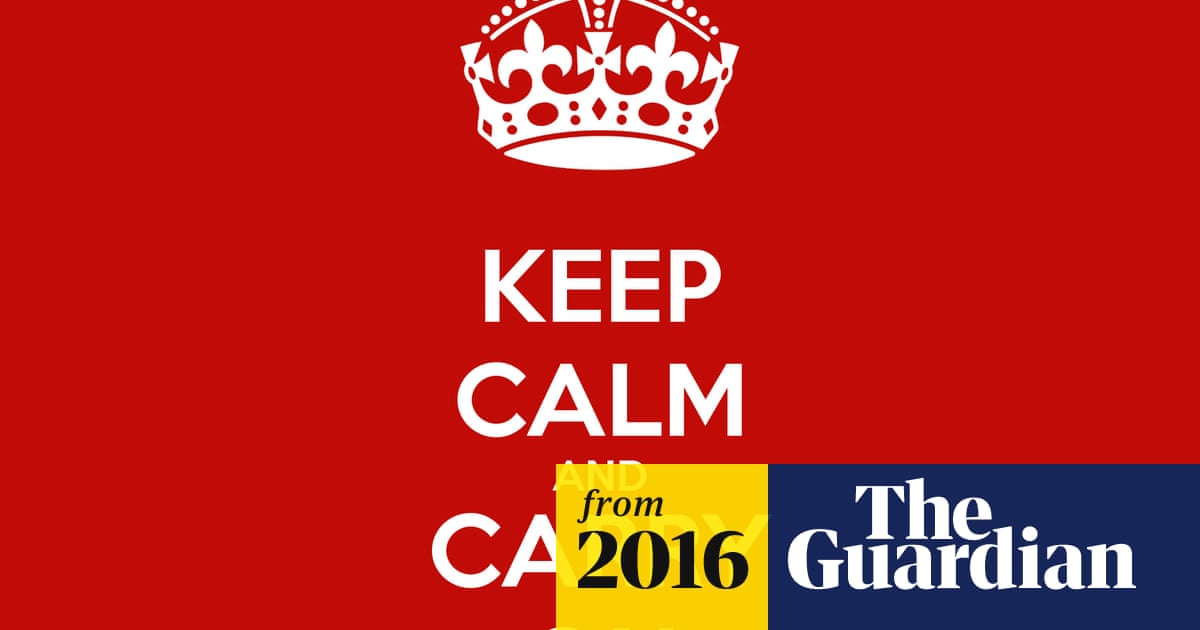
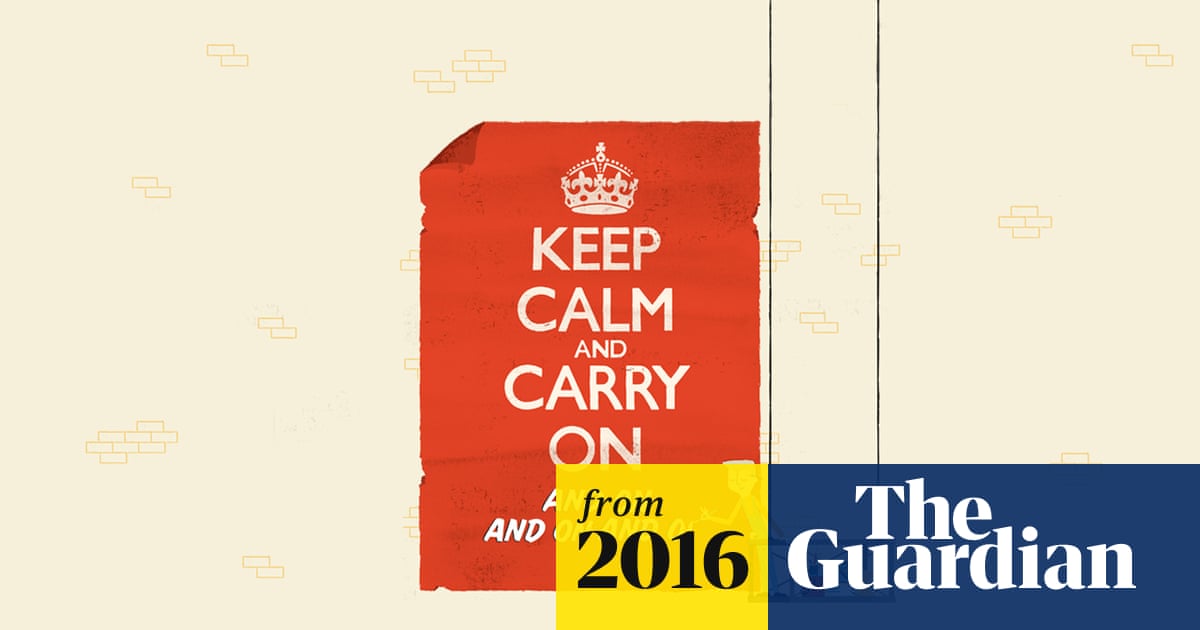
The poster features a simple yet bold design: white text on a solid red background topped with a stylized Tudor Crown. This minimalist approach was intentional to grab attention quickly and convey reassurance.
The font choice was clear and easy to read from a distance, emphasizing calmness and control. Have you ever noticed how such straightforward design can sometimes be more powerful than elaborate graphics?
Intended Audience
The British government designed this poster during World War II to prepare the public for potential air raids. It was meant to boost morale and encourage resilience among ordinary citizens facing uncertainty.
Unlike propaganda aimed at stirring emotion, this message was steady and composed, targeting people who needed practical encouragement to maintain their daily lives amid crisis.
Limited Circulation
Despite its now widespread fame, the poster was never widely distributed during the war. Only a few copies were printed, and it was held in reserve for a worst-case scenario that never fully materialized.
This limited circulation meant that for decades, the poster remained largely unknown until rediscovered in the early 2000s. What if the poster had been distributed widely back then—would it have changed public response to the war?
Rediscovery And Popularity
The phrase "Keep Calm and Carry On" was almost lost to history before it found its place in modern culture. Its journey from a forgotten wartime poster to a global slogan reveals much about how messages can resurface and gain new meaning. Understanding this rediscovery shows how powerful simple words can become when they connect with the right moment and audience.
Post-war Neglect
After World War II, millions of "Keep Calm and Carry On" posters were printed but rarely displayed. The government decided to keep the message in reserve, fearing it might sound too bleak during the war's darkest days. As a result, most posters were stored away and eventually forgotten.
This neglect meant the slogan didn’t influence the public as originally intended. Imagine if it had been widely seen—would it have changed how people faced the war’s hardships? This question highlights how timing and context affect the power of a message.
Modern Revival
The phrase resurfaced unexpectedly in 2000 when a bookstore owner found an intact poster in a box of old books. This discovery sparked renewed interest, turning the slogan into a symbol of calm and resilience. Suddenly, it was everywhere—from mugs to t-shirts to phone cases.
Your own experience with this phrase might have started with seeing it on social media or in a shop. Its simple, reassuring tone appeals to anyone facing stress, making it timeless. Why do you think such a straightforward message has such lasting appeal?
Cultural Impact
Today, "Keep Calm and Carry On" has evolved into countless variations that reflect humor, motivation, and even rebellion. It has become a cultural icon, inspiring creativity and comfort across generations. The phrase’s adaptability shows how a clear message can cross boundaries and speak directly to your daily life.
Think about how you use this slogan or its spin-offs. Does it help you stay focused during tough times? Its popularity proves that sometimes, simple words hold the strongest power to influence and inspire.
Misattributions And Myths
The phrase "Keep Calm and Carry On" carries many stories. Some are true, and some are myths. Many people confuse its origin and meaning. This confusion comes from misattributions and myths about the phrase.
Understanding these myths helps clear up who actually said it and why. It also shows how the phrase became popular far beyond its original use.
Common Misconceptions
Many believe the phrase was used widely during World War II. This is not true. It was printed on posters but rarely displayed to the public at that time. People also think it was a motivational slogan created by Winston Churchill. The real story is different. The government designed it as a backup plan for morale in case of invasion. It was meant to be calm and reassuring, not a rallying cry.
Famous Misquotes
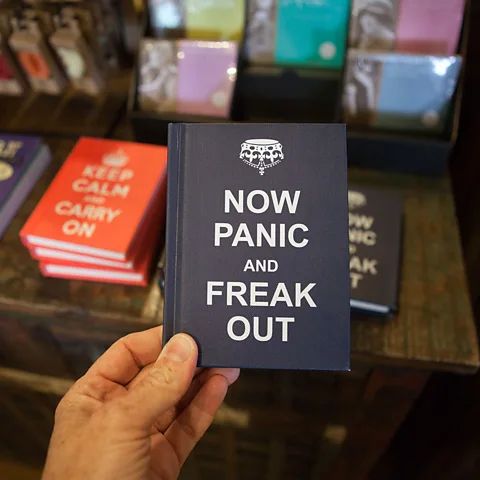
Some versions of the phrase change the words slightly. For example, "Keep Calm and Carry On" often turns into "Keep Calm and Carry On Fighting" or "Keep Calm and Stay Strong." These changes are not from the original source. Popular culture has adapted the phrase into many forms. These misquotes spread confusion about its true message. The original phrase is simple and clear, without extra words or slogans.
Clarifying The Source
The phrase comes from a British government poster made in 1939. It was part of a series to prepare citizens for war. The Ministry of Information created it, not any single person. The poster was stored away and forgotten for decades. It became famous only after a copy was found in a bookstore in 2000. Since then, it has been used worldwide as a symbol of calm and endurance.
Legacy Today
The phrase "Keep Calm and Carry On" has grown far beyond its original World War II context. Today, it stands as a powerful symbol of calm and strength in tough times. Its legacy continues through various forms of media, commercial uses, and public perception. The message still inspires people around the world.
Use In Media
The slogan appears in movies, TV shows, and books. It often represents British spirit and endurance. Documentaries about war and history frequently show the poster. Social media posts use it to encourage calm during crises. Its simple design makes it easy to recognize and remember.
Commercial Adaptations
Businesses use the slogan on many products. You can find it on mugs, t-shirts, and posters. Companies sell these items as reminders to stay calm. The phrase is also used in advertising campaigns. It connects with customers by promoting a positive mindset.
Symbol Of Resilience
The slogan has become a symbol of resilience worldwide. People use it to face stress and challenges. It reminds us to stay steady and focused. The message encourages hope and endurance in hard times. This timeless advice still resonates today.
Frequently Asked Questions
Who Originally Said "keep Calm And Carry On"?
The phrase was created by the British government in 1939. It aimed to boost public morale during World War II.
What Was The Purpose Of "keep Calm And Carry On"?
It was designed to encourage resilience and calmness during wartime. The message aimed to reduce panic and maintain order.
When Was "keep Calm And Carry On" First Used?
The slogan was printed in 1939 but wasn’t widely distributed. It resurfaced and gained popularity decades later.
Why Did "keep Calm And Carry On" Become Popular Again?
The phrase was rediscovered in the early 2000s. It became a symbol of British stoicism and positive attitude.
Conclusion
The phrase "Keep Calm and Carry On" still sparks curiosity today. It reminds us to stay steady in tough times. People often think it means just staying quiet and passive. But history shows it’s about quiet strength and hope. We all face challenges.
This simple message helps many find calm. It teaches patience, courage, and moving forward. Remember, staying calm is a choice you can make. Carry on with confidence, no matter what happens. The story behind the phrase makes it more meaningful.
It’s more than words—it’s a way to live.