
Imagine this: you're feeling anxious, your heart is racing, and your breathing becomes quick and shallow. It feels like you're losing control.
At that moment, someone hands you a simple paper bag. You might wonder, why a paper bag? How can something so ordinary help when you're hyperventilating? You'd be surprised by the power of this unassuming item. It's not just a random suggestion or an old wives' tale.
There's a solid reason behind it, backed by science and experience. You'll discover why a paper bag is more than just a quick fix for hyperventilation. You'll learn how this straightforward tool can help you regain control and calm your mind. By the end, you'll know exactly why keeping a paper bag handy might be one of the smartest decisions you make for your well-being. Ready to find out how it works? Let's dive in.
Causes Of Hyperventilation
Hyperventilation happens when breathing becomes too fast or too deep. This causes a drop in carbon dioxide levels in the blood. Understanding why hyperventilation starts helps in managing it better. Various causes can trigger this rapid breathing pattern. These causes range from everyday situations to health conditions.
Common Triggers
- Stress and anxiety are frequent causes of hyperventilation.
- Panic attacks can lead to sudden, uncontrollable fast breathing.
- High altitudes may cause people to breathe faster.
- Fever and infections sometimes increase breathing rate.
- Physical exertion can trigger hyperventilation in some cases.
Physical And Emotional Factors
Physical health issues often play a role in hyperventilation. Lung diseases like asthma or chronic obstructive pulmonary disease (COPD) affect breathing. Heart problems may also cause faster breathing patterns.
Emotional states like fear, anger, or excitement can change breathing rates quickly. Trauma or strong emotional experiences trigger hyperventilation in many people. Learning to recognize these factors can help control breathing.

Credit: www.healthline.com
Effects Of Rapid Breathing
Rapid breathing, or hyperventilation, causes quick changes inside the body. It affects how oxygen and carbon dioxide move in the blood. These changes can trigger uncomfortable symptoms and make the situation worse.
Oxygen And Carbon Dioxide Imbalance
Normal breathing balances oxygen and carbon dioxide in the blood. Rapid breathing causes too much carbon dioxide to leave the body. This creates an imbalance called respiratory alkalosis. Blood becomes less acidic, affecting muscles and nerves. The body’s natural signals get confused. This imbalance can cause dizziness and lightheadedness.
Symptoms Experienced
- Dizziness and fainting feeling
- Shortness of breath
- Tingling in hands and feet
- Chest tightness
- Feeling anxious or panicked
- Muscle cramps or spasms
These symptoms happen because the brain and body do not get the right signals. Breathing too fast makes the body think there is not enough oxygen. This can increase panic and worsen breathing patterns.
How A Paper Bag Helps
Using a paper bag during hyperventilation helps manage symptoms quickly. It creates a controlled breathing environment. This simple tool supports the body’s natural balance. Understanding how it works shows why it can be effective.
Restoring Carbon Dioxide Levels
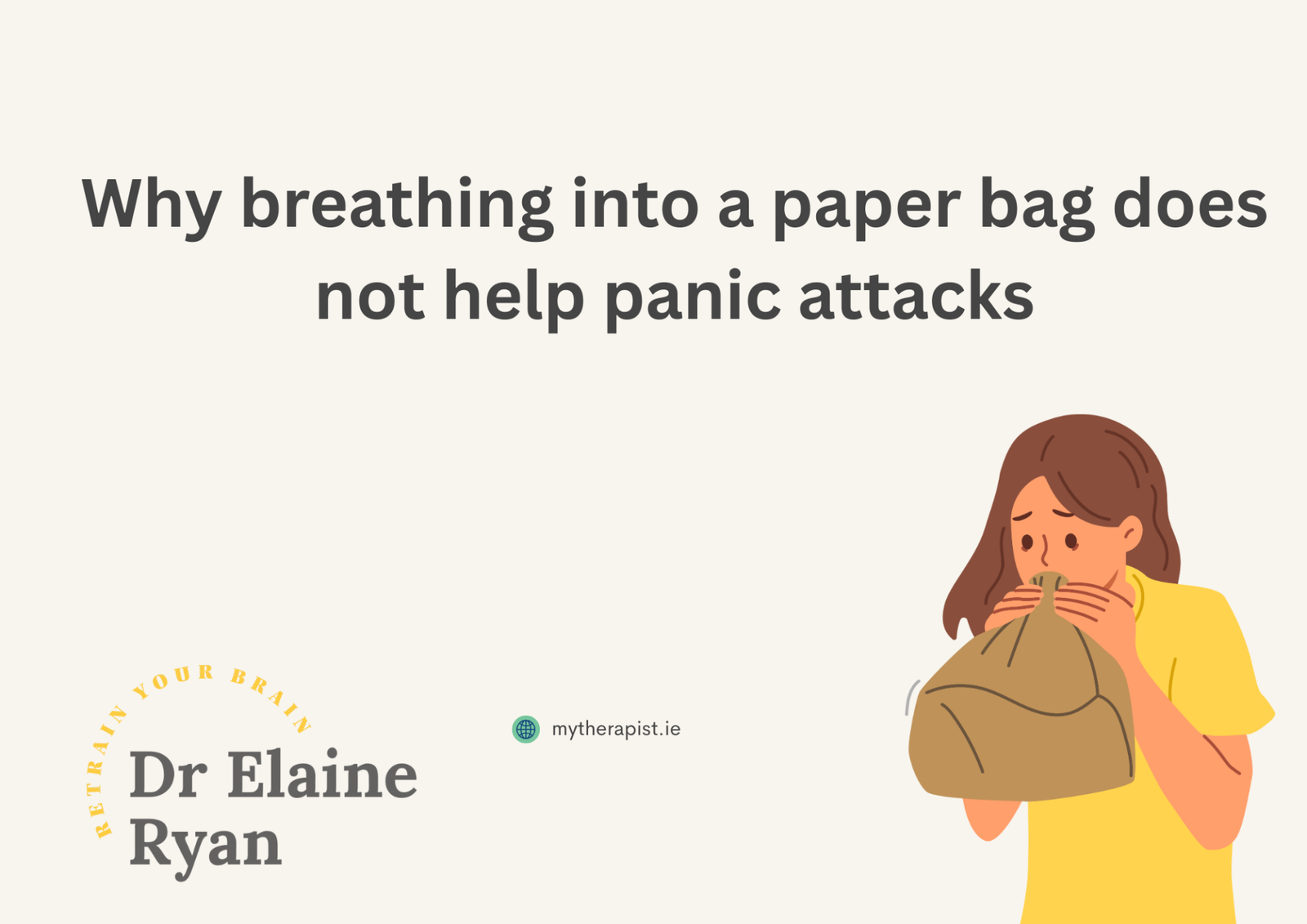
Hyperventilation causes you to breathe out too much carbon dioxide. Low carbon dioxide makes blood vessels narrow and causes dizziness. Breathing into a paper bag helps you breathe in some of the carbon dioxide you exhaled. This raises carbon dioxide levels in your blood. It helps your body return to a normal state faster.
Calming Breathing Patterns
When you breathe into a paper bag, your breaths become slower and deeper. The bag limits the amount of fresh air you inhale. This slows down your breathing rate naturally. Slowing your breath helps calm your nervous system. It reduces feelings of panic and helps you regain control.

Credit: www.healthline.com
Proper Use Of A Paper Bag
Using a paper bag correctly can help manage hyperventilation. It helps restore normal breathing by controlling oxygen and carbon dioxide levels. Proper use ensures safety and effectiveness. Misuse may worsen symptoms or cause harm.
When And How To Use It
Use a paper bag only if you are sure hyperventilation is caused by anxiety or panic. Hold the bag tightly over your nose and mouth. Breathe slowly and deeply into the bag. Inhale and exhale fully to balance carbon dioxide. Stop using the bag if dizziness or discomfort increases. Avoid using it for more than a few minutes at a time.
Precautions To Take
- Do not use a paper bag if you have heart or lung problems.
- Avoid use if you feel chest pain or severe shortness of breath.
- Never use a plastic bag; it can cause suffocation.
- Consult a healthcare provider for frequent or severe hyperventilation.
- Use the paper bag in a calm, seated position to avoid falls.
Alternative Relief Techniques
While a paper bag is often suggested to ease hyperventilation, there are other effective techniques you can try to regain control of your breathing. These alternative relief methods focus on calming your nervous system and restoring balance without relying solely on external tools. Understanding and practicing these can empower you to manage episodes more confidently wherever you are.
Breathing Exercises
Controlled breathing can quickly reduce the symptoms of hyperventilation. Try inhaling slowly through your nose for a count of four, holding your breath for four seconds, and then exhaling gently through your mouth for six seconds. This longer exhale helps lower your heart rate and brings more carbon dioxide back into your system.
You might find it helpful to place one hand on your chest and the other on your belly. Focus on making your belly rise with each breath rather than your chest. This technique, known as diaphragmatic breathing, encourages deeper, more effective breaths that calm your body.
Mindfulness And Relaxation
Stress often triggers hyperventilation, so calming your mind can prevent or reduce episodes. Try closing your eyes and paying attention to the present moment—notice the sensations in your body, the sounds around you, or the rhythm of your breath. This simple focus can interrupt spiraling thoughts that fuel panic.
Progressive muscle relaxation is another tool you can use. Tense each muscle group for a few seconds, then release it slowly, starting from your feet and moving upward. This practice not only relaxes your body but also shifts your focus away from anxious feelings.
Have you noticed how your thoughts affect your breathing? Practicing these techniques regularly can help you gain better control during stressful moments, reducing the need for a paper bag altogether.
When To Seek Medical Help
Knowing when to seek medical help during hyperventilation is vital. Breathing into a paper bag might help in mild cases. But it is not a solution for all breathing problems. Some signs mean a serious condition needs urgent care. Recognizing these signs can protect your health and safety.
Signs Of Serious Conditions
- Chest pain or tightness that does not go away
- Severe shortness of breath or inability to speak clearly
- Confusion, dizziness, or fainting spells
- Rapid or irregular heartbeat
- Blue lips, fingers, or face
- Loss of consciousness
These symptoms may indicate heart or lung problems. They require immediate evaluation by a healthcare professional.
Emergency Situations
Call emergency services right away if any severe symptoms appear. Do not rely on a paper bag in these cases. Medical staff can provide oxygen and advanced treatments. Quick response can prevent serious damage or death. Always prioritize safety over self-treatment when symptoms worsen.

Credit: tropedia.fandom.com
Frequently Asked Questions
Why Use A Paper Bag When Hyperventilating?
Using a paper bag helps regulate your breathing by increasing carbon dioxide levels. It prevents dizziness and lightheadedness caused by rapid breathing. This simple method can calm your nerves and restore normal breathing patterns quickly.
How Does A Paper Bag Help During Hyperventilation?
A paper bag traps your exhaled carbon dioxide, allowing you to re-inhale it. This raises CO2 levels in your blood, reducing symptoms like tingling and anxiety. It helps balance oxygen and carbon dioxide, stabilizing your breathing rate.
When Should You Avoid Using A Paper Bag For Hyperventilation?
Avoid using a paper bag if you have heart or lung conditions. Also, do not use it if you feel chest pain or severe shortness of breath. Seek medical help immediately if symptoms worsen or don’t improve.
Can A Paper Bag Prevent Panic Attacks?
Breathing into a paper bag may reduce panic attack symptoms by calming hyperventilation. However, it is not a cure and should be combined with other coping strategies. Consult a healthcare professional for proper panic attack management.
Conclusion
A paper bag helps control breathing during hyperventilation. It allows you to breathe in carbon dioxide, which your body needs. This can stop dizziness and calm your nerves quickly. Keep a paper bag nearby if you feel anxious or short of breath.
Remember to use it correctly to avoid harm. Breathing slowly into the bag can bring your body back to balance. Knowing this simple tool can make a big difference in stressful moments. Stay calm, breathe right, and take control of your health.