

Traveling with a CPAP machine can be a source of anxiety. You might wonder if it will survive the journey stashed away in your luggage.
The thought of your essential device breaking while in transit is stressful, and you're not alone in this worry. Imagine landing at your destination, ready to enjoy your trip, only to find that your CPAP is damaged. It's a scenario no one wants to face.
In this blog post, we’ll delve into whether your CPAP is at risk of breaking in your luggage at the airport and share tips on how to protect it. Equip yourself with this vital knowledge so you can travel with peace of mind, knowing that your health and comfort are secured. Stick around to discover how you can ensure your CPAP's safety, and enjoy your travels without a hitch.
Risks To Cpap Devices During Air Travel
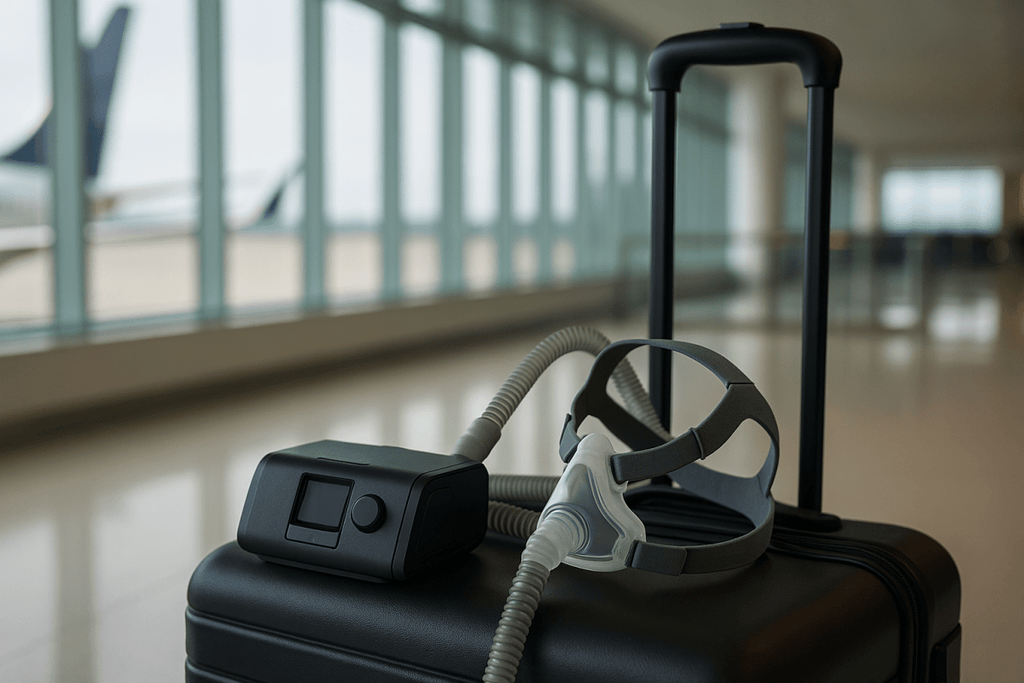
Traveling with a CPAP device can be stressful, especially when you worry about potential damage during your journey. Airports are busy places where luggage faces rough handling and multiple security procedures. Understanding the risks your CPAP might face during air travel helps you protect your essential medical equipment better.
Common Causes Of Damage
CPAP machines are sensitive devices made of delicate components like motors, filters, and electronic circuits. One common cause of damage is physical impact—your luggage could be dropped, thrown, or stacked under heavy bags. Sudden jolts or pressure can crack the machine’s casing or misalign internal parts.
Temperature changes also pose a risk. Extreme cold or heat in the cargo hold might affect the device’s performance or shorten its lifespan. Moisture from rain or condensation could harm electrical components, especially if your device isn’t well protected.
Impact Of Handling And Security Checks
Security checkpoints add another layer of risk. Placing your CPAP through X-ray machines is generally safe, but frequent or manual inspections can expose it to accidental damage. Sometimes, TSA officers might open your bag and handle the device roughly without realizing its fragility.
Have you ever thought about how your checked luggage is tossed around by handlers? This rough treatment can cause internal damage that isn’t visible immediately. Carrying your CPAP as a carry-on bag reduces these risks and gives you more control over its safety.
Packing Strategies For Cpap Safety
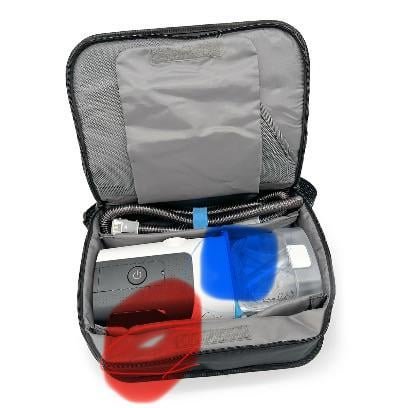
Traveling with a CPAP machine requires careful packing to avoid damage. Proper packing strategies protect your device from bumps and drops during airport handling. Choosing the right bag and using protective covers can keep your CPAP safe and functional.
Choosing The Right Carry-on Bag
Select a carry-on bag designed for medical devices or electronics. Look for bags with padded compartments to cushion your CPAP machine. A compact, lightweight bag makes airport travel easier and safer. Bags with secure zippers prevent the machine from falling out. Choose a bag with extra pockets for accessories like tubing and masks.
Using Protective Cases And Covers
Place your CPAP machine inside a hard-shell case for strong protection. Soft cases with thick padding also reduce impact damage. Use waterproof covers to protect against spills and moisture. Wrap delicate parts, like the mask and tubing, in bubble wrap or soft cloth. Label your case as fragile to encourage careful handling by airport staff.
Preparing Your Cpap For Airport Security
Preparing your CPAP for airport security is essential to avoid damage and delays. It requires careful planning and understanding of the screening process. Carrying your CPAP in a protective case helps keep it safe during inspections. Keeping documents like a doctor’s note or prescription can make security checks smoother. Knowing what to expect at security checkpoints reduces stress and ensures your device stays intact.
Screening Procedures And Tips
Airport security may ask you to remove your CPAP from its case. The device often undergoes X-ray screening. X-rays do not harm the CPAP machine or its parts. Security officers might inspect the mask and tubing separately. Explaining that the device is medical equipment helps. You can request a private screening if preferred. Always arrive early to allow extra time for inspection.
- Keep the CPAP in a clear, easy-to-access bag.
- Carry a note from your doctor about the device.
- Remove water or humidifier chambers before screening.
- Show the device calmly and cooperate with officers.
- Ask for a manual inspection if concerned about X-rays.
Requesting Special Handling
You may ask for special handling of your CPAP during screening. Airports provide accommodations for medical devices. Requesting a TSA notification card helps identify your device quickly. You can also bring a letter explaining your need for the CPAP. Inform security staff about any concerns regarding damage. Special handling may include hand inspection or a separate screening area.
- Notify the airline ahead of your travel about the CPAP.
- Carry proof of medical necessity for your device.
- Ask for assistance at the security checkpoint politely.
- Use a sturdy, padded case for extra protection.
- Keep all CPAP accessories organized and packed carefully.

Maintenance After Air Travel
After a flight, your CPAP device deserves a little extra attention. Air travel can expose it to rough handling, temperature changes, and pressure shifts. These factors might not break your machine outright, but they can affect its performance if you don’t check it properly.
Inspecting Your Cpap Device
Start by carefully examining the exterior of your CPAP. Look for cracks, dents, or loose parts that may have appeared during transit. Pay close attention to the power cord and the hose connections—any damage here can disrupt your therapy.
Ask yourself: Does the device look exactly like it did before the trip? If something feels off or you notice unusual sounds when you turn it on, don’t ignore these signs. Your sleep quality depends on a fully functional machine.
Cleaning And Testing Before Use
Travel can introduce dust and germs into your CPAP, especially if it was in checked luggage. Make it a habit to clean the mask, tubing, and water chamber thoroughly before plugging it in. Use mild soap and warm water to avoid damaging sensitive parts.
Once cleaned, test your CPAP for proper airflow and pressure settings. Run it for a few minutes to ensure there are no leaks or abnormal noises. This simple step saves you from waking up with a disrupted sleep cycle because of a malfunctioning device.
Additional Tips For Hassle-free Travel
Traveling with a CPAP machine needs careful planning to avoid damage and delays. Some simple steps make the journey smoother and stress-free. Protecting your device and staying prepared can help you focus on your trip.
Packing Spare Parts And Accessories
Always pack extra filters, tubing, and mask cushions. Carrying these items ensures quick fixes if something breaks. Use a small, sturdy bag to keep them organized and safe. Label the bag clearly to find it easily. Avoid storing spare parts in checked luggage to prevent loss or damage.
Informing Airline And Security Personnel
Tell the airline about your CPAP device before your flight. This helps with seat arrangements and storage. Show security staff your machine during screening to avoid confusion. Ask for a manual or note from your doctor to explain the device. Clear communication speeds up security checks and keeps your CPAP safe.

Frequently Asked Questions
Can Cpap Machines Break In Checked Luggage?
Yes, CPAP machines can break in checked luggage due to rough handling. It’s safer to carry them in carry-on bags to avoid damage.
How To Protect Cpap Machines During Airport Travel?
Use a sturdy protective case and pack the CPAP in carry-on luggage. This minimizes damage from bumps and pressure changes during travel.
Are Cpap Machines Allowed In Carry-on Baggage?
Yes, CPAP machines are allowed in carry-on baggage. Airlines and TSA permit them as medical devices for in-flight use.
Should I Inform Tsa About My Cpap Machine?
Yes, inform TSA agents about your CPAP. It helps avoid delays and ensures careful handling during security screening.
Conclusion
CPAP machines can break if packed carelessly in luggage. Carrying your CPAP in a carry-on bag helps protect it. Use a hard case or padded bag for extra safety. Always remove water and clean the machine before travel. Airport security checks may handle your device carefully if you ask.
Taking simple steps reduces the risk of damage during flights. Your health depends on your CPAP working well. Travel smart, pack right, and keep your machine safe every time.