

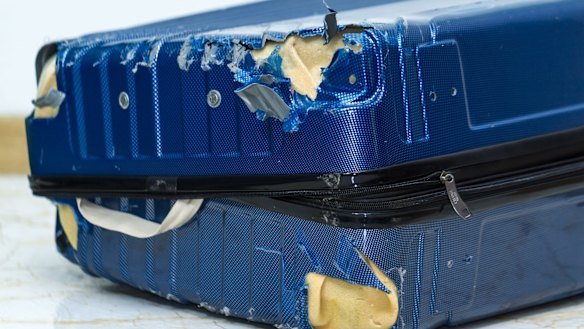
Picture this: you're eagerly waiting at the airport baggage claim, excited to start your vacation or return home. Your suitcase finally appears on the conveyor belt, and you can't help but wonder—did everything inside survive the journey?
If you've ever worried about fragile items breaking in your luggage, you're not alone. Airport travel can be rough on your belongings, but there are ways to minimize the risk. This article dives into what really happens to your luggage at the airport and offers practical tips to keep your items safe.
Whether you're packing souvenirs or everyday essentials, you'll want to read on to ensure your valuables arrive in one piece.
Common Causes Of Damage
Luggage damage at airports happens often. Understanding common causes helps travelers protect their belongings better.
Damage can occur before, during, or after the flight. Many factors contribute to broken items inside luggage. Knowing these causes allows you to pack smarter and avoid surprises.
Rough Handling By Baggage Staff
Baggage handlers move luggage quickly. They often throw or drop bags to save time. This rough treatment can crack or break fragile items inside. Machines also toss bags onto conveyor belts, causing impacts.
Some airports have busy staff and tight schedules. This increases the chance of careless handling. Bags with weak shells or poor padding suffer the most damage.
Overpacking And Weight Issues
Heavy or overstuffed luggage puts pressure on items inside. Overpacked bags are harder to close properly. This can cause zippers or seams to break during transit. Weight limits matter because overweight bags face extra force.
Stacking heavy objects on top of fragile ones leads to cracks or breaks. Spreading weight evenly inside luggage reduces risk. Avoid cramming too many things in one bag.
Inadequate Packing Materials
Poor packing materials leave items unprotected. Thin or no padding allows shocks to reach belongings. Wrapping fragile things in soft clothes only helps a little. Proper bubble wrap, foam, or padded inserts absorb impacts better.
Using hard cases with strong interiors prevents damage. Plastic bags or paper alone do not secure delicate contents well. Always choose quality materials for packing valuable items.
Environmental Factors
Temperature changes and humidity can affect luggage contents. Electronics, liquids, and certain materials react poorly to extreme heat or cold. Moisture may cause damage or leaks inside bags. Rain or snow exposure during transfers also harms luggage.
Air pressure changes on flights impact sealed containers. Fragile items may crack under these conditions. Keeping bags dry and storing sensitive items properly helps reduce damage.
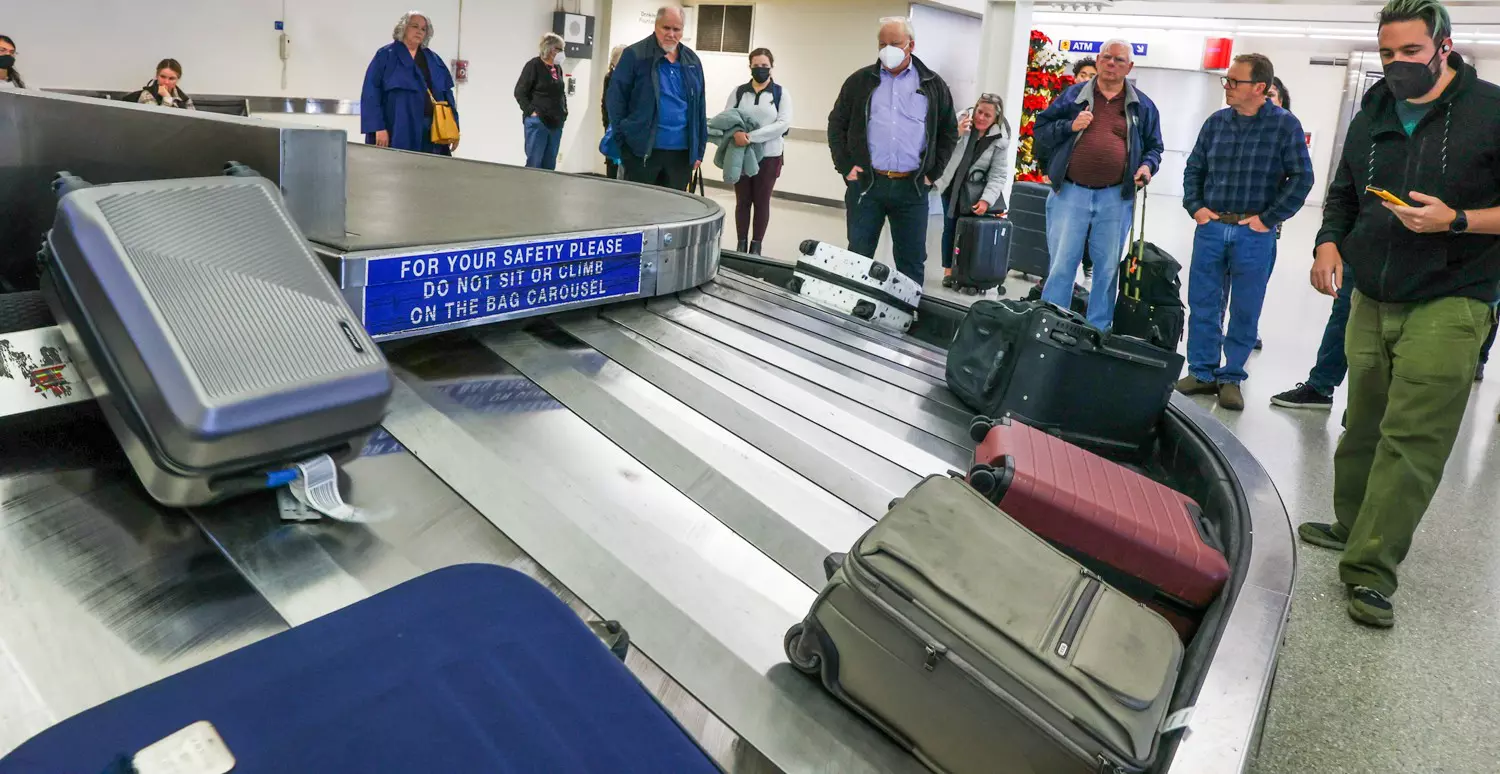
Types Of Items Prone To Breakage
Some items are more likely to break inside luggage during air travel. Handling, pressure, and rough movement can cause damage. Knowing which items are prone to breakage helps in packing carefully.
Many travelers carry delicate things without extra protection. Airport baggage systems are fast and can be harsh. Items that are fragile need special attention to avoid loss or damage.
Fragile Electronics
Electronics like cameras, laptops, and tablets are sensitive to shocks. Sudden impacts can damage screens or internal parts. Batteries may get affected by temperature and pressure changes. Use padded cases and keep electronics in carry-on bags.
Glass And Ceramics
Glass bottles, vases, and ceramic dishes break easily. Thin glass and pottery crack under pressure or impact. Wrapping these items in bubble wrap or clothes helps. Place them in the middle of the suitcase for extra cushioning.
Liquids And Toiletries
Bottles with liquids can leak or break. Shampoo, perfume, and lotions often come in glass containers. Changes in air pressure may cause bottles to burst. Use sealed plastic bags to prevent spills and protect other items.
Souvenirs And Gifts
Souvenirs like figurines, ornaments, and delicate crafts are often fragile. Many are made from glass, wood, or clay. These items can crack or chip during transport. Wrap them well and carry them close to you if possible.
Packing Strategies To Protect Items
Protecting your belongings during air travel starts long before you reach the airport. How you pack can make all the difference between items arriving intact or shattered. Smart packing strategies help absorb shocks, prevent scratches, and keep fragile items safe from rough handling.
Using Protective Cases And Covers
Hard cases, padded sleeves, and silicone covers act as a shield for delicate items like electronics, glassware, and souvenirs. They create a barrier that absorbs bumps and drops.
Consider using customized cases for items like cameras or laptops. Even a simple padded pouch can reduce damage drastically. Have you ever noticed how your phone fits snugly in a soft case? That same principle applies to other valuables.
Layering And Cushioning Techniques
Layer your luggage thoughtfully by placing heavier, sturdy items at the bottom and lighter, fragile items on top.
Wrap breakables in soft materials such as clothing, bubble wrap, or foam sheets. This layering acts like a buffer against sudden jolts.
You can also fill empty spaces with socks or scarves to prevent shifting. Would you trust a suitcase filled with loose, rattling objects? Probably not.
Choosing The Right Luggage
Not all suitcases offer the same level of protection. Hard-shell luggage provides better defense against impacts than soft fabric bags.
Look for luggage with strong zippers and reinforced corners. If you travel often, investing in a durable, well-built suitcase can save you from frequent headaches.
Do you opt for style over substance when picking your bag? Maybe it’s time to reconsider.
Securing Loose Items
Loose items inside your luggage can collide and break each other. Use small zippered pouches or boxes to keep fragile pieces separate.
Secure liquids in sealed bags to avoid spills that could damage other belongings. Double-check that items like chargers and jewelry are fastened or wrapped.
Have you ever unpacked only to find a tangled mess? Taking a few extra minutes to secure everything can prevent that frustration.

Tips For Handling Luggage At Airports
Handling your luggage carefully at the airport can make a big difference in whether your belongings arrive safely or not. Airports are busy places, and bags often go through rough treatment. Being proactive with your luggage can help you avoid damage and stress.
Labeling Fragile Items Clearly
Make sure to mark your bags with clear “Fragile” stickers or tags if they contain breakable items. This simple step alerts baggage handlers to treat your luggage with extra care. Don’t just rely on the sticker—consider wrapping delicate items in bubble wrap or packing them in sturdy containers inside your suitcase.
Requesting Special Handling
If you have valuable or delicate items, ask airline staff at check-in about special handling options. Some airlines offer priority handling or can tag your bag to be loaded last and unloaded first. It’s worth a quick conversation to protect your belongings during transit.
Checking Luggage Weight Limits
Overweight luggage is more likely to be tossed around or damaged due to the extra strain on zippers and handles. Before you head to the airport, weigh your bags to ensure they meet the airline’s limits. If your bag is too heavy, redistribute items or remove non-essentials to avoid potential damage and extra fees.
Arriving Early To Avoid Rushed Handling
Arriving early gives you plenty of time for check-in and security, meaning your bags won’t be rushed through the system. When luggage is hurried, it’s more likely to be handled roughly. Have you noticed how calm and orderly things feel when you’re not in a rush? That calm can extend to your luggage too.
Insurance And Claiming Damages
Dealing with broken luggage after a flight can be frustrating, but knowing how insurance and claims work can save you time and stress. Protecting your belongings with the right coverage and understanding the claim process helps you recover damages more smoothly. Let’s break down what you should know to handle damaged luggage effectively.
Travel Insurance Options
Travel insurance often covers lost, stolen, or damaged luggage. Some policies include specific protection for checked baggage, while others offer limited coverage or require add-ons. Before you buy a policy, check exactly what’s covered and any claim limits.
Consider your trip type and how much your luggage is worth. If you carry expensive equipment or fragile items, a policy with higher baggage protection might be worth the extra cost. Have you ever thought about whether your current insurance fully protects your belongings during air travel?
Documenting Damage
Right after you notice damage to your luggage, document it thoroughly. Take clear photos from multiple angles showing the broken areas. This visual proof is key when you file your claim later.
Also keep your boarding pass and baggage claim ticket handy. Write down any details about the damage and where you noticed it, such as at baggage claim or upon arrival. The more detailed your records, the stronger your claim becomes.
Filing Claims With Airlines
Airlines usually require you to report damage immediately or within a specific time frame, often within 24 hours. Visit the airline’s baggage service office before leaving the airport to fill out a damage report.
If you miss the deadline, your chances of reimbursement drop significantly. After reporting, submit any required forms, photos, and receipts promptly. Have you ever wondered why airlines insist on quick reporting? It’s to verify claims and prevent fraud.
What To Expect During The Process
Claims can take days or even weeks to process. The airline or insurance company might inspect your luggage or ask for additional information. Be patient but stay proactive by following up regularly.
Expect the payout to cover repair costs or replacement value, minus any deductibles. Sometimes, the compensation may not fully cover the sentimental or actual value of your luggage. Are you prepared for that possibility and know your options if a claim is denied?

Alternative Options To Avoid Damage
Protecting your belongings from damage during air travel can feel like a guessing game. But you don’t have to rely solely on packing tricks or hope for gentle handling. Considering alternative options can save you stress and keep your valuables intact.
Shipping Items Separately
Sending fragile or valuable items through a courier service instead of checking them in your luggage can be a smart choice. Shipping allows you to use specialized packaging designed to absorb shocks and prevent breakage.
Many travelers have found that shipping expensive electronics or delicate souvenirs directly to their destination reduces the risk of damage. It also means you won’t have to lug heavy or bulky items through the airport.
Have you ever thought about how much control you lose once your bag is checked? Shipping gives you a way to maintain better control over the care your items receive.
Using Carry-on For Fragile Goods
Keeping fragile items with you in a carry-on bag is one of the simplest ways to avoid damage. You can handle your bag gently and keep an eye on it throughout the journey.
Think about packing your glassware, cameras, or delicate gifts in your carry-on rather than in checked luggage. Use padded cases or bubble wrap to add extra cushioning.
What if your carry-on gets a bit full? Prioritize your most delicate items and leave less fragile things for checked bags or shipping.
Renting Or Buying At Destination
Sometimes, the best way to avoid damage is not to travel with certain items at all. Renting or buying what you need once you arrive can be more convenient and safer.
This is especially useful for bulky or fragile equipment like sports gear or electronics. Many destinations offer rental options that save you the hassle of packing and protecting these items.
Could renting or buying locally actually save you money and worry? Often, yes—plus, you get to travel lighter and with peace of mind.
Frequently Asked Questions
Can Luggage Break During Airport Baggage Handling?
Yes, luggage can break during handling due to rough treatment or stacking. Fragile items may get damaged if not packed properly.
How To Prevent Luggage From Breaking At Airports?
Use sturdy suitcases and secure fragile items with bubble wrap. Label bags as fragile to alert handlers for careful treatment.
Are Airlines Responsible For Damaged Luggage?
Airlines are responsible if damage occurs due to mishandling. File a claim promptly with proof of damage and receipts for compensation.
What Items Are Most Likely To Break In Luggage?
Fragile items like glass, electronics, and souvenirs are prone to damage. Proper cushioning and hard-shell cases reduce breakage risk.
Conclusion
Luggage can sometimes break during airport handling. Choosing strong, durable bags helps protect your items. Packing carefully reduces the chance of damage. Fragile items deserve extra padding and care. Always check your luggage after the flight. Knowing what to expect makes travel less stressful.
Small steps keep your belongings safe and secure. Travel smart, and enjoy your journey with peace of mind.