
Picture this: you’re standing at the luggage carousel, watching an endless parade of nearly identical suitcases. Your heart skips a beat every time one that looks like yours whizzes by.
Now imagine the relief of instantly spotting your bag, thanks to a simple luggage tag. Have you ever wondered if these little tags are truly necessary? You might be surprised by how much they can impact your travel experience. In this blog post, you'll discover the hidden benefits of luggage tags that go beyond just identifying your bag.
Stick around, and you'll learn how they can save you time, stress, and even money on your next adventure.
Purpose Of Luggage Tags
Luggage tags serve an important role in travel safety and convenience. They help travelers keep track of their bags and avoid confusion. These small tags carry vital information that connects the luggage to its owner.
By attaching a tag, travelers add a layer of security and ease during their journey. The purpose of luggage tags goes beyond just naming the bags. It involves quick identification, loss prevention, and easy recovery.
Identifying Your Bags Quickly
Luggage tags display essential details like name and contact. This helps spot your bag fast on crowded carousels. Colors, designs, or personalized tags stand out among many similar bags. Quick identification saves time and reduces stress at busy airports.
Preventing Lost Luggage
Tags act as a first line of defense against losing bags. Airlines and staff use tag information to match bags with owners. Clear details on tags reduce mix-ups and misplaced luggage. Travelers can avoid long waits and travel disruptions with proper tagging.
Facilitating Bag Retrieval
If luggage is lost, tags help return it to the right person. The contact info allows finders or staff to reach owners easily. This speeds up the recovery process and cuts down on lost property. Tags ensure your bag finds its way back quickly and safely.
:max_bytes(150000):strip_icc()/luggage-tags-for-suitcases-travel-accessories-1454142fbf574256ad4af8a7e869343b.jpg)
Credit: www.travelandleisure.com
Types Of Luggage Tags
Luggage tags come in different styles and materials. Each type serves a specific purpose and suits different travelers. Choosing the right tag can make your travel smoother and safer. Below are the common types of luggage tags you may find.
Traditional Paper Tags
These tags are often provided by airlines at check-in counters. They are lightweight and easy to use. Paper tags show basic information like name and flight details. They can tear easily and may not last long during travel. Despite this, they help identify your luggage quickly.
Durable Plastic And Leather Tags
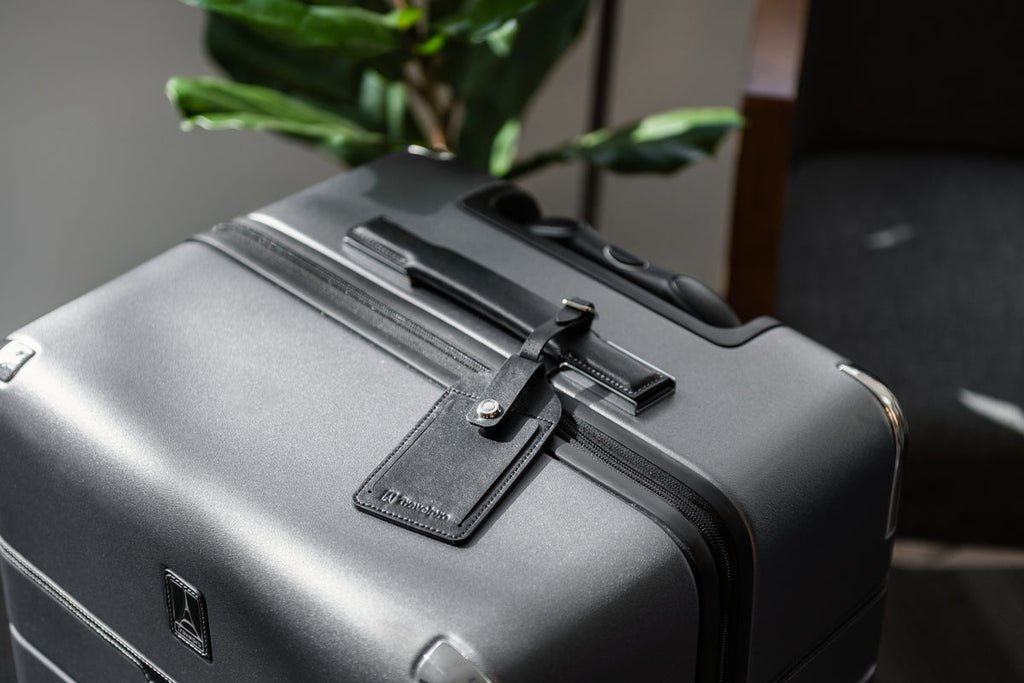
Plastic and leather tags are strong and last longer. They protect your information from damage or water. Leather tags add a stylish and classic look to your bag. Plastic tags come in many colors and designs for easy spotting. They usually have a secure strap to attach to your luggage.
Smart Digital Tags
Smart tags use technology to improve luggage tracking. Some have screens to display your contact details. Others connect to your phone via Bluetooth or GPS. These tags help you find your bag if it gets lost. They often require charging but offer advanced security features.
Benefits Beyond Identification
Luggage tags offer more than just a way to identify your bags. They bring several benefits that improve your travel experience. These advantages make them a smart addition to any suitcase or backpack. Discover how luggage tags can add style, boost security, and make sharing contact details simple.
Adding Personal Style
Luggage tags let you show your personality through your travel gear. Choose bright colors or unique designs to stand out on the baggage carousel. This makes spotting your bag quick and easy. A stylish tag also makes your luggage feel more like your own.
Enhancing Security
Tags help protect your luggage from theft or loss. Some come with privacy covers to hide personal details from strangers. Others use smart technology, like QR codes, to keep your information safe. This extra layer of security gives peace of mind during your trip.
Easy Contact Information Sharing
Luggage tags make it simple for others to find you if your bag is lost. They hold essential contact details in a clear, accessible way. You can update information easily if your phone number or address changes. This quick access increases chances of recovering your luggage fast.
Common Travel Situations Requiring Tags
Luggage tags help identify your bags quickly. They reduce the risk of lost or mixed-up luggage in busy travel settings. Different travel modes have unique challenges that make tags useful. Tags provide peace of mind during your trip.
Air Travel Challenges
Airports are crowded places. Bags often get separated from their owners. Airlines may misplace luggage or send it to the wrong destination. Tags show your contact details and flight information. This helps airport staff return bags faster. Tags also make your luggage stand out on the carousel.
Train And Bus Journeys
Trains and buses have limited space for luggage. Passengers often store bags in overhead racks or under seats. Mistakes happen when many travelers use similar bags. Tags help drivers and staff identify your luggage quickly. They also help you avoid picking up the wrong bag after stops.
Cruise And Ferry Trips
On cruises and ferries, luggage moves through multiple checkpoints. Bags are loaded and unloaded several times. Tags with your name and cabin number ensure your luggage reaches your room. They prevent confusion during large group boarding. Tags also assist crew members in case of misplaced items.
Alternatives To Luggage Tags
Not everyone prefers traditional luggage tags, and luckily, there are several alternatives that can help you identify your bag quickly and keep it safe. These options range from simple visual cues to high-tech solutions, giving you the flexibility to choose what fits your travel style best.
Unique Bag Markings
Adding a unique mark to your luggage can make it stand out on the carousel. Brightly colored ribbons, stickers, or even custom paint can serve this purpose well.
One traveler shared how a neon tape strip on the handle saved them from grabbing the wrong suitcase during a busy layover. Could a small, creative touch like this save you time and frustration?
Using Gps Trackers
GPS trackers offer real-time location updates of your luggage through a smartphone app. These devices can alert you if your bag moves out of range or gets lost.
While they require an upfront investment, many find the peace of mind worth the cost. Have you ever wondered how much easier it would be to track your bag if it went missing?
Relying On Airline Barcodes
Airlines attach barcodes to your luggage that link to your flight details. Some apps allow you to scan these barcodes to check your bag’s status and location.
This method depends on the airline’s tracking system and may not give you full control, but it’s a handy backup. How confident are you in the airline’s ability to keep track of your luggage?

Credit: www.amazon.com
Tips For Using Luggage Tags Effectively
Using luggage tags properly helps keep your bags safe and easy to find. Simple actions can improve your travel experience and reduce stress. Follow these tips to use luggage tags effectively on every trip.
Choosing Durable Materials
Select luggage tags made from strong materials like leather, silicone, or thick plastic. These last longer and resist damage during travel. Avoid paper or thin tags that can tear or fade easily. Durable tags protect your information and stay attached to your bags.
Keeping Contact Info Updated
Always write current contact details on your luggage tag. Include your phone number and email address. Double-check information before each trip. Use a pen that won’t smudge or fade. Updated info helps others return your bag quickly if lost.
Placing Tags In Secure Locations
Attach tags to sturdy handles or straps that stay visible. Avoid loose or hidden spots where tags can fall off or be missed. Secure placement reduces the chance of losing your tag during handling. Check tags regularly to ensure they remain firmly attached.
:max_bytes(150000):strip_icc()/silicone-luggage-tag-with-name-id-card-8ba5c955db4c4cffa39abdd0b20fd9c4.jpg)
Credit: www.travelandleisure.com
Frequently Asked Questions
Are Luggage Tags Important For Travel Safety?
Luggage tags help identify your bags quickly and prevent loss. They provide contact details in case your luggage is misplaced, increasing the chances of recovery. Tags also deter theft by showing ownership clearly.
Can Luggage Tags Speed Up Bag Claim Process?
Yes, luggage tags make it easier for airport staff and travelers to spot your bag. This speeds up the claim process and reduces wait time at baggage carousels, especially in busy airports.
Do Luggage Tags Protect Against Lost Luggage?
While tags don’t guarantee luggage won’t get lost, they increase the chances of return. Clear identification helps airlines and staff match bags to owners, minimizing lost luggage risks.
What Information Should Luggage Tags Include?
Include your full name, phone number, and email address. Avoid sensitive details like home address for privacy. This info helps airlines contact you if your bag is found.
Conclusion
Luggage tags help you find your bags quickly. They add a layer of safety during travel. Lost bags become easier to track with tags. Tags also help airport staff return items fast. Using luggage tags means less worry and stress.
Simple and cheap, they offer great value. Travel smart and keep your bags marked. Small effort, big peace of mind. Consider luggage tags for every trip you take.