
Have you ever stood at the luggage carousel, heart pounding, as you watch endless bags that look just like yours pass by? You’re not alone.
One small yet crucial item can save you from this travel nightmare—a luggage tag. But what should you really put on a luggage tag to ensure your bag finds its way back to you, even if it takes a detour?
The answers may surprise you. By the end of this article, you’ll know exactly what details will make your luggage tag not just a travel accessory, but a reliable safety net for your belongings. Ready to turn your travel stress into peace of mind? Let’s dive in.

Credit: www.amazon.ca
Choosing The Right Information
Choosing the right information to put on your luggage tag is crucial for a smooth travel experience. It helps ensure your bag finds its way back to you if it gets lost. But what details should you include without compromising your privacy or safety?
Name And Contact Details
Your full name is the most important detail on a luggage tag. Use the name you are most commonly known by, so airline staff can easily identify your bag.
Include a phone number where you can be reached quickly. A mobile number works best since it’s often with you, even during travel delays.
Think about whether you want to add your email. It can be helpful but might not be checked as frequently during your trip.
Address Or Destination
Many travelers hesitate to put their home address for security reasons. Instead, use your destination address—like the hotel or a friend’s place where you’ll stay.
This detail gives a clear clue about where your luggage should be sent if lost. It also reassures handlers that the bag is correctly linked to a known location.
If you don’t have a fixed address at your destination, consider listing a general city or airport name for better context.
Alternate Contact Options
Adding a backup phone number or a trusted contact’s number can increase your chances of recovering lost luggage. Choose someone who is easy to reach and knows your travel plans.
You might also want to include a secondary email or social media handle if you expect to be reachable through those channels.
Ask yourself: could someone finding your luggage reach you quickly with the information on your tag? If not, update it before your next trip.
Balancing Privacy And Safety
Choosing what to put on a luggage tag requires a careful balance. You want your bag to be found quickly if lost. Yet, you must protect your personal information from strangers. Sharing too much can lead to privacy risks. Sharing too little can make it hard to identify your luggage. The key lies in smart choices that keep you safe and your info private.
What To Avoid Sharing
- Full home address — this can expose your residence.
- Personal ID numbers, like passport or driver’s license.
- Exact travel dates — they hint when you are away.
- Phone numbers that reach your home or work.
- Any sensitive personal details or financial info.
Avoiding these details helps reduce the risk of theft or unwanted contact.
Using Minimal But Effective Info
- Your first and last name for clear identification.
- An email address dedicated to travel contacts.
- A phone number that you use only during travel.
- City and state or country, instead of full address.
This approach provides enough info for someone to reach you. It keeps your privacy intact while improving safety.
Adding Travel-specific Details
Adding travel-specific details to your luggage tag helps keep your trip smooth. It offers quick access to important information. This can save time and reduce stress during travel. Including these details makes your luggage easier to identify. It also helps others return your bag if lost.
Flight Or Hotel Information
Include your flight number or hotel name on the tag. This detail helps airport staff or hotel workers identify your luggage quickly. Use clear and simple text for easy reading. Add your arrival and departure dates if space allows. This information guides handlers to send your bag to the right place.
Emergency Contact Numbers
List at least one emergency contact number on your tag. Choose a reliable phone number of a family member or close friend. This allows quick communication if your luggage is found. Avoid sharing too many personal details for safety. Keep the number easy to read and up to date.
Tips For Durable And Visible Tags
Choosing the right details for your luggage tag is key to making it durable and easy to spot. Strong materials and smart placement help your tag last through rough travel. Clear visibility helps find your bag fast. This section shares tips for tough and visible tags.
Material Choices
Pick a tag made from tough materials like silicone or leather. These resist tearing and water damage. Plastic tags work but can crack or fade quickly. Metal tags last long but may scratch your luggage. Choose a material that fits your travel style.
Consider tags with clear covers to protect your info. Waterproof tags keep your details readable even if it rains. Bright colors or reflective finishes make your tag stand out on crowded baggage carousels.
Placement On Luggage
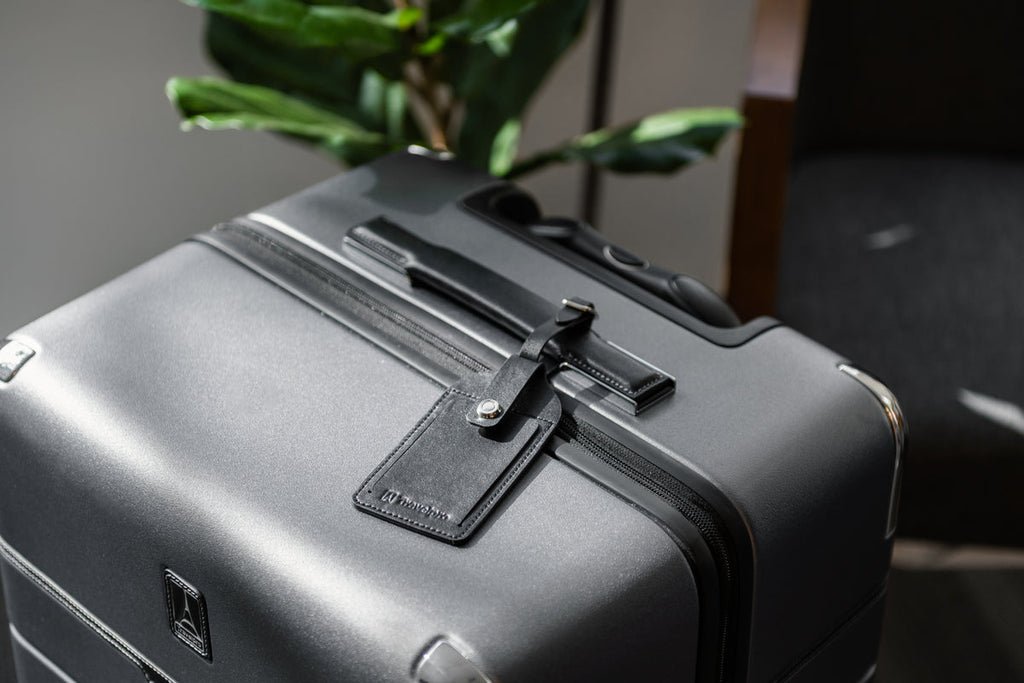
Attach the tag where it stays visible but safe. The handle or side strap works well. Avoid placing tags under luggage flaps or inside pockets. Tags in hidden spots are hard to see and may slow bag identification.
Make sure the tag hangs straight and does not get tangled. Use strong loops or straps to keep it secure. Check the tag often to ensure it has not loosened or fallen off during travel.
Customizing Tags For Easy Identification
Customizing your luggage tag is more than just adding your name and contact details. It’s about making your bag stand out in a sea of similar suitcases, so you can spot it quickly and avoid mix-ups. A well-customized tag saves time and stress, especially in busy airports or crowded baggage claims.
Colors And Designs
Choosing bright or unusual colors makes your luggage tag pop against typical black or dark-colored suitcases. Think about vibrant reds, blues, or even neon shades that catch your eye from a distance.
Patterns and designs also help. Stripes, polka dots, or geometric shapes create a visual cue that’s easy to remember. If you travel often, try matching your tag’s color scheme with your travel gear for a coordinated look.
Have you noticed how a simple splash of color can cut down the time you spend searching for your bag? That’s the practical magic of a well-chosen design.
Personal Symbols Or Labels
Adding a personal symbol—like a small sticker, monogram, or custom icon—makes your luggage tag uniquely yours. It could be a favorite animal, a travel-related icon, or even your initials styled in an interesting font.
These symbols act like visual shorthand, letting you recognize your bag instantly without reading any text. Plus, they add a touch of personality that plain tags often lack.
Have you tried using a symbol that means something special to you? It not only helps identify your luggage but also makes your travel experience feel more personal and enjoyable.

Credit: www.amazon.com
Using Digital Alternatives
Traditional luggage tags with your name and contact details have served travelers well for years. But today, digital alternatives offer smarter and safer ways to identify and track your bags. These modern tools give you more control and peace of mind while on the move.
Qr Codes And Nfc Tags
QR codes and NFC (Near Field Communication) tags are compact, tech-friendly options to link your luggage to your contact info without displaying it openly. You can print a QR code or embed an NFC chip into a tag, which others can scan or tap to access your details securely.
These digital tags let you share more than just your name and phone number. You could add emergency contacts, travel itinerary, or even a message like “Please contact me if found.” This way, you protect your privacy while making it easy for someone to reach you if your bag is lost.
Imagine you’re traveling internationally and don’t want strangers to see your home address on your luggage. A QR code or NFC tag lets you avoid that risk. Just make sure the linked information is clear and up-to-date.
Mobile Apps For Luggage Tracking
Several mobile apps now offer luggage tracking features that pair with digital tags or smart suitcases. These apps use GPS and Bluetooth to show your bag’s location right on your phone. This reduces the stress of wondering if your luggage made it to the same destination as you.
Apps like LugLoc, Tile, or AirTags by Apple can alert you if your luggage moves away from you or is opened. You control what data is shared and can update your contact info instantly through the app. This dynamic approach beats static paper tags every time.
Have you tried using a tracking app on your last trip? How did it change your travel experience? If not, it might be time to explore these options to keep your belongings safer and your mind clearer during your journey.
:max_bytes(150000):strip_icc()/tal-amazon-why-you-shouldnt-tie-a-ribbon-on-your-luggage-tout-0d119f858d70440cac7f731c9f842012-ab33b26ba60c48288ac86b4ac6fdd685.jpg)
Credit: www.travelandleisure.com
Frequently Asked Questions
What Information Should I Put On A Luggage Tag?
Include your full name, phone number, and email address. Adding your home address is optional for privacy. This ensures easy identification and contact if your luggage is lost or misplaced during travel.
Is It Safe To Put My Home Address On A Luggage Tag?
Putting your home address can pose privacy risks. Instead, use your phone number and email for contact. This keeps your home location private while still allowing airlines or finders to reach you quickly.
Can I Add Emergency Contact Details On A Luggage Tag?
Yes, adding an emergency contact can be helpful. Include a trusted person's phone number for quick communication. This provides an extra way for airlines or finders to return your luggage safely.
Should I Include My Destination Address On A Luggage Tag?
It’s not necessary to add your destination address. Your contact details are more important for identification. Avoid destination info to reduce confusion and protect your travel plans.
Conclusion
Choosing what to put on a luggage tag helps keep your bags safe. Include your name and phone number for easy contact. A home address is optional but can help if your bag is lost. Avoid sharing too much personal information.
Keep details clear and simple. This small step makes travel less stressful. Always check your tag before every trip. Smart packing includes smart tagging. Safe travels start with smart choices.