

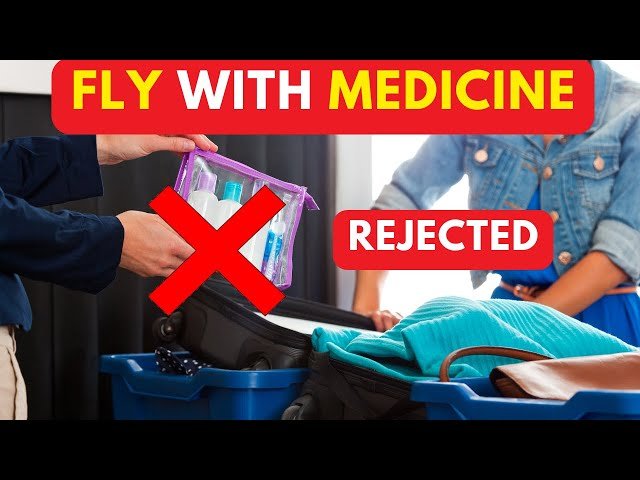
Packing for a trip can be a puzzle, especially when it comes to your medicine. You want to ensure it's safe, accessible, and ready to go when you need it.
But what happens when you need to pack it in your checked luggage? It might seem tricky, but don't worry—you're not alone in this. Many travelers face the same challenge. In this guide, you'll discover simple, effective strategies to pack your medicine securely in checked luggage.
Imagine the peace of mind you'll feel knowing your vital items are well-protected, allowing you to focus on enjoying your journey. Ready to unlock the secrets to stress-free packing? Let's dive in!
Packing Rules For Medicine
Packing medicine in your checked luggage requires careful attention to several important rules. These rules help ensure your medication stays safe, accessible, and complies with travel regulations. Knowing what to expect can save you from unexpected hassles at the airport or customs.
Airline Policies On Medications
Each airline has its own rules about carrying medicine, especially in checked bags. Some airlines recommend keeping essential medications in your carry-on to avoid loss or temperature issues. Others allow larger quantities in checked luggage but may require clear labeling and original packaging.
Check your airline's website before packing. You might need to notify them in advance if you’re carrying special medical items like liquid medicines or injectable drugs. Have you ever faced delays because your medication wasn’t properly declared? Avoid that by confirming policies early.
Customs Regulations
Customs rules vary widely by country and can affect what medicines you can bring in your checked luggage. Some countries restrict certain drugs or require specific documentation. It’s crucial to research the destination’s customs website to understand what’s allowed.
Bringing prescription drugs without proper paperwork can lead to confiscation or legal trouble. Are you prepared with clear, translated labels and prescriptions? Carrying a doctor’s note or a translated medical summary can help you navigate customs smoothly.
Prescription Requirements
Most countries require a valid prescription for carrying medication, especially controlled substances. Pack a copy of your prescription along with the original packaging. This proves that your medicine is for personal use and legally obtained.
Remember to keep prescriptions updated and consistent with the medication you carry. If your medicine dosage or name differs from the prescription, it can raise red flags. Have you checked if your prescription meets the rules of your travel destination?
Choosing The Right Containers
Choosing the right containers for packing medicine in checked luggage protects your health and ensures easy access. Proper containers keep medicines safe from damage, moisture, and temperature changes. They also help prevent spills and mix-ups during travel.
Picking containers that fit the type and amount of medicine is important. Some medicines need to stay in their original packaging. Others may be better in pill organizers or special travel cases. Clear labeling adds extra security and clarity.
Original Packaging Benefits
Original medicine packaging holds vital information like the drug name and dosage. It shows expiration dates and manufacturer details. This packaging is often childproof and sealed tightly.
Keeping medicines in their original containers helps avoid confusion at airport security. It also proves the medicine is prescribed and safe to carry. This packaging protects pills from moisture and light damage.
Using Pill Organizers
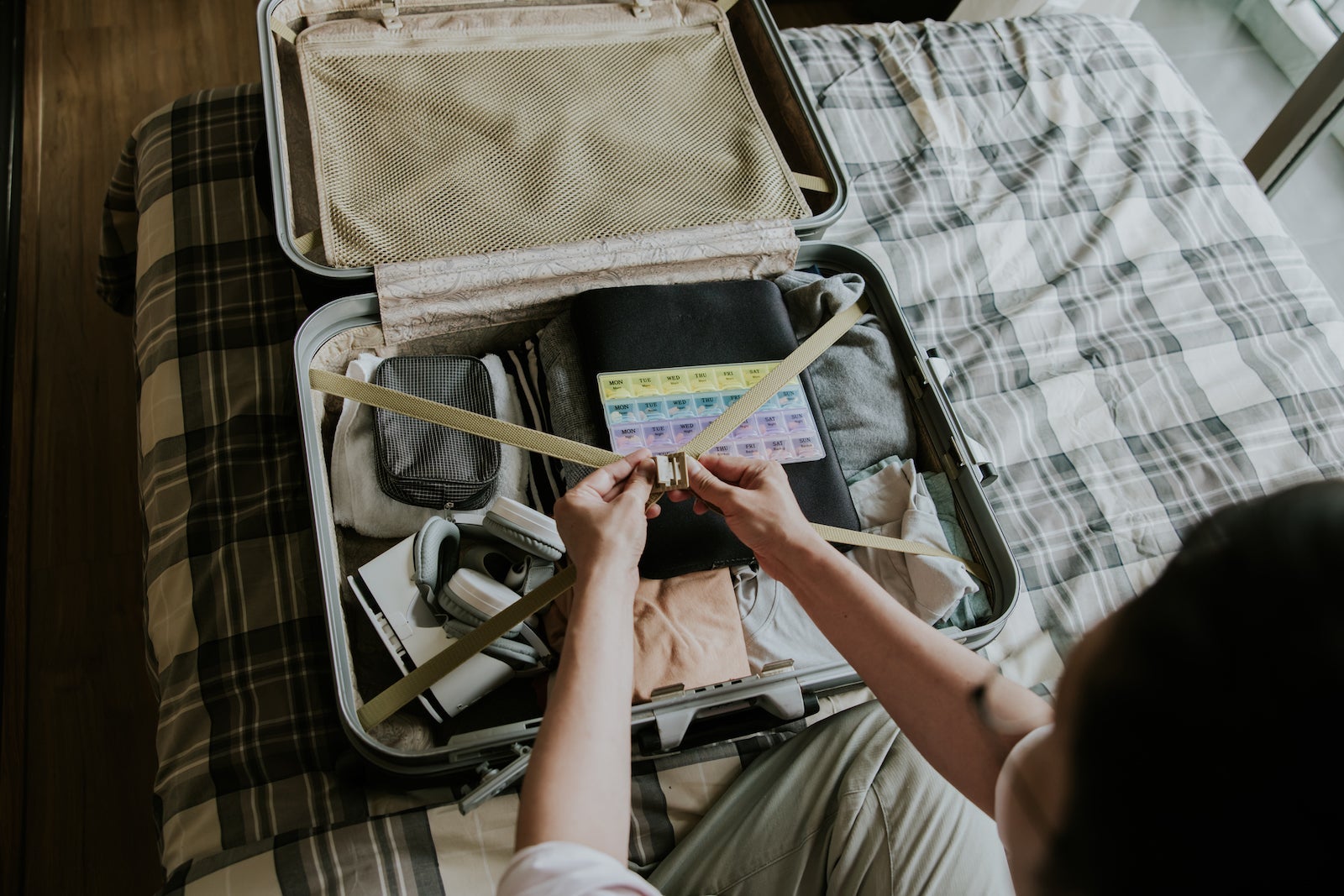
Pill organizers separate daily doses into compartments. They are compact and easy to pack inside checked bags. Organizers reduce the risk of missing doses while traveling.
Choose pill organizers that close firmly to prevent spills. Some have waterproof seals for extra protection. Use them only for medicines that do not require original packaging.
Labeling Tips
Label each container clearly with the medicine name and dosage instructions. Use a permanent marker or printed labels that won’t rub off. Include your name and emergency contact on the label.
For pill organizers, add a small note with prescription details inside the luggage. Proper labeling helps airport officials and medical staff identify medicines quickly. It also prevents mix-ups during your trip.
Protecting Medicine During Travel
Protecting your medicine during travel is crucial to ensure it remains effective and safe to use. Medicines are sensitive to various conditions, especially when packed in checked luggage where control over the environment is limited. Taking simple steps to shield your medications can save you from health risks and wasted expenses.
Temperature Control
Medicines often need to stay within a certain temperature range. Extreme heat or cold can reduce their potency or even make them unsafe.
Use insulated bags or small coolers with ice packs to keep temperature-sensitive medicines stable. Just avoid direct contact with ice to prevent freezing.
Have you checked if your medication requires refrigeration? If yes, pack it accordingly and inform the airline about your needs.
Preventing Damage
Medicines in glass bottles or blister packs can easily break or get crushed in checked luggage.
Wrap bottles with bubble wrap or place them in hard cases. Keep pills in their original packaging to protect labels and dosage instructions.
Think about placing your medicine kit in the center of your suitcase, surrounded by clothes for extra cushioning.
Avoiding Moisture
Moisture can cause tablets to dissolve or capsules to stick together, ruining your medication.
Seal your medicine in waterproof bags or airtight containers. Adding a silica gel packet inside can help absorb excess moisture.
Remember, checked luggage can face humidity changes during flights. Keeping medicines dry is essential to maintain their quality.
Organizing Medicine In Checked Bags
Organizing medicine in checked bags requires care and planning. Medicines can be fragile and need protection from damage or contamination. Keeping them separate and secure helps avoid spills and confusion. It also ensures you can find what you need quickly after arrival.
Separating From Other Items
Keep medicines away from clothes and toiletries. This prevents leaks from mixing with other belongings. Use a dedicated pouch or small box for your medicine. It helps prevent damage and keeps everything in one place. Separate pills, liquids, and creams to avoid spills. Clear separation reduces the risk of losing important medication.
Using Sealable Bags
Place all medicines in sealable plastic bags. These bags protect medicines from moisture and dirt. They also stop any leaks from spreading inside the bag. Label each bag with the medicine name and dosage. This helps identify medicines without opening the bags. Using multiple bags also makes customs checks easier.
Accessibility Considerations
Pack essential medicines where you can reach them easily. Even in checked bags, you may need urgent access. Keep a list of your medicines in your carry-on as a backup. Inform travel staff if you carry special medical supplies. Clear labeling helps airport security understand your needs. Plan for quick access to avoid delays or problems.
Handling Special Medications
Handling special medications in your checked luggage requires extra care and attention. These medicines often have unique storage needs or legal restrictions that can complicate your travel plans. Understanding how to pack them correctly helps avoid delays, damage, or confiscation at security checks.
Liquid Medicines
Liquid medicines can be tricky to pack because of airline liquid restrictions and potential leaks. Always keep them in their original bottles with clear labels to avoid confusion. Seal the bottles in airtight plastic bags to prevent spills that could ruin your clothes or other items.
Consider packing extra doses in case of travel delays. Did you know that some airlines allow medically necessary liquids exceeding the usual limits if you declare them at security? Always carry a doctor’s note or prescription to smooth the process.
Injectable Drugs
Injectable drugs often need refrigeration and careful handling, which makes packing them in checked luggage challenging. Use insulated bags with ice packs designed for travel to maintain the right temperature. Double-check the airline’s policy regarding sharps and needles to avoid surprises at security.
Label your injectables clearly and keep a copy of your prescription handy. Have you ever faced issues with carrying injectables? Preparing documentation and proper storage can save you from unexpected hassles.
Controlled Substances
Packing controlled substances requires strict adherence to legal guidelines. Always carry a valid prescription and keep the medication in its original packaging with your name on it. Inform the airline in advance if needed, as some substances might require special permission.
Be aware of the regulations in your departure and arrival countries. Some medications legal in one country may be banned in another, which could cause serious trouble. How confident are you that your medication complies with all travel laws?
Preparing For Security Checks
Preparing for security checks is crucial when packing medicine in checked luggage. Security officers need to verify your medications quickly and clearly. Proper preparation helps avoid delays and stress at the airport. Keep your medicines accessible and organized for smooth inspection.
Declaring Medications
Always declare your medications at security checkpoints. Place them in original packaging with labels visible. Inform security staff about any special medicines or supplies. Being upfront prevents confusion and speeds up the process. It also helps comply with airport and airline rules.
Carrying Documentation
Carry a doctor’s note or prescription for all essential medicines. This document explains your medical needs clearly. Include the generic and brand names of your drugs. Keep paperwork in your hand luggage for easy access. Documentation proves your medicines are legitimate and necessary.
Dealing With Lost Or Delayed Luggage
Pack a small supply of critical medicines in your carry-on bag. This protects you if your checked luggage is lost or delayed. Note down pharmacy contact details and your doctor’s phone number. Know nearby pharmacies at your destination for emergencies. Being prepared ensures your health stays protected.
Alternative Options To Checked Luggage
Not everyone feels comfortable packing their medicines in checked luggage. What if your bag gets lost or delayed? There are smart alternatives that keep your essential medications within easy reach and reduce the risk of losing them.
Carrying Medicines In Hand Luggage
Keeping your medicines in your hand luggage is one of the safest choices. It lets you access your pills or injections whenever you need them during the trip.
Make sure to carry the original prescription bottles or packaging. This helps avoid confusion with security officers and prevents issues at checkpoints.
Consider packing a small, clear, resealable plastic bag for your medicines. It keeps everything organized and makes the security screening process smoother.
Have you ever faced delays during travel? Carrying medicines with you means you won’t be left without critical doses if your checked bag is missing.
Shipping Medications Separately
If you want to avoid carrying medicines altogether, shipping them separately can be a good option. This works well if you have time before your trip and want to minimize what you carry.
Use a reliable courier service that offers tracking and timely delivery. Label your package clearly, including your contact details and any necessary medical information.
Check the rules for shipping medications to your destination, as some countries have restrictions or require permits. Planning ahead can save you from last-minute hassles.
Think about how much peace of mind you’d have knowing your medicines are safely waiting for you at your destination, rather than lost in transit.
Frequently Asked Questions
Can I Pack Liquid Medicine In Checked Luggage?
Yes, you can pack liquid medicine in checked luggage. Ensure it is in its original container with a clear label. Secure the bottle to prevent leaks and place it in a sealed plastic bag for extra protection.
Should I Carry Prescription Medicines In Checked Baggage?
It is safer to carry prescription medicines in your carry-on. However, if packed in checked luggage, keep the prescription and doctor's note handy. This helps during security checks and proves the medicine is for personal use.
How To Protect Medicines From Damage In Checked Luggage?
Wrap medicines in bubble wrap or place them in a hard case. Avoid packing them near heavy items to prevent crushing. Use a sealed plastic bag to protect from moisture and spills.
Are There Restrictions On Packing Medicines In Checked Luggage?
Most airlines allow medicines in checked luggage, but some have quantity limits. Check airline policies before packing. Always declare medicines at security checkpoints to avoid issues.
Conclusion
Packing medicine in checked luggage needs careful planning. Always keep medicines in their original containers. Label them clearly to avoid confusion. Place them in a waterproof bag to protect from spills. Carry a doctor’s note or prescription for important medicines.
Check airline rules before packing to avoid problems. With these tips, your medicines stay safe during travel. Peace of mind makes your trip easier and stress-free. Safe travels!