
Have you ever walked through your garden or backyard and noticed something peculiar hanging from the branches of your trees? If you have, you might have stumbled upon bagworms.
These sneaky little creatures can disguise themselves so well that they often go unnoticed until it's too late. But what exactly do bagworms look like, and why should you care? Understanding their appearance is crucial for protecting your beloved plants from potential damage.
In this guide, you'll discover how to identify bagworms and learn why spotting them early can save your garden from a hidden threat. Stick around, because once you know what to look for, you'll never see your garden the same way again.
Bag Worm Appearance
Bag worms have a unique and easily recognizable look. Their appearance revolves around the protective cases they build. These cases help them blend with the environment and shield them from predators. Understanding their appearance helps in identifying and managing them effectively.
Distinctive Bag Structure
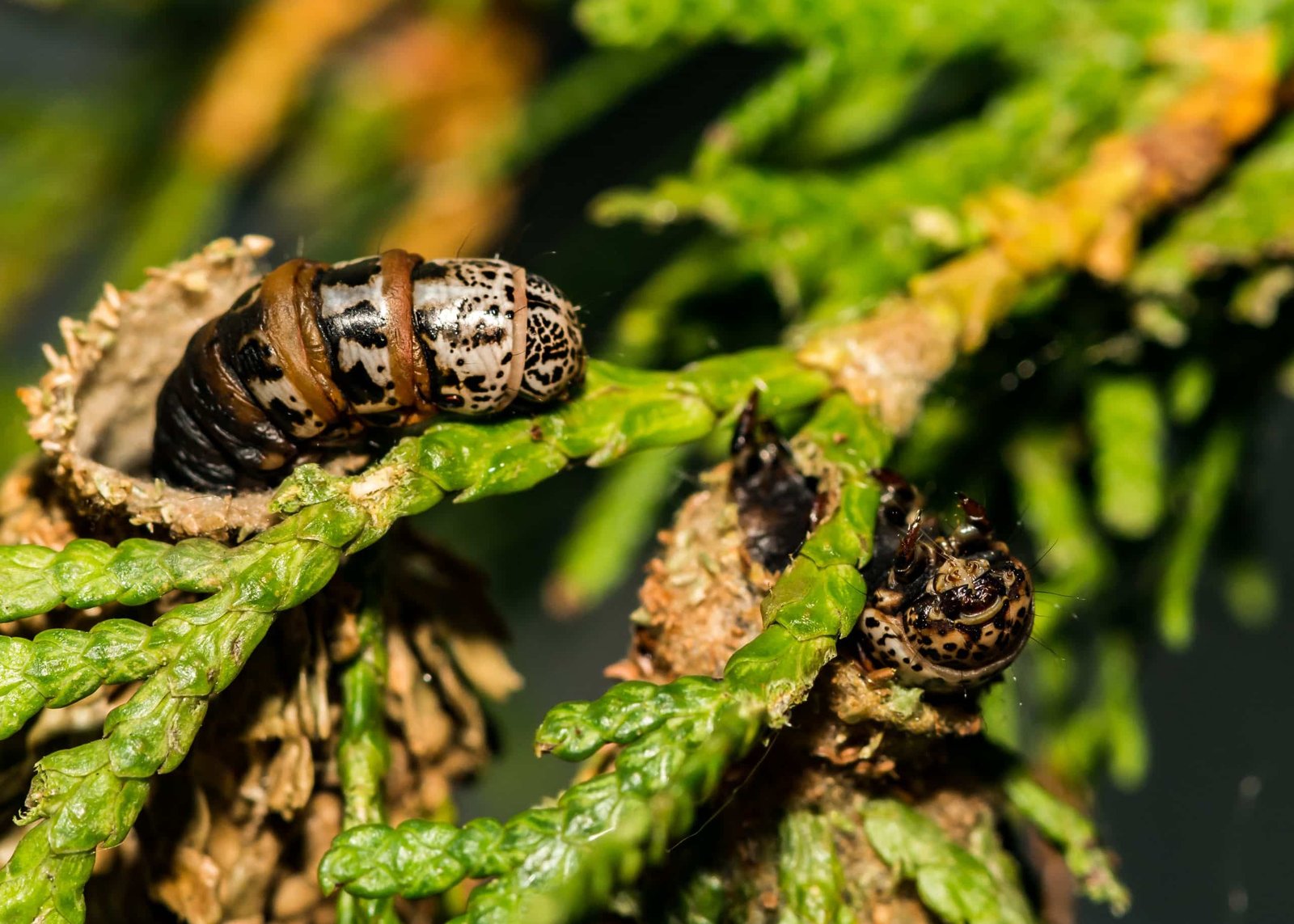
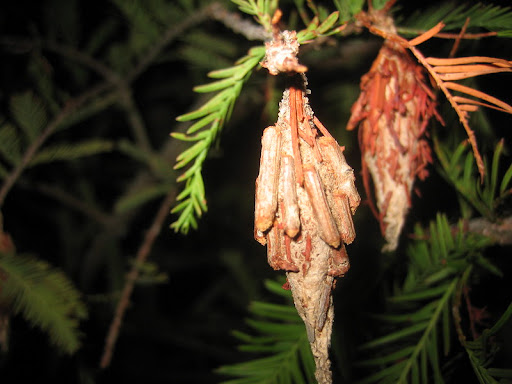
Bag worms create small, tubular bags from silk and plant material. These bags hang from tree branches or shrubs. They look like tiny, brownish or greenish cocoons. The bags are covered with bits of leaves, twigs, and other debris. This camouflage helps bag worms stay hidden. The bag size grows as the worm inside grows. The bag has an opening at one end for the worm to stick out and feed.
Size And Color Variations
Bag worm bags vary in size, usually between 1 to 2 inches long. Colors depend on the materials used. Some bags look green if fresh leaves are used. Others appear brown or gray when made from dry twigs or dead leaves. The color changes over time as the bag weathers. These color variations help the bag worm blend into different plants and trees.
Larvae Vs Adult Look
Larvae live inside the bag and are soft-bodied and small. They are pale, often whitish or light brown. Larvae move out of the bag only to eat. Adult males and females look very different. Males develop wings and leave the bag to mate. They look like small moths with furry bodies and wings. Females stay inside the bag and look worm-like. They do not have wings and rarely leave the bag.
Common Signs Of Infestation
Detecting bag worm infestations early helps protect your plants. Certain signs show their presence clearly. These signs can guide you to act fast and save your greenery.
Damaged Leaves And Branches
Leaves may appear chewed or skeletonized. Branches might look bare or weakened. The damage usually starts on the outer parts of trees and shrubs. Look for irregular holes and missing leaf parts. These are strong clues of bag worm feeding.
Presence Of Silk Bags
Bag worms create small, protective silk bags. These bags hang from branches and twigs. They often blend with the plant but look like tiny, brownish cases. Inside, the worm stays safe while feeding. Spotting these bags is a clear infestation sign.
Timing Of Visible Signs
Signs usually appear in late spring or early summer. This timing matches the larvae’s active feeding period. Early detection during this stage helps control the population. Watch your plants closely during these months for any unusual changes.
Where To Find Bag Worms
Bag worms often hide in specific parts of plants and trees. Knowing where to find them helps with early detection and control. These pests build protective bags from leaves, twigs, and silk. They attach these bags to their favorite host plants. Their presence can harm the plants by feeding on leaves and branches.
Preferred Host Plants
Bag worms favor many types of trees and shrubs. Common hosts include:
- Evergreens like cedar, pine, and spruce
- Deciduous trees such as maple, oak, and elm
- Fruit trees including apple and cherry
- Ornamental shrubs like juniper and arborvitae
They choose these plants because of the easy access to leaves and twigs.
Typical Locations On Trees
Bag worms attach their cases to branches and twigs. They often appear:
- Along the outer branches
- Near leaf clusters
- On tree trunks, especially in rough bark areas
- Underneath leaves or needles
Look closely at these spots to spot small, silken bags hanging or stuck.
Seasonal Habitats
Bag worms change locations with the seasons. In spring and summer, they feed openly on leaves. In fall, their bags become more noticeable as leaves drop. During winter, bags stay on trees, protecting the larvae inside. These bags remain until spring, when larvae emerge to start feeding again.

Credit: www.cbc.ca
Expert Identification Tips
Identifying bag worms accurately helps control them effectively. These pests build small, protective bags from leaves and twigs. Knowing what to look for ensures early detection and treatment. Experts use specific tools and observations to distinguish bag worms from other pests. Here are key tips to spot bag worms with confidence.
Using Magnification Tools
Magnification tools reveal detailed features of bag worms. A simple hand lens or magnifying glass works well. Look closely at the bag’s texture and shape. Notice the tiny larvae inside, which are often hard to see. Clear views help confirm the worm’s presence and stage. Use natural light to avoid glare and see better.
Comparing With Similar Pests
Bag worms resemble other insects but have unique traits. Their silk bags are irregular and camouflaged with plant parts. Unlike caterpillars, bag worms carry their cases everywhere. Other pests may leave visible holes or webs but no portable bags. Compare size, color, and movement to tell them apart. This avoids confusion and ensures correct treatment.
Monitoring Growth Stages
Bag worms change as they grow. Early stages have small, soft bags. Older larvae make larger, tougher cases with more plant material. Watch for these changes over days or weeks. Track the bags’ size and appearance on trees or shrubs. Understanding growth helps time control measures for best results.
Preventing Bag Worm Damage
Preventing bag worm damage is crucial to keeping your trees and shrubs healthy. These pests can quickly harm your greenery if left unchecked. Understanding how to spot and manage them early can save you time and effort later.
Early Detection Methods
Check your plants regularly, especially in late spring and early summer. Look for small, spindle-shaped bags hanging from branches—these are clear signs of bag worms. Also, inspect for thinning foliage or bare spots, which indicate feeding damage.
Use a flashlight at dusk to spot active larvae moving outside their bags. The sooner you detect bag worms, the easier it is to control their population before they cause serious harm.
Physical Removal Techniques
Pull off bag worm cases by hand whenever you see them. This is most effective in late fall or early winter when the bags contain eggs. Dispose of the bags in a sealed bag or burn them to prevent hatching.
If your plants have many bags, use pruning shears to cut off infested branches. This limits the spread and protects the rest of your garden. Remember, removing bags physically reduces the need for chemical treatments.
Natural Predators And Control
Invite beneficial insects like parasitic wasps and birds that feed on bag worms to your garden. Planting diverse flowers and shrubs can attract these natural predators. Avoid broad-spectrum insecticides that kill helpful insects along with pests.
Consider using Bacillus thuringiensis (Bt), a natural bacteria that targets bag worm larvae without harming other wildlife. This method works best when larvae are young and actively feeding. How can you balance pest control with supporting your garden’s ecosystem?

Credit: www.canr.msu.edu
Credit: treenewal.com
Frequently Asked Questions
What Do Bag Worms Look Like On Trees?
Bag worms appear as small, spindle-shaped cases hanging from branches. These cases are made of silk and plant material, blending with tree bark and leaves. Inside, larvae feed on foliage, causing damage. The bags vary in color from brown to green, depending on their stage and surrounding environment.
How Can You Identify Bag Worm Larvae?
Bag worm larvae are tiny, caterpillar-like insects with a soft, segmented body. They live inside protective silk bags covered with twigs and leaves. Larvae emerge from these bags to feed on nearby foliage. Their movement is slow, and they rarely leave their bags, making early detection challenging.
Are Bag Worm Cases Harmful To Plants?
Yes, bag worm cases indicate infestation, which harms plants. Larvae feed on leaves, causing defoliation and reduced photosynthesis. Severe infestations can weaken or kill trees and shrubs. Early removal of bags and larvae helps protect plant health and prevents extensive damage.
When Do Bag Worms Appear During The Year?
Bag worms typically appear in late spring and remain active through summer. Larvae hatch in early spring and start feeding immediately. By late summer, they mature inside bags. In fall, mature females lay eggs inside the cases before dying. Understanding their life cycle aids in timely control.
Conclusion
Bag worms build small, protective cases on trees and plants. They look like tiny, brown bags hanging from branches. Inside, the worms hide and feed on leaves. These bags are made from silk and plant materials. Spotting bag worms early helps protect your garden.
Remove the bags carefully to stop damage. Watch trees regularly for these signs. Knowing what bag worms look like keeps plants healthy. Stay alert and act quickly to control them. Your plants will thank you for the care.