

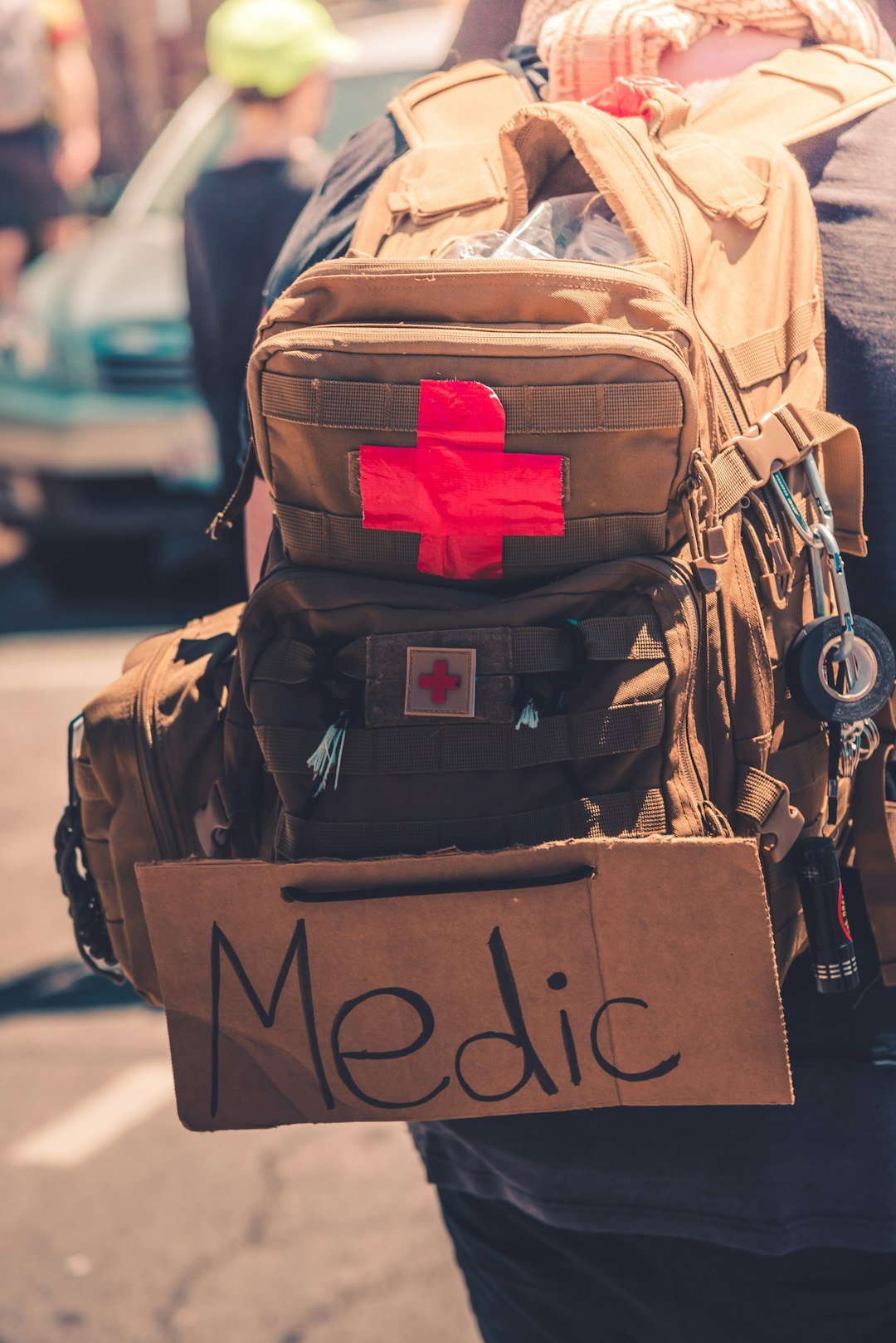
Have you ever packed for a trip and wondered whether your medical equipment counts as a carry-on? You’re not alone.
Many travelers face this dilemma when preparing for a flight, unsure of the rules and regulations surrounding their essential medical gear. This uncertainty can lead to stress and confusion, especially when you’re already dealing with health concerns. Imagine the peace of mind you’d have knowing exactly how to navigate airport security with your medical items seamlessly.
We’ll uncover the ins and outs of flying with medical equipment, ensuring you travel with confidence and ease. Stay with us as we explore the essentials that will make your journey smoother and more comfortable.

Carry On Rules For Medical Equipment
Traveling with medical equipment can feel overwhelming, especially when you're unsure if your devices qualify as carry-on items. Knowing the rules about carrying medical equipment on board can save you stress and prevent delays at security checkpoints. Let’s break down what you need to know about carrying medical devices with you.
Types Of Allowed Medical Devices
Not all medical equipment is treated the same by airlines and security. Commonly allowed devices include:
- Portable oxygen concentrators
- CPAP machines
- Insulin pumps
- Wheelchairs and mobility aids
- Portable nebulizers
Each airline may have specific policies, so check ahead. Have you ever been surprised by what was or wasn’t allowed? Knowing this beforehand helps you pack smarter and travel smoother.
Size And Weight Restrictions
Medical equipment often gets an exemption from standard carry-on size and weight limits, but there are still boundaries. Most airlines allow devices that are reasonably sized to fit in the cabin without causing obstruction.
If your device is bulky, consider how it will fit in the overhead bin or under the seat. Can your equipment be safely stowed during the flight? Plan ahead by measuring your device and consulting the airline’s specific guidelines.
Documentation Requirements
Security and airline staff may ask for documentation to verify your medical device. This often includes:
- A letter from your doctor explaining the need for the equipment
- Prescriptions or medical device identification cards
- Proof that your device meets safety standards, especially for batteries
Carrying the right paperwork can prevent delays. Have you ever faced questions at security that could have been avoided with a simple doctor’s note? Keep your documents handy and organized for quick access.
Security Screening For Medical Equipment
Security screening for medical equipment can feel overwhelming, especially if you’re unsure about the rules. Knowing how to prepare and what to expect can make the process smoother and less stressful. Your medical devices are essential, and understanding TSA procedures helps protect them while keeping you compliant.
Preparing For Tsa Checks
Before your trip, label all medical equipment clearly with your name and doctor’s contact information. Carry a doctor’s note or prescription explaining the necessity of the device. This can save time and confusion during security checks.
Arrive early at the airport to allow extra time for screening. Inform TSA officers about your medical devices as soon as you reach the checkpoint. This heads-up helps them handle your equipment carefully and efficiently.
Handling Electronic Devices
Medical equipment with batteries or electronic components, like CPAP machines or glucose monitors, usually requires separate screening. You’ll be asked to remove these devices from your bag and place them in a bin for X-ray screening.
Protect delicate parts by placing them in a padded case. If your device cannot be taken apart, notify the TSA officer to avoid damage during inspection. Have spare batteries in your carry-on, but remember that TSA has limits on lithium battery sizes.
Dealing With Liquids And Medications
Liquids like saline solutions or liquid medications related to your medical equipment often exceed the standard 3.4-ounce limit. TSA allows larger quantities if you declare them upfront and present proper documentation.
Keep medications and related liquids in original containers with clear labels. Pack them separately to ease the inspection process. Ask yourself, are you ready to explain why these liquids are essential? Being prepared can prevent unnecessary delays.
Packing Tips For Medical Devices
Packing medical devices for travel requires extra care to keep them safe and accessible. Your devices are essential, so protecting them during transit is a priority. Thoughtful packing can prevent damage and ease your experience through security checks.
Protective Cases And Packaging
Choose sturdy, shock-absorbent cases designed specifically for your medical equipment. Hard-shell cases offer excellent protection against bumps and drops. Soft cases with padded compartments can also work if they fit snugly around your device.
Consider wrapping delicate parts in bubble wrap or foam sleeves for added cushioning. If your device has removable parts, pack them separately to avoid stress on connectors. Have you checked if your device manufacturer offers a travel case? It might be the best fit for your equipment.
Organizing Accessories And Supplies
Keep all related accessories like chargers, batteries, and replacement parts together in a clear, zippered pouch. This helps you avoid last-minute scrambling when you need something fast. Grouping supplies by function or frequency of use can save time during security checks and daily use.
Make a checklist of all essential items before packing. This way, you won’t forget important supplies like tubing or medication related to your device. How often do you find yourself digging through bags looking for a small but crucial part? Organization stops that hassle.
Labeling And Contact Information
Label your medical equipment and accessories clearly with your name and contact details. Use waterproof labels or permanent markers to ensure the information stays visible. This step is crucial if your device gets misplaced during your journey.
Adding a note that explains the device’s purpose can be helpful for TSA officers and airline staff. Have you ever had to explain your equipment repeatedly? A simple, clear label can speed up security screening and reduce stress.
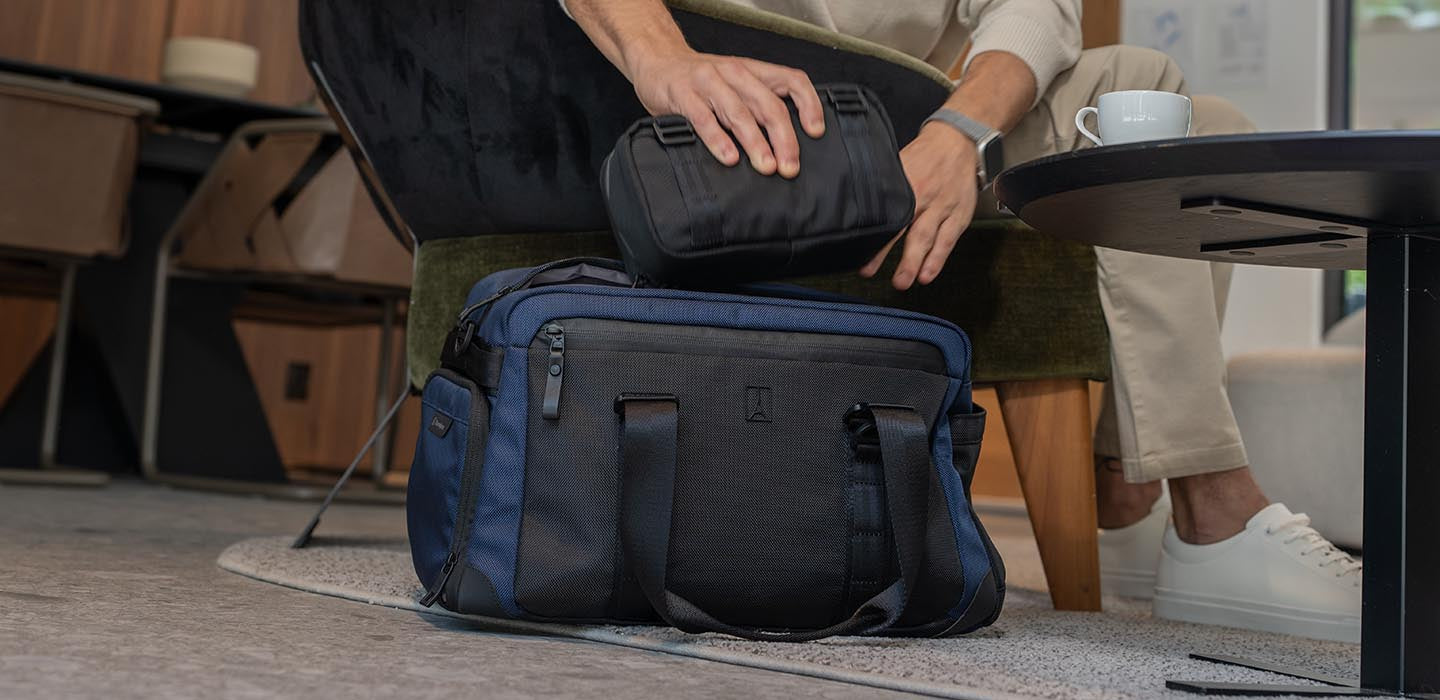
Airline Policies And Medical Equipment
Understanding airline policies around medical equipment is crucial if you rely on devices during travel. Not all medical equipment automatically qualifies as carry-on luggage, and rules can vary significantly between airlines. Knowing what to expect helps you avoid surprises at the airport and ensures your medical needs are met without hassle.
Notifying Airlines In Advance
Informing the airline about your medical equipment before your flight can save you a lot of stress. Many airlines require advance notice to accommodate special devices like oxygen tanks or CPAP machines. This heads-up allows them to make arrangements, such as seating assignments or storage options, tailored to your needs.
Have you ever faced delays or confusion at the gate because you didn’t mention your equipment? A quick call or email to the airline can prevent that. It also gives you a chance to ask about specific documentation or packaging requirements.
Special Assistance Services
Airlines often offer special assistance services for passengers with medical equipment. These services might include help with boarding, carrying your device, or even using airport lounges designed for comfort and privacy. Taking advantage of these can make your travel experience much smoother.
Remember, requesting assistance is your right and can enhance your journey. Sometimes, just knowing someone is ready to help can ease the anxiety of flying with medical gear.
Fees And Additional Charges
One common concern is whether carrying medical equipment will cost extra. Many airlines waive fees for essential medical devices, but policies differ widely. It’s important to check the airline’s rules so you’re not caught off guard by unexpected charges.
Keep in mind that some items might require special handling, which could incur fees. Being clear about what your equipment is and how it’s used can help airline staff make the right decisions about any charges.
Traveling With Oxygen And Mobility Aids
Traveling with oxygen and mobility aids requires special attention. Airlines have clear rules for carrying medical equipment. Knowing these helps avoid stress at the airport. It also ensures comfort throughout the trip.
Portable Oxygen Concentrators
Portable oxygen concentrators (POCs) are allowed as carry-on items. Airlines require approval before travel. Passengers must inform the airline in advance. POCs must be FAA-approved for air travel. They should have enough battery power for the flight. Airlines may request a doctor’s note or medical certificate. Using a POC allows oxygen therapy on board. Always carry extra batteries and chargers.
Wheelchairs And Scooters
Wheelchairs and mobility scooters can be brought on flights. Most airlines allow wheelchairs as carry-on or gate-checked items. Scooters are usually checked as luggage due to size. Inform the airline about mobility aids before booking. Arrive early to get assistance during boarding. Airport staff can help with storage and handling. Label the equipment with your name and contact details.
Battery And Power Considerations
Medical equipment often uses lithium batteries. Airlines limit battery size and quantity on flights. Remove batteries from devices if possible. Carry batteries in carry-on luggage, not checked bags. Cover battery terminals to prevent short circuits. Check airline rules for spare batteries. Bring chargers and power adapters for use at the destination. Proper battery management ensures safe and smooth travel.
International Travel Considerations
International travel with medical equipment requires careful planning and awareness. Different countries have rules about what you can bring on board. These rules affect carrying medical devices and supplies. Knowing these details helps avoid delays and problems at airports. Prepare your documents and understand the laws before you travel abroad.
Customs Regulations
Customs officers check medical equipment at borders. They want to ensure safety and legal compliance. Some devices may need special permits or declarations. Carry a doctor’s note explaining your equipment and its use. Keep original packaging and manuals ready for inspection. Declare all items honestly to avoid fines or confiscation.
Country-specific Rules
Each country has unique laws about medical devices. Some restrict batteries or liquids in carry-ons. Others may limit certain medicines or instruments. Research the destination’s rules before packing. Contact the embassy or health authority for clear guidelines. Follow airline policies on carrying medical devices on board.
Insurance And Emergency Contacts
Travel insurance should cover your medical equipment. Check if your policy includes loss or damage protection. Keep a list of emergency contacts for medical help abroad. Include your doctor, equipment supplier, and local hospitals. Store these contacts in your phone and on paper. This preparation ensures quick support if problems arise.
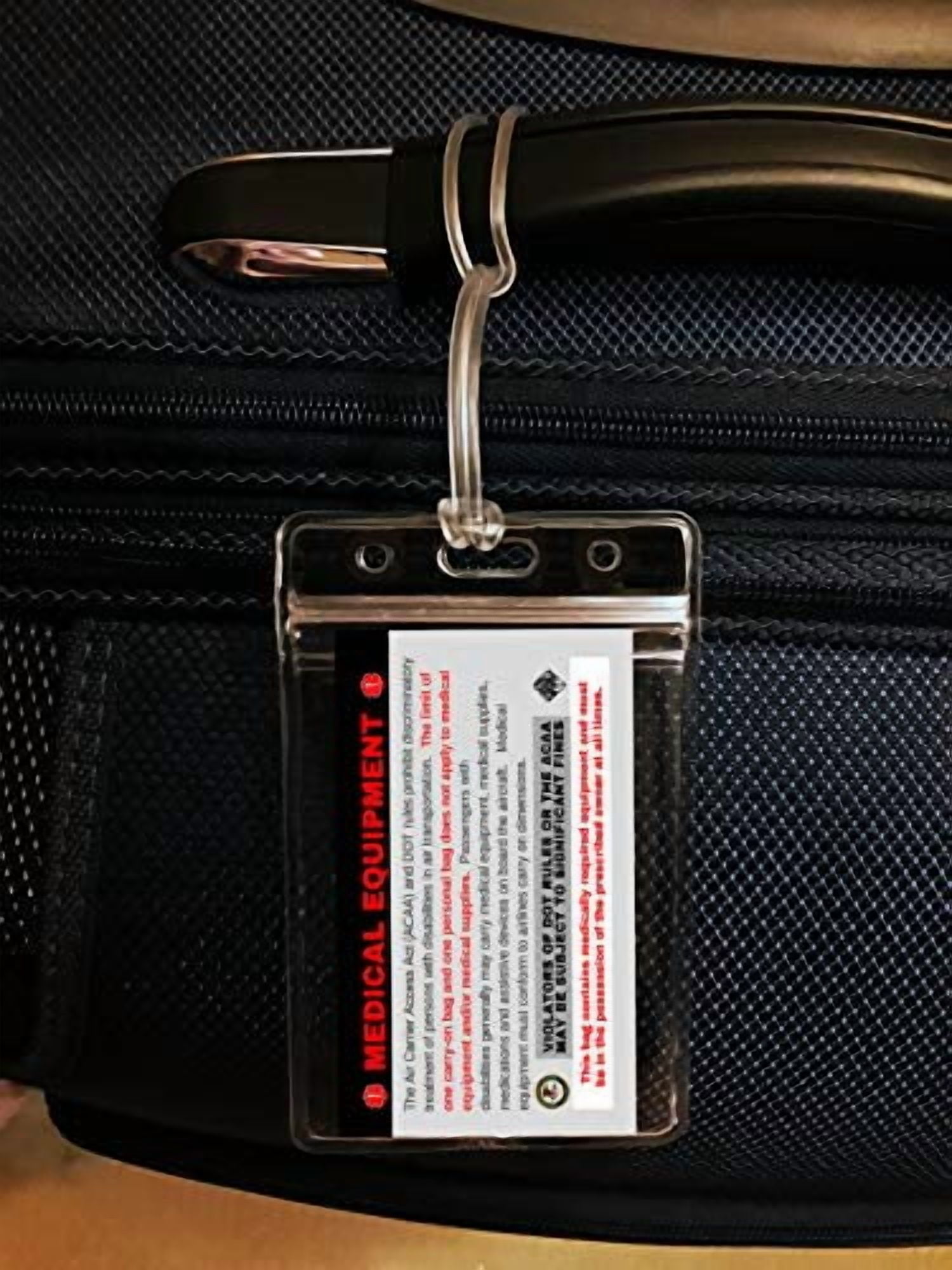
Frequently Asked Questions
Are Medical Devices Allowed As Carry-on Luggage?
Yes, most medical devices are allowed as carry-on items. Airlines and TSA typically permit essential medical equipment onboard. Always inform security officers and carry supporting medical documentation for smooth screening.
Can I Bring Oxygen Tanks As Carry-on?
Portable oxygen tanks are generally allowed as carry-on with airline approval. You must notify the airline in advance and follow their specific guidelines for safe transport.
Do Medical Supplies Require Special Tsa Screening?
Yes, medical supplies undergo separate TSA screening. Inform officers about your equipment, and it may be inspected by hand to ensure safety without damage.
Are Cpap Machines Considered Carry-on Or Checked Luggage?
CPAP machines are recommended as carry-on to avoid damage. Carrying them onboard ensures you have access during the flight and protects sensitive equipment.
Conclusion
Medical equipment rules for carry-ons vary by airline and airport. Always check with your airline before you travel. Pack your equipment carefully to avoid damage or delays. Keep necessary documents or prescriptions handy for security checks. Following these steps helps your trip go smoothly.
Stay informed to keep your medical devices safe and accessible. Traveling with medical equipment doesn’t have to be stressful. Plan ahead and enjoy your journey with peace of mind.