
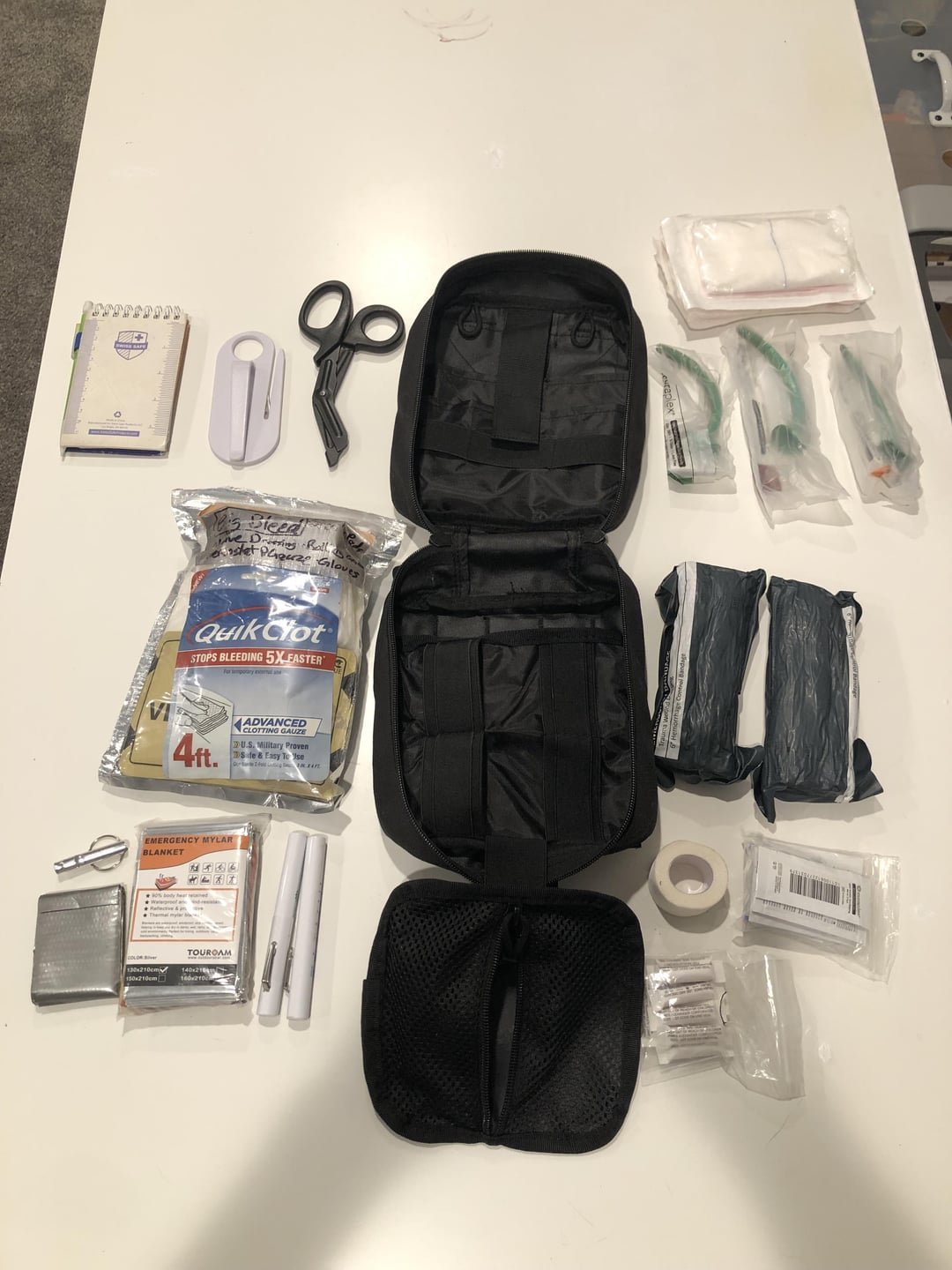
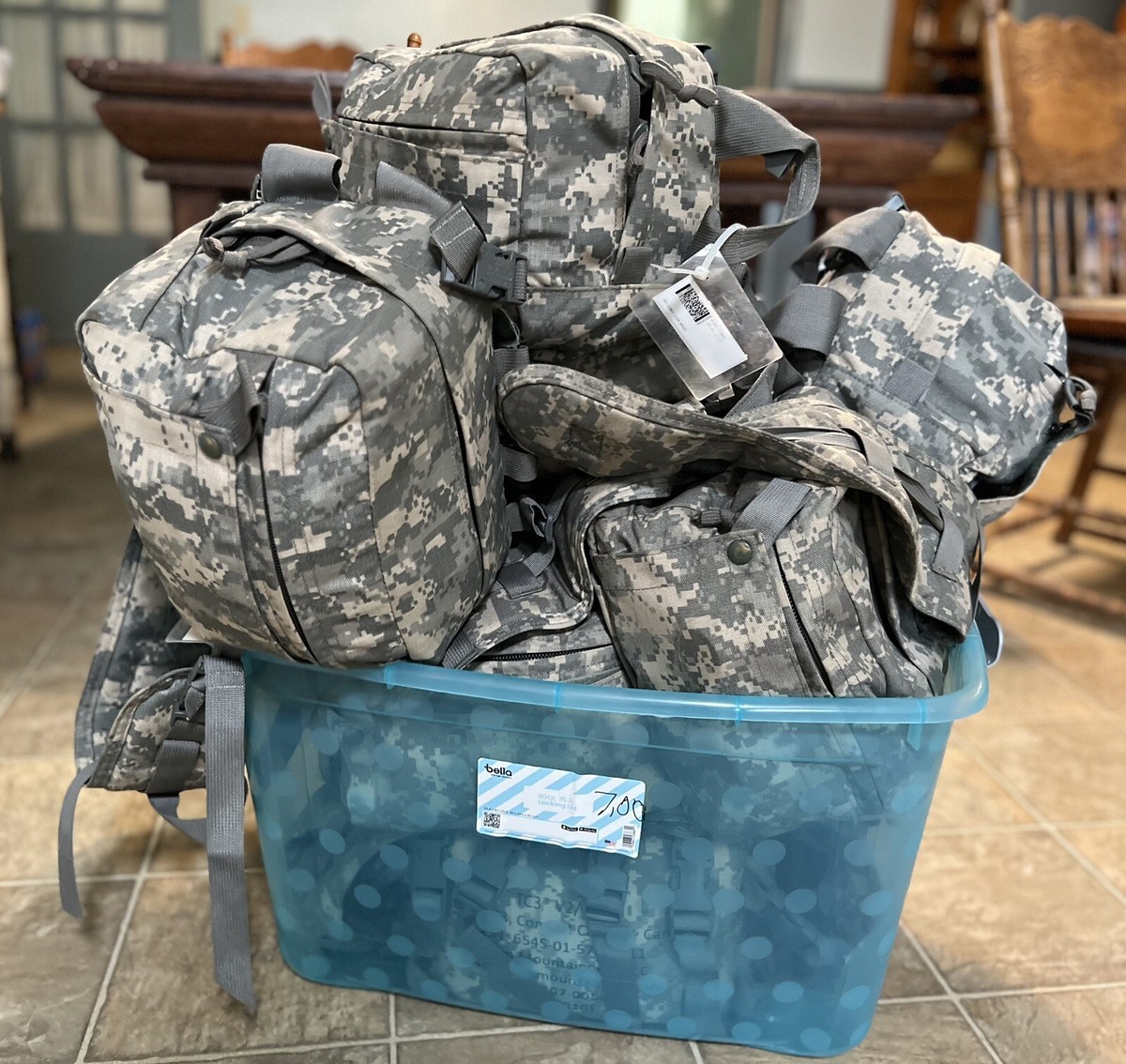
When you hear about a CLS bag, you might wonder what's inside these essential kits. Whether you're a medical professional, a first responder, or just curious, knowing the contents of a CLS (Combat Life Saver) bag can be crucial.
This kit is your lifeline in emergency situations, packed with supplies that can make all the difference. Imagine having the confidence to face unexpected scenarios, fully prepared with the right tools. This blog will walk you through the essential supplies often found in a CLS bag, ensuring you're well-informed and ready for anything.
Stay with us as we uncover the secrets of this life-saving kit and empower you with the knowledge you need.
Basic Medical Supplies
Basic medical supplies form the backbone of any Combat Life Saver (CLS) bag. These items are essential for treating injuries quickly and effectively in emergency situations. Having the right tools at hand can make a real difference when every second counts.
Bandages And Dressings
Bandages and dressings are crucial for controlling bleeding and protecting wounds. Your CLS bag should include various sizes of sterile gauze pads, adhesive bandages, and elastic bandages. These allow you to manage different types of injuries, from small cuts to deeper wounds.
Think about a time when you needed to stop bleeding fast—having the right bandage can prevent complications and reduce infection risk. You don’t want to be stuck with just one size or type when the situation demands versatility.
Antiseptics And Ointments
Cleaning wounds properly is just as important as covering them. Antiseptic wipes, solutions like iodine or alcohol, and antibiotic ointments help prevent infections. Carrying these ensures you can disinfect injuries immediately, minimizing the chance of complications.
Ask yourself: if you had to treat a scrape or cut in an unpredictable environment, do you have what you need to keep it clean? Remember, even small wounds can become serious without proper care.
Gloves And Masks
Protecting yourself while treating others is a priority. Disposable gloves reduce the risk of contamination and exposure to bloodborne pathogens. Masks help shield you from airborne particles, especially in situations involving coughing or sneezing.
Think of gloves and masks as your first line of defense. They keep both you and the casualty safer, and they’re easy to overlook until you really need them. Are you prepared to maintain hygiene under pressure?

Credit: www.reddit.com
Airway Management Tools
Airway management tools are essential components in a CLS (Combat Life Saver) bag. They help keep the airway open and clear, which is crucial in emergencies where breathing is compromised. Having the right tools ready can make a life-saving difference in critical moments.
Cpr Masks
CPR masks protect both the rescuer and the patient during rescue breaths. They provide a barrier that reduces the risk of disease transmission while ensuring effective ventilation. Many masks come with a one-way valve, making it easier for you to deliver breaths without direct contact.
Think about how much easier it is to perform CPR with a mask that fits comfortably and seals well. You don’t want to waste precious seconds adjusting or worrying about contamination when every breath counts.
Oropharyngeal Airways
Oropharyngeal airways (OPAs) keep the tongue from blocking the airway in unconscious patients. They come in different sizes to fit adults and children, so choosing the right size is key. Inserting an OPA correctly can prevent choking and improve airflow dramatically.
Have you ever tried to keep an airway open without an OPA? It’s challenging and often ineffective. This simple tool can be a game-changer when managing an unresponsive patient.
Suction Devices
Suction devices clear fluids like blood, vomit, or mucus from the airway, preventing blockages. Portable suction units in a CLS bag are compact but powerful enough to maintain a clear airway quickly. They are indispensable when a patient cannot clear their own airway.
Imagine trying to save someone who’s choking on fluids without suction. It’s nearly impossible to provide effective care. Having a suction device ready lets you act fast and keep the airway open, which could save a life.
Bleeding Control Items
Bleeding control items are essential components of a CLS (Combat Life Saver) bag. They help stop severe bleeding quickly to save lives. Blood loss is a leading cause of death in trauma cases. Fast and effective bleeding control improves survival chances.
These items are designed for easy use in emergencies. They provide immediate care before professional help arrives. Every CLS bag includes tools to manage bleeding from wounds effectively.
Tourniquets
Tourniquets are vital for stopping heavy bleeding from limbs. They work by tightening around an arm or leg to block blood flow. Proper application can prevent life-threatening blood loss.
Modern tourniquets are lightweight and easy to carry. They often feature quick-release buckles and clear instructions. Training ensures users apply them correctly under stress.
Hemostatic Agents
Hemostatic agents help blood clot faster at wound sites. These are powders, granules, or gauze treated with clotting chemicals. Applying them reduces bleeding and stabilizes the injury.
They are especially useful for wounds that are hard to bandage. Hemostatic agents are safe and work well with other bleeding control tools. They come in small packets for easy storage in the CLS bag.
Pressure Dressings
Pressure dressings combine bandages with built-in pressure pads. They apply firm pressure to deep wounds to control bleeding. This method helps compress blood vessels and slow blood flow.
These dressings are easy to wrap and secure. They stay in place during movement or transport. Pressure dressings are standard supplies in CLS bags for effective wound care.

Credit: www.ebay.com
Fracture And Immobilization Gear
Fracture and immobilization gear plays a vital role in any CLS (Combat Life Saver) bag. These supplies help stabilize broken bones and reduce pain. Proper immobilization prevents further injury and supports safe transport to medical help. The right gear allows quick response in emergencies.
Splints
Splints are rigid supports used to keep broken bones from moving. They come in various types, like aluminum, inflatable, or plastic splints. Splints reduce pain by limiting movement. They also protect injured limbs during transport. Lightweight and easy to apply, splints are essential in every CLS bag.
Traction Devices
Traction devices help align broken bones by applying steady pull. They are crucial for certain fractures, especially in the legs. Traction reduces muscle spasms and prevents damage to nerves and blood vessels. These devices improve comfort and stability before hospital care.
Bandage Wraps
Bandage wraps secure splints and traction devices in place. They provide firm but gentle pressure around injured areas. Bandages also control swelling and protect wounds from dirt. Versatile and easy to use, bandage wraps are a must-have in fracture care kits.
Medications And Pain Relief
Medications and pain relief items are essential in a CLS (Combat Lifesaver) bag. They help manage pain and treat common conditions on the spot. Having the right medicines can make a big difference during emergencies.
These supplies are compact but powerful. They support quick recovery and comfort until professional help arrives. Every CLS bag should have a well-rounded set of medications.
Analgesics
Analgesics reduce pain and help victims stay calm. Common types include:
- Acetaminophen (Tylenol)
- Ibuprofen (Advil, Motrin)
- Aspirin, especially for chest pain
These medicines treat headaches, muscle pain, and minor injuries. Aspirin also helps reduce heart attack risks.
Allergy Treatments
Allergy treatments are vital for sudden allergic reactions. Typical items include:
- Antihistamines like diphenhydramine (Benadryl)
- Topical creams for skin rashes
- Epinephrine auto-injectors (EpiPen) if prescribed
These help control itching, swelling, and severe reactions. Quick use can prevent life-threatening situations.
Emergency Medications
Emergency medications address critical conditions in the field. Examples include:
- Nitroglycerin for chest pain
- Glucose gel for low blood sugar
- Activated charcoal for poisoning cases
Having these ready improves survival chances during serious health problems. Proper training is needed to use them safely.
Diagnostic And Monitoring Tools
Diagnostic and monitoring tools are essential in a CLS (Combat Lifesaver) bag. They help assess a patient's condition quickly. These tools provide vital information for making fast decisions. Accurate readings can guide immediate care and improve outcomes.
Thermometers
Thermometers measure body temperature. They help detect fever or hypothermia. Digital thermometers are common in CLS bags. They are easy to use and give fast results. Some models can measure temperature from the ear or forehead. This tool helps check for infection or other health issues.
Blood Pressure Monitors
Blood pressure monitors check the force of blood in arteries. They reveal if blood pressure is too high or low. Manual or automatic types may be included. A cuff wraps around the arm to take the reading. This tool helps identify shock, stress, or heart problems. It guides treatment and monitoring during emergencies.
Pulse Oximeters
Pulse oximeters measure oxygen levels in the blood. They clip onto a finger or toe. This tool shows how well oxygen moves through the body. Low oxygen levels can signal breathing issues or serious injury. Pulse oximeters provide quick, non-invasive readings. They help decide if oxygen therapy or other care is needed.
Additional Survival Essentials
Additional survival essentials in a CLS (Combat Lifesaver) bag can make a crucial difference in unexpected situations. Beyond basic medical supplies, these tools help you stay prepared for extended emergencies. Think about the times when a simple flashlight or a multi-tool saved you—those small items often become your lifelines.
Flashlights And Batteries
A reliable flashlight is a must-have in any CLS bag. Darkness can turn a manageable situation into chaos, so having light gives you control and confidence. Always pack extra batteries to avoid being caught off guard when power runs out.
Compact LED flashlights are ideal because they provide bright light without weighing you down. Have you ever tried finding something in the dark with just your phone’s light? It’s frustrating and unreliable. A dedicated flashlight ensures you stay focused on what matters.
Emergency Blankets
Emergency blankets are small, lightweight, and incredibly useful. They keep you warm by reflecting your body heat back to you, which is vital if you’re exposed to cold weather or shock. Including one in your CLS bag means you’re ready for sudden temperature drops or unexpected overnight stays outdoors.
These blankets don’t take up much space but can prevent hypothermia. Have you ever experienced that chilling feeling when the temperature drops suddenly? An emergency blanket can be a simple lifesaver in those moments.
Multi-tools
A good multi-tool packs several functions into one compact device. From cutting bandages to opening cans or tightening screws, it covers many survival needs. Carrying one means you don’t have to guess which tool you’ll need—it’s all right there.
Choose a multi-tool with pliers, a knife, and screwdrivers to cover a broad range of tasks. Think about the times you needed to fix gear or prepare food quickly. Having a multi-tool saves time and keeps your hands free for more critical tasks.
Credit: www.ebay.com
Frequently Asked Questions
What Essential Items Are Included In A Cls Bag?
A CLS bag typically contains airway management tools, IV supplies, trauma dressings, and emergency medications. These items enable quick, lifesaving interventions during critical emergencies.
How Does A Cls Bag Help In Emergency Situations?
A CLS bag provides immediate access to vital medical supplies. It allows responders to stabilize patients efficiently and manage life-threatening conditions on-site.
What Airway Tools Are Commonly Found In A Cls Bag?
Common airway tools include endotracheal tubes, bag-valve masks, oral airways, and suction devices. These aid in maintaining a clear airway during emergencies.
Why Are Trauma Dressings Important In A Cls Bag?
Trauma dressings control bleeding and protect wounds. They prevent infection and help stabilize injuries until advanced care is available.
Conclusion
A CLS bag holds vital tools for emergencies. It includes items like tourniquets, gauze, and gloves. These supplies help control bleeding and protect wounds fast. Knowing what’s inside prepares you for sudden accidents. Keep your bag ready and check it often.
Being prepared can save lives in critical moments. Simple tools make a big difference in emergencies. Stay safe by having a well-stocked CLS bag nearby.