
Imagine the aroma of perfectly cooked beans wafting through your kitchen, inviting and comforting. You're about to learn the secrets of transforming a simple bag of beans into a delicious meal that warms your heart and satisfies your appetite.
Cooking beans from scratch can seem daunting, but with a few simple steps, you can achieve a texture and flavor that canned beans just can't compete with. You might be wondering how to bring out the best in these humble legumes, and that's exactly what you'll discover here.
Get ready to unlock the potential of beans with ease and confidence, and make your next meal unforgettable. Let's dive in and turn that bag of beans into a culinary masterpiece!

Credit: www.reddit.com
Choosing The Right Beans
Choosing the right beans is the first step to a delicious meal. Beans come in many varieties and forms. Picking the best beans ensures good taste and texture. It also affects cooking time and nutritional value. Understanding what is in the bag helps you make the best choice for your recipe.
Types Of Beans In Bags
Bags of dried beans contain many types. Some popular ones include:
- Black beans – small, shiny, and dark
- Pinto beans – beige with brown spots
- Navy beans – small, white, and oval
- Kidney beans – large and red
- Chickpeas – round and beige
Each type has a unique flavor and cooking time. Choose beans that match your dish and taste.
What To Look For On Labels
Labels give important information about the beans. Check for:
- Bean type and variety
- Package weight
- Harvest or packaging date
- Expiration or best-by date
- Any added preservatives or treatments
Fresh beans cook better and taste nicer. Avoid bags with broken or damaged beans. Clear labels help you pick the freshest and best beans for your meal.

Credit: sweetlysplendid.com
Preparing Beans For Cooking
Preparing beans for cooking is the foundation of a delicious and nutritious meal. Proper preparation ensures your beans cook evenly, taste better, and are easier to digest. Taking a little extra time here can make a big difference in your final dish.
Sorting And Rinsing
Start by spreading your beans out on a clean surface or plate. Look carefully for any small stones, dirt, or damaged beans and remove them. This step might seem tedious, but it prevents unpleasant surprises in your pot.
After sorting, place the beans in a colander or sieve and rinse them under cold running water. Rinsing washes away dust and debris from the packaging process. You’ll notice the water turning cloudy at first—that’s normal and a sign that your beans are getting clean.
Soaking Methods
Soaking beans softens them and cuts down cooking time significantly. You can choose between two main soaking methods, depending on how much time you have.
- Overnight Soak:Cover the rinsed beans with three times their volume of cold water. Let them sit at room temperature for 6 to 8 hours or overnight. This slow soak helps beans absorb water evenly.
- Quick Soak:Bring a pot of water and your beans to a boil for 2 minutes. Remove from heat and let them soak for 1 hour. This method is handy when you’re short on time but still want tender beans.
Have you ever skipped soaking and ended up with beans that took forever to cook? Soaking not only speeds up cooking but also reduces some of the compounds that cause digestive discomfort. It’s a small step that pays off in flavor and ease on your stomach.
Cooking Techniques
Cooking beans from a bag can seem simple, but the technique you choose can dramatically affect the texture and flavor. Each cooking method offers unique benefits depending on your time and kitchen tools. Understanding these techniques helps you get perfectly cooked beans every time.
Stovetop Cooking
Stovetop cooking gives you the most control over your beans. Start by soaking your beans overnight or use the quick soak method by boiling them for a few minutes and then letting them rest. This reduces cooking time and helps prevent beans from bursting.
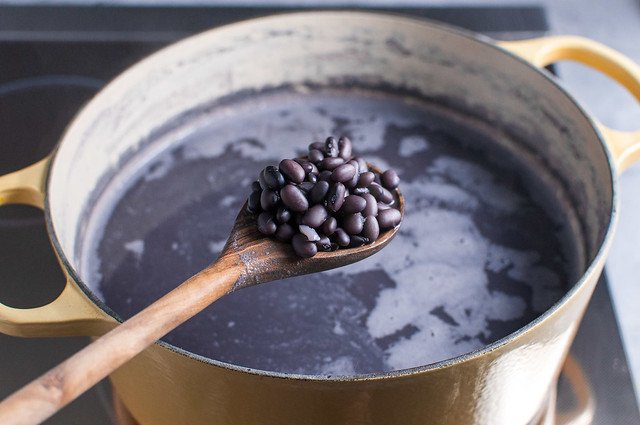
Simmer your beans gently in plenty of water, checking often to avoid drying out or burning. You can add aromatics like garlic, onion, or bay leaves to boost flavor. Stir occasionally and taste test after about an hour to find the perfect tenderness for your dish.
Using A Slow Cooker
Slow cookers are perfect if you want to set it and forget it. After soaking, add your beans and enough water to cover them by a couple of inches. Add seasonings and cook on low for 6 to 8 hours, or on high for 3 to 4 hours.
One tip: avoid adding acidic ingredients like tomatoes or vinegar until the beans are fully cooked. Acid can toughen the beans and extend cooking time. This method is ideal if you prefer a hands-off approach and enjoy waking up to ready-to-eat beans.
Instant Pot Method
The Instant Pot is a game-changer for cooking beans quickly without pre-soaking. Just rinse your beans, add them to the pot with water (usually 3 cups of water per cup of beans), and set it to manual or pressure cook.
Cooking times vary by bean type but generally range from 20 to 30 minutes under high pressure. After cooking, allow a natural pressure release for best texture. Have you tried this method yet? It often surprises people how fast and easy it is.
Seasoning And Flavor Tips
Seasoning beans from a bag is key to making them tasty and inviting. Simple spices and fresh ingredients turn plain beans into a flavorful dish. Experimenting with different seasonings creates a variety of delicious meals. Start with basic spices, then add fresh aromatics and herbs for depth.
Basic Seasoning Ideas
Salt is essential, but add it after beans soften. Black pepper gives a mild heat. Garlic powder or fresh garlic adds warmth. Onion powder enhances sweetness. Paprika brings a smoky touch. Cumin offers earthiness. Chili powder adds a spicy kick. Use small amounts and adjust to taste.
Adding Aromatics And Herbs
Fresh onions and garlic make beans more flavorful. Sauté them before adding beans for extra aroma. Bay leaves add a subtle, herbal note. Fresh cilantro or parsley adds brightness at the end. Thyme and rosemary give a woodsy flavor. Add herbs during cooking or as garnish. Avoid overcooking fresh herbs to keep their taste strong.
Troubleshooting Common Issues
Troubleshooting common issues with cooking beans from a bag can save you a lot of frustration in the kitchen. Many people struggle with beans that are either too hard or too mushy, which can ruin the texture and flavor of your dish. Understanding why these problems happen and how to fix them will help you enjoy perfectly cooked beans every time.
Dealing With Hard Beans
If your beans remain hard after cooking, it might be because they are old or the water was too hard. Hard water contains minerals that prevent beans from softening properly. Try using filtered or bottled water next time to see if that makes a difference.
Soaking beans overnight can also make a big difference. The soak time allows water to penetrate the beans, speeding up the cooking process and helping them cook evenly. If you forgot to soak, don't panic—using the quick-soak method by boiling beans for a few minutes and then letting them sit for an hour can help soften them.
Have you checked your cooking time and temperature? Beans need to simmer gently, not boil rapidly. High heat can toughen the skins and prevent softening. Keep the heat low and allow enough time for the beans to cook through.
Avoiding Mushy Beans
Mushy beans can be just as frustrating as hard ones. This often happens if beans are cooked too long or at too high a temperature. To avoid this, check beans frequently after they start to soften.
Salt can also affect bean texture. Adding salt too early in the cooking process can make beans tough, but adding it too late can help season them without breaking down their structure. Try seasoning your beans after they have softened to keep them intact.
Different beans have different cooking times. White beans often cook faster than kidney or black beans. Have you noticed that some beans get mushy faster than others? Adjust your timing based on the type of bean you’re cooking to prevent overcooking.

Credit: www.naturalcomfortkitchen.com
Storing And Using Cooked Beans
Once you’ve cooked your beans from a bag, knowing how to store and use them properly can save you time and reduce waste. Cooked beans are versatile and can be a nutritious base for many meals, but they need the right care to stay fresh and tasty. Let’s look at some practical tips on storing and creative ways to enjoy your cooked beans.
Storage Tips
Store cooked beans in an airtight container to keep moisture and odors out. Let them cool completely before sealing to avoid condensation, which can cause spoilage. Beans stored in the fridge usually stay fresh for up to 5 days.
If you want to keep them longer, freeze the beans in portion-sized bags or containers. Label each container with the date so you know how long they’ve been stored. Frozen beans can last up to 3 months and thaw quickly when you need them.
Have you ever found your cooked beans smelling strange? That’s a sign they’ve gone bad, so always check before using. Also, avoid storing beans in the cooking liquid for too long, as it can become slimy.
Creative Recipes With Cooked Beans
Cooked beans are a blank canvas waiting for your creativity. Toss them into salads for added protein and texture. You can mix black beans with corn, tomatoes, and a squeeze of lime for a quick, refreshing side dish.
Try mashing cooked beans with garlic, olive oil, and herbs for a tasty spread on toast or sandwiches. Beans also make a great base for veggie burgers—just add breadcrumbs, spices, and an egg to bind.
- Use chickpeas to make a creamy hummus dip.
- Add kidney beans to chili for a hearty meal.
- Blend white beans into soups to thicken and add nutrition.
What’s your favorite way to use cooked beans? Experimenting with different recipes can make beans a staple in your kitchen, not just a side dish.
Frequently Asked Questions
How Do I Prepare Dried Beans Before Cooking?
Rinse beans thoroughly to remove dust and debris. Soak them in water for 6-8 hours or overnight. This softens the beans and reduces cooking time. Drain and rinse again before cooking.
What Is The Best Cooking Method For Bagged Beans?
Simmer beans gently in fresh water or broth on low heat. Avoid boiling vigorously to prevent splitting. Cooking times vary by bean type, usually 1-2 hours. Stir occasionally and add salt toward the end.
How Can I Reduce Beans’ Cooking Time?
Soaking beans overnight softens them and cuts cooking time significantly. Adding baking soda to soaking water helps soften beans faster. Using a pressure cooker can also reduce cooking time to under an hour.
Should I Add Salt While Cooking Beans?
It’s best to add salt after beans are mostly cooked. Adding salt early can toughen the skins and increase cooking time. Season beans toward the end for better texture and flavor.
Conclusion
Cooking beans from a bag is simple and rewarding. Soaking helps beans cook faster and digest easier. Use fresh water and simmer gently for best results. Season beans after cooking to keep flavors rich. Beans make meals healthy, filling, and tasty.
Try different beans to find your favorite. Enjoy the process and the delicious food you create. Cooking beans at home saves money and adds nutrition. Now, you can cook beans with confidence and ease.