

Have you ever faced the anxiety of losing your luggage on an international flight? It’s a common fear and one that can turn the start of your adventure into a stressful ordeal.
But what if there was a simple way to ease your mind and ensure your bags reach the right destination? Properly labeling your luggage is the key. Not only does it help airlines identify and route your bags efficiently, but it also gives you peace of mind, knowing that your belongings are clearly marked and traceable.
You'll discover the best practices for labeling your luggage for international flights. You'll learn practical tips that could save you time, hassle, and even money. Stay with us, and let’s make your next journey smoother and more enjoyable.
Choosing The Right Luggage Tags
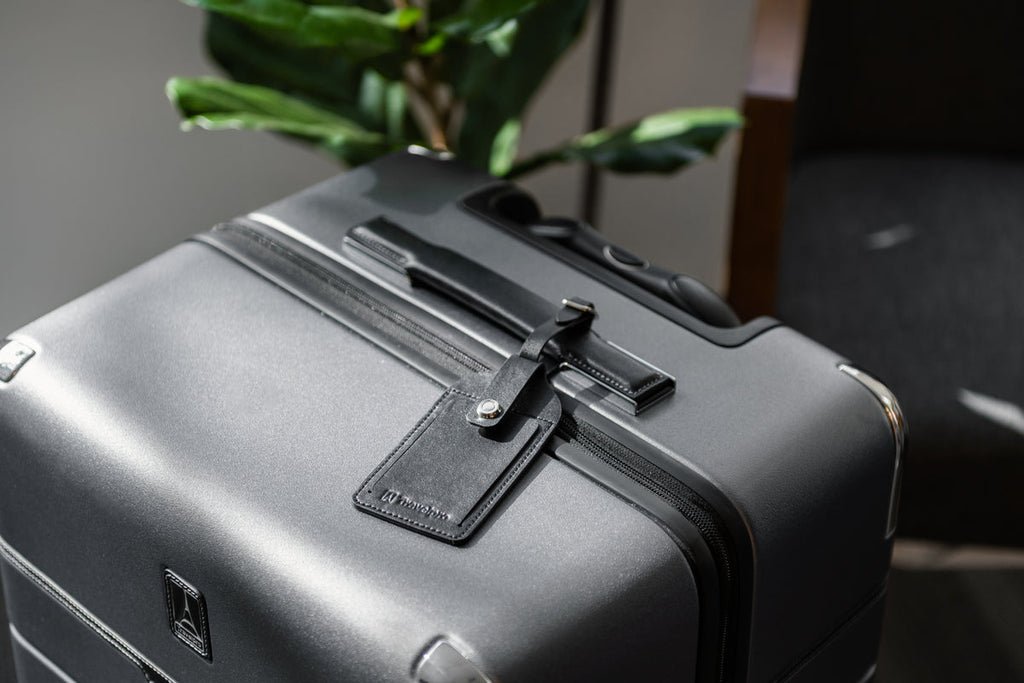
Choosing the right luggage tags can save you a lot of stress during your international trip. Your luggage tag is more than just an identifier—it’s your lifeline if your bag gets misplaced. Picking tags that are durable, visible, and securely attached makes sure your information stays with your bag throughout the journey.
Durable Materials
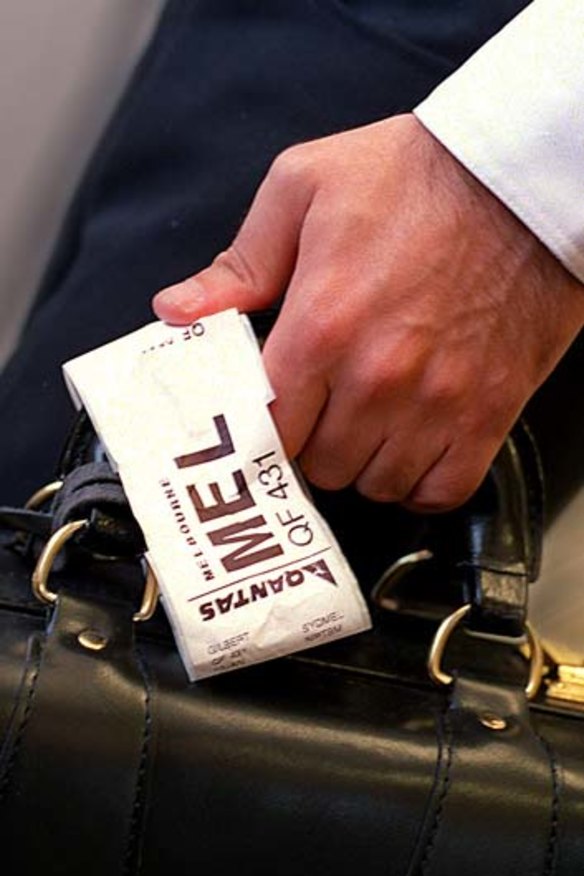
Look for luggage tags made from tough materials like leather, hard plastic, or metal. These withstand rough handling and weather changes. I once used a paper tag on a long-haul flight, and it tore before reaching the carousel—don’t let that happen to you.
Water-resistant tags are also smart choices, especially if you’re traveling through rainy climates or airports with unpredictable weather. The last thing you want is your contact details smudged or unreadable.
Visible Information
Your tag should display your contact details clearly and boldly. Use large, easy-to-read fonts and avoid small print. Think about what airport staff need to see quickly—your name and phone number should be front and center.
Consider tags with a clear window or flap to protect your info but keep it visible. How often have you seen a tag folded over or covered, making it impossible to read without unfolding or removing it?
Secure Attachment
The way your tag attaches to your luggage is just as important as the tag itself. Straps with sturdy buckles, reinforced loops, or metal chains reduce the risk of your tag falling off during transit. A flimsy plastic loop might snap when your bag is tossed around.
Try attaching the tag to a handle or a zipper pull—places less likely to get snagged or broken. Ask yourself: will this tag stay put even if my bag is handled roughly or squeezed into overhead bins?
Essential Information To Include
Labeling luggage correctly is key for smooth international travel. Clear and complete information helps airlines return your bag if it gets lost. The right details make it easy to identify your luggage anywhere in the world.
Full Name And Contact Details
Include your full name exactly as it appears on your passport. This helps airport staff confirm your identity quickly. Add a phone number where you can be reached during your trip. Use a mobile number with international calling enabled.
Address Format For International Travel
Write your home address clearly, using the format common in your country. Include street name, city, postal code, and country. If your address is long, use abbreviations to keep it neat. Make sure the information is easy to read for anyone handling your luggage abroad.
Backup Contact Methods
Provide a second contact option in case your primary number is unreachable. This could be an email address or another phone number. You might also add contact details of a trusted friend or family member. Backup contacts increase the chances of recovering your luggage fast.
Label Placement On Luggage
Proper label placement on your luggage can make a big difference in ensuring it reaches your destination safely. Labels that are hard to find or easily damaged may cause delays or even loss. You want your contact information to be visible and secure throughout the entire journey.
Main Handle Tag
Attaching a label to the main handle is the most common and effective way to identify your bag. This spot is easy for baggage handlers and airline staff to see, which speeds up the sorting process.
Choose a sturdy tag with a strong loop or strap to avoid it falling off during transit. If you’ve ever lost a bag tag, you know how frustrating it is to track your luggage without clear identification.
Make sure the label faces outward and doesn’t get hidden under other straps or accessories. This simple step can save you time and stress at baggage claim.
Inside Luggage Tag
Placing an additional label inside your luggage acts as a backup in case the external tag is lost or damaged. This is especially helpful for long international flights where bags change hands multiple times.
Slip the label into an interior pocket or attach it to the lining with a safety pin or adhesive pouch. Use waterproof paper or laminate the tag to protect it from spills or moisture.
Have you ever found your bag’s outside tag missing but still managed to claim your luggage thanks to an inside label? This small precaution can prevent a major headache.
Avoiding Common Placement Mistakes
- Don’t place labels on wheels or the bottom of the bag where they can get rubbed off or torn.
- Avoid covering the label with decorative tags or stickers that obscure important details.
- Don’t rely solely on fragile paper tags; invest in durable, weather-resistant labels.
- Make sure your label is securely fastened—loose tags often get lost.
Think about your last trip: did your luggage tag stay visible and intact? If not, changing your label placement might be the easiest fix to keep your luggage safe and identifiable.

Using Technology For Luggage Tracking
Technology has made luggage tracking easier and safer for international travelers. Using digital tools helps find bags quickly and reduces stress. These tools work alongside traditional luggage tags to keep your belongings secure.
Qr Code Tags
QR code tags store your contact details and flight information. Scanning the code gives instant access to this data. Airport staff and security can quickly identify your luggage. These tags are easy to attach and affordable. They work well with smartphones, making information sharing smooth.
Gps Trackers
GPS trackers provide real-time location updates of your luggage. You can see your bag’s position on a map from anywhere. These small devices fit inside or attach outside your suitcase. They use satellite signals to track movements accurately. Battery life varies, so check before long trips.
Mobile Apps Integration
Many luggage tracking tools link with mobile apps. These apps send notifications about your luggage status. They also help manage multiple bags in one place. Some apps offer added features, like travel reminders. Using apps keeps you informed without extra effort.
Additional Tips For Secure Labeling
Labeling luggage properly helps keep your bags safe during international flights. Simple tags might fall off or get damaged. Use extra care to keep your contact details visible and intact. Follow these tips for secure and effective labeling.
Waterproof Labels
Choose waterproof labels to protect your information from rain or spills. Plain paper tags can tear or blur when wet. Waterproof labels keep your name and phone number clear. They last longer and withstand rough handling by airport staff.
Avoiding Overly Personal Details
Include only necessary contact information on your label. Avoid sharing full home addresses or sensitive data. Use an email address or phone number instead of detailed personal info. This reduces the risk of identity theft or unwanted attention.
Double Tagging Strategy
Attach two labels on your luggage for extra security. Place one tag on the handle and another inside the bag. If one tag falls off, the other helps identify your luggage. This simple trick increases the chance of finding your bag if lost.

Airline And Country-specific Requirements
Labeling luggage for an international flight requires attention to airline and country rules. Different airlines have specific labeling standards. Countries also have unique address formats and security checks. Understanding these details helps avoid delays and lost bags.
Labeling Rules By Airlines
Each airline sets its own rules for luggage labels. Some require printed tags with barcodes. Others accept handwritten labels but prefer clear, legible writing. Many airlines advise including your name, phone number, and flight details. Check your airline's website for exact guidelines. Using durable, waterproof labels is often recommended. Avoid placing labels over old tags to prevent confusion.
Customs And Security Considerations
Customs officials may inspect luggage tags closely. They look for accurate contact information and proper declarations. Tags should not include sensitive personal data like passport numbers. Security agencies may require tags to be easily removable. Avoid using materials that block X-ray scanners. Clear, simple labels help speed up customs checks. Always follow security rules of both departure and arrival countries.
Country-specific Address Formats
Address formats vary widely across countries. Some use postal codes first; others place them last. Street names, house numbers, and city names may follow different orders. Writing the destination address in English is often best. Use the local language only if required by the airline or country. Example formats:
| Country | Example Address Format |
|---|---|
| USA | John Smith 123 Main St. Springfield, IL 62704 USA |
| Japan | John Smith 1-2-3 Shibuya Shibuya-ku, Tokyo 150-0002 Japan |
| Germany | John Smith Musterstraße 45 12345 Berlin Germany |
Check the destination country's postal service website for the correct format. Proper formatting reduces the risk of misdelivery or lost luggage.
Frequently Asked Questions
How Should I Label Luggage For International Flights?
Label your luggage with your full name, phone number, and destination address. Use a sturdy tag and place a duplicate inside the bag for safety. Clear, visible labels help airlines identify your luggage quickly and reduce loss risks during international flights.
What Information Is Essential On A Luggage Tag?
Include your full name, contact phone number, and destination address. Adding your email and flight details is helpful but optional. Ensure the information is legible and waterproof to withstand handling during the journey.
Can I Use A Paper Luggage Tag For International Travel?
Paper tags are not recommended for international flights due to their fragility. Use durable plastic or leather tags to prevent damage or loss. Waterproof and tear-resistant tags ensure your information remains intact throughout your trip.
Is It Necessary To Put A Duplicate Label Inside Luggage?
Yes, placing a duplicate label inside the luggage protects your contact details if the external tag is lost or damaged. It aids airlines in identifying and returning your bag promptly, especially on international flights where luggage handling is extensive.
Conclusion
Labeling your luggage clearly helps avoid lost bags on international flights. Use durable tags with your name and contact details. Place an extra tag inside your suitcase too. Keep labels simple and easy to read. This small step saves time and stress at the airport.
Prepare your bags well and travel with peace of mind. Safe travels!