
Are you tired of rummaging through a chaotic suitcase every time you travel? Do you wish you could find what you need without the stress and mess?
You’re not alone. Organizing a suitcase can feel like a daunting puzzle, but it doesn’t have to be. Imagine arriving at your destination and effortlessly accessing everything you packed, from clothes to toiletries. With a few simple tricks, you can transform your travel experience from chaotic to calm.
Keep reading to discover how to pack smartly, save space, and keep your belongings in perfect order. Your next trip could be your most organized yet!
:max_bytes(150000):strip_icc()/tal-how-to-pack-a-carry-on-bag-tout-0e67faf21540495f8b4197c466a114f8.jpg)
Credit: www.travelandleisure.com
Choose The Right Suitcase
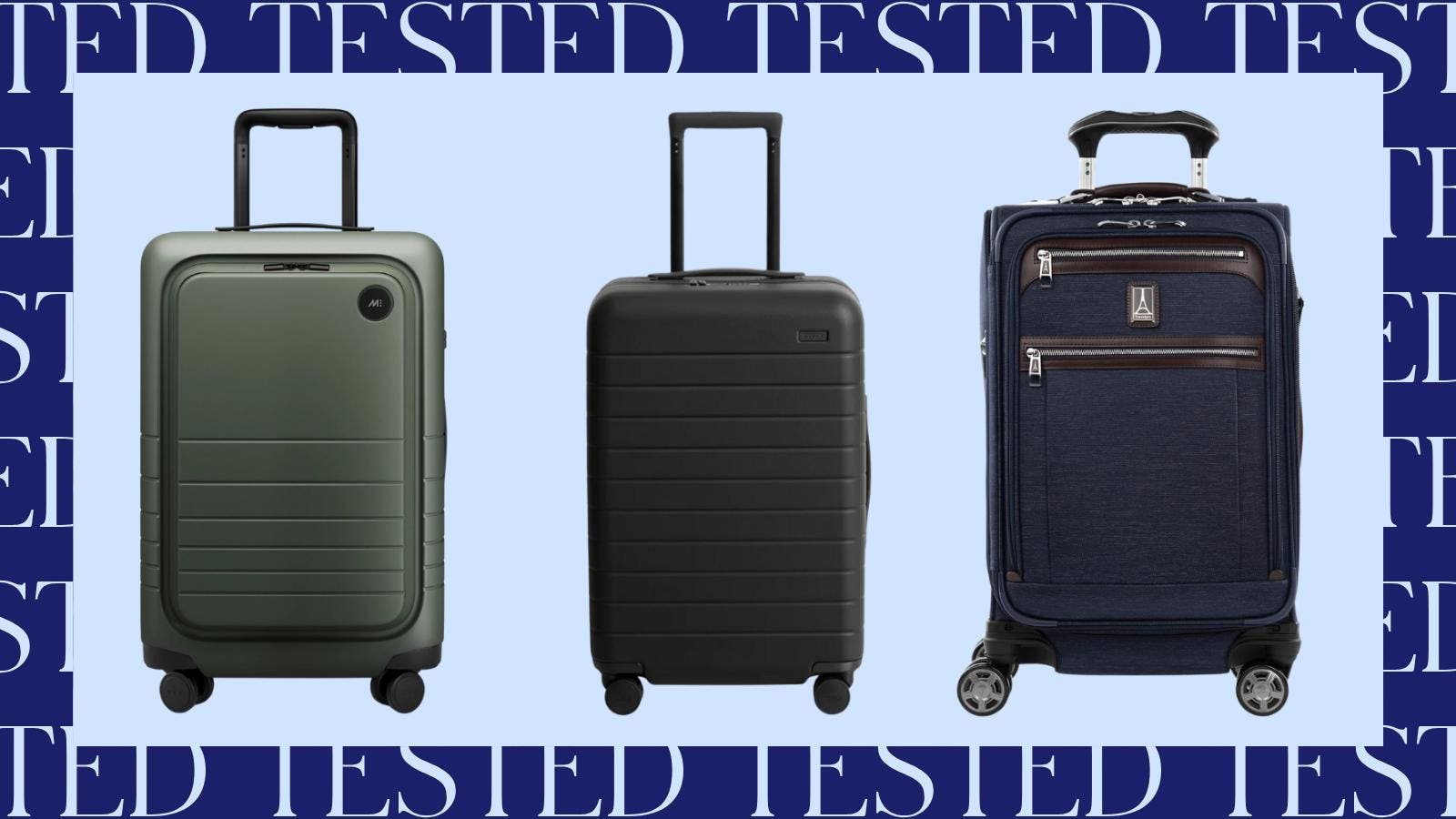
Choosing the right suitcase is the first step toward stress-free packing and smooth travels. The suitcase you pick affects not only how much you can carry but also how easy it is to stay organized. Think about your travel style and needs before making this important decision.
Size And Weight Considerations
Think about the length of your trip and what you typically pack. A carry-on suitcase is perfect for short trips and helps you avoid checked baggage fees and waiting at the carousel.
For longer trips, a medium or large suitcase might be necessary. But remember, heavier suitcases can add to your overall travel weight, making it harder to move around.
Ask yourself: Will you be carrying your suitcase up stairs or across long airport terminals? Choosing a lightweight option can save your back and energy.
Durability And Material
The material of your suitcase affects how well it handles bumps and rough handling. Hard-shell suitcases protect fragile items better but may crack under pressure.
Soft-shell suitcases are usually lighter and can expand for extra packing space, but they might not protect your belongings as well.
Look for suitcases made from materials like polycarbonate or ballistic nylon, which balance durability and weight. Also, consider water resistance if you expect wet weather.
Compartments And Features
Compartments help you organize your items and access them quickly. Look for suitcases with multiple sections, including separate spaces for shoes and toiletries.
Features like built-in TSA-approved locks increase security during travel. Expandable zippers add flexibility when you bring back souvenirs.
Think about handles and wheels too. Four-wheel spinners offer smooth movement in all directions, making navigation easier.
Plan Your Packing List
Planning your packing list is the foundation of organizing your suitcase effectively. It helps you avoid overpacking and ensures you bring everything necessary for your trip. Taking time to carefully list what you need can save you stress and space.
Essentials And Extras
Start by separating essentials from extras. Essentials include items like your passport, travel documents, medications, and underwear. Extras might be books, snacks, or an extra pair of shoes that aren't absolutely necessary but add comfort to your trip.
Think about what you can’t live without during your travels. Have you ever reached your destination only to realize you forgot a charger or toothbrush? Adding these crucial items to your essentials list can save you from last-minute scrambles.
Weather And Destination
Your destination’s weather guides much of what goes into your suitcase. Pack layers for unpredictable climates and waterproof items if rain is likely. Check the forecast a few days before you leave to adjust your list accordingly.
Consider cultural norms as well. Are you visiting a conservative area where modest clothing is preferred? These details can affect your clothing choices and help you avoid packing items that won’t be suitable.
Activity-based Items
What activities you plan to do should shape your packing list. Are you hiking, attending formal events, or lounging on a beach? Each activity demands specific gear or clothing, like hiking boots, evening wear, or swimwear.
Ask yourself: Will you need special equipment or accessories? Bringing the right items for your activities prevents unnecessary purchases and ensures you enjoy your trip fully prepared.
Use Packing Cubes
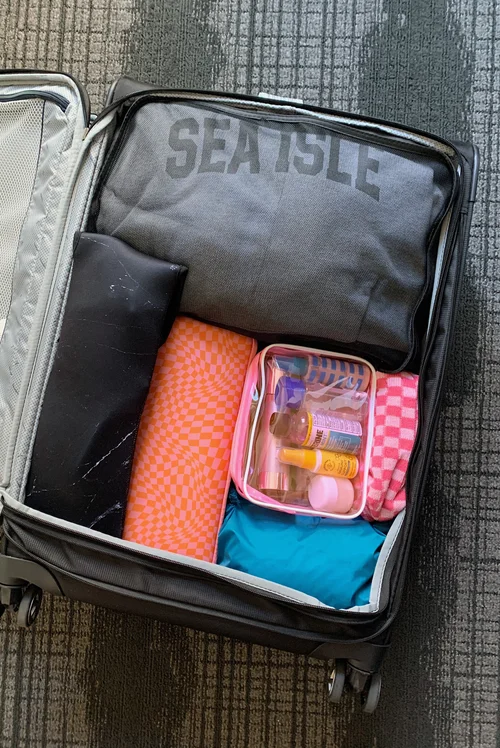
Packing cubes are small, lightweight bags that help keep your suitcase neat. They divide clothes and items into sections. This makes packing and unpacking easier and faster. Using packing cubes reduces mess and saves space.
Sorting By Category
Place similar items together inside each cube. For example, keep shirts in one cube and pants in another. Use a cube for underwear and socks. This way, you find things quickly without digging through your bag.
Maximizing Space
Packing cubes compress clothes to use less space. They keep items flat and tightly packed. This helps fit more in your suitcase. Soft cubes mold to your bag’s shape better than hard containers.
Easy Access
Open one cube to get what you need without disturbing others. This stops your suitcase from becoming messy. Label cubes or choose clear ones to see contents fast. It saves time during travel and hotel stays.
Roll Vs. Fold Clothes
Deciding whether to roll or fold your clothes can change how much you fit in your suitcase and how neat your packing looks. Each technique has its own perks and best uses depending on the type of clothing and the length of your trip. Understanding when to roll and when to fold helps you pack smarter, not harder.
Benefits Of Rolling
Rolling clothes saves space by compressing fabric tightly. This method works especially well for casual wear like t-shirts, jeans, and workout clothes.
Rolling also reduces wrinkles because the fabric isn’t sharply creased. I once rolled my shirts for a week-long trip and came back with almost no ironing needed.
Plus, rolling makes it easier to see all your clothes at a glance. You won’t have to dig through piles to find that one sweater.
When To Fold
Folding is better for structured or delicate items like dress shirts, blazers, and dresses. These pieces keep their shape better when folded carefully.
Folding also works well if you’re placing clothes flat in a suitcase compartment or garment bag. It helps keep everything neat and organized.
Think about the texture and fabric too—silk and linen tend to crease less when folded gently.
Mixing Techniques
Why choose one method when you can use both? Roll your casual clothes to save space and fold your formal or delicate items to protect them.
Try placing folded items at the bottom of your suitcase and rolling the rest on top. This creates a stable base and prevents wrinkles.
Have you ever packed a bulky sweater? Rolling it tightly can stretch the fabric, so folding might be your better bet there.
Experiment with mixing these techniques on your next trip to find what works best for your wardrobe and suitcase size.
Organize Shoes And Accessories
Organizing shoes and accessories in your suitcase saves space and keeps items safe. Proper arrangement prevents damage and makes packing easier. Use simple tools and smart placement to keep shoes and accessories neat during travel.
Shoe Bags And Placement
Shoe bags protect your clothes from dirt and scuffs. Use lightweight fabric or plastic shoe bags for each pair. Place shoes at the bottom or along the edges of the suitcase. Put heavier shoes near the wheels for better balance.
Protecting Delicate Items
Wrap fragile accessories in soft cloth or bubble wrap. Store jewelry in small cases or pouches to avoid tangles. Keep delicate items away from heavy objects to prevent damage. Pack them in the middle of the suitcase for extra cushion.
Utilizing Small Pockets
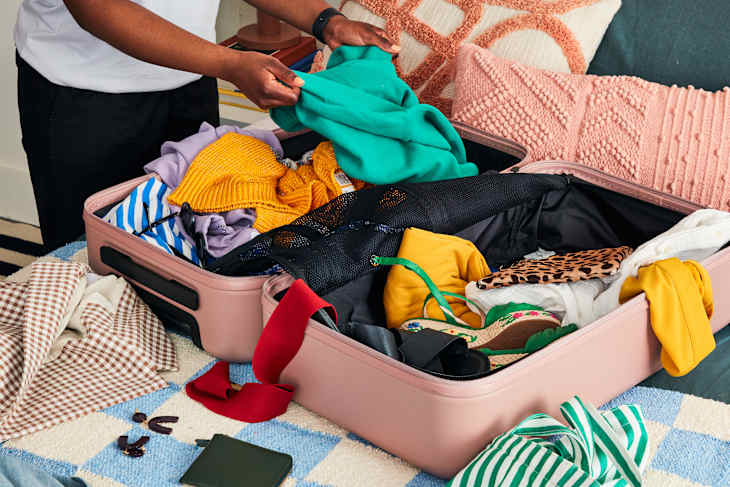
Small pockets in suitcases are perfect for tiny accessories. Use them for belts, watches, chargers, and sunglasses. This keeps these items separate and easy to find. Avoid stuffing small items in main compartments to reduce clutter.
Credit: www.apartmenttherapy.com
Keep Toiletries Leak-proof
Keeping your toiletries leak-proof is one of the smartest moves you can make when packing your suitcase. Imagine opening your bag to find your clothes soaked in shampoo or lotion—that’s a travel nightmare you want to avoid. Taking simple steps to prevent leaks not only protects your belongings but also saves you time and stress during your trip.
Travel-sized Containers
Using travel-sized containers is a great way to keep your toiletries leak-proof. These smaller bottles reduce the risk of spills because they hold just enough product for your trip. Look for containers with tight-sealing caps or flip tops designed to prevent leaks even if they get jostled in your bag.
Try silicone travel bottles—they’re flexible, durable, and easy to squeeze. Plus, many come with labels or different colors, so you won’t waste time guessing which bottle holds what.
Sealing Techniques
Even if you use travel-sized containers, it’s smart to add an extra layer of protection with sealing techniques. Wrapping the bottle’s opening with plastic wrap before putting the cap back on can stop liquid from escaping. This simple trick has saved me from messy situations countless times.
Another tip is to place each bottle in a small ziplock bag. This way, if one does leak, it won’t spread to other items. Wouldn’t you rather spend a minute sealing up your bottles than dealing with wet clothes later?
Packing Toiletry Bags
Choose a sturdy toiletry bag with compartments or waterproof lining to keep everything organized and secure. Separating your liquids from dry items reduces the chance of leaks damaging your entire suitcase. Some travelers swear by clear bags—they make airport security checks easier and help you quickly spot any spills.
Try packing heavier bottles at the bottom and lighter items on top to avoid crushing and leaking. How often do you find your shampoo bottle exploded because it was squashed under heavy clothes? Keeping your toiletries in a structured bag prevents that.
Optimize Space With Smart Packing
Optimizing space in your suitcase helps you pack more and avoid wrinkles. Smart packing uses simple tricks to fit everything neatly. These tips make your travel lighter and stress-free.
Filling Gaps And Corners
Use small items to fill empty spaces in your suitcase. Socks, belts, and chargers fit well in corners. This reduces wasted space and keeps items from moving around. Pack tightly but not too hard to avoid damage.
Layering Strategically
Start with flat, heavier clothes at the bottom. Add lighter, flexible items on top. Use layers to separate different clothes and keep them neat. Roll clothes to save space and reduce wrinkles. Place delicate items in the middle layer for protection.
Heavy Items At The Bottom
Put heavy items like shoes and books at the bottom of the suitcase. This balances weight and prevents lighter items from being squished. Keep shoes in bags to avoid dirt on clothes. Position heavy items near the wheels for easier carrying.
Prepare For Security Checks
Preparing for security checks makes travel smoother and less stressful. Organizing your suitcase with security in mind helps pass through checkpoints quickly. Knowing how to arrange your items can save time and avoid delays.
Organizing Electronics
Keep all electronics like laptops, tablets, and cameras in one easy-to-reach spot. Use a padded sleeve or dedicated compartment for protection. Place chargers and cables nearby but separate. This setup allows quick removal during screening. Avoid mixing electronics with clothes or liquids.
Separating Liquids
Put liquids in clear, resealable plastic bags. Follow size limits, usually 100 ml or less per container. Keep all bottles together and near the top of your bag. This visibility speeds up the security check. Avoid carrying large containers or unsealed bottles.
Quick Access Items
Place travel documents, boarding passes, and ID in an outer pocket or front compartment. Use a travel wallet or organizer for easy handling. Keep small items like keys and lip balm in one spot. This saves time during identity verification and bag inspection.
Maintain A Packing Routine
Maintaining a packing routine transforms the chaotic process of suitcase organization into a smooth, stress-free experience. It helps you avoid last-minute rushes and forgotten items. By sticking to a routine, you build habits that make packing faster and more efficient each time.
Checklists And Timelines
Create a checklist tailored to your trip type and duration. Break down the list into categories like clothing, toiletries, electronics, and documents. Set timelines for when to start packing each category—perhaps electronics a week before, clothes three days prior, and toiletries the night before.
Have you ever forgotten your charger or travel documents? A checklist reduces such risks significantly. Keep a digital or printed version handy, and tick off items as you pack to track your progress clearly.
Regular Updates
Regularly update your packing checklist based on new travel experiences or changes in your needs. For example, if you realized you didn’t need five pairs of shoes last trip, adjust your list accordingly. This keeps your routine practical and avoids overpacking.
Make it a habit to review your checklist after every trip. Add items you missed and remove unnecessary ones. This way, your packing routine evolves with your travel style, saving both space and time.
Post-trip Organization
After returning, unpack immediately and sort your items. Wash and store clothes properly, recharge devices, and replenish toiletries. This preparation sets you up for your next trip and keeps your suitcase ready at all times.
Consider keeping a dedicated spot for your travel essentials at home. Having a go-to place for packing materials and frequently used travel items makes starting your routine easier. How much time could you save if everything was ready to grab and go?
Credit: ca.style.yahoo.com
Frequently Asked Questions
How Can I Pack A Suitcase Efficiently?
To pack efficiently, roll clothes to save space and reduce wrinkles. Use packing cubes to organize items. Place heavier items at the bottom and lighter ones on top for balance. Always keep essentials handy in an easily accessible pocket.
What Items Should I Pack First In A Suitcase?
Start by packing bulky or heavy items like shoes and toiletries. Then layer in clothing, rolled or folded, using packing cubes for separation. Lastly, add smaller accessories and essentials in gaps to maximize space and prevent shifting during travel.
How Do I Prevent Clothes From Wrinkling In My Suitcase?
Rolling clothes tightly helps reduce wrinkles. Use packing cubes or garment folders to keep items flat and compressed. Layer delicate fabrics between softer items, and avoid overpacking to minimize pressure and creasing during transit.
What Is The Best Way To Organize Toiletries In A Suitcase?
Use a clear, waterproof toiletry bag to organize liquids and prevent spills. Pack travel-sized bottles and seal them tightly. Place the bag in an easily accessible compartment for quick airport security checks and convenience during your trip.
Conclusion
Organizing your suitcase saves time and reduces stress. Pack items by type and use packing cubes for order. Roll clothes to fit more and avoid wrinkles. Keep essentials like chargers and documents easy to reach. A well-packed suitcase makes travel smoother and more fun.
Try these tips on your next trip for better packing. Simple steps lead to great travel experiences.