

Packing frozen food in your checked luggage can feel like a daunting task. You might worry about spills, spoilage, or even those dreaded TSA checks.
But don't let these concerns hold you back from bringing your favorite frozen treats on your next trip. Imagine arriving at your destination with perfectly preserved food, ready to enjoy or share with loved ones. In this guide, you'll discover simple yet effective strategies to ensure your frozen food travels safely.
With just a few smart tips, you can transform your packing routine and travel with peace of mind. Keep reading to unlock the secrets to stress-free frozen food packing, and make your next trip both delicious and worry-free.

Choosing The Right Containers
Choosing the right containers for packing frozen food is crucial for keeping it safe and fresh. The containers protect food from spills, freezer burn, and contamination. Good containers also make it easier to organize your luggage and save space. Picking the right type helps maintain the quality of your frozen items during travel.
Use Airtight Packaging
Airtight packaging keeps air out and locks in freshness. It prevents freezer burn and slows down thawing. Use containers with tight-fitting lids or sealable bags designed to keep air from entering. Airtight packaging stops odors from mixing and avoids moisture loss, which keeps food tasty and safe.
Select Leak-proof Options
Leak-proof containers prevent messy spills in your luggage. Look for containers with secure lids that snap or screw on tightly. Leak-proof options protect other items from contamination. They help keep your frozen food intact even if the container is jostled during travel.
Consider Vacuum Sealing
Vacuum sealing removes air from the packaging. This method keeps food fresh longer and reduces freezer burn. Vacuum-sealed bags are compact and save space in your luggage. They also provide a strong barrier against leaks and spills. Vacuum sealing works well for meats, fruits, and vegetables.

Keeping Food Frozen Longer
Keeping frozen food cold for a long time is key when packing checked luggage. Frozen items can thaw quickly without the right preparation. Using effective cooling methods helps maintain freshness. Proper packing stops food from spoiling during travel. This section covers simple ways to keep your food frozen longer.
Use Dry Ice Safely
Dry ice keeps food frozen longer than regular ice. It stays much colder and lasts for hours. Use the right amount based on airline rules. Place dry ice in a well-ventilated cooler or container. Avoid direct contact with skin to prevent burns. Label your luggage if carrying dry ice, as required by airlines. This helps avoid surprises at security checks.
Add Gel Packs For Extra Cooling
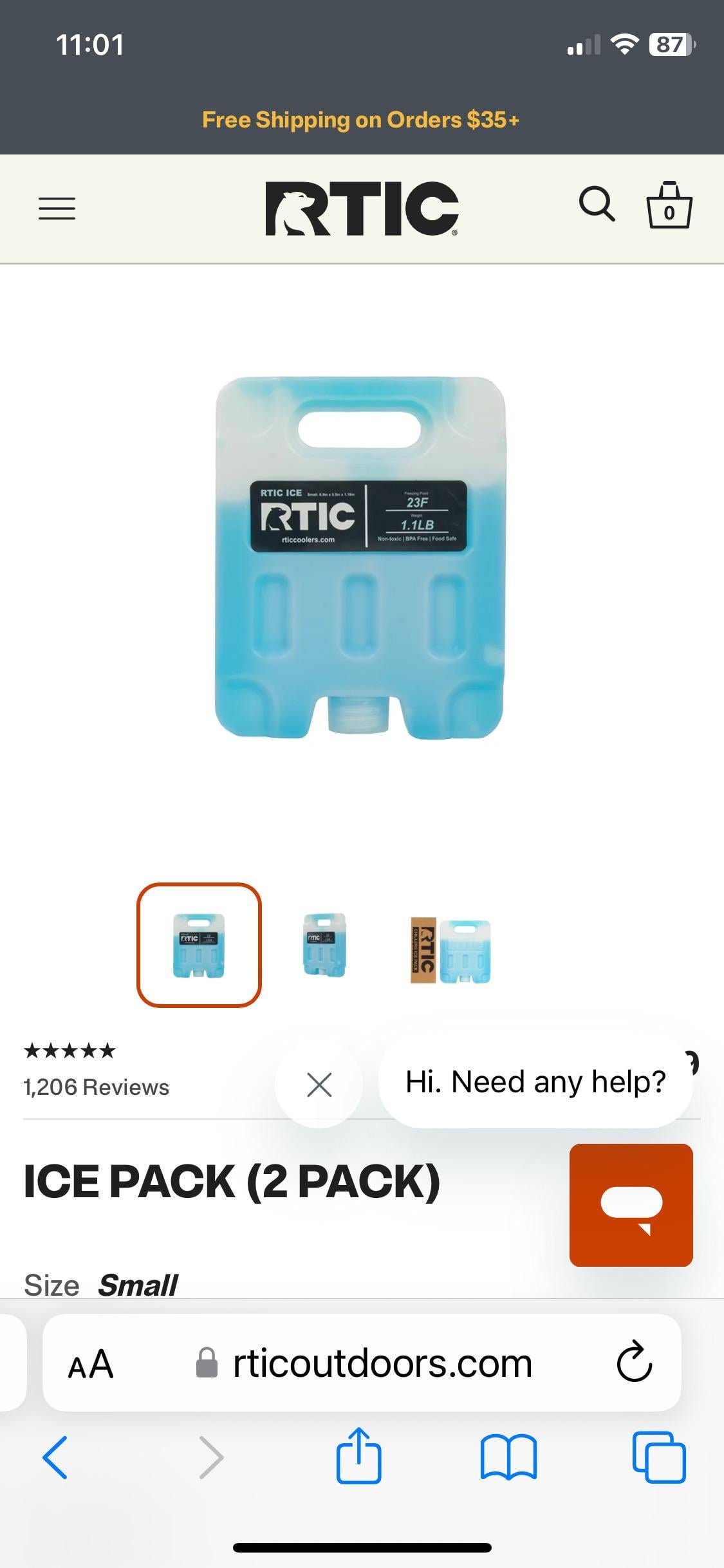
Gel packs add extra coldness to your frozen food. They stay cold longer than regular ice cubes. Freeze them fully before packing. Surround your food with gel packs inside the container. This method creates a cold barrier to slow thawing. You can reuse gel packs for your next trip too.
Insulate With Foam Or Thermal Bags
Insulation helps keep cold air inside and warm air out. Use foam boxes or thermal bags around your frozen items. These materials trap cold air and reduce heat transfer. Line your luggage with extra towels or blankets for more insulation. The better the insulation, the longer your food stays frozen.
Packing Strategies For Checked Bags
Packing frozen food in checked luggage needs careful planning. Proper strategies keep your food safe and your bag balanced. Thoughtful packing also avoids damage during travel. Follow these tips to pack smart and protect your frozen items.
Distribute Weight Evenly
Place frozen food near the center of your suitcase. Spread weight on both sides for balance. Avoid heavy items all on one side. This prevents strain on the bag and makes it easier to carry.
Prevent Crushing And Damage
Use hard containers or insulated bags for frozen food. Surround items with soft clothes or towels. This cushions and stops crushing during handling. Keep fragile packages on top to avoid squashing.
Seal Bags To Avoid Spills
Double-wrap frozen food in plastic bags. Use airtight seals to stop leaks and spills. Put wrapped items inside a waterproof pouch. This keeps your luggage clean and dry.

Airline Rules And Regulations
Airline rules and regulations play a big role in carrying frozen food in checked luggage. Airlines want to keep all passengers safe. They also want to avoid delays or damage to luggage. Knowing these rules helps you pack frozen food correctly. It saves time and avoids extra fees at the airport.
Check Policies On Dry Ice
Dry ice keeps frozen food cold for long trips. Many airlines allow dry ice but with limits. Usually, you can carry up to 5.5 pounds (2.5 kg) of dry ice. The packaging must let carbon dioxide gas escape. Check the airline’s website for specific rules. Some airlines require a label saying “Contains Dry Ice.”
Declare Frozen Items At Check-in
Always tell the airline staff about your frozen food. Declare it during check-in or baggage drop. Staff may ask about the type and amount of frozen items. Declaring prevents surprises at security or loading. It helps the airline handle your luggage with care. Never hide frozen food in your bag.
Understand Weight And Size Limits
Each airline has weight and size limits for checked bags. Frozen food and cooling materials add weight. Know your airline’s baggage allowance before packing. Overweight bags can lead to extra fees. Use a scale to weigh your luggage at home. Pack smart to stay within limits and avoid problems.
Customs And Security Tips
Packing frozen food in checked luggage requires care with customs and security rules. Understanding these rules helps avoid delays and confiscations. Follow clear steps to make your journey smooth and your food safe.
Know What Foods Are Allowed
Each country has different rules for bringing frozen food. Some foods may be banned to prevent pests or diseases. Check the official customs website of your destination before packing.
- Avoid fresh fruits and vegetables in many countries.
- Meat and dairy often have strict restrictions.
- Processed and packaged foods are usually safer.
Knowing the rules helps prevent your frozen food from being taken away.
Prepare For Inspections
Customs officers may open your luggage to check frozen food. Pack items in a way that makes inspection easy. Use clear containers or bags that show the contents.
Be ready to explain what the food is and why you carry it. Keep receipts or proof of purchase handy if possible. Cooperate politely to speed up the process.
Label Items Clearly
Labeling your frozen food helps customs and security staff understand what you carry. Use waterproof labels with the food name and date. Include ingredients if possible.
Clear labels reduce suspicion and make inspection faster. Avoid vague or missing labels that cause confusion. Proper labeling protects your frozen food and reduces travel stress.
Handling Upon Arrival
Handling frozen food right after arriving is crucial to keep it safe and fresh. The goal is to keep the food cold until it reaches a freezer. Delays or poor handling can cause spoilage or foodborne illness. Follow simple steps to protect your frozen items and enjoy them later without worry.
Use Portable Coolers
Carry a portable cooler or insulated bag to the airport. Place frozen items inside with ice packs or dry ice. This helps maintain low temperatures during travel. Use coolers that close tightly to keep cold air in. Avoid opening the cooler often to keep it cold longer.
Quickly Transfer To Freezer
Move frozen food to a freezer immediately after arrival. Don’t leave items at room temperature for long. Find the nearest freezer in your home or hotel. Keep the food packed tightly to maintain cold temperature. Quick transfer helps prevent thawing and spoilage.
Monitor Food Safety
Check the condition of frozen food after transfer. Look for any signs of thawing or spoilage. If the food feels warm or smells bad, discard it. Use a food thermometer if needed to check temperature. Keep frozen food below 0°F (-18°C) for safety.
Frequently Asked Questions
Can I Pack Frozen Food In Checked Luggage?
Yes, you can pack frozen food in checked luggage. Use insulated containers and ice packs to maintain temperature. Ensure the packaging is leak-proof and complies with airline regulations to avoid spoilage and mess.
How To Keep Frozen Food Cold During Flights?
Use high-quality insulated bags with gel ice packs. Wrap food tightly in plastic wrap and place it in a sturdy container. This keeps the food frozen longer and prevents thawing during transit.
Are There Restrictions On Frozen Food In Checked Bags?
Airlines allow frozen food, but restrictions vary. Avoid liquids over 100ml and check for prohibited items. Always confirm with your airline before packing frozen food in checked luggage.
What Packaging Is Best For Frozen Food Travel?
Vacuum-sealed bags combined with insulated coolers work best. Add gel ice packs or dry ice if allowed. This packaging keeps food frozen and prevents leakage or contamination during travel.
Conclusion
Packing frozen food in checked luggage takes careful planning and smart choices. Use strong insulation and ice packs to keep food cold. Seal items tightly to avoid leaks or spills. Check airline rules before you fly to prevent surprises. Keep food easy to reach for quick checks.
Small steps make a big difference in keeping food fresh. Safe packing means a smooth trip and tasty meals at your destination. Simple tips help protect your frozen food every time you travel.